
March 13, 2026

Technology is reshaping how restaurants operate, serve customers, and grow their businesses. Among the most influential innovations today is artificial intelligence. From automating repetitive tasks to analyzing customer behavior, AI in the restaurant industry is helping businesses operate more efficiently while delivering better dining experiences.
Artificial intelligence is no longer limited to large restaurant chains. Independent restaurants, quick-service restaurants (QSRs), and ghost kitchens are also using AI-powered tools to optimize operations, personalize customer experiences, and manage reviews more efficiently.
In this blog, we’ll explore how AI is transforming the restaurant industry and 10 strategies to improve efficiency, customer satisfaction, and long-term growth.
Artificial intelligence in the restaurant industry refers to the use of smart technologies that analyze data, automate processes, and support better decision-making. These systems help restaurants understand customer behavior, streamline operations, and improve overall service efficiency.
The growing adoption of AI across the food sector reflects its increasing importance. In fact, the AI in the food innovation market is projected to grow at a CAGR of 37.3%, reaching USD 39.76 billion by 2034. This rapid growth highlights how restaurants are turning to AI-powered tools to optimize operations, enhance customer engagement, and stay competitive in a fast-evolving industry.
Common AI applications include:
By integrating AI tools into daily operations, restaurants can improve efficiency while maintaining consistent service quality.

Managing orders, customer expectations, staff coordination, and marketing manually can become overwhelming. This is why many restaurants are turning to AI-powered tools that simplify operations and provide valuable insights.
Artificial intelligence helps restaurants automate routine tasks, analyze large volumes of data, and improve decision-making. By using AI-driven systems, restaurants can operate more efficiently while delivering a better experience for their customers.
Here are some key benefits of AI in the restaurant industry:
By adopting AI technologies, restaurants can streamline operations, respond to customer needs more effectively, and stay competitive in a rapidly evolving food service industry.
Suggested read: Understanding and Applying Customer Sentiment Analysis
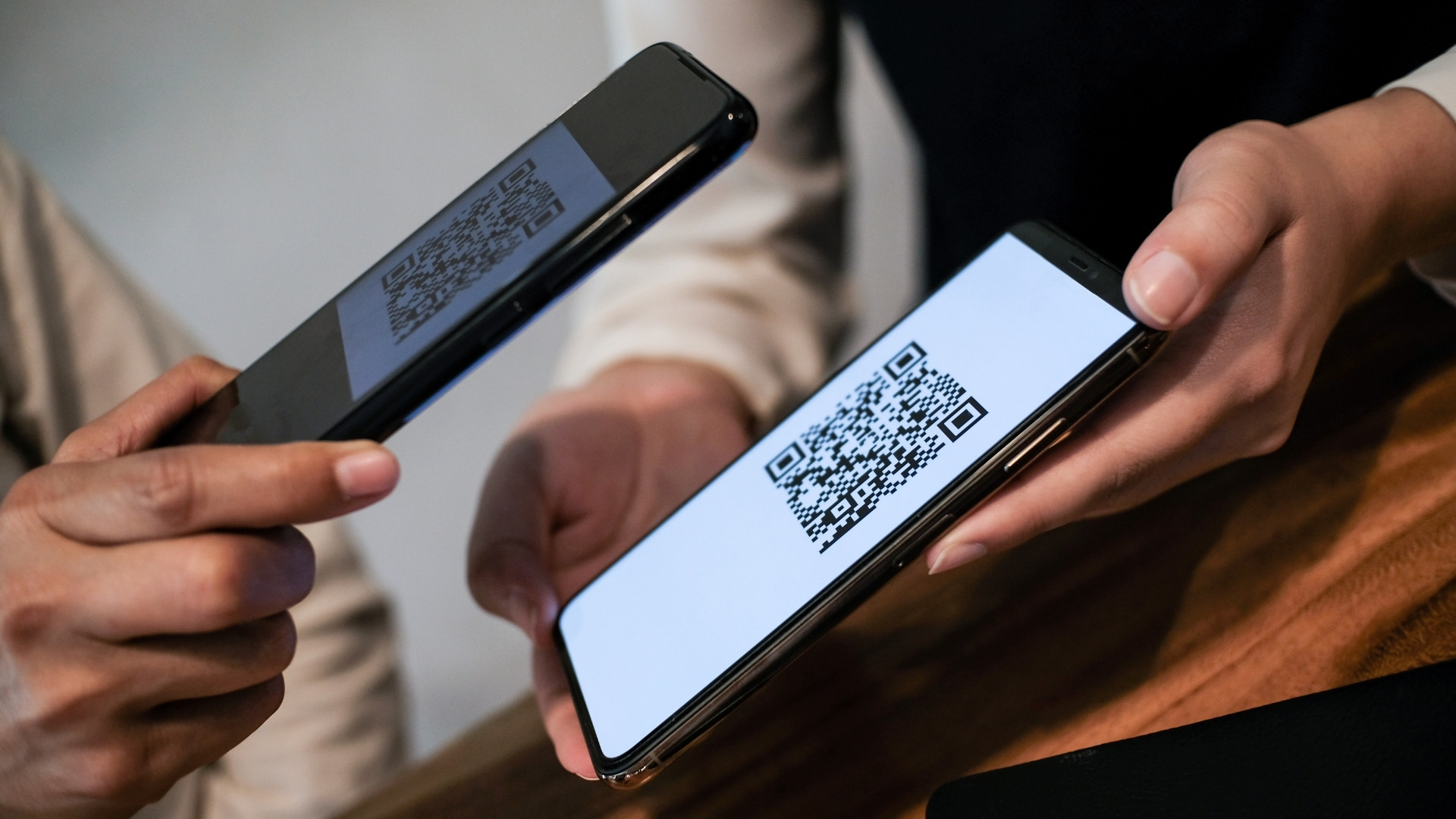
Artificial intelligence is steadily becoming part of everyday restaurant operations. From improving customer interactions to optimizing kitchen workflows, AI tools help restaurants work more efficiently while delivering better service.
Below are ten ways AI in the restaurant industry is becoming increasingly common.
AI chatbots help restaurants handle common customer inquiries automatically. These tools can answer questions about menu items, operating hours, reservations, and delivery options through websites, messaging apps, or social media.
How it benefits restaurants: Chatbots provide instant responses, reduce the workload on staff, and ensure customers receive assistance even outside business hours. This improves customer satisfaction while freeing employees to focus on in-person service.
Example: A restaurant website chatbot can instantly answer questions about vegan menu options or guide customers through placing an online order.
AI-powered voice ordering systems allow customers to place orders through voice assistants at drive-thrus, kiosks, or over the phone. These systems understand spoken requests and convert them into accurate orders.
How it benefits restaurants: Voice AI speeds up the ordering process, reduces human error, and improves efficiency during busy hours. It also helps restaurants manage higher order volumes without increasing staff workload.
Example: A quick-service restaurant may use voice AI in its drive-thru lane to automatically capture orders and send them directly to the kitchen system.
AI tools analyze historical sales data, seasonal trends, and external factors like weather to predict customer demand. This allows restaurants to anticipate busy periods and prepare accordingly.
How it benefits restaurants: Better forecasting helps restaurants schedule staff effectively, manage inventory accurately, and reduce food waste. It also ensures kitchens are prepared during peak hours.
Example: A restaurant may use AI insights to increase staff and prep ingredients ahead of a weekend rush or local event.
AI-driven inventory systems monitor ingredient usage and automatically track stock levels. These systems predict when supplies will run low and suggest reordering at the right time.
How it benefits restaurants: Smart inventory management reduces food waste, prevents stock shortages, and ensures restaurants maintain optimal ingredient levels.
Example: If AI detects that a popular dish is selling faster than usual, it can alert managers to reorder ingredients before they run out.
AI tools analyze customer reviews and feedback from multiple platforms, identifying patterns in customer sentiment and highlighting areas that need improvement.
How it benefits restaurants: This allows restaurants to respond quickly to reviews, maintain a positive online reputation, and identify operational issues early.
Example: If multiple reviews mention slow delivery times, the AI system flags the issue so management can investigate and improve operations.
Suggested read: Smart Ways to Analyze Restaurant Customer Feedback in 2025
AI analyzes customer ordering behavior and purchase history to create targeted marketing campaigns and personalized offers.
How it benefits restaurants: Personalized promotions increase engagement and encourage repeat visits because customers receive offers that match their preferences.
Example: A customer who frequently orders pizza might receive a personalized discount for a new pizza menu item.
AI-powered scheduling systems analyze sales patterns and customer traffic to recommend optimal staff schedules.
How it benefits restaurants: These systems ensure restaurants have enough employees during peak hours while avoiding overstaffing during slower periods.
Example: AI may recommend adding more servers on Friday evenings based on historical sales data.
AI-powered reservation systems analyze guest patterns, booking behavior, and table availability to optimize seating arrangements.
How it benefits restaurants: This reduces wait times, improves table turnover, and ensures efficient use of available space.
Example: If a reservation party arrives late, AI systems can automatically adjust seating plans to minimize delays for other guests.
AI-powered kitchen tools and robotics assist with repetitive cooking tasks such as frying, portioning, or preparing ingredients.
How it benefits restaurants: Automation helps maintain consistency in food quality, reduces preparation time, and supports kitchen staff during busy hours.
Example: A restaurant may use automated fryers that monitor cooking time and temperature to ensure consistent results.
AI systems analyze large volumes of restaurant data, including sales performance, customer behavior, and operational metrics.
How it benefits restaurants: These insights help restaurant owners identify trends, optimize menus, and make strategic business decisions based on real data.
Example: AI might reveal that a specific menu item sells significantly more during lunch hours, encouraging the restaurant to promote it as a lunch special.
As AI technologies continue to evolve, restaurants that adopt these tools early can streamline operations, enhance customer experiences, and stay competitive in an increasingly technology-driven industry.
Suggested read: Effective Strategies to Control Food Costs in Restaurants
While AI can improve efficiency and customer experience, restaurants may face several obstacles when introducing new technologies. Understanding these challenges and the practical solutions available helps restaurant owners implement AI more confidently and effectively.
By addressing these challenges with the right strategy and tools, restaurants can adopt AI more smoothly and unlock its full potential for operational efficiency and customer engagement.
Suggested read: How the Use of AI in Restaurants Cuts Bottlenecks and Protects Margins
As restaurants adopt smarter technologies to streamline operations and improve customer engagement, having the right digital infrastructure is essential. We at iOrders help restaurants simplify ordering, organize data, and maintain full control over their brand and revenue.
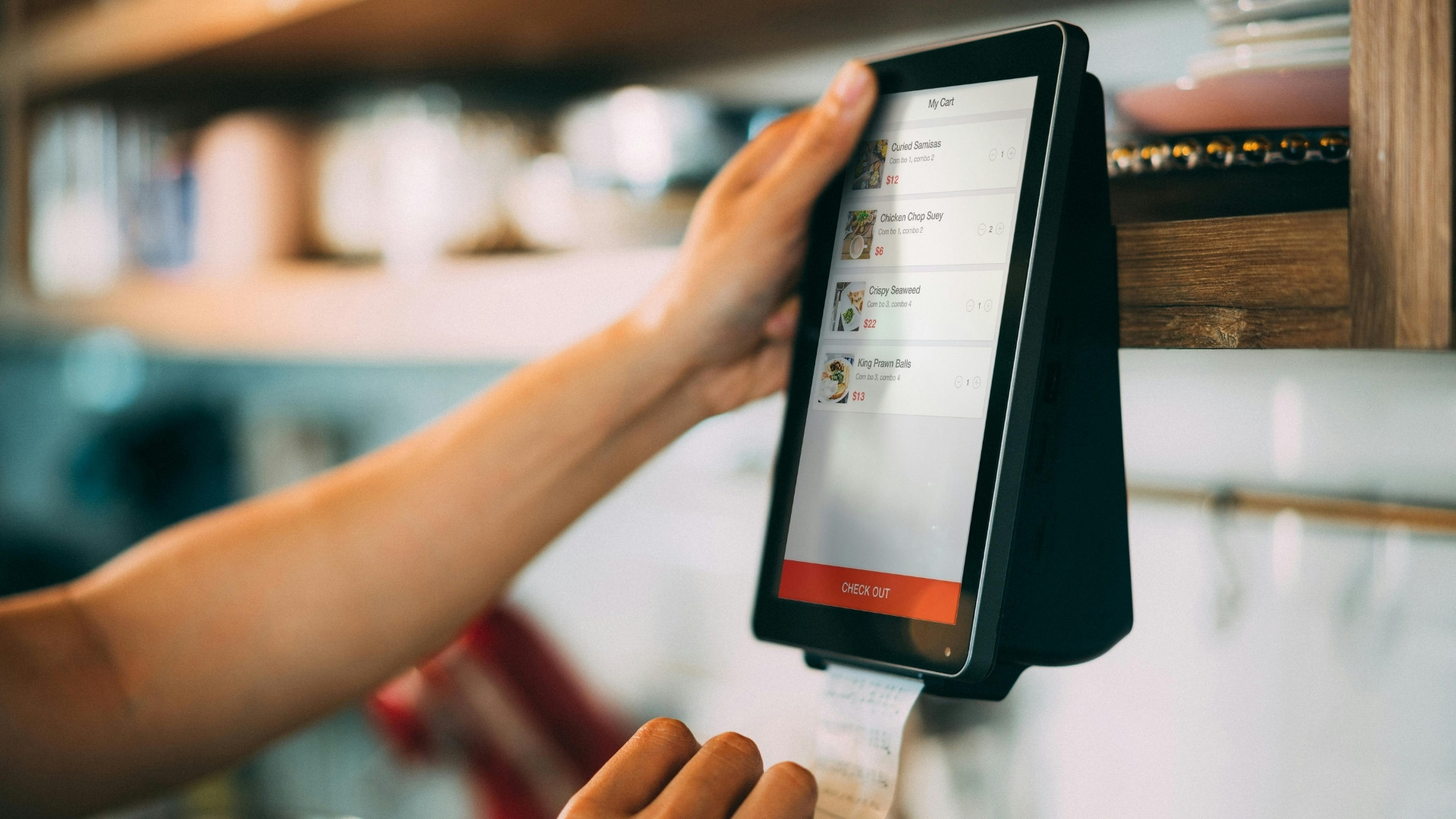
Running restaurant operations through multiple disconnected platforms can create inefficiencies, especially during busy hours. iOrders brings your ordering, payments, delivery, and customer engagement into one centralized system, helping you maintain control while protecting your margins.
With a structured digital ecosystem, restaurants can streamline operations while strengthening direct relationships with their customers.
Operational control improves when every digital touchpoint supports ownership and margin protection:
With commission-free online ordering and food delivery tools, restaurants can accept direct orders, keep more of their revenue, and create lasting relationships with their customers. Book a demo with iOrders today and start building your own online ordering ecosystem.
Also read: How Restaurants Can Use Customer Insights to Boost Sales
Artificial intelligence is reshaping the restaurant industry by helping businesses operate more efficiently, understand customers better, and make smarter decisions. From automating routine tasks to providing valuable insights, AI tools allow restaurants to improve service quality while reducing operational complexity.
As competition continues to grow, restaurants that embrace intelligent technologies will be better equipped to deliver consistent experiences, strengthen customer relationships, and drive long-term growth.
To simplify operations and maintain full control over your ordering ecosystem, consider solutions like iOrders that bring ordering, delivery, payments, and customer engagement into one streamlined platform.
Schedule a demo with iOrders today and start building a smarter, commission-free ordering system for your restaurant.
1. What is AI in the restaurant industry?
AI in the restaurant industry refers to the use of artificial intelligence technologies to automate tasks, analyze customer data, and improve operational efficiency. These tools help restaurants enhance service quality, optimize workflows, and make data-driven decisions.
2. How does AI help restaurants improve customer experience?
AI helps restaurants deliver personalized recommendations, respond quickly to customer reviews, and streamline ordering processes. This leads to faster service, fewer errors, and more tailored dining experiences.
3. Can small restaurants benefit from AI technology?
Yes. AI tools are becoming more accessible and scalable, allowing independent restaurants and small businesses to automate processes, analyze customer behavior, and improve marketing strategies without large investments.
4. What are common uses of AI in restaurants?
Restaurants use AI for demand forecasting, inventory management, customer feedback analysis, automated marketing campaigns, order processing, and staff scheduling optimization.
5. Does AI replace restaurant staff?
AI is designed to support restaurant teams rather than replace them. By automating repetitive tasks, AI allows staff to focus more on customer service, hospitality, and overall dining experience.