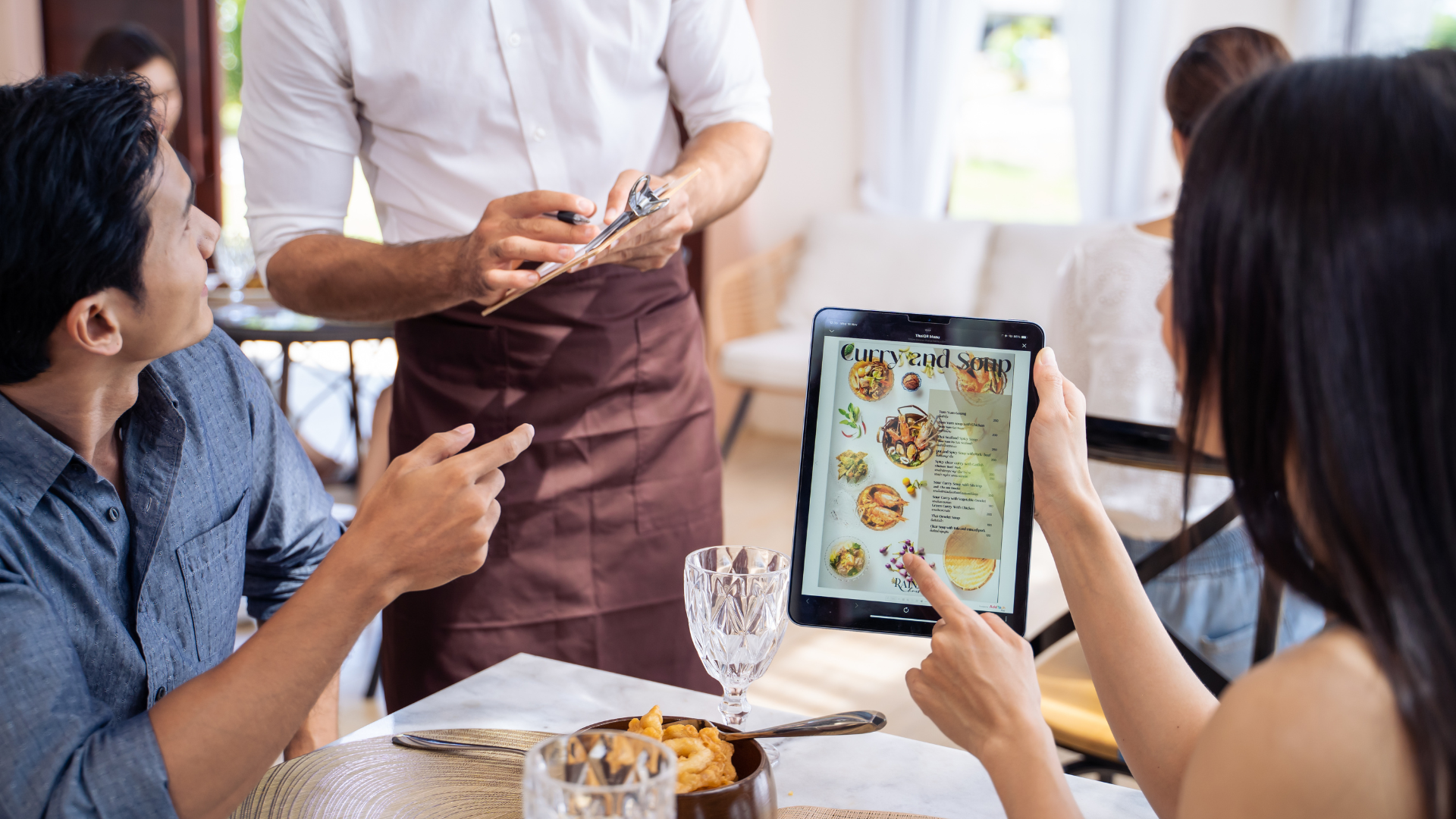
Most customers never think about what happens after they click “Pay Now.” They place an order, tap a card, or use Apple Pay, and expect the transaction to go through instantly.
Behind that simple moment, though, multiple systems communicate in real time to encrypt payment information, verify funds, detect fraud risks, and approve the transaction within seconds. The technology making that possible is the payment gateway.
Global digital payment transaction value is projected to reach $26.89 trillion in 2026, according to Statista, driven heavily by mobile wallets, contactless payments, and online commerce growth. As digital payments continue growing globally, payment gateways have become critical infrastructure for businesses operating online, through apps, QR ordering systems, kiosks, and digital checkout environments.
In this blog, we’ll break down what payment gateways are, how they work behind the scenes, how they differ from payment processors, the technologies powering secure transactions, the different gateway types businesses can choose from, and how restaurants can build smoother payment experiences in 2026.
Key Takeaways
A payment gateway securely captures, encrypts, and transmits customer payment information between the checkout system, payment processor, banks, and card networks.
Modern payment gateways influence much more than payment approval alone, including checkout experience, online ordering flow, customer trust, and operational efficiency.
Payment gateways and payment processors serve different roles, with gateways handling secure transaction data transmission and processors managing backend authorization and fund movement.
Businesses now choose between multiple gateway types, including hosted, embedded, API-based, mobile, and global payment gateways depending on their operational and technical needs.
For restaurants especially, integrated payment gateways help create smoother experiences across QR ordering, contactless payments, delivery systems, kiosks, loyalty programs, and online ordering workflows.
What Is a Payment Gateway?
A payment gateway is the secure technology that captures, encrypts, and transmits customer payment information during a digital transaction. It acts as the connection point between the customer, the business, the payment processor, and the banks involved in approving the payment.
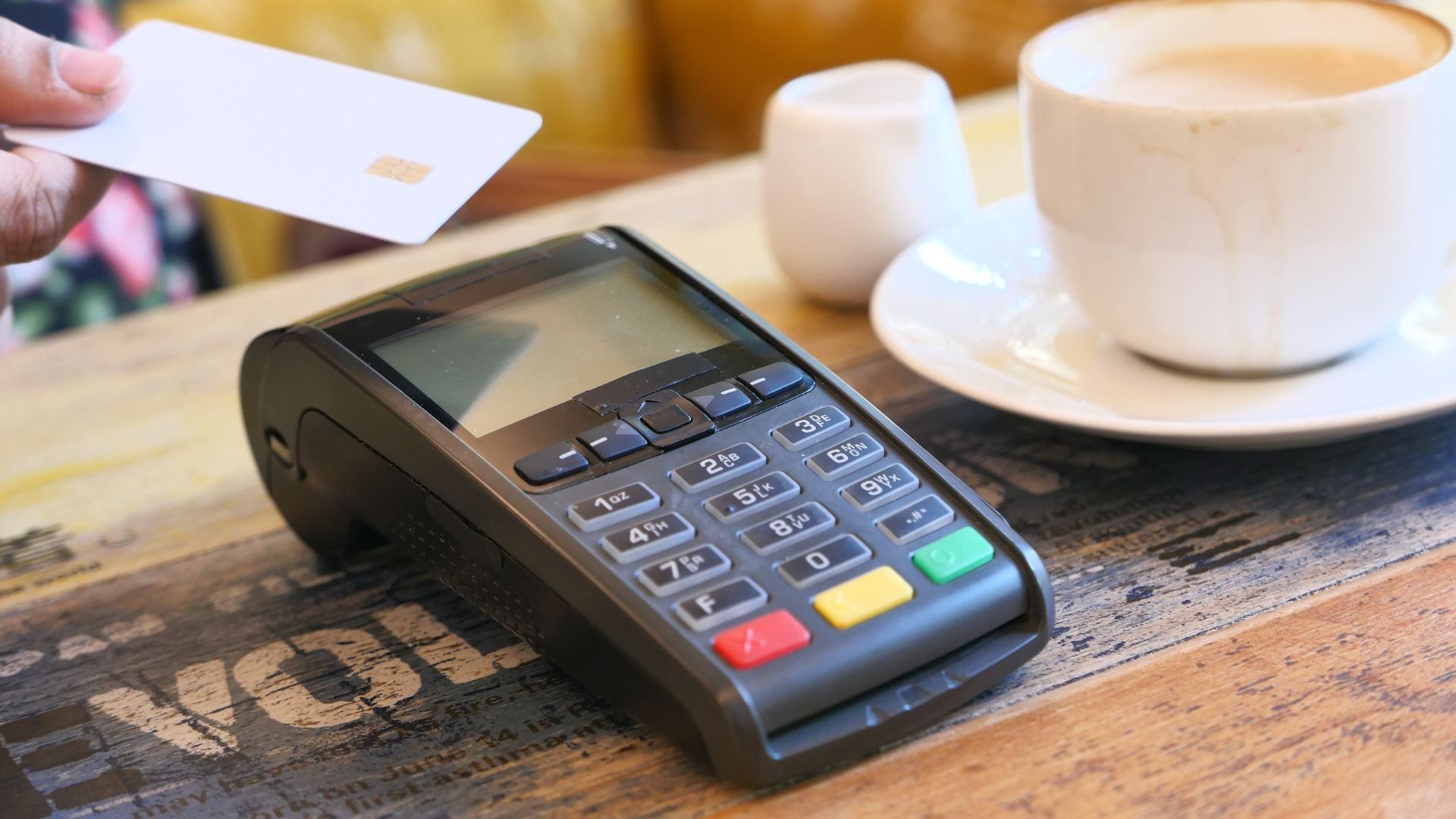
Whenever a customer enters card details online, taps a digital wallet, scans a QR payment link, or completes checkout through an app, the payment gateway helps move that payment information securely through the transaction system.
Without payment gateways, businesses would not be able to process secure online payments safely across websites, mobile apps, QR ordering systems, kiosks, POS systems, or digital checkout environments.
For restaurants, especially, payment gateways have become deeply integrated into:
online ordering systems
QR ordering workflows
delivery apps
branded restaurant apps
self-service kiosks
loyalty and rewards systems
contactless payment environments
Instead of functioning as a standalone finance tool, the payment gateway now directly affects checkout speed, customer experience, payment reliability, and operational flow across the restaurant ecosystem.
Why Payment Gateways Matter for Modern Businesses?
As businesses increasingly operate across websites, apps, digital ordering systems, and mobile payments, payment gateways have become essential infrastructure for handling transactions securely and efficiently.
They matter because they influence much more than payment approval alone.
Payment gateways protect sensitive customer data through encryption, tokenization, and secure transaction routing.
Faster and smoother checkout experiences help reduce cart abandonment and improve conversion rates during online purchases.
Modern gateways support multiple payment methods, including digital wallets, tap-to-pay systems, QR payments, and recurring billing.
Businesses can process transactions across multiple channels, including online stores, mobile apps, POS systems, kiosks, and QR ordering environments.
Integrated payment gateways help synchronize payments with inventory systems, reporting dashboards, loyalty programs, and operational workflows.
Restaurants rely heavily on payment gateways to support online ordering, delivery coordination, QR ordering, and contactless checkout experiences.
Strong fraud detection and PCI-compliant security systems help businesses reduce payment risks and chargebacks.
Payment reliability directly affects customer trust, especially when transactions happen during busy service periods or high-volume sales events.
For modern businesses, especially restaurants and digital-first brands, payment gateways are no longer just technical backend systems. They have become a critical part of customer experience, operational efficiency, and revenue flow.
To understand why payment gateways play such a major role in modern commerce, it helps to look at what actually happens during a transaction behind the scenes.
Stop losing 20-30% of every order to third-party apps
The Restaurant Margin Playbook shows you how to build a direct ordering channel, own your customer relationships, and reclaim the margins delivery platforms are quietly taking.
Although online payments feel almost instant to customers, several systems communicate with each other behind the scenes before a transaction is approved or declined.
A payment gateway acts as the secure bridge connecting the customer, the merchant system, the payment processor, the card networks, and the banks involved in the transaction.
Here’s how a typical payment gateway process works step by step.
Payment Processing Steps
Steps
What Happens?
Customer enters payment information
The customer enters card details, taps a mobile wallet, scans a QR payment link, or chooses a digital payment method during checkout.
Gateway encrypts the payment data
The payment gateway encrypts sensitive customer information to protect it from unauthorized access during transmission.
Gateway sends the request to the payment processor
The encrypted transaction request moves securely from the gateway to the payment processor for verification.
Processor routes the transaction through the card network
The processor communicates with card networks like Visa, Mastercard, or American Express to reach the customer’s issuing bank.
Issuing bank approves or declines the transaction
The bank checks available funds, fraud signals, card validity, and security credentials before approving or rejecting the payment.
Response returns through the system
The approval or decline response travels back through the processor and payment gateway to the merchant system.
Payment confirmation is shown to the customer
If approved, the transaction completes successfully and the customer receives confirmation on the website, app, POS system, or ordering platform.
Even though customers only see a quick payment confirmation screen, several security and communication systems operate simultaneously behind the scenes during those few seconds.
Real-time communication happens continuously between the payment gateway, processor, card networks, banks, and merchant systems to verify the transaction instantly.
Fraud detection systems automatically analyze transaction behavior, payment patterns, device information, and risk signals before authorization is approved.
Tokenization replaces sensitive card information with encrypted digital tokens so actual card numbers are not exposed directly during the transaction process.
Encryption protects payment information while it travels between systems, reducing the risk of intercepted transaction data.
Authorization timing happens extremely quickly, often within just a few seconds, allowing customers to complete purchases almost instantly.
Payment gateways also help synchronize transaction information with POS systems, online ordering platforms, inventory systems, and reporting dashboards in real time.
For restaurants and digital-first businesses, the speed and reliability of this process directly influence customer trust, checkout completion rates, and operational consistency during high-volume service periods.
Because payment gateways handle such a visible part of the transaction process, they are often confused with payment processors, even though both systems perform very different functions.
Payment Gateway vs Payment Processor
Many businesses use the terms payment gateway and payment processor interchangeably, but they are not the same thing.
A payment gateway focuses on securely collecting and transmitting payment information during checkout, while the payment processor handles the actual communication between banks and card networks to move the transaction forward.
In modern payment systems, especially through all-in-one payment platforms, both services are often bundled together. However, they still perform very different functions behind the scenes:
Payment Gateway vs Payment Processor
Payment Gateway
Payment Processor
Securely captures and encrypts customer payment information during checkout.
Handles the backend communication required to authorize and process the transaction.
Acts as the customer-facing bridge between the checkout system and the payment infrastructure.
Acts as the financial infrastructure connecting banks, card networks, and merchant accounts.
Protects sensitive payment information using encryption and tokenization.
Routes transaction requests between the issuing bank, acquiring bank, and card networks.
Typically integrated into websites, mobile apps, QR ordering systems, and POS checkout environments.
Operates behind the scenes during payment authorization and settlement.
Focuses heavily on checkout experience, payment security, and transaction data transmission.
Focuses on transaction approval, fund movement, and payment settlement.
Helps businesses accept digital wallets, cards, online payments, and contactless transactions.
Verifies available funds, approves or declines transactions, and transfers payment data.
Often includes fraud prevention, payment authentication, and checkout customization tools.
Often includes merchant account services, transaction routing, and settlement infrastructure.
Examples include Stripe Gateway, PayPal Checkout, Square Online Payments, and Authorize.net.
Examples include Fiserv, Chase Payment Solutions, Global Payments, and Moneris processing infrastructure.
Once businesses understand the difference between gateways and processors, the next step is understanding the technologies that keep digital payments secure and reliable.
The Core Technologies Behind Payment Gateways
Modern payment gateways rely on multiple technologies working together to protect customer payment information, verify transactions securely, reduce fraud risk, and support fast digital payments across websites, apps, POS systems, and restaurant ordering platforms.
Here are the most important technologies powering modern payment gateways.
SSL encryption: Secure Socket Layer (SSL) encryption protects payment information while it moves between the customer’s device, the payment gateway, the processor, and banking systems. This helps prevent sensitive data from being intercepted during transmission.
Tokenization: Payment gateways often replace actual card details with encrypted digital tokens during transactions. This reduces the risk of exposing sensitive card information directly during processing or storage.
PCI-DSS compliance: Payment Card Industry Data Security Standards (PCI-DSS) establish strict security requirements businesses and payment providers must follow to safely handle cardholder data and reduce fraud exposure.
Fraud detection systems: Modern gateways use automated fraud monitoring tools to analyze transaction patterns, customer behavior, device information, IP addresses, and suspicious payment activity in real time.
EMV support: EMV chip technology adds stronger transaction authentication through dynamic security codes that change with every payment, helping reduce card cloning and counterfeit fraud risks.
Digital wallet compatibility: Payment gateways increasingly support Apple Pay, Google Pay, Samsung Wallet, and other mobile wallet systems that use tokenized and device-authenticated transactions.
API integrations: APIs allow payment gateways to connect directly with POS systems, online ordering platforms, loyalty systems, accounting software, mobile apps, QR ordering systems, and reporting dashboards.
Real-time authorization systems: Gateways communicate instantly with processors, card networks, and issuing banks to approve or decline payments within seconds during checkout.
For restaurants especially, these technologies now influence much more than payment approval alone.
Not every payment gateway is built the same way, which is why businesses often choose different gateway models depending on their operational needs and customer experience goals.
Types of Payment Gateways
Not every payment gateway works the same way. Different gateway models are designed around different business needs, technical capabilities, checkout experiences, and security responsibilities.
Some businesses prioritize fast setup and simplicity, while others want full checkout customization, stronger branding control, or deeper integration with operational systems.
Understanding the different types of payment gateways helps businesses choose a setup that fits.
Types of Payment Gateways
Payment Gateway Type
How It Works
Best Fit For
Key Advantages
Important Tradeoffs
Hosted Payment Gateways
Customers are redirected to an external payment page hosted by the gateway provider to complete checkout.
Small businesses, startups, businesses wanting simpler setup
Easier setup, provider handles much of the security and compliance burden
Less control over branding and customer checkout experience
Embedded / Integrated Payment Gateways
Customers complete payments directly inside the website, app, or ordering platform without leaving the business environment.
Higher technical complexity and stronger security responsibility
Self-Hosted Payment Gateways
Businesses collect payment information directly on their own servers before forwarding it securely to the gateway.
Large businesses with advanced technical infrastructure
Full control over checkout experience and payment workflows
Higher PCI compliance requirements and greater security responsibility
API-Based Payment Gateways
Developers use APIs to fully customize payment flows, checkout experiences, subscriptions, and integrations.
SaaS platforms, custom apps, enterprise systems
Maximum flexibility and deep operational integration
Requires developer resources and ongoing maintenance
Local Payment Gateways
Designed primarily for domestic markets with region-specific payment methods and banking infrastructure.
Businesses targeting local or country-specific customers
Better local payment support, lower regional friction
Limited international payment flexibility
Global Payment Gateways
Supports international currencies, cross-border payments, and multiple payment methods across regions.
International businesses, franchises, global e-commerce
Multi-currency support and broader global payment coverage
More complex pricing and international compliance considerations
Mobile Payment Gateways
Optimized specifically for mobile checkout experiences, apps, digital wallets, and contactless payments.
Restaurants, mobile-first brands, delivery apps
Faster mobile checkout experiences and digital wallet support
May still require integration with broader payment infrastructure
Today, many modern payment providers combine multiple gateway models inside one platform.
For example:
Stripe combines API-based and embedded gateway functionality
PayPal primarily operates as a hosted gateway with additional integrations
Square blends payment gateways with POS and operational systems
For restaurants specifically, embedded and integrated payment gateways have become increasingly important because they help create smoother ordering experiences.
How to Choose the Right Payment Gateway for Your Business
The best payment gateway is not always the one with the lowest transaction fee or the most recognizable brand name. The right choice depends on how your business operates, where your customers purchase from, and how smoothly payments connect with the rest of your workflow.
Before choosing a payment gateway, businesses should evaluate how well the system fits their operational needs both today and as they scale.
Understand your business model first: A restaurant, franchise, e-commerce brand, SaaS company, and retail store all have different payment requirements. Your gateway should align with how customers actually buy from you.
Evaluate your checkout experience carefully: Slow, confusing, or disconnected checkout flows increase abandoned transactions. Embedded and mobile-friendly checkout experiences usually create smoother customer journeys.
Check integration compatibility: The gateway should connect cleanly with your POS system, online ordering platform, loyalty tools, accounting software, QR ordering systems, and reporting dashboards.
Prioritize security and PCI compliance: Strong encryption, tokenization, fraud monitoring, and PCI-DSS compliance are essential for protecting customer payment data and reducing risk exposure.
Support multiple payment methods: Customers increasingly expect credit cards, debit cards, Apple Pay, Google Pay, contactless payments, digital wallets, and QR payments as standard options.
Consider mobile and digital-first behavior: Many customers now complete purchases through smartphones, apps, kiosks, or QR ordering systems. Mobile optimization matters heavily for modern businesses.
Review transaction fees beyond the advertised rate: Hidden costs involving chargebacks, cross-border transactions, payout timing, monthly platform fees, or currency conversion can impact profitability significantly.
Assess international and multi-currency support: Businesses serving international customers need gateways that support multiple currencies and regional payment methods smoothly.
Think about scalability early: A payment gateway that works for a single location today may become limiting once transaction volume, ordering channels, or locations expand.
Evaluate reporting and operational visibility: Strong dashboards and centralized reporting help businesses track sales, refunds, payouts, payment failures, customer behavior, and operational performance more effectively.
Review uptime reliability and support quality: Payment outages directly affect revenue. Reliable infrastructure and responsive customer support become extremely important during high-volume periods.
Consider customer ownership and data access: Some platforms provide stronger visibility into customer behavior, loyalty activity, and repeat purchase patterns than others.
The real challenge is creating a connected ordering and payment experience that works smoothly across dine-in, takeaway, QR ordering, delivery, kiosks, and branded apps without creating operational friction behind the scenes.
That’s where iOrders helps restaurants simplify the entire ecosystem.
Instead of managing disconnected payment tools, third-party delivery platforms, loyalty systems, and ordering channels separately, iOrders brings digital ordering, payment workflows, QR ordering, customer engagement, and operational visibility together into one centralized platform built specifically for food businesses.
With iOrders, restaurants can:
support smooth online and contactless payment experiences
strengthen direct customer relationships without relying entirely on third-party marketplaces
For modern restaurants, the goal is no longer just processing transactions successfully. It is creating faster, cleaner, and more connected customer journeys from ordering to payment completion.
Book a demo with iOrders and explore how it can simplify payment and ordering operations across your restaurant business.
FAQs
1. Can a business use multiple payment gateways at the same time?
Yes, many businesses use multiple payment gateways to support different payment methods, regional markets, backup processing, or checkout optimization strategies.
2. Do payment gateways store customer card information?
Most modern gateways avoid storing raw card information directly and instead use tokenization to protect sensitive payment data securely.
3. What happens if a payment gateway goes offline?
If a gateway experiences downtime, customers may be unable to complete transactions until service is restored or a backup payment system is available.
4. Are payment gateways only used for online payments?
No. Payment gateways are also used in mobile apps, QR ordering systems, kiosks, contactless payment environments, and many modern POS systems.
5. Why do some payment gateways redirect customers to another page?
Hosted payment gateways redirect customers to external checkout pages because the provider handles much of the security and PCI compliance responsibility.


.png)
.webp)