Book a free demo
Oops! Something went wrong while submitting the form.
June 24, 2026
A few years ago, food trends used to change gradually. Today, a single TikTok video can push an ingredient, drink, or flavor combination onto restaurant menus across the world within weeks.
At the same time, customers are becoming far more intentional about how they eat. According to Innova Market Insights, over 60% of global consumers now incorporating protein in their diet as a health benefactor, while convenience, comfort, and global flavors continue shaping what people order most often.
That shift is creating a very different food landscape in 2026.
Customers still want indulgent meals, but they also want cleaner ingredients. They want convenience, but not overly processed food. They want familiar comfort dishes, but with stronger flavors, better presentation, and more globally inspired ingredients.
For restaurants, cafés, and food brands, keeping up with those expectations is becoming just as important as the food itself.
In this blog, we’ll break down the biggest current food trends shaping 2026, from functional wellness foods and swicy flavors to Korean cuisine, premium convenience, fermented ingredients, and the operational shifts restaurants are making to adapt faster.
Customer behavior itself is shaping menus much faster than before. The biggest food trends in 2026 are no longer driven only by chefs, food critics, or restaurant innovation labs. Social media, wellness culture, convenience-driven dining, and global flavor exposure are all influencing what people order, cook, and expect from restaurants.
What makes 2026 especially interesting is that consumers are looking for balance rather than extremes. They still want comfort food, but they also want cleaner ingredients. They want convenience, but not overly processed meals. They want bold flavors, but with more authenticity and depth behind them.
Here are the food trends currently shaping restaurants, cafés, delivery menus, and consumer eating habits across 2026.
The Restaurant Margin Playbook shows you how to build a direct ordering channel, own your customer relationships, and reclaim the margins delivery platforms are quietly taking.
Download the eBook →.png)
Food has become increasingly tied to personal wellness and everyday health routines. Consumers are paying much closer attention to digestion, energy levels, ingredient quality, sugar intake, and how food makes them feel after eating it.
This has pushed functional foods and gut-health-focused products firmly into the mainstream. Kombucha, kefir, probiotic sodas, fermented vegetables, yogurt bowls, adaptogenic beverages, and prebiotic drinks are no longer niche wellness products. They now appear regularly across cafés, grocery aisles, meal-prep brands, and restaurant menus.
The rise of GLP-1 weight-loss medications is also quietly reshaping dining behavior. Many consumers now prefer:
Restaurants are adapting carefully rather than rebuilding menus entirely. Instead of creating separate “diet menus,” operators are adding protein callouts, fiber mentions, macro visibility, and healthier modifications to dishes customers already enjoy.
Also read: 11 Essential Factors Behind Strong Restaurant Brand Trust in 2026
The shift is less about restrictive eating and more about making familiar meals feel lighter, cleaner, and nutritionally smarter.
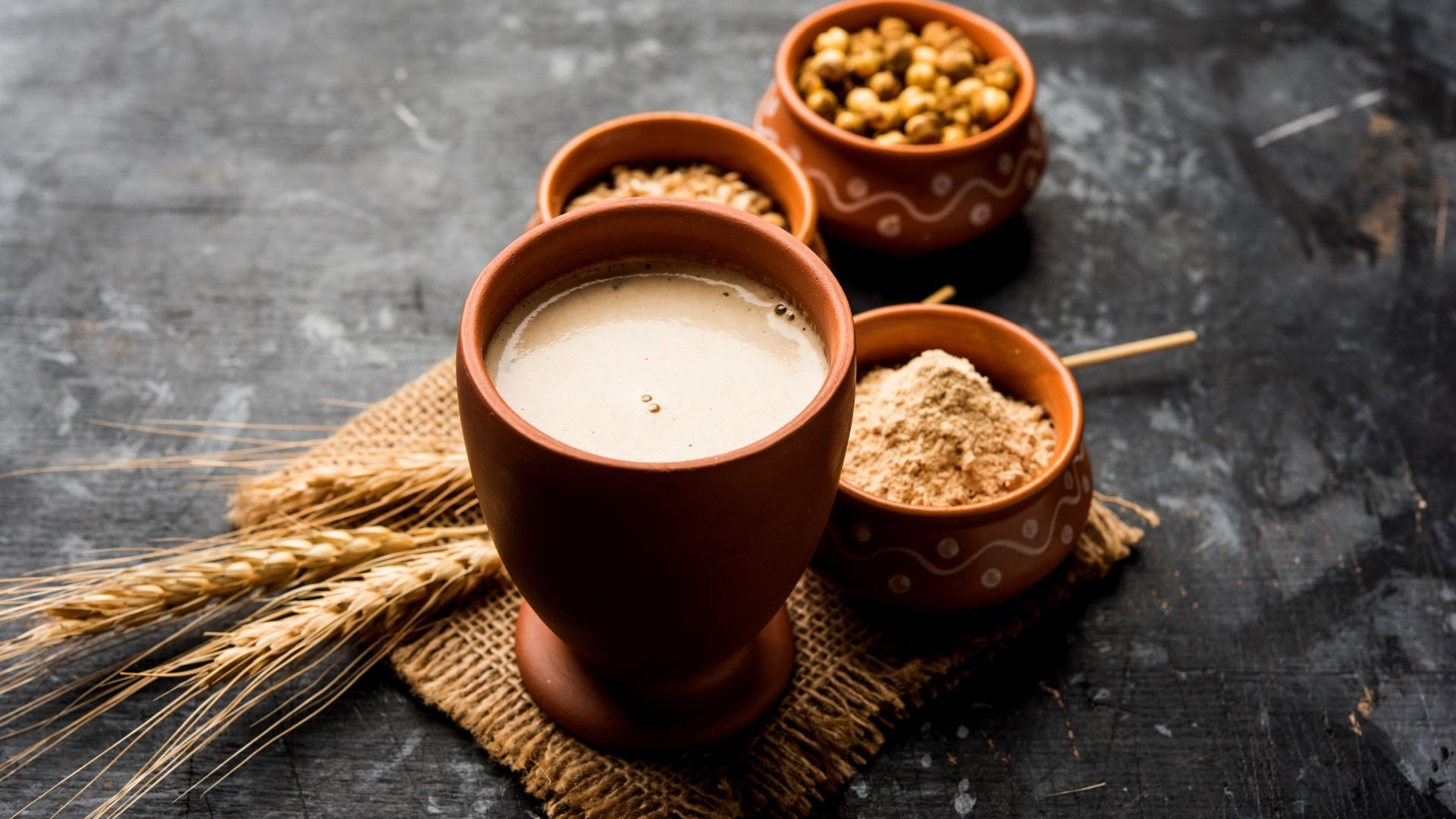
For years, protein dominated restaurant marketing and packaged food branding. In 2026, fiber is starting to take over that conversation.
Consumers increasingly associate fiber with gut health, fullness, digestion support, blood sugar balance, and long-term wellness. The TikTok-driven “fibermaxxing” trend accelerated this shift by encouraging consumers to maximize fiber intake across everyday meals rather than treating it as a supplement category.
As a result, ingredients like:
are appearing much more frequently across menus and prepared foods.
What makes this trend different from older health-food movements is that restaurants are not presenting fiber-focused dishes as restrictive or clinical. Instead, fiber-rich ingredients are naturally integrated into flavorful bowls, wraps, soups, noodles, sandwiches, and sides that still feel indulgent and satisfying. Consumers want wellness without sacrificing comfort or taste.
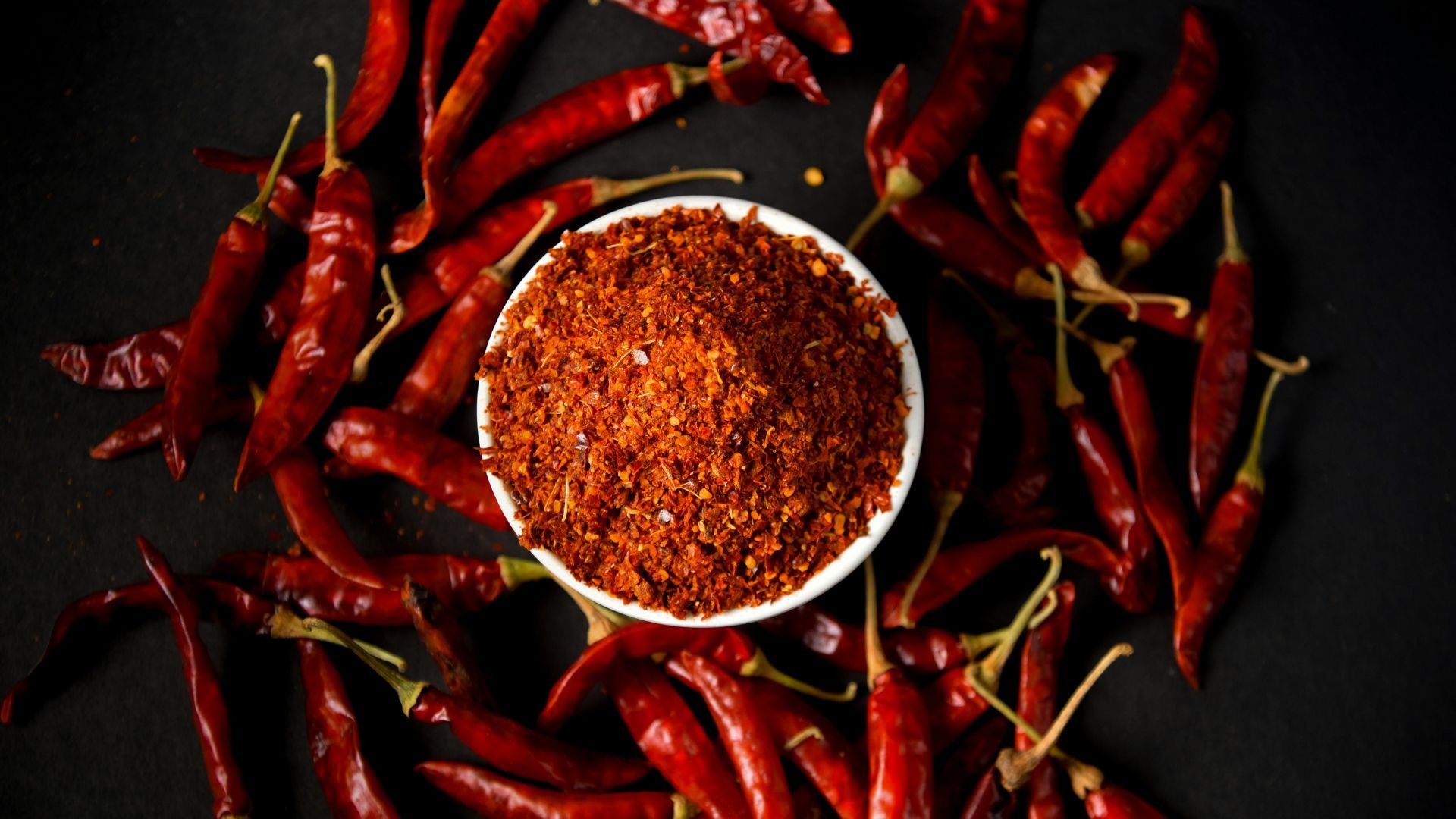
Sweet-and-spicy flavor combinations, commonly called “swicy,” have become one of the defining taste trends of 2026.
The trend exploded because customers increasingly crave layered, high-impact flavors rather than simple sweetness or straightforward heat. Swicy foods create contrast and complexity, which makes them feel more memorable and more addictive than one-dimensional flavors.
Hot honey may be the most recognizable example, but the movement goes far beyond a single condiment. Restaurants are heavily experimenting with:
Gochujang in particular has become one of the most influential ingredients across fast-casual and modern comfort food menus because it delivers sweetness, heat, fermentation, and umami simultaneously.
Restaurants also continue blending floral notes like lavender, hibiscus, jasmine, and rose into desserts and beverages to create more distinctive flavor profiles that stand out visually and socially online.
For operators, swicy flavors are especially valuable because they encourage repeat orders. The lingering heat combined with sweetness creates a sensory experience customers tend to remember and actively seek out again.
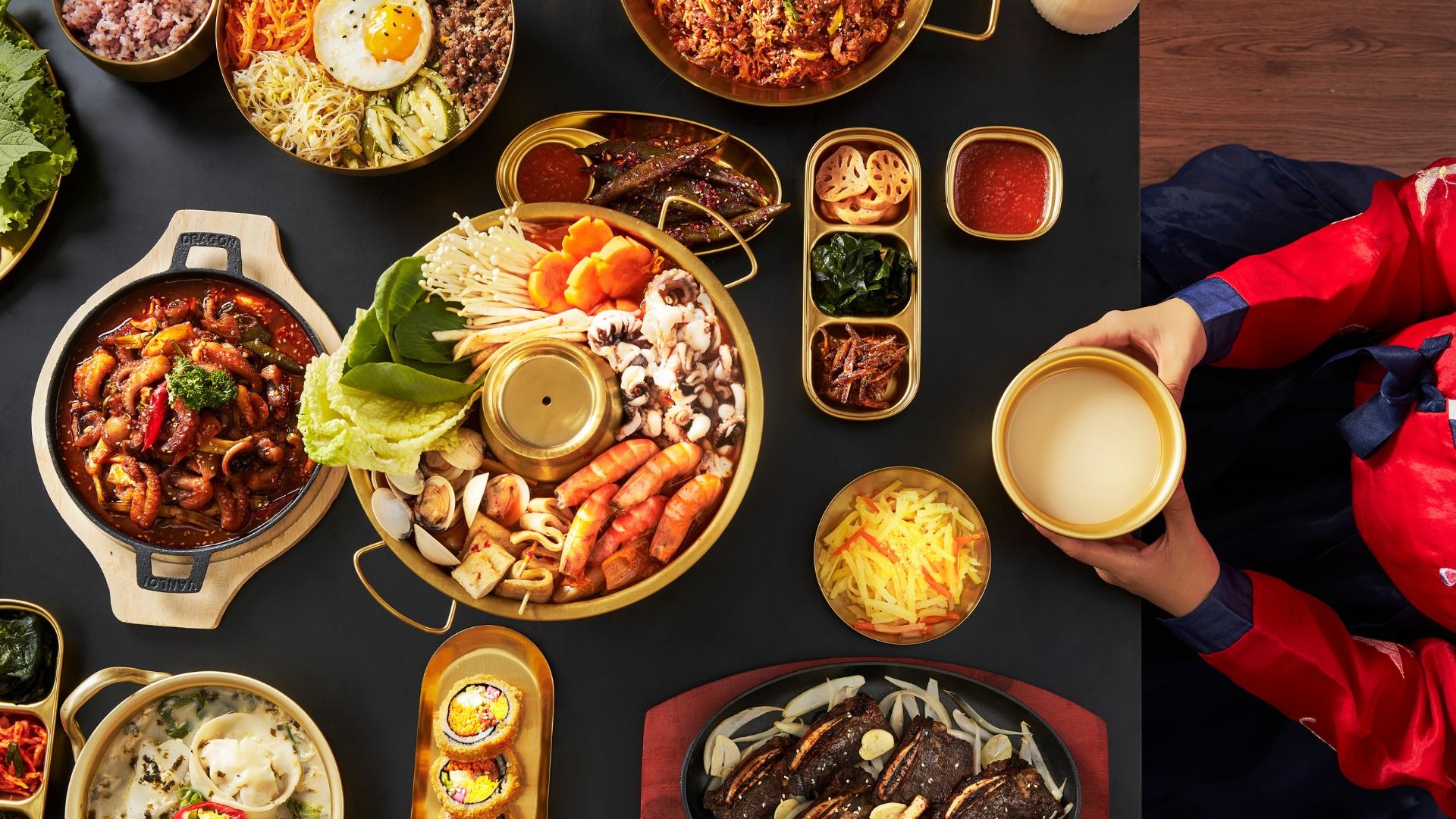
Korean cuisine has spent years building global cultural momentum through K-pop, Korean dramas, beauty culture, and social media. In 2026, that influence has firmly crossed into mainstream restaurant dining.
Importantly, customers are no longer looking only for “Korean-inspired” fusion dishes. They are increasingly interested in authentic preparation styles, traditional street foods, and regional Korean flavors presented more accurately.
Dishes and formats seeing major growth include:
Part of Korean cuisine’s appeal comes from how naturally it aligns with multiple modern food trends at once. It combines:
The Korean flavor toolkit, especially ingredients like gochujang, kimchi, sesame, chili oil, and fermented sauces, works extremely well across burgers, bowls, sandwiches, noodles, and street-food-inspired formats outside traditional Korean restaurants too.
Amid economic uncertainty and general fatigue with overly conceptual dining, customers are gravitating back toward comfort food. But they still want those familiar dishes to feel premium enough to justify dining out or ordering delivery.
That balance is driving the rise of “elevated comfort food,” where restaurants upgrade nostalgic classics using better ingredients, stronger presentation, global influences, and more layered flavor development.
Examples appearing across menus include:
What works especially well about this category is that customers already understand the emotional appeal of the dish before ordering it. Familiarity lowers the risk of trying something new, while upgraded execution creates the feeling of novelty and indulgence at the same time.
Consumers have become much more flavor-literate over the last few years. Diners increasingly look for depth, complexity, and layered savory flavor rather than simply prioritizing richness or sweetness alone.
That shift is pushing fermentation and umami-forward ingredients deeper into restaurant menus across both fine dining and casual concepts.
Ingredients seeing strong growth include:
Garum, an ancient fermented fish condiment, is making a notable comeback because chefs use it to create savory depth in sauces, marinades, and broths that would otherwise require much heavier seasoning.
At the same time, restaurants are experimenting with sweet-and-umami pairings that feel unexpected but highly memorable, such as:
The broader trend here is not simply fermentation itself. It is the growing customer preference for food that feels more layered, intentional, and flavor-driven overall.
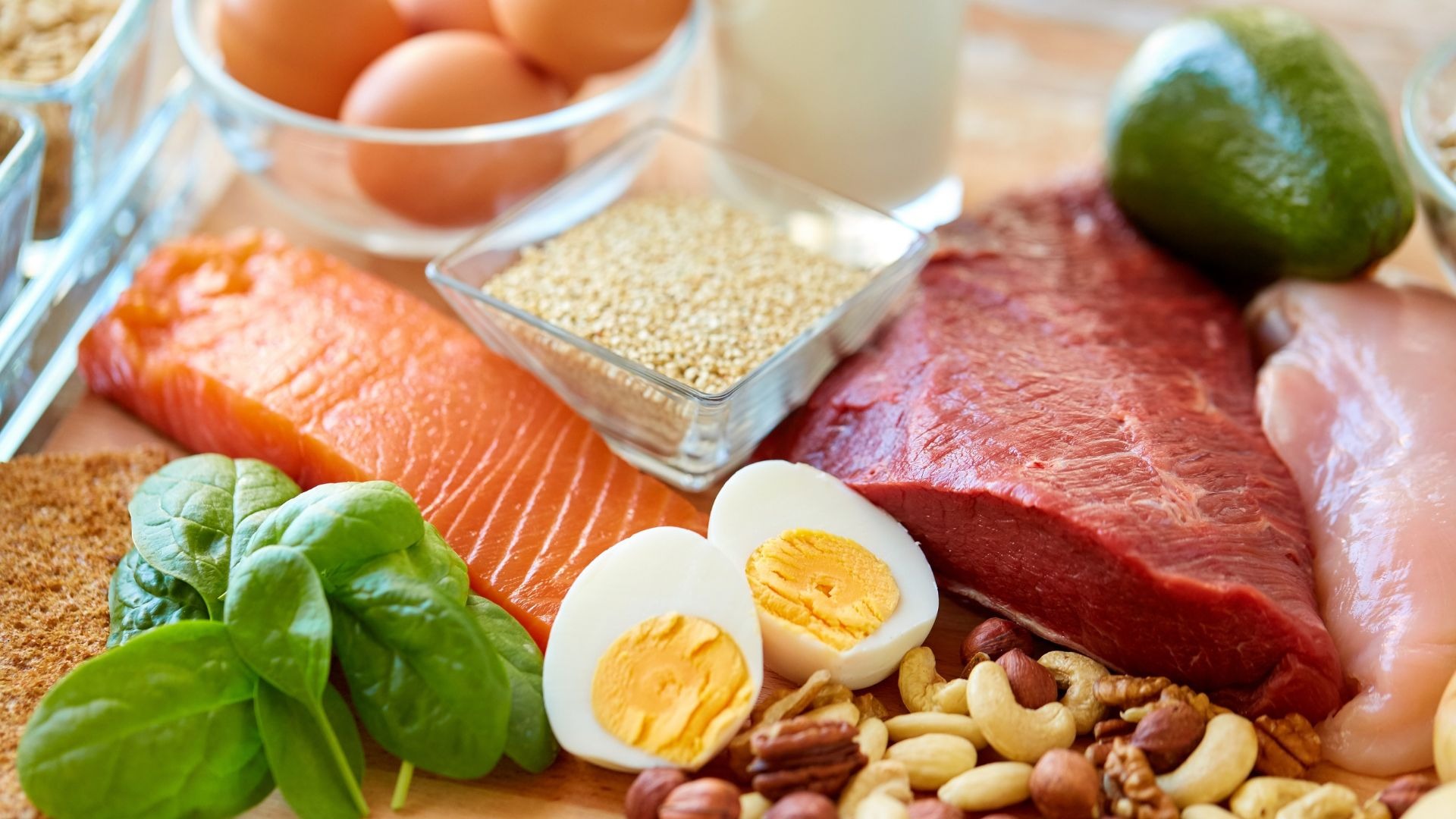
Plant-forward dining is evolving away from heavily processed meat alternatives and toward whole-food ingredients that feel simpler, fresher, and more natural.
Consumers still want to reduce meat consumption, but many are experiencing fatigue around ultra-processed plant-based substitutes. As a result, restaurants are increasingly focusing on mushrooms, lentils, legumes, tofu, grains, and vegetable-forward proteins instead.
Mushrooms especially have become one of the standout ingredients of 2026 because they combine:
Restaurants are using mushrooms across burgers, tacos, bowls, noodles, pizzas, and blended meat dishes where they add flavor and texture naturally instead of trying to perfectly imitate meat.
Texture has become one of the strongest social-media-driven food trends in recent years. Customers increasingly associate crunchy, crispy, gooey, airy, layered, and chewy textures with food that feels more indulgent and satisfying.
This shift is influencing:
Texture also performs extremely well visually online. Crispy coatings, cheese pulls, crunchy toppings, layered pastries, and airy desserts all create strong visual engagement across TikTok and Instagram content.
Restaurants now design many dishes intentionally around sensory contrast because texture often drives emotional response just as strongly as flavor itself.
Alcohol consumption continues declining among younger consumers, especially Gen Z, and restaurants are adapting beverage menus accordingly.
Many customers now want drinks that feel social, elevated, and experience-driven without necessarily including alcohol. This has created major growth in:
Restaurants are also rethinking happy hour culture itself. Instead of centering promotions entirely around alcohol, operators increasingly include:
The biggest opportunity is not simply adding one or two mocktails. Restaurants building thoughtful non-alcoholic beverage programs with the same creativity as cocktail menus are seeing stronger engagement and higher beverage spending from sober-curious diners.
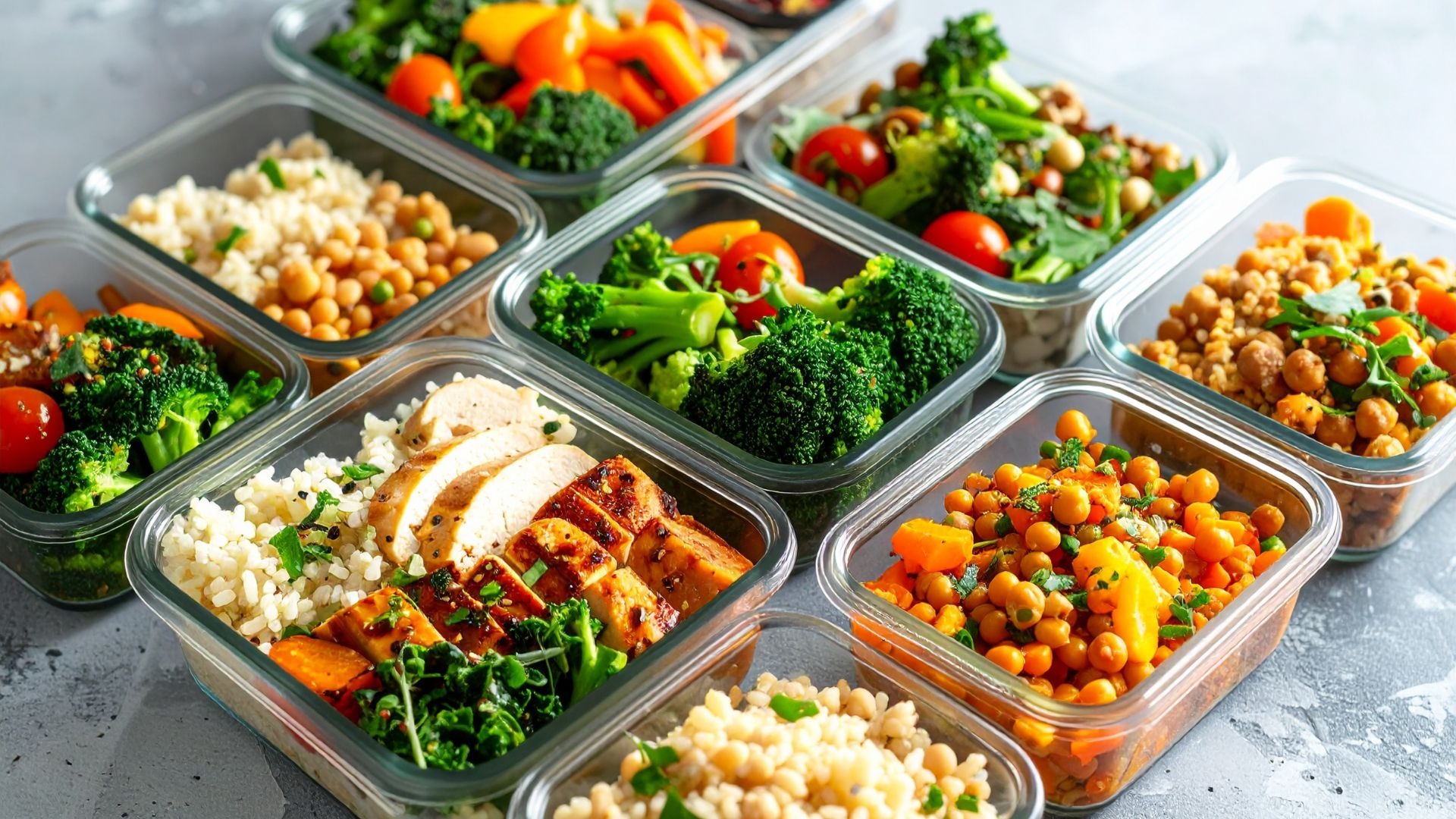
Consumers still prioritize convenience, but expectations around convenience food have changed dramatically.
Customers increasingly want:
At the same time, there is a growing “back-to-basics” movement where consumers cook more intentionally at home to avoid overly processed foods. Restaurants are responding by creating hybrid convenience experiences that feel fresher and more personalized than traditional fast food.
Prepared meal subscriptions, premium grab-and-go offerings, healthier family bundles, and digitally optimized ordering experiences are all growing because customers want food that fits modern lifestyles without sacrificing quality or transparency.
The biggest shift is that convenience itself is becoming more premium. Fast no longer automatically means cheap or low quality. Customers increasingly expect convenience and elevated dining standards to exist together.
Behind all of these individual trends is a much larger shift in how consumers approach food overall.
Food trends in 2026 are evolving much faster than traditional restaurant menu cycles. A single viral ingredient, drink, or flavor combination can move from TikTok videos to chain restaurant menus and grocery shelves within months.
But the biggest shift is not just speed. Consumer priorities themselves are changing.
Customers are becoming far more intentional about what they eat, why they eat it, and how food fits into their lifestyle. Instead of chasing novelty alone, many consumers now look for combinations of:
This is creating a food landscape where trends are no longer isolated to fine dining or niche foodie culture. They now influence quick-service restaurants, cafés, grocery products, meal kits, delivery apps, and even home cooking habits simultaneously.
Several major factors are driving this shift in 2026.
In 2026, food trends are no longer shaped only by chefs or food critics. They are increasingly driven by online culture, wellness behavior, customer convenience expectations, and how quickly restaurants can adapt operationally.
Also read: Restaurant Seasonality: Reduce Demand Swings & Protect Margins in 2026
As food trends move faster and customer expectations evolve more rapidly, restaurants also need systems that help them adapt operationally without slowing down service.
Food trends move faster now than most traditional restaurant systems were designed to handle.
For restaurants, the challenge is not only creating trend-driven menu items. It is updating menus quickly, promoting them properly, and keeping the ordering experience smooth while demand shifts.
That is where operational flexibility matters.
iOrders helps restaurants respond to changing food trends more efficiently by simplifying how menus, promotions, and digital ordering experiences are managed across customer touchpoints.
Also read: 10 Major Trends Driving the Future of Online Food Delivery
For restaurants, adapting successfully is no longer only about adding trendy menu items. It is about staying flexible enough to respond quickly without disrupting operations behind the scenes.
That’s where iOrders helps restaurants stay ahead. From faster menu updates and QR ordering to smoother digital ordering experiences and better visibility for limited-time offers, iOrders helps restaurants adapt to changing customer demand without creating operational complexity.
Book a demo with iOrders to see how your restaurant can adapt faster to changing food trends while keeping ordering, promotions, and customer experiences running smoothly across every channel.
.webp)
1. How long do food trends usually last in the restaurant industry?
Some trends disappear within months, while others evolve into long-term menu categories. Trends connected to convenience, wellness, or customer lifestyle shifts usually last much longer than purely viral items.
2. Why are limited-time offers becoming more common in restaurants?
Restaurants use limited-time offers to test customer demand, create urgency, respond to seasonal trends, and keep menus feeling fresh without permanently expanding operations.
3. How do restaurants identify emerging food trends early?
Many restaurants track social media behavior, customer ordering patterns, creator content, delivery app data, and regional dining trends to spot rising demand before trends become saturated.
4. Why are customers becoming more interested in ingredient transparency?
Consumers increasingly want to know where ingredients come from, how food is prepared, and whether products feel natural, minimally processed, or nutritionally balanced.
5. Are viral food trends actually profitable for restaurants?
They can be, but only when restaurants can execute them operationally without slowing down service, increasing waste, or overcomplicating kitchen workflows.