Book a free demo
Oops! Something went wrong while submitting the form.
May 7, 2026
Modern restaurants operate in an environment where speed and accuracy directly impact revenue. Customers no longer wait for slow confirmations or manual order handling. They expect instant ordering, smooth payments, and reliable service every time.
At the same time, restaurants that still depend on manual ordering often face missed tickets, delayed communication, and operational confusion during peak hours. These issues quietly reduce efficiency and customer satisfaction.
Online food ordering systems solve these challenges by digitizing the entire ordering journey. From browsing menus to payment and kitchen coordination, everything is managed through a single connected workflow.
It is observed that digital ordering systems can reduce order errors and improve service speed during peak demand periods. This makes them a critical part of modern restaurant operations rather than just a convenience tool.
In this blog, we’ll break down how online food ordering systems work, their core functions, and how they improve both operational efficiency and customer experience.
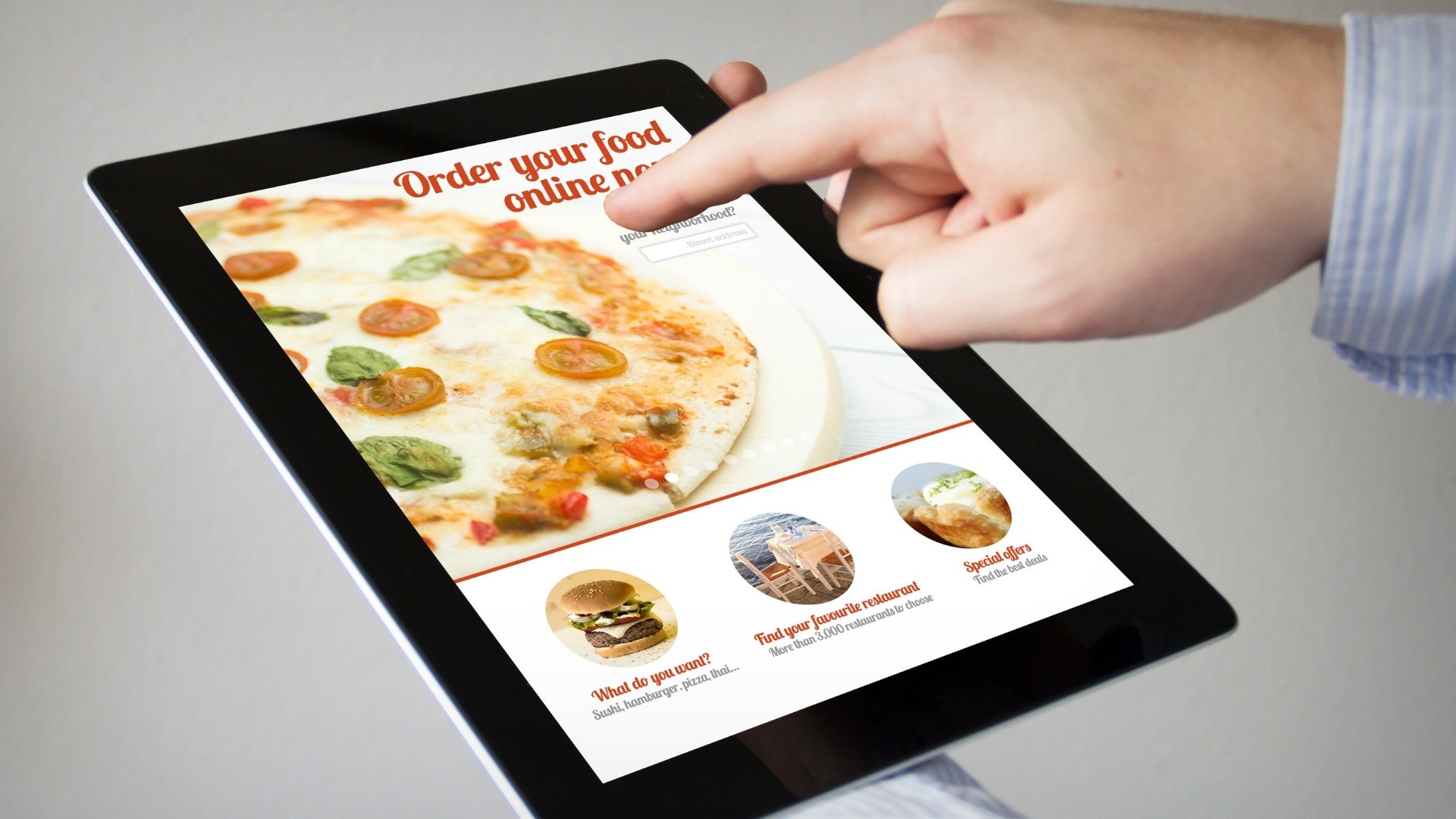
Online food ordering system functions include all the core capabilities that help a restaurant accept, manage, and deliver orders smoothly. This is not limited to taking orders. It also includes how menus are controlled, how payments are processed, how deliveries are handled, and how customers are engaged throughout the journey.
Since a significant share of orders now comes through digital channels, even small improvements in these functions can directly impact conversions, order accuracy, and repeat business. Instead of treating the system as a basic tool, it should be seen as a structured setup that can be optimized for performance.
To understand how these functions contribute to operations, it helps to break them into key components:
When these areas are clearly understood, it becomes easier to improve efficiency and reduce friction in the ordering process. The goal is not just to process more orders, but to ensure every order is handled smoothly, accurately, and profitably.
Once the structure of these functions is clear, the next question is why many restaurants still struggle to manage them effectively in day-to-day operations.
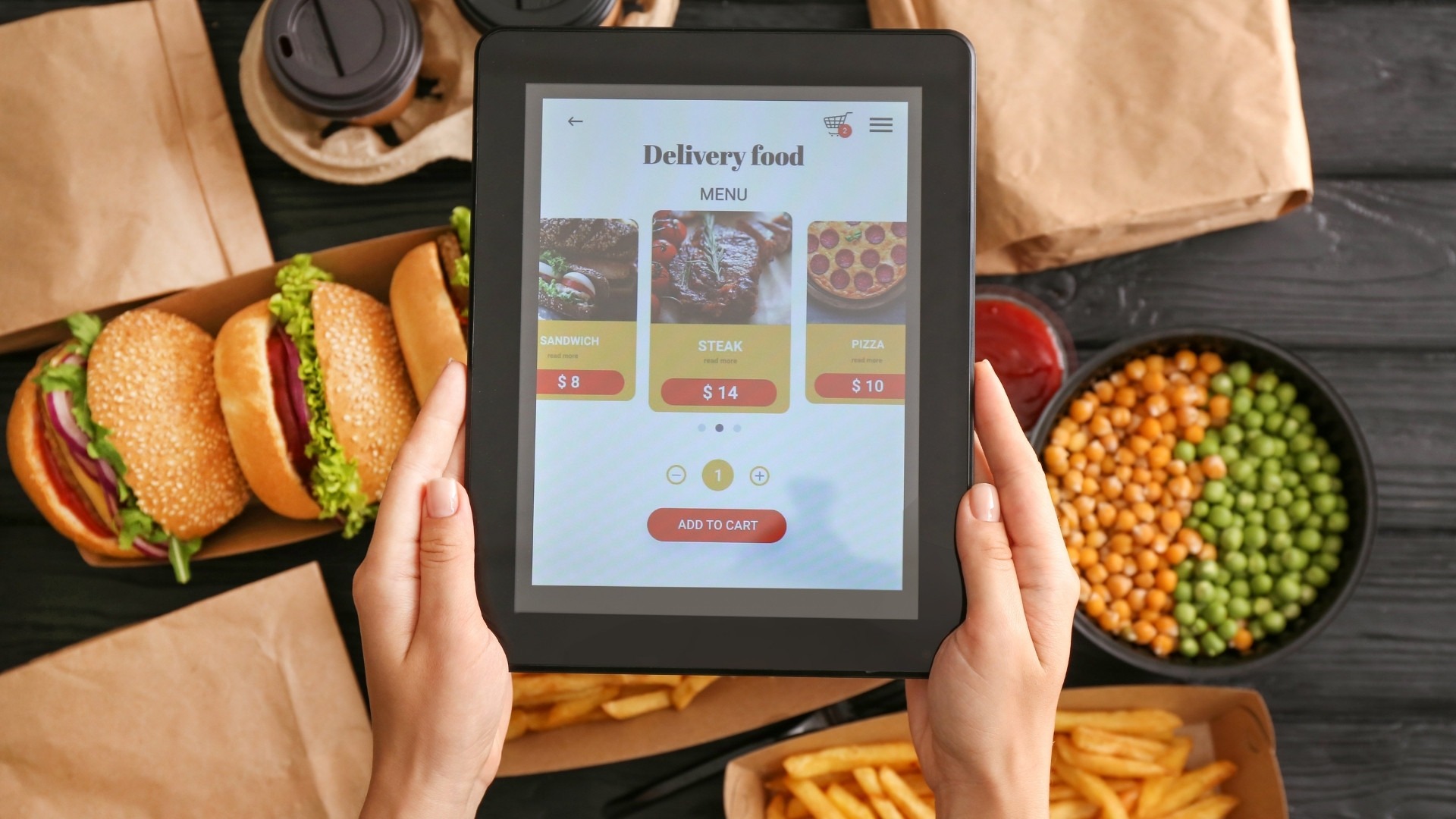
Online food ordering systems are designed to simplify restaurant operations by digitizing order intake, processing, and fulfillment. When these functions are structured correctly, they work together as a unified system. They improve order accuracy, speed up service, and give you full control over your customer experience.
Here’s a structured breakdown of the core functions and how they impact your restaurant:
The Restaurant Margin Playbook shows you how to build a direct ordering channel, own your customer relationships, and reclaim the margins delivery platforms are quietly taking.
Download the eBook →.png)
The first interaction customers have with your system is through your menu and ordering flow. This stage directly affects conversion rates and order volume.
How it helps: A well-structured digital menu reduces confusion, speeds up decisions, and increases completed orders.
What to focus on:
A smooth ordering experience at this stage sets the foundation for higher conversions and better customer satisfaction.
Customers expect flexibility when placing orders, especially for dietary preferences and add-ons.
How it helps: Customization reduces order errors and improves customer satisfaction by ensuring accuracy before checkout.
What to focus on:
When customers can fully control their orders, it reduces mistakes and improves operational efficiency.
Payment is one of the most critical steps in the ordering journey. Any friction here leads to lost revenue.
How it helps: Fast and secure payments improve checkout completion rates and reduce abandoned orders.
What to focus on:
A frictionless payment process ensures that completed orders translate directly into revenue.
Even the most advanced system fails if customers find it difficult to use.
How it helps: A simple and intuitive interface increases order frequency and reduces drop-offs.
What to focus on:
A well-designed interface ensures customers return because the experience feels effortless.
Customer data is one of the most valuable assets for any restaurant.
How it helps: Personalization increases repeat orders by tailoring the experience to individual preferences.
What to focus on:
When customers feel recognized, they are more likely to return and order more frequently.
A clear view of online food ordering system functions shows how restaurants can manage ordering, payments, and customer engagement through one connected platform while improving online visibility. With platforms like iOrders, you can handle updates, simplify daily workflows, and manage operations from a single dashboard, reducing manual effort and improving efficiency.
Once an order is placed, speed and accuracy depend on how efficiently it reaches your kitchen.
How it helps: Automated backend systems eliminate manual errors and improve kitchen coordination.
What to focus on:
A strong backend system ensures that front-end efficiency translates into operational excellence.
Visibility into order status improves both staff coordination and customer trust.
How it helps: Real-time tracking reduces uncertainty and improves overall service transparency.
What to focus on:
Clear visibility reduces confusion and creates a more reliable experience.
Handling multiple order types requires a system that can manage complexity without adding operational stress.
How it helps: Centralized fulfillment improves efficiency across dine-in, pickup, and delivery.
What to focus on:
A structured fulfillment system ensures consistency, even during peak hours.
Modern restaurants need systems that can grow with demand without breaking down.
How it helps: Cloud-based systems ensure performance, flexibility, and long-term scalability.
What to focus on:
Cloud infrastructure allows restaurants to scale operations without operational complexity.
Every restaurant operates differently, so systems must adapt to specific needs.
How it helps: Integration ensures all systems work together, while customization supports brand identity.
What to focus on:
A flexible system ensures long-term usability and alignment with your business goals.
When these core functions are implemented correctly, your online ordering system becomes more than just a digital tool. It becomes a complete operational engine that improves efficiency, reduces errors, and drives consistent growth.
Also Read: Understanding Digital Customer Engagement Platforms for Restaurants
Online ordering systems rarely break because of one major issue. Most challenges come from small gaps between functions that are not properly connected. When systems are not structured, even restaurants with steady demand face operational inefficiencies.
Here are the most common reasons why managing these functions becomes difficult:
These challenges do more than affect operations. They impact customer satisfaction, reduce efficiency, and limit overall revenue potential.
Also Read: Restaurant Loyalty Program Trends and Statistics
When these gaps are addressed with better integration, real-time control, and structured workflows, your online ordering system becomes more reliable, scalable, and capable of driving consistent growth.

Instead of relying on multiple third-party platforms, iOrders brings everything into one unified system. This allows restaurants to manage orders, delivery, and customer engagement in a more structured and profitable way.
Here’s how it supports day-to-day operations:
Restaurants using iOrders have achieved up to a 288% increase in active customers, showing how structured online ordering systems can significantly improve growth, efficiency, and long-term profitability.
Online food ordering systems have become a core part of modern restaurant operations. They simplify ordering, improve accuracy, and ensure faster service across all channels.
From menu browsing to backend processing and delivery coordination, every function works together to create a smoother and more efficient restaurant workflow.
With platforms like iOrders, restaurants can move beyond basic digital ordering and build a fully connected system that improves revenue, reduces manual work, and enhances customer experience.
Book a free demo with iOrders today to see how you can streamline your restaurant operations and grow direct orders.
.webp)
1. What are the main functions of an online food ordering system?
The main functions include menu management, order processing, payment handling, delivery coordination, customer data tracking, and real-time notifications. Together, these ensure a smooth ordering experience from selection to delivery.
2. How does an online food ordering system work?
It allows customers to browse a digital menu, place orders, make payments, and track delivery. On the restaurant side, orders are received in a centralized system where they are processed, prepared, and dispatched.
3. Why is menu management important in an online ordering system?
Menu management ensures that pricing, availability, and items are always accurate. This reduces order errors, prevents cancellations, and improves customer trust.
4. What role does payment integration play in online food ordering?
Payment integration enables secure and fast transactions through multiple methods like UPI, cards, and wallets. It reduces failed payments and ensures higher order completion rates.
5. How does an online ordering system improve restaurant efficiency?
It automates order taking, reduces manual errors, centralizes operations, and improves coordination between kitchen and delivery, leading to faster service and better accuracy.
6. What features help increase online food orders?
Features like easy navigation, quick checkout, real-time tracking, personalized offers, and responsive customer communication help improve conversions and repeat orders.
7. Can online food ordering systems help with customer retention?
Yes, they track customer preferences and order history, allowing restaurants to offer personalized deals, loyalty rewards, and targeted promotions that encourage repeat business.
8. How do analytics and reports help in online ordering systems?
Analytics provide insights into sales trends, popular items, and customer behavior. This helps restaurants optimize menus, pricing, and marketing strategies for better performance.