Every successful restaurant isn’t just about good food; it’s about knowing the people who walk through the door. Customer insights give restaurants the power to uncover what diners truly crave, when they prefer to eat, and what keeps them coming back.
From reshaping menus to refining marketing and service strategies, these insights turn everyday data into real growth opportunities.
This blog explores how restaurants can use customer insights to boost sales, elevate experiences, and stay ahead in an ever-changing dining landscape.
Key Takeaways
Prioritize Data Integration: Integrating restaurant customer insights into your daily operations is the most strategic move a restaurant can make today.
Personalization is Mandatory: Use purchase history, visit frequency, and preference data to tailor marketing and menu suggestions for individual guests.
Technology is the Foundation: Platforms likeiOrders are essential for integrating sales data, loyalty activity, and customer communication into one actionable view.
Feedback Drives Retention: Proactively soliciting and responding to customer feedback, both positive and negative, is crucial for improving the dining experience and encouraging repeat business.
Understanding the Power of Customer Insights
Customer insights are the answers to critical business questions: Who is my most valuable customer? Which menu item has the highest profit? Why are customers choosing my competitor for delivery?
These insights are crucial because consumers are receptive to personalization. Research shows that 96% of consumers are receptive to personalized messages. When customers feel seen and understood, they are more likely to return and spend more.
Modern restaurant technology is the primary engine for collecting this data. Platforms like iOrders seamlessly track individual ordering history, visit frequency, and average check size, transforming every transaction into an actionable data point.
Strategies for Growth Using Customer Insights
Once you've collected the data, the focus shifts to strategic application to directly impact the bottom line.
A. Optimizing Menu Offerings for Profit
The menu is the heart of your revenue, and insights are the key to its optimization.
Identify Popular & Underperforming Dishes: Analyze sales data to pinpoint high-profit, high-popularity items and those that consistently undersell. If a specific gourmet dish generates rave reviews, promote it heavily. If an item is consistently unpopular, remove it or reduce its ingredients to cut food waste and free up kitchen resources.
Customizing Based on Preferences: Use data to spot trends. If a significant segment of your customer base consistently opts for gluten-free modifications, feature new gluten-free alternatives prominently. Personalizing the menu this way ensures customers see what they are most likely to buy.
B. Enhancing Marketing Efforts with Personalization
Generic promotions are expensive and ineffective. Restaurant customer insights allow for targeted marketing that drives higher conversion.
Target Slow Periods: Data can reveal your slowest days (e.g., Monday lunch). Launch a targeted campaign like a special discount or a limited-time offer, specifically advertised to your most loyal customers during those hours to fill seats and boost sales velocity.
Personalized Promotions: Use the customer’s ordering history to send highly relevant offers. If a customer frequently orders burgers, send them a promotion for a new burger special.
Improving Customer Experience and Loyalty
A positive guest experience directly correlates with repeat business and higher customer lifetime value (CLV).
A. Digital Experience and Ordering Flow
The online experience is paramount, given the continued growth in digital ordering.
Tailored Digital Menus: Systems like iOrders can leverage a customer's purchase history to display their "Favorites" or "Re-order Last Meal" options immediately upon login. This small personalization reduces friction, making re-ordering quick and encouraging them to spend more time and money on your platform.
Anticipate Needs: Track which digital channels customers prefer (app, website, kiosk) and optimize those flows. If customers consistently use your mobile app, ensure the mobile ordering process is seamless and promotes upsells effectively.
B. Collecting and Analyzing Data with Restaurant Technology
A unified view of your customer whether they dine in or order takeout, is achieved through integrated technology.
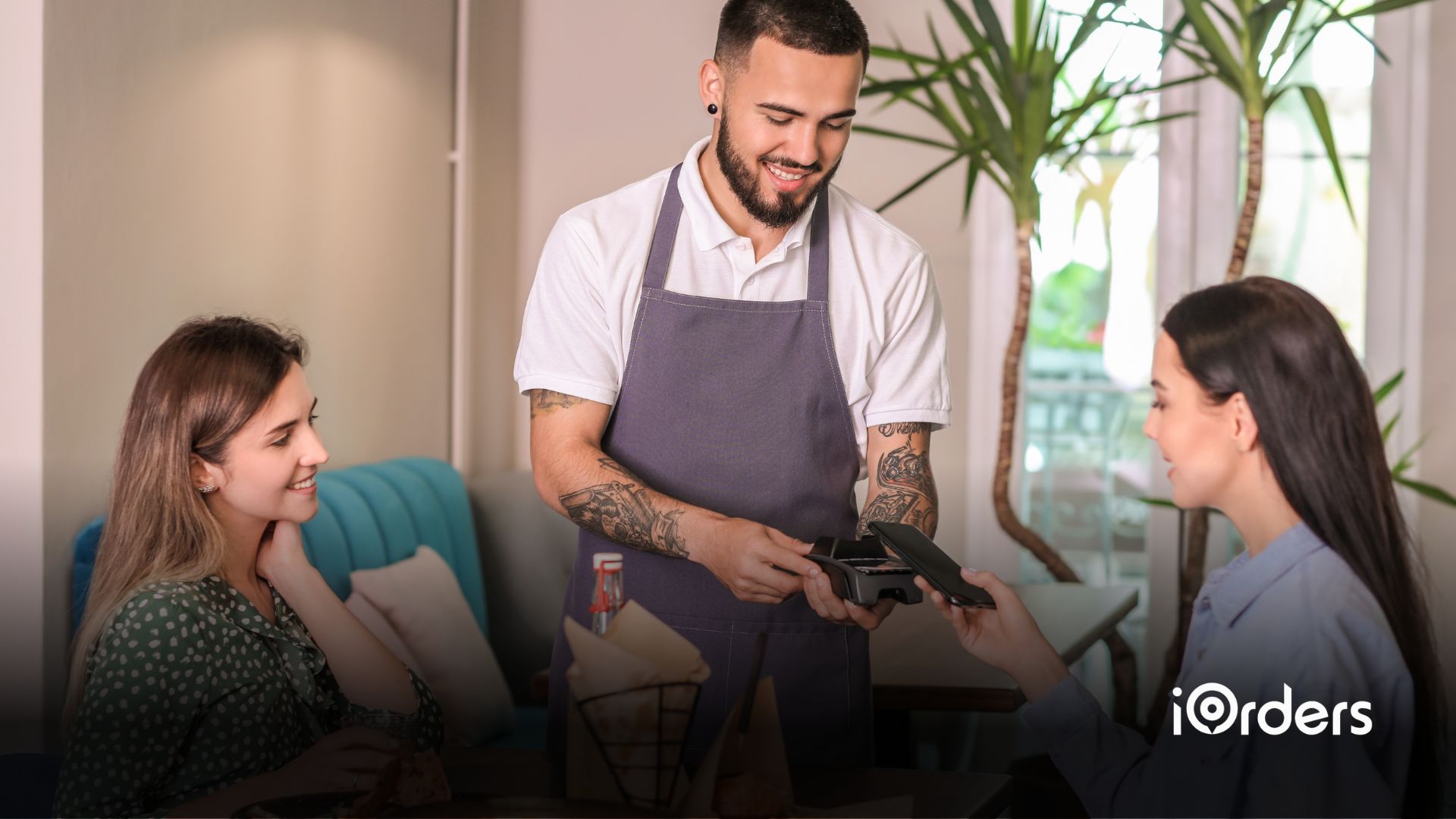
POS Systems (The Data Hub): Your Point-of-Sale (POS) system should be the central hub, tracking every transaction, time stamp, and customer ID. Modern POS solutions like those offered by iOrders provide built-in analytics that track sales trends, item popularity, and repeat visits.
Loyalty Programs: Loyalty programs are powerful data collectors. By implementing a rewards system, you gain explicit consent and clear data on your most frequent and highest-spending guests, allowing you to refine your overall restaurant customer insights.
Surveys and Interviews: Use qualitative methods like short post-order surveys or exit interviews to ask why customers chose you or what they would change. Offering a small reward, like a free beverage, can boost participation
Operational Efficiencies Driven by Insights
Customer behavior data moves beyond marketing and directly impacts the efficiency of your operations, turning insights into cost savings.
Inventory Optimization and Waste Reduction: By analyzing which specific ingredients are tied to your most popular dishes (and the volume fluctuations based on day of the week or season), your restaurant can implement Just-In-Time (JIT) inventory. This reduces spoilage and cuts food cost by ensuring you only stock what you are statistically certain to sell.
Accurate Forecasting and Staffing: Restaurant customer insights reveal predictable peak hours and days for both dine-in and delivery. Using this historical data, you can staff your front-of-house and kitchen teams optimally, preventing overstaffing (wasted labor cost) or understaffing (poor service leading to lost sales).
Handling Customer Feedback
Customer feedback, good or bad, is gold. It’s a direct indicator of where your operations are succeeding and where they are failing.
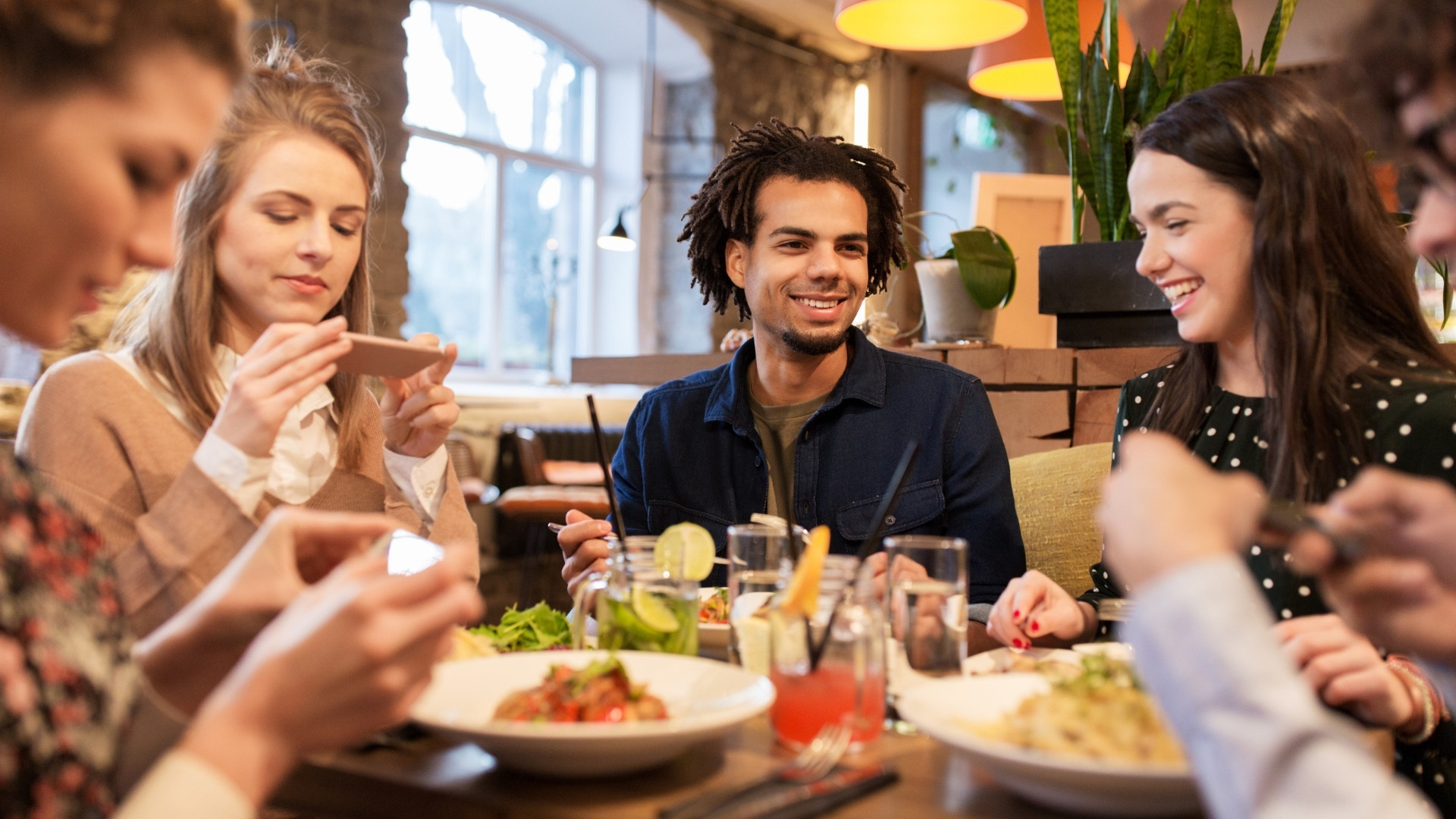
Monitor All Channels: Implement systems to monitor and aggregate feedback from all sources: online review platforms (Yelp, Google, TripAdvisor), social media mentions, and internal digital surveys.
Respond Promptly and Professionally: Timely responses demonstrate that you care about your guests' experiences. Address both positive and negative comments. For negative reviews, apologize, acknowledge the specific issue, and offer a resolution offline to show you are willing to go the extra mile.
Close the Loop: Use the feedback to drive change. If multiple customers complain about long wait times on a Saturday, use that insight to adjust staffing or kitchen workflows. Consistently engaging with reviews helps build trust with current and potential guests, which is a key component to driving repeat orders.
Conclusion
The integration of restaurant customer insights into your daily operations is no longer optional, it is the most strategic move a restaurant can make today. By moving beyond simple guesswork and leveraging data on customer preferences, spending habits, and feedback, you gain the ability to hyper-personalize your marketing, strategically adjust your menu for maximum profit, and build lasting loyalty.
This commitment to data-driven decision-making ensures your growth is both predictable and sustainable.
Q1. What exactly are restaurant customer insights?
Restaurant customer insights are data-driven findings about customer behavior, preferences, and motivations, derived from analyzing sales data, loyalty programs, online orders, and customer feedback. They tell you why customers make specific purchasing decisions.
Q2. How can I use customer insights to increase my average order value (AOV)?
Use insights to create personalized recommendations during the ordering process. If a customer frequently orders a certain entrée, recommend a popular, high-margin appetizer or dessert that historically pairs well with it.
Q3. Which types of customer data are the most valuable for boosting sales?
The most valuable data points include Purchase History (what they ordered), Visit Frequency (how often they come), and Customer Lifetime Value (CLV). These metrics directly inform profitable, personalized marketing strategies.
Q4. Should my restaurant respond to every online review?
Yes. Responding to both positive and negative reviews shows customers you value their experience and are committed to improvement. Consumers are 41% more likely to use a business that responds to all of its reviews than one that doesn't.
Q5. How does a POS system like iOrders help collect customer data?
Modern POS systems are the central hub. iOrders links a transaction to a specific customer profile (often through loyalty programs or digital orders), tracking sales trends, item popularity, and repeat customer rates, making the data actionable.
Q6. How often should a restaurant analyze its customer insights?
Sales and menu performance insights should be reviewed weekly to quickly spot trends and adjust promotions or inventory. Broader customer segmentation and loyalty program data should be reviewed monthly or quarterly to refine long-term marketing strategies.
Q7. Can I gather customer insights from social media?
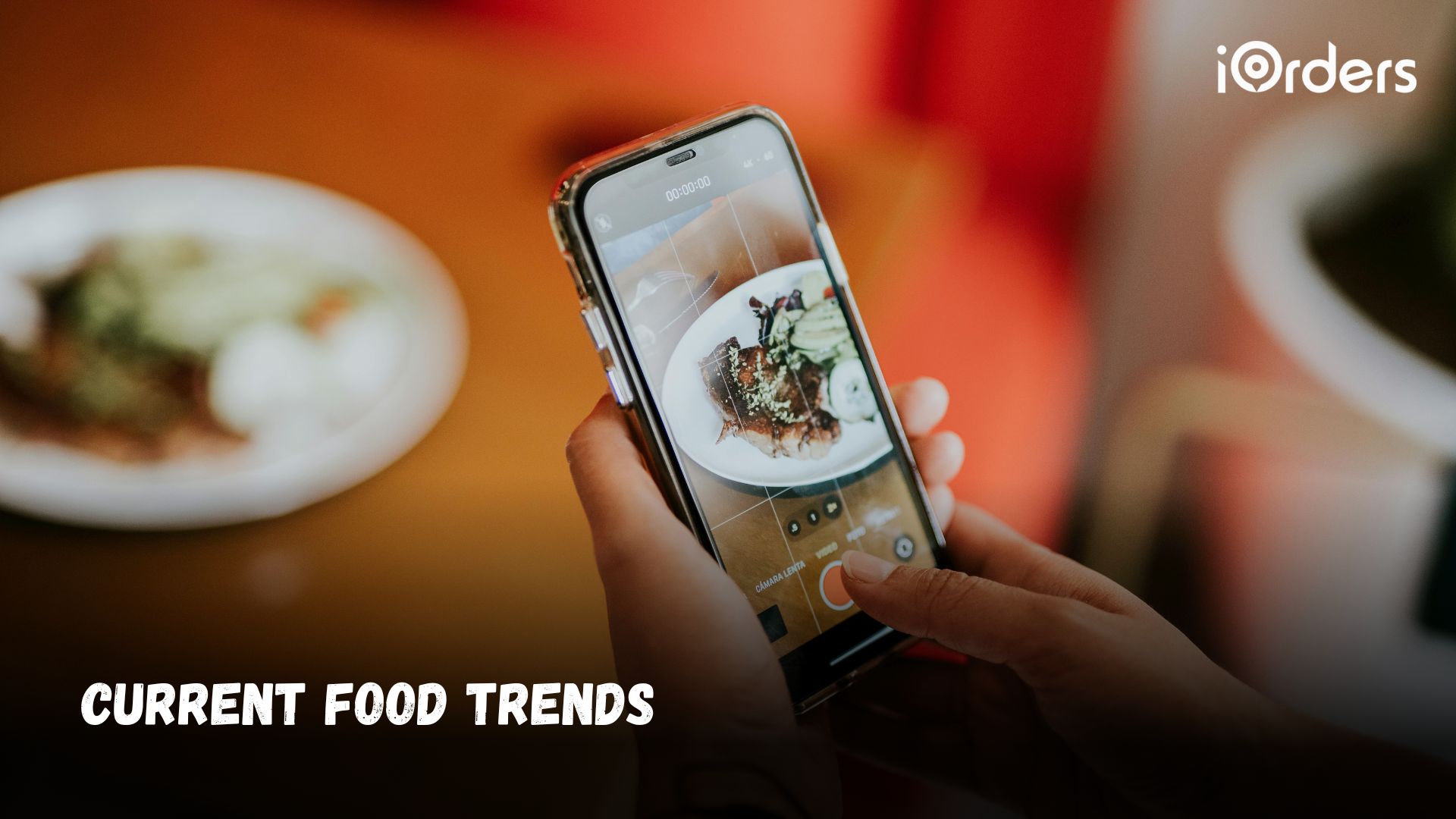
Yes. Monitoring social media mentions, branded hashtags, and comments allows you to collect qualitative feedback and gauge public sentiment about specific dishes, service, or ambiance, which adds context to your quantitative sales data.




.png)