February 2, 2026
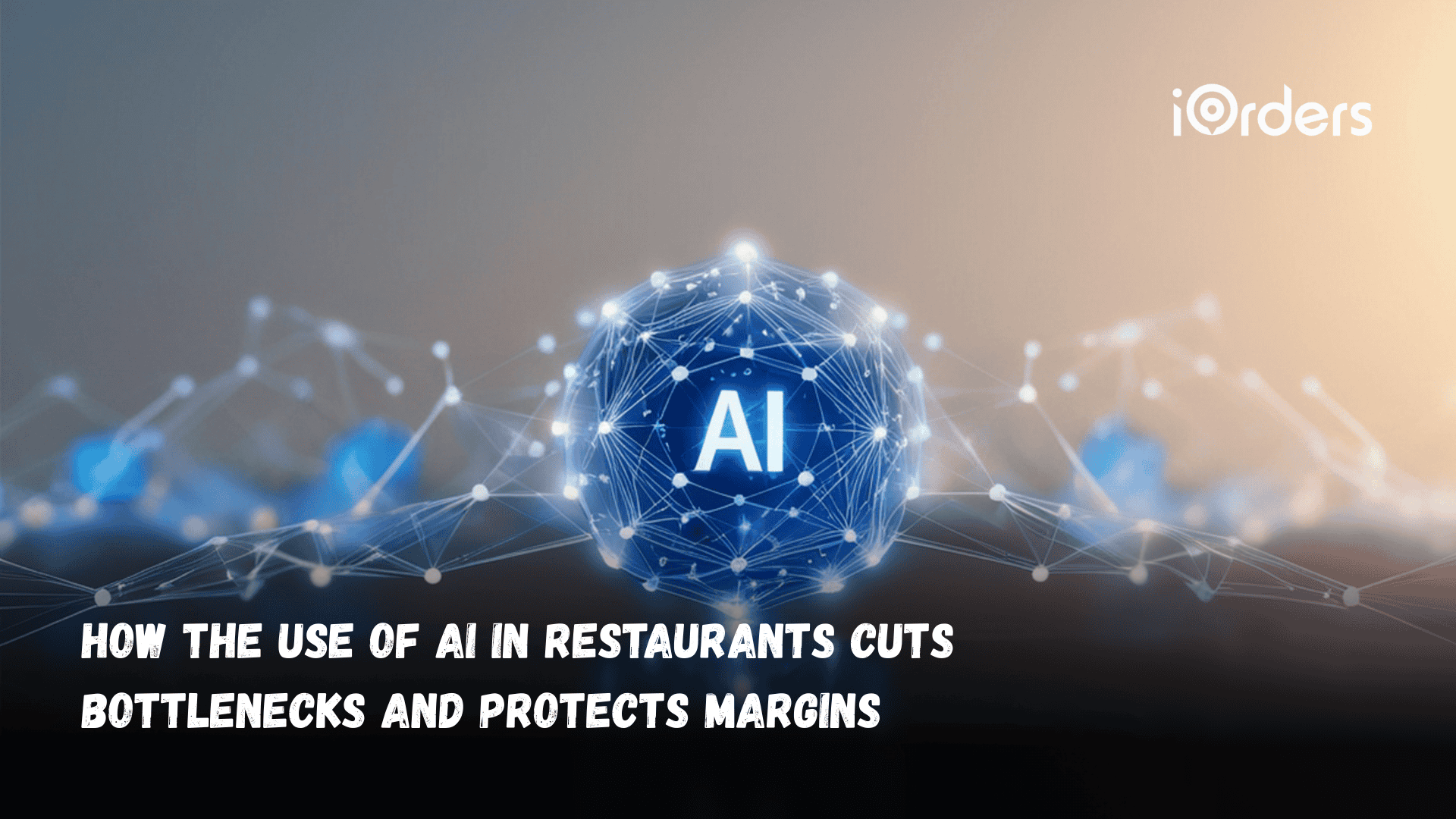
Your team may change, your menu may evolve, but one station or another always ends up becoming the bottleneck during peak service. At moments like these, AI enters the conversation as a fix for those small inefficiencies. The real question, however, is how it fits into the everyday rhythm of running your restaurant.
It fits by strengthening the decisions you already make each day, how much to prep, how to schedule, which station needs reinforcement, and when online demand might collide with dine-in volume. AI surfaces these signals at the right time, helping service stay more predictable and less reactive.
In this blog, you’ll find a practical walkthrough of where AI delivers meaningful impact and how you can apply it directly to your restaurant operations.

Restaurant guests make decisions in minutes, and AI helps you understand those moments with far more clarity. It can recognize what a repeat guest is likely to order, pinpoint the right time to recommend an add-on, or alert when patterns suggest a customer may ask for customizations.
These insights help to build the kind of experience that feels personal, timely, and effortless for the diner, while strengthening your revenue behind the scenes. Here are the key ways AI supports that balance between stronger hospitality and healthier margins
To bring this into action, you can use a platform like iOrders that turns data and guest behavior signals into meaningful actions. It helps you understand what guests prefer, how they order, and when they engage, then uses those insights to deliver timely offers, personalize communication, and strengthen loyalty. Everything sits in one place, so your team can act quickly without juggling multiple tools.
Running a restaurant means juggling inventory, prep, staffing, and service, all at once. Small inefficiencies quickly add up. AI gives you clear visibility and foresight, helping predict ingredient usage, optimize staffing, and automate routine kitchen tasks.
For example, it can track which menu items are consistently overproduced and suggest adjustments, reducing leftover waste without impacting guest satisfaction. These insights turn data into actionable steps that save money, reduce waste, and keep daily operations running smoothly.
And once waste and prep are under control, the next big unlock is managing volume, both online and in-house, without overwhelming your team.
Even experienced teams can get stretched thin during peak hours, and small mistakes can cascade into bigger issues. AI helps restaurants handle this pressure by keeping orders organized, guiding workflows, and ensuring guests are served accurately and quickly.
For restaurants operating at scale, it means smoother service, fewer errors, and a kitchen that’s running in sync with the front of house, without adding extra stress to your team.
With smoother order and guest management in place, AI can also elevate the experience for multilingual diners.
A group of tourists walks in, where each has different language needs, and staff often spend extra time clarifying orders or explaining menu items. Restaurants near tourist hotspots face this challenge daily.
AI helps by translating menus and interpreting guest requests, so visitors are understood and served accurately. It can also flag accessibility needs, ensuring every guest feels welcome.
And once you’re ready to move from ideas to action, a clear roadmap makes all the difference.
Getting started with AI doesn’t require a major overhaul. A simple, phased approach keeps the learning curve low and ensures your team stays comfortable while your operations become more efficient.
Now that the path is clear, the question becomes: which AI platform can truly help you put this plan into motion?
Choosing the right AI platform can make a significant difference in your restaurant’s operations and guest experience. Focus on solutions that:
Instead of piecing together different tools or switching between multiple dashboards, iOrders brings forecasting, automation, loyalty, marketing, and guest-facing ordering tools into one unified system. You can follow the roadmap with far less frustration because everything, from online ordering to analytics to guest engagement, already works together.
It removes bottlenecks, reduces the mental load on staff, and gives restaurants the confidence to roll out AI step-by-step without adding complexity. In many ways, iOrders becomes the connective thread that makes your AI strategy feel not just doable, but surprisingly simple.
AI is helping restaurants make decisions that were once based on guesswork or rushed judgment. It can flag that your grill station will struggle during the dinner rush, predict that chicken tikka will sell faster than usual, or show which repeat guests are likely to order add-ons. With these insights, operators can prep the right quantities, adjust staffing, and suggest timely upsells, keeping service steady and protecting margins.
iOrders puts these AI-driven insights directly in your hands. You can manage orders, deliveries, and guest interactions from a single dashboard, respond quickly to demand shifts, and make data-backed decisions that improve both efficiency and guest satisfaction.
Connect with us to see how iOrders can help your restaurant use AI to make smarter decisions every day and turn insights into measurable results.
1. How much does it cost to start using AI in a restaurant?
The cost depends on the platform and the features you choose, but modern AI solutions are designed to integrate with your existing POS, online ordering, and delivery systems, so you don’t need to overhaul operations. Many restaurants start with a single module, like predictive prep or smart ordering, and scale as they see results.
2. Can AI help with menu planning and pricing decisions?
Yes. AI can analyze historical sales, peak hours, and item popularity to suggest menu adjustments and pricing strategies. This allows operators to highlight high-margin items, reduce slow-moving inventory, and plan specials based on data rather than guesswork.
3. Will AI replace my kitchen or front-of-house staff?
No. AI is designed to support your team, not replace it. It handles repetitive, data-heavy tasks, such as predicting demand, routing orders, or flagging potential bottlenecks, so your staff can focus on cooking, serving, and creating memorable guest experiences.
4. How quickly can a restaurant see results after implementing AI?
Results vary depending on the size of the restaurant and the features used. Many operators notice improvements in prep efficiency, staffing accuracy, and order management within the first few weeks. Platforms like iOrders provide dashboards and actionable insights that make it easier to measure progress in real time.
5. Is AI useful for smaller restaurants or only large operations?
AI is beneficial for restaurants of all sizes. Even smaller or single-location restaurants can use AI to predict busy periods, reduce food waste, improve guest communication, and streamline delivery and takeout orders, helping owners make smarter decisions without increasing staff workload.