March 4, 2026
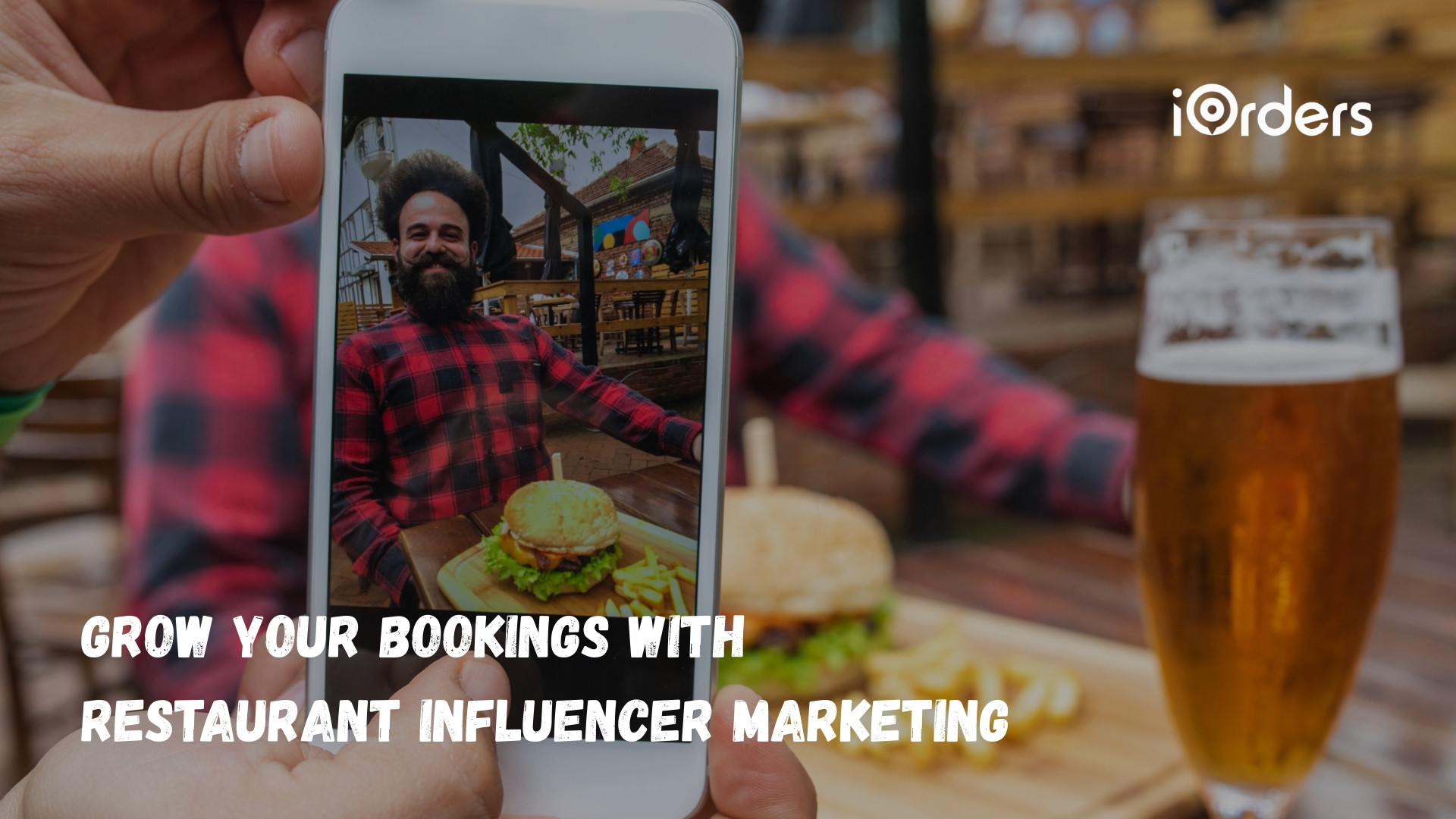
A new brunch spot opens across town, and within a week, it is everywhere on Instagram, tagged in Stories, and saved in “must-try” lists. Guests walk in already knowing which dish to order and which corner to photograph. That kind of visibility rarely happens by accident. It is usually the result of deliberate restaurant influencer marketing planned with a clear goal.
In 2026, discovery begins on a phone screen long before a guest checks Google Maps or searches for reviews. Creators don't just share photos; they influence where people celebrate birthdays, host team lunches, and place their next delivery orders.
This blog breaks down how to move beyond "likes" and plan restaurant influencer marketing that drives real revenue, repeat visits, and long-term growth for your business.
Restaurant influencer marketing is a strategic collaboration between restaurants and content creators designed to influence dining decisions within a defined local market. It focuses on showcasing your menu, ambiance, and overall experience to audiences who are actively exploring where to dine, order, or celebrate their next occasion.
When executed effectively, restaurant influencer marketing compresses the path from discovery to reservation. A trusted local creator presents your dishes, highlights the atmosphere, and addresses common guest considerations through authentic content. Their audience gains clarity and confidence, making it easier to move from interest to booking a table, visiting during off-peak hours, or placing a direct online order.
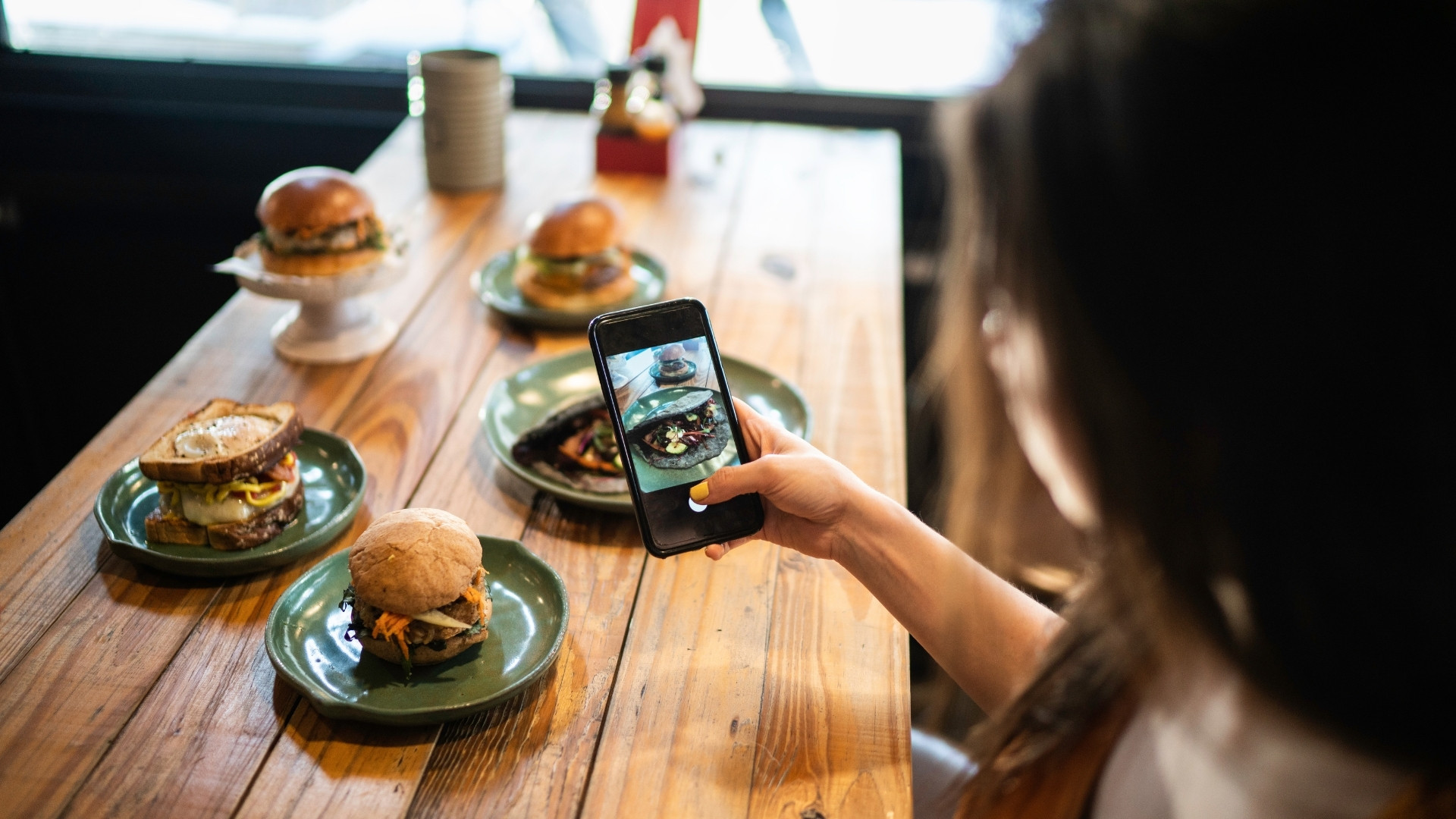
Restaurant decisions are no longer made at the door. They are shaped online, often within minutes of seeing the right piece of content. This is where restaurant influencer marketing plays a direct role. It does not simply create awareness; it influences intent at the exact moment someone is choosing where to eat.
A well-positioned creator does more than showcase your food. They frame expectations, highlight must-try dishes, demonstrate ambience, and answer common guest questions through visuals and commentary. That content becomes a trusted reference point when followers plan date nights, birthday dinners, or casual weekday meals.
In practical terms, influencer marketing drives action through a predictable flow:
When treated as a structured growth lever rather than a one-time promotion, restaurant influencer marketing consistently moves guests from scrolling to sitting at your tables and returning again.
Recommended: How to Make a Digital Restaurant Menu That Drives More Direct Sales.
Restaurant influencer marketing delivers results when it follows a defined structure. Without clarity, campaigns create noise but leave you unsure of what actually moved your weekly revenue.
This three-step framework keeps every collaboration tied to measurable outcomes, from reservations and direct orders to repeat visits, so your influencer efforts support consistent, trackable growth rather than one-time visibility.
Start with the outcome, not the creator. Decide what you want to improve in the next 30 to 60 days.
Your objective should connect directly to sales patterns, such as:
Once the goal is clear, shape deliverables around it. A reservation goal requires a booking link, while an online ordering goal requires a direct ordering link.
Follower count rarely equals foot traffic. A creator with 8,000 local followers who live within five miles of your front door is infinitely more valuable than a "travel" influencer with 100,000 followers spread across the country. Focus on audience proximity and intent:
Scan their comments. Local followers asking about hours, pricing, or reservations signal real dining intent.
A free meal without direction produces likes, not revenue. Every collaboration should point toward a specific action within a defined time frame.
Structure campaigns with clear conversion points:
Restaurant influencer marketing becomes profitable when visibility leads directly to bookings, orders, or loyalty sign-ups. Once your goals, creators, and targeting are aligned, the next step is choosing campaign formats that move guests from scrolling to booking or ordering.
Recommended: Top 9 Dining Review Sites Restaurants Need to Watch in 2026.
The right structure determines whether you see a spike in reservations or just a spike in notifications. Use these three proven formats to connect visibility to measurable action.
1. Influencer Tasting Nights
A tasting night should be a curated event, not just a comped dinner. Schedule these during "off-peak" hours so your team can properly present the dishes and your kitchen isn't overwhelmed.
2. Exclusive Menu Collaborations
Collaborations create a sense of ownership and curiosity. Work with a respected local foodie to co-create a limited-time dish that reflects both your brand and their followers' tastes.
3. Flash Offers & Trackable Codes
Generic discounts often devalue your brand. Instead, use time-bound offers that reward the creator’s specific community.
Pro Tip: Restaurant influencer marketing is most profitable when you use it to fill your slowest shifts. Don't run a "Friday Night" special; run a "Tuesday Tasting" to drive traffic when you actually need it.
A clear brief is the difference between "generic exposure" and a sales-driving asset. When you define expectations upfront, you give creators the guardrails they need to stay authentic while keeping the focus on your revenue goals.
Your brief should clearly cover these three essentials:
Pro Tip: Ask the creator to share their draft "Reel" with you 24 hours before it goes live. This gives you a chance to ensure the link works, the handles are tagged correctly, and the call-to-action is clear before it's too late to edit.
Once your influencer campaign goes live, the value should not end with a single post. The content created can continue working for your restaurant long after the initial collaboration.
An influencer visit should not end when the dinner check is paid. One well-planned collaboration can supply weeks of usable content across your owned channels. Instead of letting Stories disappear in 24 hours, repurpose them intentionally:
This approach extends the life of each collaboration and keeps your restaurant visible long after the original post.
Also Read: 10 Expert Strategies to Improve Your Restaurant Profit Margin.
Likes and views feel encouraging, but they do not tell you whether your dining room got busier. Restaurant influencer marketing should be evaluated the same way you evaluate any other revenue channel.
Focus on numbers that connect directly to sales:
Review these numbers weekly. If you wait until the end of the month, you’ll lose the context of which specific content formats (e.g., Reels vs. Stories) actually moved the needle.
One post creates awareness, but an ongoing partnership creates familiarity. When a creator visits repeatedly, their content shifts from "first impression" to "trusted recommendation."
Here's why long-term collaborations win:
Don’t treat influencers as a one-time media buy. Treat them as extended members of your marketing team. Consistency builds the brand recognition that turns a one-time visitor into a regular guest.
Restaurant influencer marketing can drain your budget and your team's time if it lacks structure. Most "failed" campaigns aren't due to the creator; they are due to a lack of clear business guardrails.
Watch out for these common pitfalls:
By addressing these issues, you ensure your marketing efforts lead to measurable results. To truly grow, you must turn that visibility into revenue and customer data that you, not a third-party app, actually control.
A successful influencer campaign can drive a sudden spike in reservations, direct orders, and first-time guests. If your systems are not prepared, that surge can overwhelm your staff and lead to a poor guest experience. To turn a one-time viral moment into long-term growth, you need to own the guest data and the ordering process.
While you invest in restaurant influencer marketing, iOrders provides the platform to convert that attention into repeat revenue. Here's how iOrders supports your influencer campaigns:
Influencer campaigns create visibility, but the right system helps convert that visibility into lasting growth. Book a demo with iOrders today and build a foundation that supports every marketing effort.
A single creator can send fifty new guests to your door this weekend, but the real measure of success is what happens next month. If those diners book through a third-party app, stay anonymous to your system, and never hear from you again, the impact of that campaign fades quickly.
Restaurant influencer marketing is most powerful when it functions as a repeatable system: attention turns into a booking, the booking captures guest data, and that data drives future visits. Without this structure, every campaign starts from zero.
iOrders supports that full cycle with commission-free online ordering, loyalty programs, and targeted marketing tools built for restaurants. Book a demo with iOrders today to build a system that turns influencer momentum into long-term revenue.
1. How much should a restaurant budget for influencer marketing?
Budgets vary by market and creator size. Many local collaborations range from $150 to $1,000 per post, depending on reach and content type. Some creators accept a mix of payment and dining credit. The key is to evaluate cost against expected reservations, average ticket size, and repeat visit potential.
2. Should restaurants work with agencies or manage influencer campaigns in-house?
Independent restaurants often start in-house to control budget and brand voice. Agencies can help scale efforts, but they add fees. If your team can define goals, track results, and manage outreach, you can run effective campaigns without outside support.
3. How long does it take to see results from restaurant influencer marketing?
Some campaigns generate bookings within 24 to 72 hours, especially with time-bound offers. Long-term partnerships may take several months to show compounding results. Consistency and tracking matter more than one viral post.
4. What platforms work best for restaurant influencer marketing?
Instagram and TikTok lead in food discovery, especially for short-form video and location tagging. Google reviews and YouTube can support validation. Choose platforms based on where your local audience spends time, not on trends alone.
5. How can restaurants handle negative feedback from influencer posts?
Respond quickly and professionally to public comments. Address concerns clearly and invite direct communication when needed. Use feedback to improve service or clarify misunderstandings. Managing responses consistently protects your brand reputation and builds trust with future guests.