Book a free demo
Oops! Something went wrong while submitting the form.
May 15, 2026
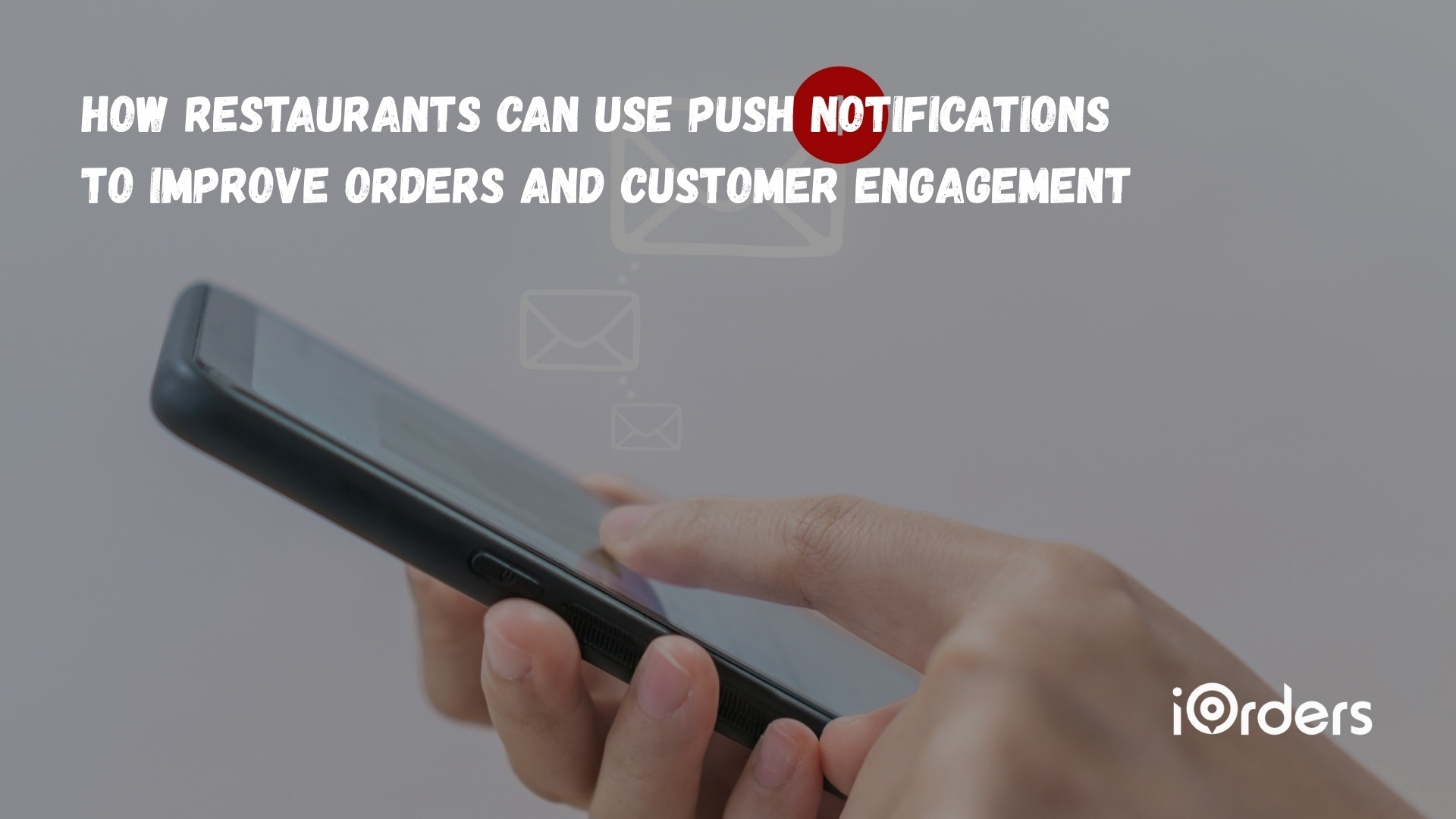
Running a restaurant today is not just about serving great food, it’s about staying connected with your customers at the right time. With rising competition and changing customer behavior, relying only on walk-ins or third-party platforms is not enough. Restaurants need direct, real-time communication that drives action.
This is where restaurant push notifications make a real difference. They allow you to reach customers instantly with personalized offers, reminders, and updates, helping you increase orders, improve engagement, and build long-term loyalty.
Studies show that push notifications can increase app engagement by over 88% and significantly improve repeat orders when used strategically. When done right, they become a powerful tool to boost sales without increasing marketing costs.
In this blog, we’ll explore how restaurant push notifications work, why they matter, and how you can use them effectively to grow your revenue.
Restaurant push notifications are short, real-time messages sent directly to a customer’s mobile device through a restaurant’s app or website. These messages are designed to capture attention instantly and encourage immediate action, such as placing an order, redeeming an offer, or exploring a new menu item.
Unlike emails or traditional advertisements, push notifications appear directly on the user’s screen, making them highly visible and more likely to be acted upon in the moment.
Key characteristics of push notifications include:
When implemented effectively, push notifications function as a direct communication and sales channel that keeps the restaurant consistently visible and top of mind for customers.
Push notifications have become an essential tool for restaurants looking to improve customer retention, increase order frequency, and reduce dependence on third-party aggregator platforms. In a competitive food delivery and dining market, relying only on passive discovery is no longer enough to maintain consistent sales.
Push notifications solve this by creating a direct, real-time communication channel between restaurants and customers. Instead of waiting for customers to return on their own, restaurants can actively re-engage them with timely and relevant messages.
Key ways push notifications support restaurant growth include:
Compared to traditional marketing channels that depend on discovery, push notifications allow restaurants to reach customers instantly and directly. This ensures that communication happens proactively rather than passively, increasing the chances of conversion.
By using push notifications effectively, restaurants can shift from being dependent on external platforms to building their own direct engagement ecosystem that drives repeat business and long-term growth.
Now that we understand why push notifications matter, let’s explore how they can be strategically used to increase restaurant sales and engagement.

Implementing restaurant push notifications allows restaurants to communicate directly with customers in real time, influence purchase decisions instantly, and encourage repeat ordering through timely and relevant messaging.
When used strategically, push notifications become a powerful channel for increasing sales, improving engagement, and strengthening customer retention.
Below is a detailed breakdown of how push notifications contribute to restaurant growth:
The Restaurant Margin Playbook shows you how to build a direct ordering channel, own your customer relationships, and reclaim the margins delivery platforms are quietly taking.
Download the eBook →.png)
Restaurants encourage quick purchasing decisions by sharing offers that are valid for a limited time.
How it works:
Restaurants can send messages such as “20% off for the next 2 hours” to create urgency and prompt immediate action. They can also promote lunch, dinner, or happy-hour-specific deals that match customer buying patterns. In addition, exclusive discounts can be shared only through apps or websites to drive direct orders.
Impact:
This approach encourages customers to place dine-in or online orders quickly instead of delaying their decision. It increases sales during off-peak hours and helps generate consistent short-term revenue.
Customer Benefits:
Customers receive timely offers that provide real value. They also benefit from clear, time-based discounts that make decision-making faster and easier.
Push notifications help restaurants recover potential revenue that is lost when customers abandon their carts before checkout.
How it works:
If a customer leaves items in their cart without completing the order, an automatic reminder is sent to encourage them to return. Restaurants can also include small incentives such as discounts or free items to improve completion rates. These notifications are usually triggered shortly after abandonment to stay relevant.
Impact:
This helps reduce drop-offs in the ordering process and increases the number of completed transactions. It directly improves revenue recovery without additional marketing spend.
Customer Benefits:
Customers can easily return to their saved orders without starting over. They may also receive additional incentives that make completing the order more appealing.
With the help of push notifications, restaurants build repeat ordering habits by reminding customers of their previous preferences.
How it works:
Restaurants can send personalized reorder reminders based on past purchases. Customers may receive messages like “Your favorite burger is just a click away.” Frequently ordered items can also be highlighted to simplify reordering.
Impact:
This increases repeat purchase frequency and strengthens customer loyalty over time. It also improves overall customer lifetime value.
Customer Benefits:
Customers can quickly reorder their favorite meals without searching again. The experience becomes more convenient and personalized.
Ensures that new dishes and menu updates are immediately visible to existing customers.
How it works:
Restaurants can announce new menu items as soon as they are launched. They can highlight chef specials, seasonal dishes, or limited-time offerings through engaging messages. Short descriptions or visuals can also be included to increase interest.
Impact:
This helps new menu items gain attention quickly and increases the chances of early trials. It also keeps the menu experience fresh for customers.
Customer Benefits:
Customers stay updated with new food options and enjoy early access to new dishes. This improves variety in their dining experience.
It helps restaurants maintain order flow during low-traffic periods by encouraging targeted purchases.
How it works:
Restaurants can send offers during mid-afternoon, late evening, or other slow hours. These messages often include special discounts or combo deals available only for a limited time.
Impact:
This helps balance demand throughout the day and improves kitchen utilization during idle periods. It also stabilizes daily revenue performance.
Customer Benefits:
Customers receive better deals during off-peak times and gain access to exclusive offers that are not always available.
Personalized push notifications improve relevance and increase customer response rates.
How it works:
Restaurants can segment customers based on their order history, preferences, or behavior. They can then send tailored offers or recommendations that match individual tastes.
Impact:
This improves engagement rates and increases the chances of conversion. It also makes marketing communication more efficient.
Customer Benefits:
Customers receive offers and suggestions that match their preferences. This makes communication feel more relevant and useful.
Restaurants increase participation during events, festivals, and seasonal campaigns.
How it works:
Restaurants can promote weekend specials, festive menus, or live events through targeted notifications. They can also send reminders before important dates or peak seasons.
Impact:
This increases customer participation and improves sales during high-demand periods. It also enhances the effectiveness of seasonal campaigns.
Customer Benefits:
Customers stay informed about special dining opportunities and receive timely updates about events and limited-time menus.
Help keep loyalty programs active and encourage repeat customer participation.
How it works:
Restaurants can notify customers about earned points, available rewards, or upcoming benefits. They can also promote exclusive offers for loyalty members.
Impact:
This increases repeat purchases and strengthens long-term customer relationships. It also improves loyalty program usage rates.
Customer Benefits:
Customers can easily track and redeem their rewards. They also gain access to exclusive member benefits.
Improve transparency by keeping customers informed throughout the ordering process.
How it works:
Customers receive instant updates when their order is confirmed, being prepared, or out for delivery. These notifications provide real-time visibility into order status.
Impact:
This reduces customer uncertainty and improves trust in the service. It also reduces support-related queries.
Customer Benefits:
Customers always know the status of their order. This creates a smoother and more reliable experience.
Push notifications help bring back customers who have not ordered in a while.
How it works:
Restaurants can send win-back messages such as “We miss you, enjoy 25% off your next order.” These messages can also include personalized recommendations based on past orders.
Impact:
This helps reactivate dormant users and increases overall retention rates. It also expands the returning customer base.
Customer Benefits:
Customers receive personalized offers that encourage them to return. Familiar recommendations make reordering easier.
This is where platforms like iOrders can support your operations. With built-in restaurant push notifications, you can automatically send order updates, promotions, and delivery alerts in real time. iOrders keeps all communication centralized within your ordering system, acting as a background layer that keeps customers informed instantly while reducing the need for manual calls or follow-ups from your team.

Without a structured approach, restaurants miss opportunities to convert interest into action and retain valuable customers. When used strategically, push notifications create a consistent, high-impact communication channel that drives measurable business results.
Here’s how push notifications contribute to restaurant growth:
When integrated into your overall strategy, push notifications become a reliable and cost-efficient driver of customer engagement, retention, and long-term revenue growth.
Also Read: AI in Restaurant Recommendations: Increase Sales & Repeat Visits
Getting consistent results from push notifications requires a clear strategy, the right timing, and continuous optimization. When used correctly, push notifications become a powerful tool to drive engagement, repeat orders, and revenue.
Here are some proven best practices to improve your push notification performance:
1. Keep Messages Short and Clear: Write concise messages that communicate the value instantly without requiring extra effort from the customer.
Why it matters: Customers quickly scan notifications, so clarity increases open rates and reduces the chances of your message being ignored.
2. Use Timing Strategically: Schedule notifications during high-intent moments such as lunch, dinner, weekends, or special occasions.
Why it matters: Sending messages when customers are most likely to order improves engagement and increases the chances of immediate action.
3. Avoid Over-Sending Notifications: Maintain a balanced frequency so customers stay engaged without feeling overwhelmed.
Why it matters: Too many notifications can lead to fatigue, app uninstalls, or users disabling notifications altogether.
4. Focus on Personalization: Tailor messages based on customer preferences, past orders, and behavior to make communication more relevant.
Why it matters: Personalized notifications feel more valuable, leading to higher engagement, better conversion rates, and stronger customer relationships.
5. Include a Strong Call-to-Action: Use clear and action-driven phrases that guide customers toward the next step.
Why it matters: A strong call-to-action reduces hesitation and increases the likelihood of immediate conversions.
6. Test and Optimize Continuously: Track performance metrics and refine your campaigns based on what works best.
Why it matters: Continuous testing helps you improve messaging, timing, and targeting, ensuring your push notifications deliver better results over time.
With the right approach, push notifications become more than just alerts, they turn into a consistent and measurable driver of customer engagement, retention, and revenue growth.
Restaurant push notifications work best when they are permission-based, timely, and relevant. Customers should clearly opt in before receiving messages, and restaurants should explain whether notifications will include order updates, offers, loyalty rewards, or reminders.
It is also important to avoid over-sending. Too many notifications can lead to customer fatigue, lower engagement, or users turning alerts off entirely. Each message should have a clear purpose, such as helping customers track an order, claim a relevant offer, or reorder a favorite item.
Giving customers control over notification preferences also improves trust. Some customers may only want order updates, while others may welcome loyalty offers or limited-time promotions. When restaurants respect these preferences, push notifications become a helpful engagement tool rather than an interruption.
Also Read: Why Restaurant POS Integration is Key to a Seamless Ordering Workflow?

iOrders helps restaurants use push notifications as part of a direct customer engagement strategy. With Smart Campaigns, Loyalty and Rewards, and a branded ordering experience, restaurants can send timely offers, reorder reminders, loyalty updates, and order notifications without relying only on third-party platforms.
Book a free demo today to see how smart push notifications can strengthen customer relationships and drive consistent growth.
.webp)
1. How do restaurant push notifications work?
They are instant messages sent to customers’ mobile devices through your app or platform, helping you share offers, updates, and reminders in real time.
2. When should restaurants send push notifications?
Notifications work best when sent during high-intent moments, such as meal times, weekends, or special promotions when customers are more likely to order.
3. What type of messages perform best in push notifications?
Time-sensitive offers, personalized deals, order reminders, and limited-time discounts tend to drive the highest engagement and response.
4. How do push notifications help increase repeat orders?
They keep your restaurant visible through reminders, loyalty offers, and personalized messages that encourage customers to come back.
5. How can restaurants avoid overusing push notifications?
By sending relevant, well-timed messages and maintaining a balanced frequency, you can keep customers interested without causing notification fatigue.
6. Are push notifications useful for promoting new menu items?
Yes, they are highly effective for announcing new dishes, seasonal menus, or special events and driving quick attention.
7. Can push notifications help restaurants compete with larger brands?
Absolutely, they give smaller restaurants a direct communication channel to engage customers, promote offers, and drive direct orders without relying heavily on third-party platforms.