Book a free demo
Oops! Something went wrong while submitting the form.
November 12, 2025

The restaurant industry is changing as consumer habits grow toward more convenient dining options. Dine-in experiences remain important, but online food delivery is growing rapidly. In 2024, Canada’s online food delivery services reached $18,990.9 million in revenue, reflecting a significant shift in consumer preferences.
Restaurants now face the challenge of balancing traditional dine-in service with delivery options. This blog examines the key trends driving this shift and how restaurants can adapt. We'll explore actionable strategies to improve efficiency, increase revenue, and enhance customer satisfaction.
By understanding these trends, restaurants can make informed decisions for 2025 and beyond.
The balance between dine-in and takeout is shifting. While dine-in remains a cherished experience, takeout’s convenience has increasingly captured consumers’ attention, even in fine dining. Let’s explore their offerings:
As consumer preferences change, restaurants must adapt. Combining both dine-in and delivery services ensures a broader reach, increased revenue, and a more tailored customer experience moving forward.
Also Read: Fine Dining Restaurant Marketing: Steps and Strategies Plan
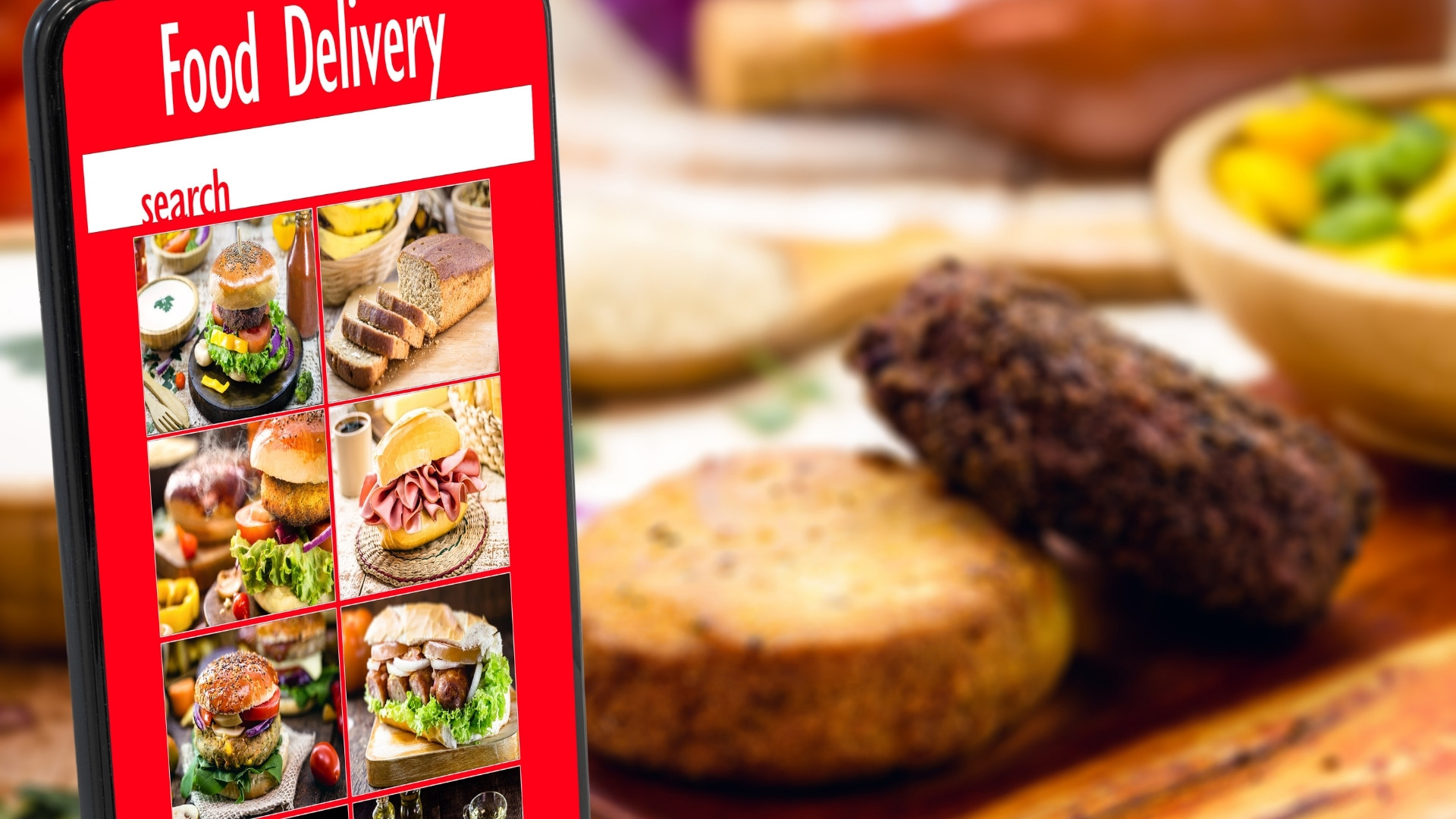
Delivery and takeout are becoming core components of restaurant operations. Third-party platforms like Uber Eats, DoorDash, and SkipTheDishes have become key drivers of restaurant sales in Canada. As customers increasingly turn to delivery, off-premise sales are growing rapidly, sometimes even surpassing dine-in revenue.

While this shift opens new revenue streams, it also brings challenges, primarily around shrinking profit margins due to third-party commissions. To remain competitive, restaurants must find ways to balance dine-in, delivery, and off-premise services effectively. They must also ensure a seamless brand experience and maintain customer loyalty.
Understanding the reasons behind the shift to delivery is important for restaurants looking to stay competitive. Several factors have made delivery services more attractive to consumers:
At the heart of this shift is consumer demand for convenience. With busy schedules and the rise of mobile apps, consumers are looking for ways to enjoy restaurant-quality meals without leaving their homes. Additionally, consumers have learned to value the flexibility and ease of ordering in, whether for a casual meal or a fine dining experience.
The ability to get high-quality meals without the need to travel has made food delivery an appealing option. The explosion of mobile apps has made ordering food as easy as a few taps on a screen. Restaurants that invest in their delivery infrastructure, including seamless ordering systems, can attract more customers easily.
Since the pandemic, many customers remain cautious about crowded spaces. The continued preference for staying home, paired with rising health concerns, further solidifies the demand for delivery services. Health-conscious consumers are more likely to order from home, where they feel safer and more comfortable.
Technological innovations, such as QR codes, mobile apps, and integrated POS systems, have streamlined the delivery process, making it faster and more efficient. These innovations play a key role in the growing reliance on food delivery. Restaurants that adapt these technologies are better equipped to meet consumer demand and optimize operations.
While the above factors drive delivery demand, third-party apps have become key in connecting restaurants to customers.
Third-party apps have played an important role in the food delivery revolution. However, their dominance comes with both advantages and challenges for restaurant owners.

Dominance of Platforms: Third-party delivery platforms, such as Uber Eats and DoorDash, have become household names and are responsible for a significant portion of food orders. These apps provide restaurants with the ability to reach a large customer base without significant marketing investment.
Drawbacks: While these platforms offer significant market reach, they come at a cost. The primary downside is the high commission fees (often as much as 30% per order), which can erode restaurant profit margins. Additionally, the lack of control over customer relationships and brand experience can affect long-term brand loyalty.
Although delivery services have surged in popularity, the dine-in experience continues to captivate many consumers for several compelling reasons. Here’s why:
Dining in offers a sense of occasion that delivery cannot match. The ambiance, personalized service, and social experience are significant factors that make dining in attractive. For fine dining restaurants, the experience is the main draw, and it is something that cannot be replicated through delivery.
Despite the rise of delivery, many customers still prefer dining in for special occasions, to enjoy a relaxing meal, or to socialize. Restaurants that offer a balanced mix of both dine-in and delivery options are well-positioned to cater to the diverse needs of their customers.
Dine-in often results in higher average spend per customer. For example, a customer dining in may add appetizers, drinks, or desserts to their order, whereas a delivery order may be more limited in scope. Combining both dine-in and delivery can increase overall revenue, giving restaurants the best of both worlds.
Overall, maintaining the charm of dine-in while adapting to the convenience of delivery gives restaurants the flexibility to thrive. It also meets diverse customer needs and increases overall profitability.
Restaurants are increasingly adopting hybrid models that combine both dine-in and delivery services to meet the evolving needs of consumers.

To adapt, many restaurants are offering both in-house dining experiences and efficient delivery services. For instance, upscale restaurants are introducing delivery menus that maintain the quality and presentation of their dine-in meals.
A fine dining restaurant offering a “delivery fine dining experience” is innovating by packaging gourmet meals to look just as elegant at home as they do in the restaurant.
A key factor in making this hybrid model work is adapting the menu. Some menu items simply don’t travel well, while others are perfect for delivery.
Restaurants that curate their menus specifically for delivery can ensure that their food maintains its quality and appeal.
Maintaining brand consistency across both dine-in and delivery services is essential. Restaurants must ensure that the quality of service and food stays the same, whether the customer is dining in or ordering delivery.
Additionally, using branded packaging, personalized service, and seamless tech integration helps create a consistent experience for both types of customers.
While many restaurants adapt their offerings for both in-house dining and delivery, the rise of ghost kitchens introduces a completely new model focused solely on fulfilling delivery orders.
The rise of ghost kitchens, the delivery-only restaurants, has been a major trend in the delivery space. Ghost kitchens are facilities set up solely for fulfilling delivery orders, without a physical storefront. These kitchens focus exclusively on the operational side of food preparation and delivery, avoiding the costs associated with a dine-in space.
Advantages
Challenges
Thus, restaurants running ghost kitchens must prioritize quality, efficiency, and brand-building through digital marketing and customer engagement.
Also Read: How to Make a Small Restaurant Grow: Top 33 Tips
Alcohol delivery is emerging as a strong revenue driver for restaurants, especially as Canadian provinces continue relaxing liquor laws. Including alcohol in delivery menus allows restaurants to enhance convenience and attract higher-value orders.

Customers are increasingly pairing drinks with their meals, raising both satisfaction and average ticket size. This trend is particularly profitable for venues offering premium wines, craft beers, or signature cocktails that reflect their brand identity.
By promoting safe, compliant alcohol delivery options, restaurants can differentiate themselves, increase sales volume, and cater to a growing segment of customers seeking complete dining experiences from the comfort of home.
As delivery services grow, restaurants face significant economic shifts. Rising costs and changing business models demand attention to maintain profitability. Here’s what you need to know about the impact on your bottom line:
Third-party delivery services come with significant fees, which can cut into restaurant profits. Packaging, delivery staff, and logistics costs also contribute to the increasing expense of delivery. Restaurants must assess their margins and make adjustments where necessary to ensure delivery remains profitable.
Platforms like iOrders help restaurants bypass third-party fees, allowing them to retain more profit. By switching to a direct ordering system, restaurants can keep delivery costs low and maintain better control over customer data and the brand experience.
Now that we have an understanding of the economic impact of delivery on restaurants, let’s explore how to design a seamless delivery strategy that aligns with brand values.
Delivery is a core extension of the dining room experience. A successful strategy must go beyond simply moving food, focusing on maintaining brand quality and control from the kitchen to the customer’s door.
Investing in a seamless delivery system is key to maintaining a high-quality brand image. This includes having a user-friendly website, clear ordering options, and branded packaging. Restaurants that offer a premium delivery experience can create customer loyalty and stand out in a crowded market.
To ensure that both dine-in and delivery operations run smoothly, it’s essential to integrate POS systems, customer feedback tools, and data analytics. By analyzing customer preferences and order histories, restaurants can tailor their offerings and improve the overall customer experience.
Having discussed how to build a premium delivery experience, let’s now look at how to overcome the challenges restaurants face in delivering quality service.
Scaling delivery means anticipating common friction points that can derail customer satisfaction. Restaurants focused on growth must proactively manage the following key challenges to protect brand reputation:
Incorrect orders can lead to customer dissatisfaction and loss of business. Ensuring that each delivery is accurate is essential to maintaining customer trust and minimizing complaints or returns.
Packaging must maintain food quality during transit. Improper packaging can lead to spills, soggy meals, and cold food, all of which undermine the customer experience and may drive them away.
Long wait times can frustrate customers and hurt restaurant ratings. Ensuring timely deliveries, even during peak hours, requires efficient logistics, reliable delivery staff, and clear communication with customers.
Also Read: 10 Best Online Ordering Conversion Strategies For Restaurants
Managing food delivery can be costly and complicated, especially with high third-party commissions. iOrders offers a smart solution by integrating directly with your POS system and providing commission-free online ordering. By cutting out the middleman, iOrders allows restaurants to retain more revenue and optimize their operations.
Key features like smart delivery management, real-time tracking, and AI-powered review systems help you address common delivery challenges. This includes inaccurate orders, slow delivery times, and inconsistent customer experiences. Plus, with iOrders, you can manage all orders, whether dine-in or delivery, from a single dashboard. This makes your restaurant more efficient while saving on costs.
By using customized mobile apps for your restaurant, iOrders ensures a branded and seamless experience for customers, all while cutting down on third-party platform fees.
The shift from dine-in to delivery is a major change for restaurants, and it’s important to stay ahead of these trends. Consumers want convenience, but they also value quality and the experience. Balancing both delivery and dine-in services is key.
Restaurants that adopt the right tools can handle this shift more easily. Platforms like iOrders help simplify delivery operations, keep everything in one place, and ensure consistency.
If you want to make sure your restaurant can keep up with both dine-in and delivery, book a demo with iOrders today. See how we can help you stay efficient and meet customer needs.
The food delivery industry is expected to continue growing, driven by consumer demand for convenience, technology advancements, and expanding delivery platforms. Trends include faster service, more specialized options, and integration with smart devices.
Gen Z favors convenience and technology, often opting for food delivery through mobile apps. They prioritize health-conscious, eco-friendly options, and value personalized experiences, preferring brands that align with their lifestyle and values.
Pizza remains the most ordered food for delivery, followed closely by burgers, sushi, and Chinese food. These options are popular due to their ease of packaging and widespread appeal for all types of consumers.
Eating out offers ambiance, socializing, and variety, but can be costly and time-consuming. Ordering in provides convenience and cost savings but lacks the experience, often resulting in food quality challenges and limited interaction.
.png)