January 16, 2026
What happens when a restaurant pays commissions on every order yet struggles to bring customers back? Many restaurant owners face this challenge and are now reassessing how they accept online orders.
The decision often comes down to choosing between an online ordering system and marketplace apps, a choice that affects margins, delivery management, and long-term growth.
Marketplace apps offer reach, but they limit access to customer data and raise overall costs. Direct online ordering gives restaurants full control over pricing, branding, and repeat business.
So, what should you go for? This comparison helps restaurant owners, QSR teams, ghost kitchens, and small chains review both models and decide which option supports stronger results in 2026.
An online ordering system lets restaurants accept direct orders through their own website, QR code, or mobile app. Each order stays commission-free, which helps protect margins and keeps revenue predictable. The restaurant also owns the customer data, allowing stronger retention and repeat business.
Marketplace apps work as aggregators that list many restaurants in one place. Customers browse the app, place an order, and the platform charges commissions that often range from 15–30%. These fees apply to each transaction.
The customer relationship stays with the marketplace instead of the restaurant, which limits direct communication and repeat-order potential.
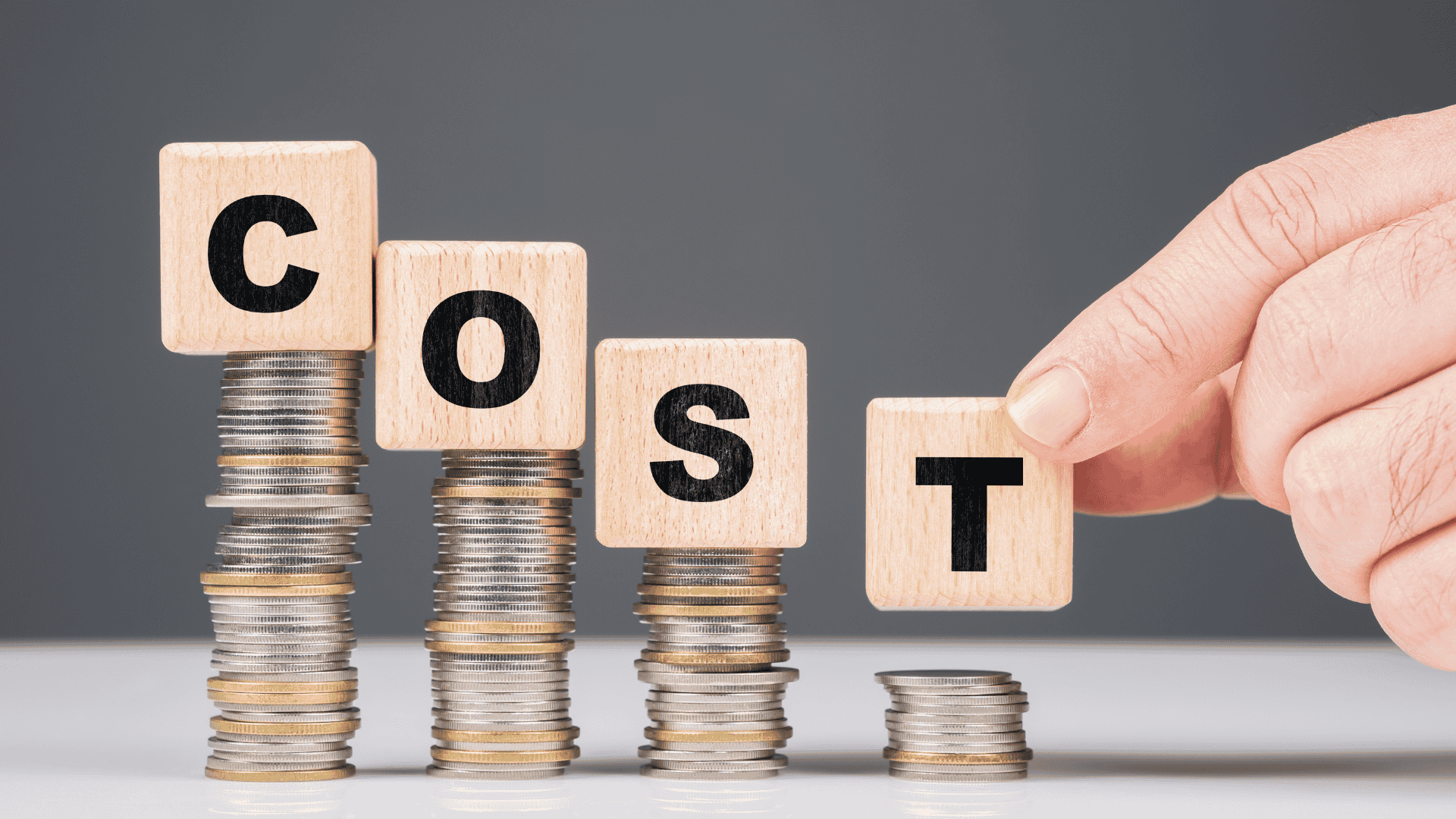
Costs shape nearly every decision a restaurant makes around online ordering. The right setup can protect margins, while the wrong one can drain revenue through repeated fees. Here is how both models differ and why these numbers matter for restaurants:
Marketplace apps stack several charges on each order. These fees vary, but most restaurants deal with a mix of the following:
These expenses add up quickly and reduce the restaurant’s net earnings per order.
Direct ordering platforms follow a simpler, more predictable structure. Restaurants know exactly what they will pay each month.
Platforms like iOrders support this model. It provides commission-free online ordering, website, and QR ordering, and white-label delivery with stable flat fees, helping restaurants maintain healthier margins.
However, along with costs, who owns the customer can make an even bigger difference.
Recommended Read: How to Start a Delivery App for Restaurants and Boost Revenue.
Large platforms can introduce your restaurant to new diners quickly, but long-term success depends on owning the relationship rather than renting visibility from an aggregator.
Marketplace apps are often the go-to option for early exposure. They work well for:
But here's the drawback: When the order arrives, the relationship stays with the marketplace.
This creates dependency. The more you rely on the app, the harder it becomes to build your own loyal base.
A direct ordering setup shifts control back to the restaurant. This works best when you want to:
A customer who orders through your website is added to your customer list. Next week, you can send them:
This creates a cycle of repeat engagement that marketplaces can’t provide. Platforms such as iOrders make it easier to turn first-time customers into loyal regulars through built-in rewards, loyalty points, and re-engagement tools. Since restaurants own all customer data, they can market directly and build long-term relationships beyond marketplace apps.

Customers expect clear visuals, simple ordering steps, and a sense of familiarity when choosing where to place an order.
Marketplace listings follow a uniform template with limited room for customization. Your logo, colors, and story take a back seat to the platform’s design, which makes every restaurant appear similar and reduces the impact of your brand.
An online ordering system allows you to shape every touchpoint, including:
This level of control helps customers recognize your identity instantly, leading to stronger trust and a smoother ordering path. iOrders supports this approach with white-label tools that present your restaurant exactly the way you want. Its branded website and custom mobile app keep your look and voice front and center, creating a consistent experience with every order.
Also Check: 10 Best Apps for Restaurant Management in 2026.
Any model that creates bottlenecks or manual steps can slow service and reduce profitability, especially during peak hours.
Marketplace apps usually require restaurants to manage orders across separate tablets. Staff must switch between devices, re-enter details into the POS, and relay information to the kitchen manually. These extra steps result in missed modifiers, delayed tickets, and a higher likelihood of incorrect orders reaching customers.
Online ordering systems reduce friction by connecting directly with the restaurant’s POS and order flow. Key advantages include:
This structure helps teams handle larger order volumes without added stress. iOrders strengthens this model with POS integrations, smart order routing, and tools that cut down on common mistakes. Orders go straight from the customer to the kitchen display system or POS, allowing staff to focus on speed and accuracy instead of device juggling.

Restaurants are working with reduced margins, so the way each model impacts long-term revenue plays a major role in the decision-making process.
Marketplace apps take a significant share of every order, which cuts into earnings immediately. Their fee structure also limits pricing flexibility.
Key pressures include:
Online ordering systems help restaurants keep more from every sale through a commission-free approach. This creates steadier revenue and more control over how pricing and promotions are handled.
Benefits include:
Restaurants using iOrders have seen stronger retention and higher order volumes due to its direct-ordering model and built-in engagement tools. Its approach helps restaurants grow revenue without the ongoing deductions common on marketplace platforms.
Recommended Read: Boost Your Restaurant’s Sales with Online Ordering & POS Solutions.

Both models serve different purposes, and the right choice depends on the stage your restaurant is in and the kind of growth you want to pursue. Many Canadian restaurants now use a mix of both, choosing each tool for its strengths.
Marketplace apps make sense in situations where quick visibility matters. They work well when:
They function as a discovery channel, especially for newer restaurants still building recognition.
An online ordering system supports stronger long-term outcomes. It’s the better choice when:
iOrders strengthens the direct-ordering path with branded website ordering, a custom mobile app, loyalty programs, predictable delivery fees, and full customer data access. For restaurants seeking long-term profit and repeat engagement, iOrders provides the structure and tools needed to grow without relying heavily on marketplace commissions.
Also Read: Touchless Restaurant Technology for Smarter Ordering and Payments.
Restaurants today run on data. When you lack visibility into customers and sales, you lose control of your growth.
Marketplace apps keep most information to themselves, which narrows your ability to build repeat business. Key limitations include:
Without this information, long-term planning becomes guesswork.
Online ordering systems give restaurants a detailed view of how customers interact with the menu. They also provide insights that support better decision-making.
You gain access to:
This level of clarity helps restaurants improve performance and adjust quickly. Using iOrders, you can build on this approach with Smart Campaigns, managed marketing support, and an AI-powered review system that encourages positive feedback while helping restaurants address concerns early.
Choosing between marketplace apps and a direct online ordering system doesn’t have to feel like a gamble. Marketplace platforms can bring quick visibility, but they take commissions, limit control over your customers, and restrict your brand experience.
Direct ordering gives you full control, higher margins, and stronger customer relationships, but it can feel overwhelming if you try to manage it alone. iOrders bridges that gap. It gives you the reach you need while putting your brand, orders, and customer relationships firmly in your hands.
From commission-free ordering to loyalty programs, smart campaigns, and a branded mobile app, iOrders simplifies operations and helps you grow revenue sustainably. Stop juggling multiple platforms and start running your restaurant your way. Book a demo today and see how it can work for your restaurants.
1. Are marketplace apps better for new restaurants?
They help you get quick visibility when you’re just starting out. But depending on them long-term can erode profit margins due to ongoing commissions.
2. Do online ordering systems replace marketplace apps completely?
Not necessarily. Many restaurants use marketplace apps for discovery and then shift repeat customers to direct ordering for better profitability.
3. Why do marketplace apps charge commissions?
They take a cut for customer acquisition, platform hosting, and delivery logistics. Over time, these fees add up and impact your bottom line.
4. Is it difficult to set up an online ordering system?
Most modern systems are simple to launch with website, QR, and app-based ordering. Setup usually takes only a few steps and minimal technical effort.
5. Which model is more profitable in the long run?
Online ordering systems keep more money in the restaurant by eliminating per-order commissions. They also enable repeat business through customer data ownership.