March 4, 2026
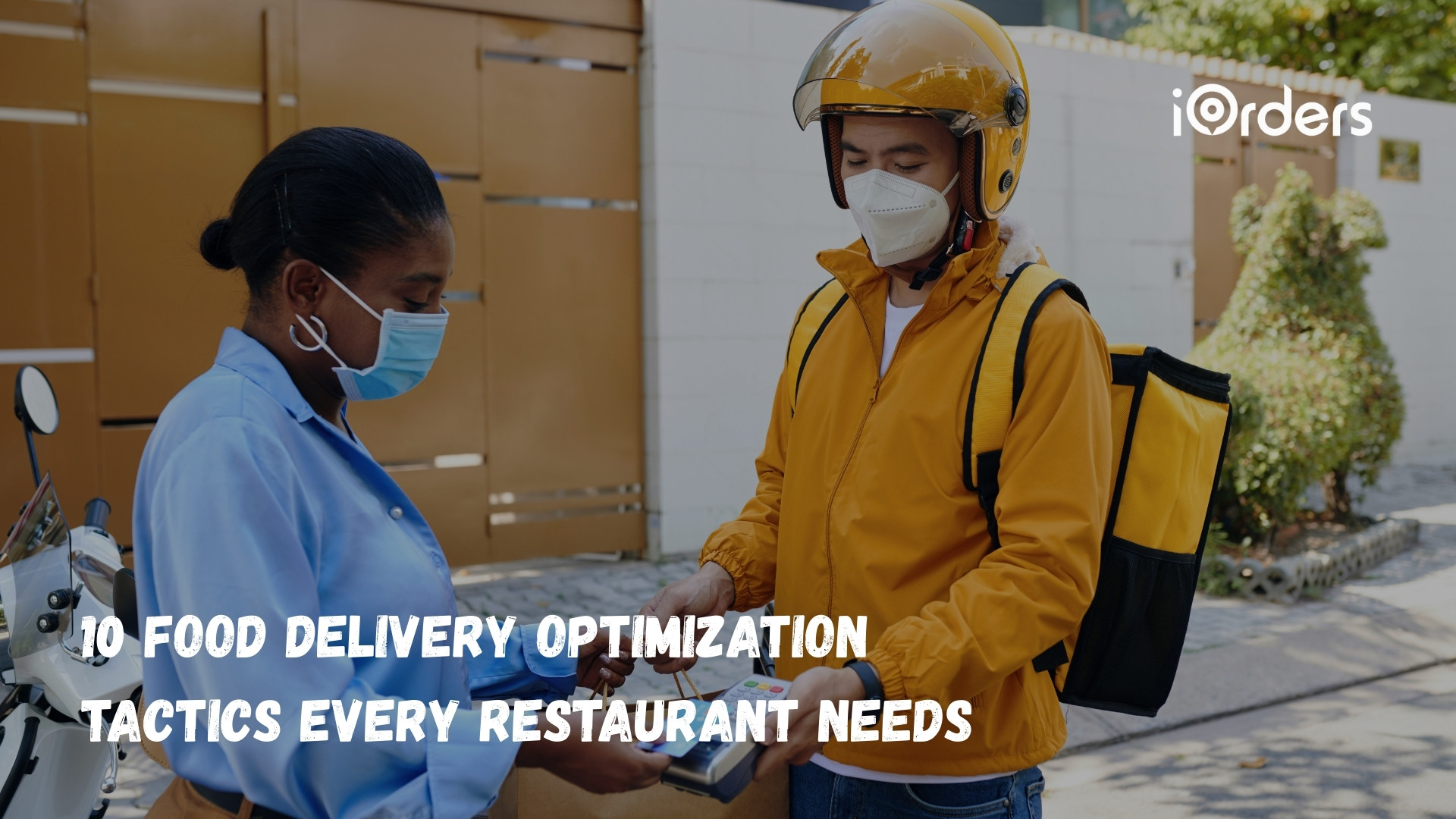
When delivery orders spike during dinner service, a single missed modifier or a delayed driver dispatch doesn't just slow you down; it costs you money. Between high third-party commissions and the risk of a bad review, there is no room for error. If your delivery process isn't as sharp as your line, you aren't just serving food; you’re bleeding profit.
Successful food delivery optimization is about taking control of the chaos. It means tightening the path an order takes from the customer's phone to your kitchen window, ensuring drivers are assigned at the exact moment the bag is sealed. The goal isn't just to get it done; it’s to protect your margins while keeping your service steady.
For independent restaurants and QSRs, delivery needs to be a predictable engine, not a constant fire to put out. This guide shares ten tactics to keep your orders accurate, your drivers on time, and your profits where they belong: with you.
Delivery might look simple, but small delays inside your restaurant have a big impact on your profit. A driver waiting at your counter or a late ticket isn't just an inconvenience; it is wasted time and lost revenue. When these small problems happen every shift, they eat into your margins.
Here are the common issues that drain your revenue:
Fixing these issues is the first step toward a more profitable delivery business. To do this, you need a clear plan to improve each part of your process.
Recommended: How to Improve Customer Experience Across Dine-In, Pickup, and Delivery.
Orders do not run themselves. Every mistake adds minutes and costs you money. Small changes in how you print tickets, manage drivers, and package meals can make a big difference in your profit.
Use these strategies to improve your speed and reduce errors during your busiest shifts.
1. Map Your Delivery Workflow
You need a clear view of every step an order takes, from the customer’s phone to the driver’s car. If your handoffs are messy, mistakes will pile up during peak hours.
How to improve your order flow:
Many restaurants only worry about the driver's route, but the real delays usually happen inside the kitchen. Clarifying how orders move through your restaurant ensures your team and your drivers are ready before the rush begins.
2. Choose the Right Dispatch Strategy for Your Model
Delivery efficiency depends on how you handle your dispatch. Each model requires a specific process to reduce errors and wasted labor.
Clear dispatch strategies stop drivers from idling at your counter and keep your kitchen team focused on fulfilling orders, not managing traffic.
3. Optimize Delivery Zones and Timing
Distance and timing directly affect food quality. If a zone is too large, the food arrives cold, and you lose the customer. Many restaurants leave this to chance, but you can control it by being selective about your delivery radius.
Optimizing your zones prevents late deliveries and keeps your kitchen’s pace steady. Saving even three minutes per delivery adds up to an hour of saved labor during a busy dinner shift.
4. Tune Your Scheduling Around Busy Windows
Scheduling drivers is more than just filling a calendar. You need to predict your peak hours, so you have the right number of people ready before the orders start pouring in. If your staff is already behind when the rush starts, you will never catch up.
When you connect your order patterns with your staffing levels, your team can handle high delivery volumes without stress or mistakes.
5. Standardize Your Delivery Menu
Not every dish survives the trip from your kitchen to a customer's doorstep. Strategic menu engineering protects your food quality and reduces expensive refund requests.
Consistent quality keeps customers coming back and lowers the number of complaints you have to process.
6. Reduce Kitchen and Front-of-House Friction
Delivery orders should never disrupt your dine-in service. By creating a physical and digital separation for these workflows, you keep your service smooth across all channels.
When your team spends less time sorting through messy tickets, mistakes drop, and your overall throughput improves, even during your busiest rushes.
7. Improve Driver Communication and Handoffs
Drivers often lose time waiting for orders or searching for the right bag. Improving how you communicate with them saves minutes on every delivery and keeps your front-of-house staff focused on guests.
Better communication reduces driver wait times and keeps your dining room calm, even during a heavy rush.
8. Create Data Feedback Loops
Collecting data is only useful if you use it to make changes. You need a process to turn your delivery history into better decisions for next week.
Using these insights to adjust your operations ensures that your delivery business gets more efficient and more profitable over time.
9. Maintain Quality During Transit
Food that arrives cold or spilled erodes customer trust faster than a late delivery. To protect your reputation, you must ensure the quality you serve in the dining room survives the ride to the customer's doorstep.
10. Use Post-Delivery Data to Retain Customers
Optimization doesn’t end at the front door. The data you gather after the meal is the key to turning one-time delivery users into lifelong repeat customers.
By turning delivery feedback into actionable data, you stop guessing what your customers want and start building a more profitable, predictable delivery business.
Also Check: How to Make a Digital Restaurant Menu That Drives More Direct Sales.
Applying these strategies can make deliveries smoother, but keeping every order, driver, and kitchen handoff in sync is still a challenge. iOrders brings all these moving parts together in one platform, helping restaurants maintain accuracy, speed, and control.
Optimizing delivery is more than just following best practices; it requires a system that keeps your orders, staff, and drivers aligned from start to finish. iOrders acts as the backbone of your delivery operations, connecting your POS, kitchen, and delivery team in one centralized platform.
By giving you complete visibility and control, iOrders helps you reduce errors, improve speed, and protect your margins without adding complexity to your kitchen.
Key features that simplify your delivery:
Stop letting delivery chaos eat your profits. Streamline your operations, reclaim your margins, and give your guests the experience they deserve. Book a demo today to see iOrders in action.
Delivery efficiency doesn’t happen by chance. Every delay, misprinted ticket, or idle driver affects your kitchen, your staff, and your bottom line. The key to a profitable delivery business lies in systems that provide visibility, accuracy, and control at every step. By aligning your order flow, dispatch, and packaging, you can reduce errors, protect your margins, and keep guests satisfied.
iOrders brings these elements together in one platform. From capturing accurate orders and managing logistics to tracking performance and engaging repeat customers, it gives your team the tools to run delivery like a well-oiled machine. With iOrders, you aren’t just achieving food delivery optimization; you’re reclaiming time, reducing stress, and safeguarding your revenue.
Connect with the iOrders team today to take the first step toward flawless operations that let your restaurant deliver more, faster, and smarter.
1. What are the most common causes of delivery delays in restaurants?
Delays usually happen due to misprinted tickets, unclear driver instructions, inconsistent packaging, or bottlenecks in the kitchen. Even small gaps in communication or staging can lead to late deliveries during peak hours.
2. How can restaurants ensure order accuracy for delivery?
Accuracy starts with clear workflows: orders should be routed automatically from online channels to kitchen printers, modifiers captured correctly, and pickup instructions visible for drivers. Standardizing menu items for delivery-friendly options also reduces mistakes.
3. How do delivery zones affect food quality and customer satisfaction?
Long distances or poorly timed routes can lead to cold or damaged food. Defining delivery radius thresholds, setting timed delivery cohorts, and clustering orders strategically help maintain quality and ensure guests receive meals as intended.
4. What strategies can help restaurants reduce kitchen and front-of-house stress during delivery peaks?
Dedicated pickup areas, separate printers for delivery tickets, and clear labeling between dine-in, pickup, and delivery orders reduce errors. Scheduling staff around predicted peaks and training drivers on proper handoff processes also prevents bottlenecks.
5. Can technology help optimize delivery without adding complexity?
Yes. Platforms like iOrders consolidate order management, delivery tracking, and customer insights in one dashboard. Restaurants gain visibility, reduce errors, and free staff from mid-shift firefighting, all while keeping deliveries efficient and profitable.