January 5, 2026
A dinner rush in 2026 feels very different from what it did just a few years ago. Orders now come in through websites, QR codes, apps, and delivery channels all at once, with guests expecting fast and accurate service.
At the same time, you are managing staff schedules, inventory, delivery demand, and guest communication on tight margins. When systems do not work together, everyday workflow becomes more complicated than necessary.
That is why restaurant management technology now plays a central role in growth and consistency. The best app connects operations, analytics, loyalty, and marketing into one system.
This guide explores the best restaurant management apps for 2026. Each option is evaluated on how well it supports efficiency, insights, and long-term restaurant growth.
Before comparing tools, it helps to understand which capabilities actually support smoother workflows, better decisions, and long-term growth. The following factors can help you evaluate which platform aligns best with your needs.
With these criteria in mind, let’s look at the top restaurant management apps for 2026, organized by use case.
Also Check: Complete Guide to Cross-Platform App Development vs Native.
Choosing the right technology depends on how your restaurant operates and where you want to grow. The following list highlights the best apps for restaurant owners in 2026, organized by use case to help you find the right fit faster.
iOrders is designed for restaurants seeking to regain control from third-party platforms. It helps you manage online ordering, delivery, marketing, and guest engagement under your own brand.
Instead of paying high commissions, you operate through commission-free, white-label platforms you fully own. When evaluating the best app for restaurant management, iOrders stands out by combining ordering, delivery, loyalty, analytics, and AI-driven engagement in one system.
Key features include:
Best for: Restaurants that want full ownership of ordering, delivery, customer data, and marketing without relying on commission-based platforms.
2. Toast POS
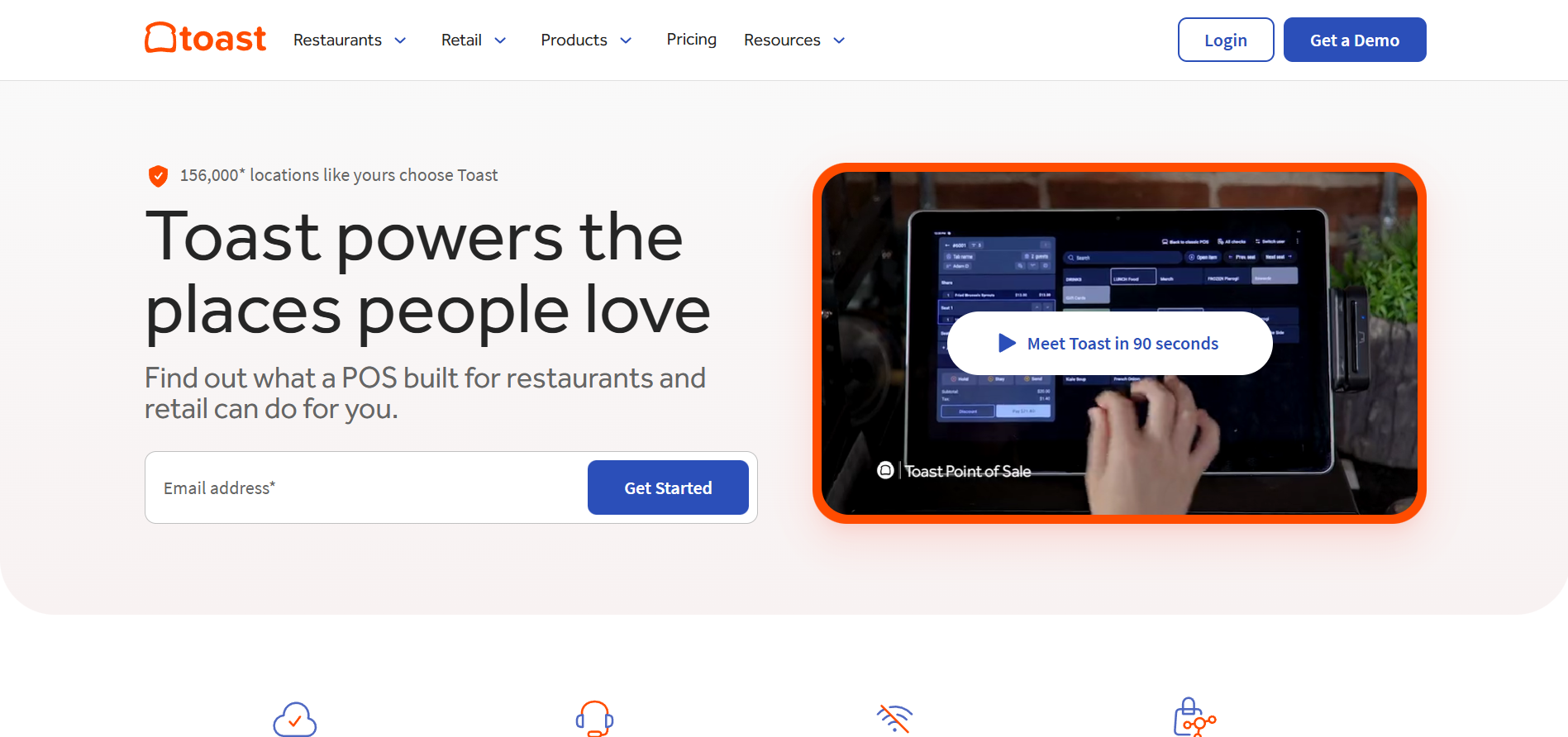
Toast POS combines point-of-sale, inventory, payroll, and reporting into a single ecosystem. It is built for restaurants that want one system to handle most operational needs.
The platform supports complex menus and high-order volumes. It works well for teams that prefer an all-in-one approach over multiple standalone tools.
Key features include:
Best for: High-volume and full-service restaurants looking for an all-in-one operational platform.
3. Lightspeed Restaurant
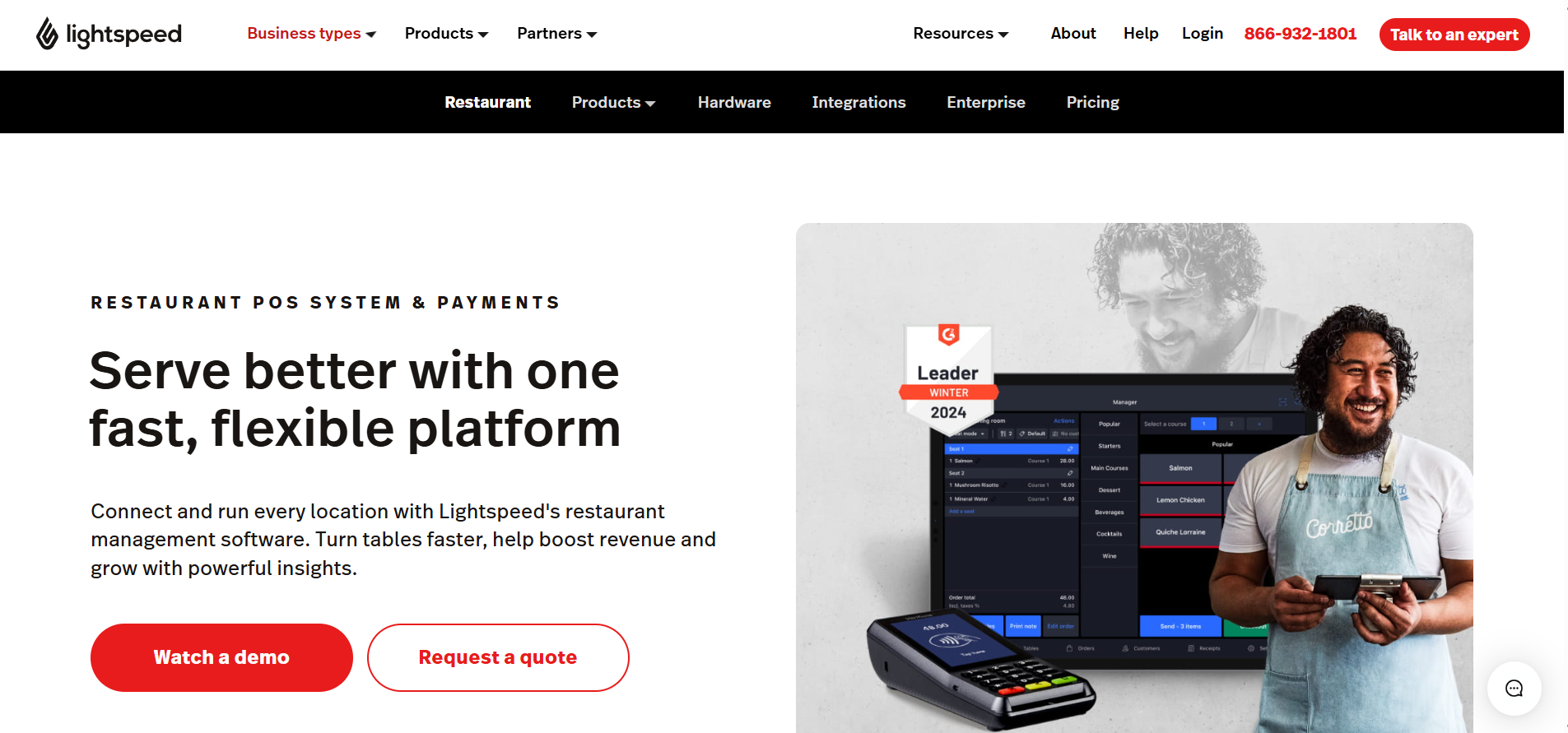
Lightspeed Restaurant focuses on scalability and inventory control for growing restaurant groups. It helps maintain consistency across menus, pricing, and reporting. The cloud-based system supports data-driven decisions across locations. It is often chosen by operators managing complex inventory workflows.
Key features include:
Best for: Restaurant groups and multi-location brands focused on inventory accuracy and scalability.
Also Read: 35 Best Restaurant Marketing Ideas for Success.
4. TouchBistro
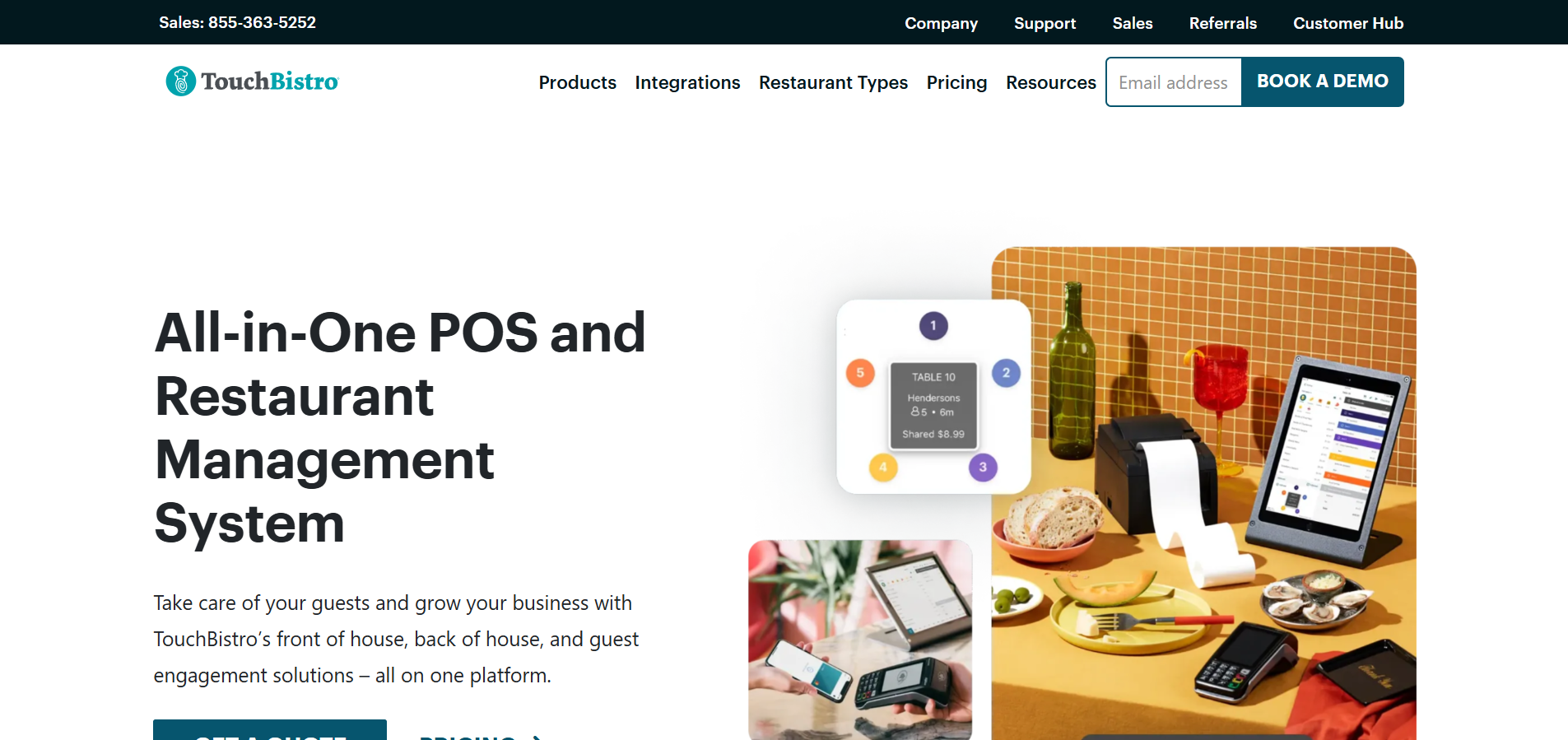
TouchBistro is built specifically for dine-in service environments. It emphasizes front-of-house efficiency through intuitive table and floor management. The iPad-based system is easy for staff to learn. Offline functionality ensures uninterrupted service during connectivity issues.
Key features include:
Best for: Dine-in and full-service restaurants prioritizing table management and guest experience.
5. Resy
Resy focuses on reservation management and demand control. It helps restaurants manage bookings, waitlists, and guest flow during peak periods. The platform emphasizes guest experience rather than full operational management. It works best when paired with a POS or management system.
Key features include:
Best for: Restaurants that rely heavily on reservations and structured seating management.
6. Square for Restaurants
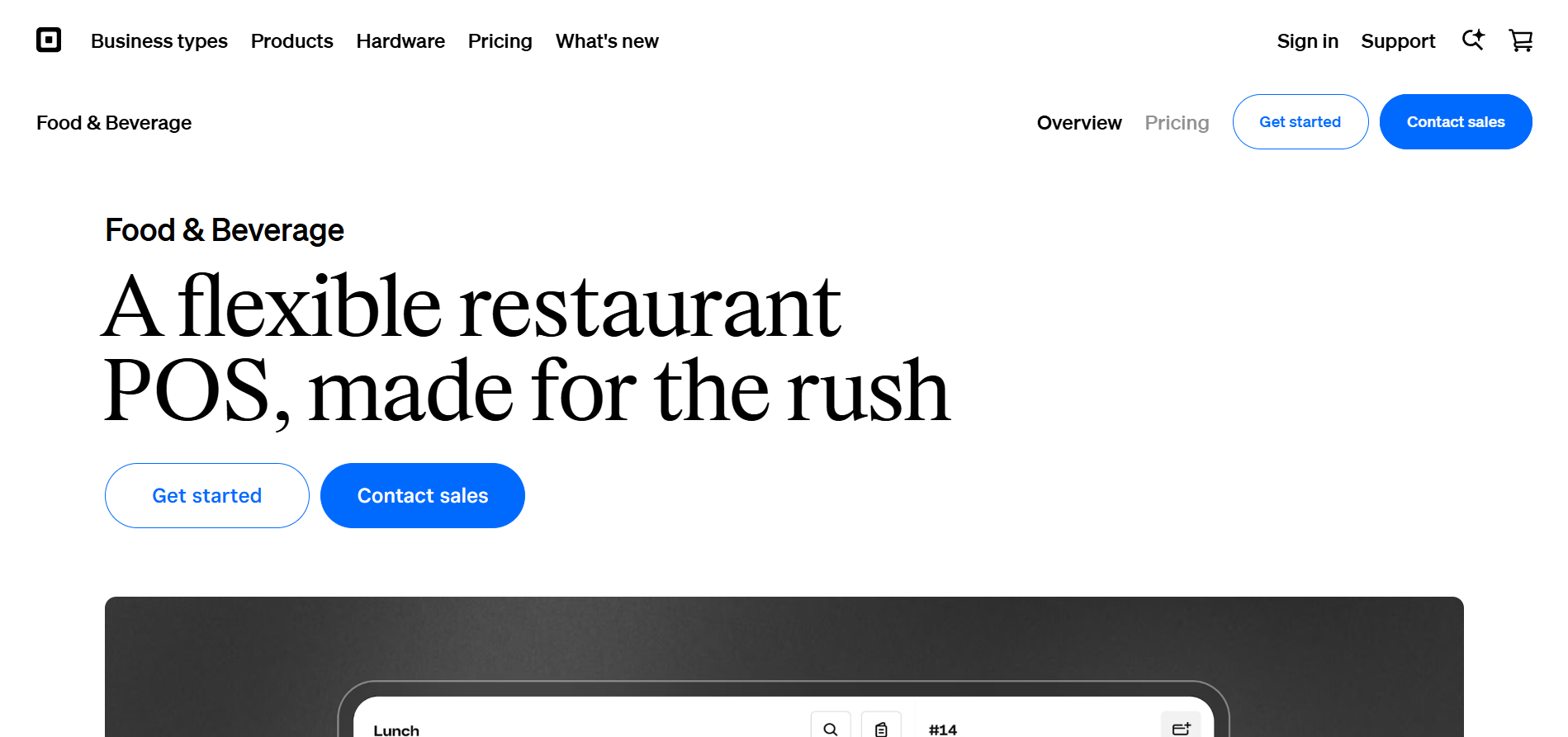
Square for Restaurants offers a simple and affordable way to manage basic restaurant operations. It combines POS, payments, and table management in one system. Lower setup costs make it accessible for smaller teams. The platform is easy to deploy with minimal technical overhead.
Key features include:
Best for: Small or new restaurants seeking affordable and easy-to-use tools.
Recommended: Omnichannel Restaurant Experience: Boost Profits and Cut Third-Party Fees.
7. 7shifts
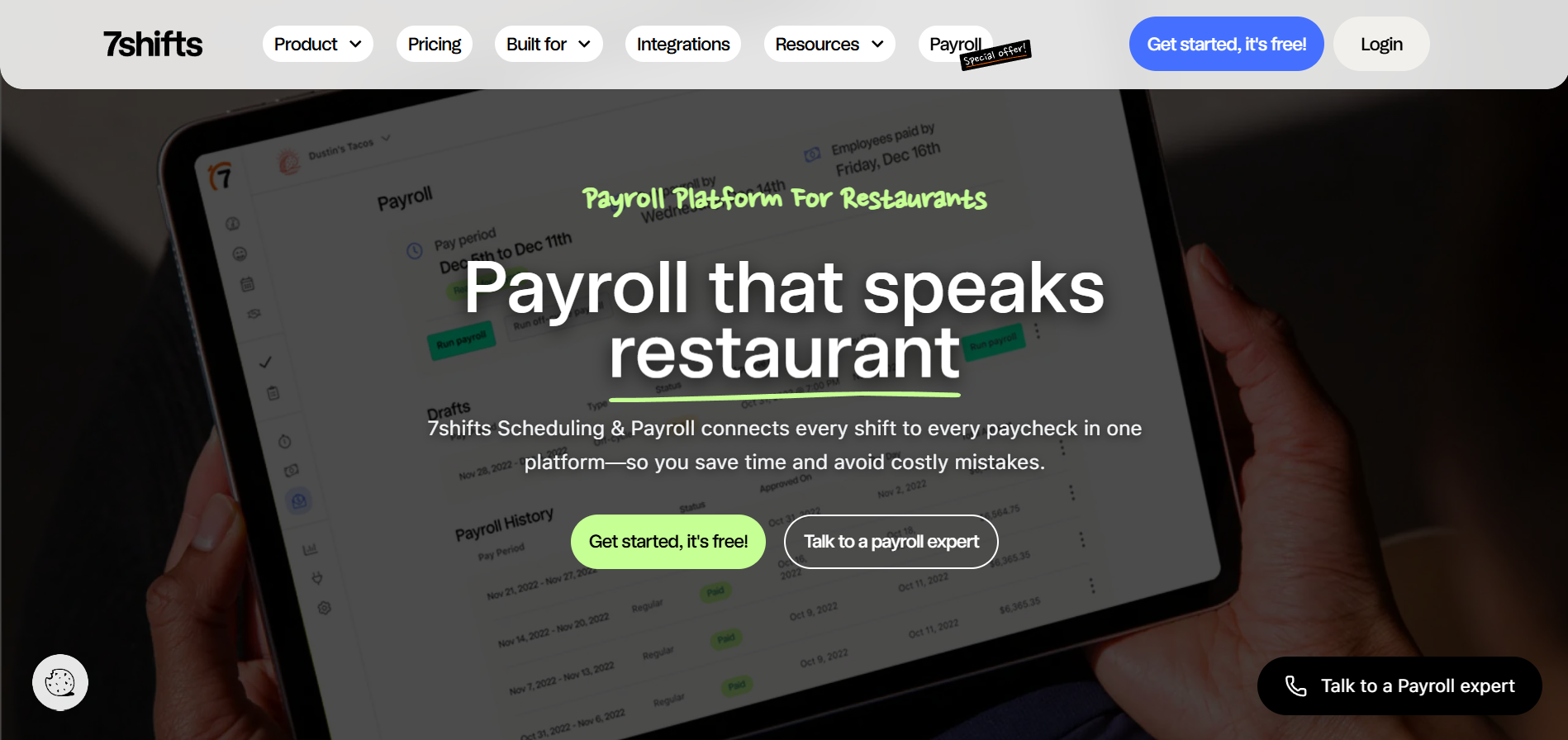
7shifts is a workforce management platform focused on labor efficiency. It helps you align staffing levels with actual demand. By improving scheduling accuracy, the tool supports better cost control and staff satisfaction. It is commonly used alongside POS systems.
Key features include:
Best for: Restaurants needing stronger control over labor scheduling and costs.
8. Olo
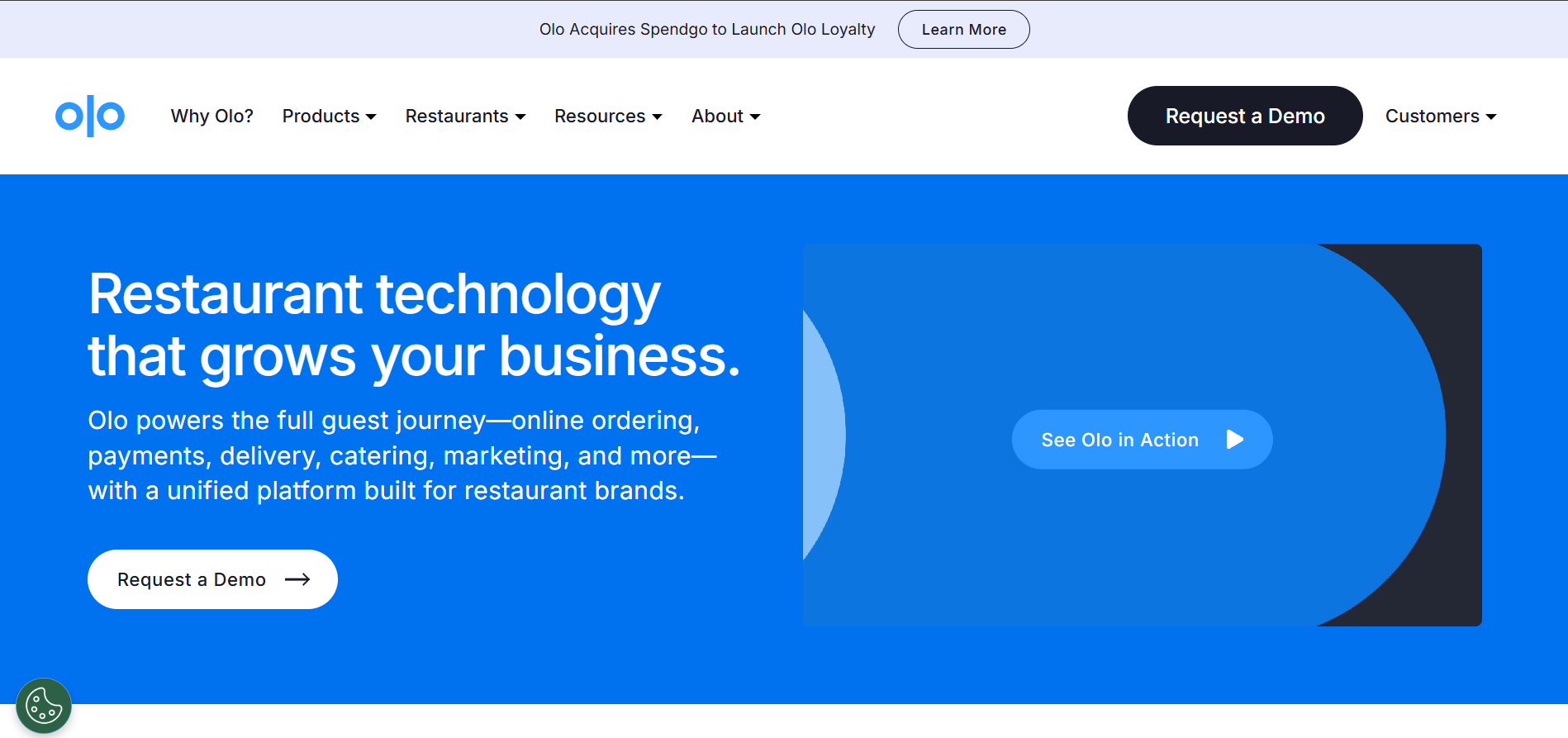
Olo specializes in managing and routing digital orders from multiple channels. It helps streamline kitchen workflows for delivery-heavy operations. The platform focuses more on order orchestration than guest engagement. It is not a full management system on its own.
Key features include:
Best for: Restaurants with high online and delivery order volumes.
9. Fishbowl
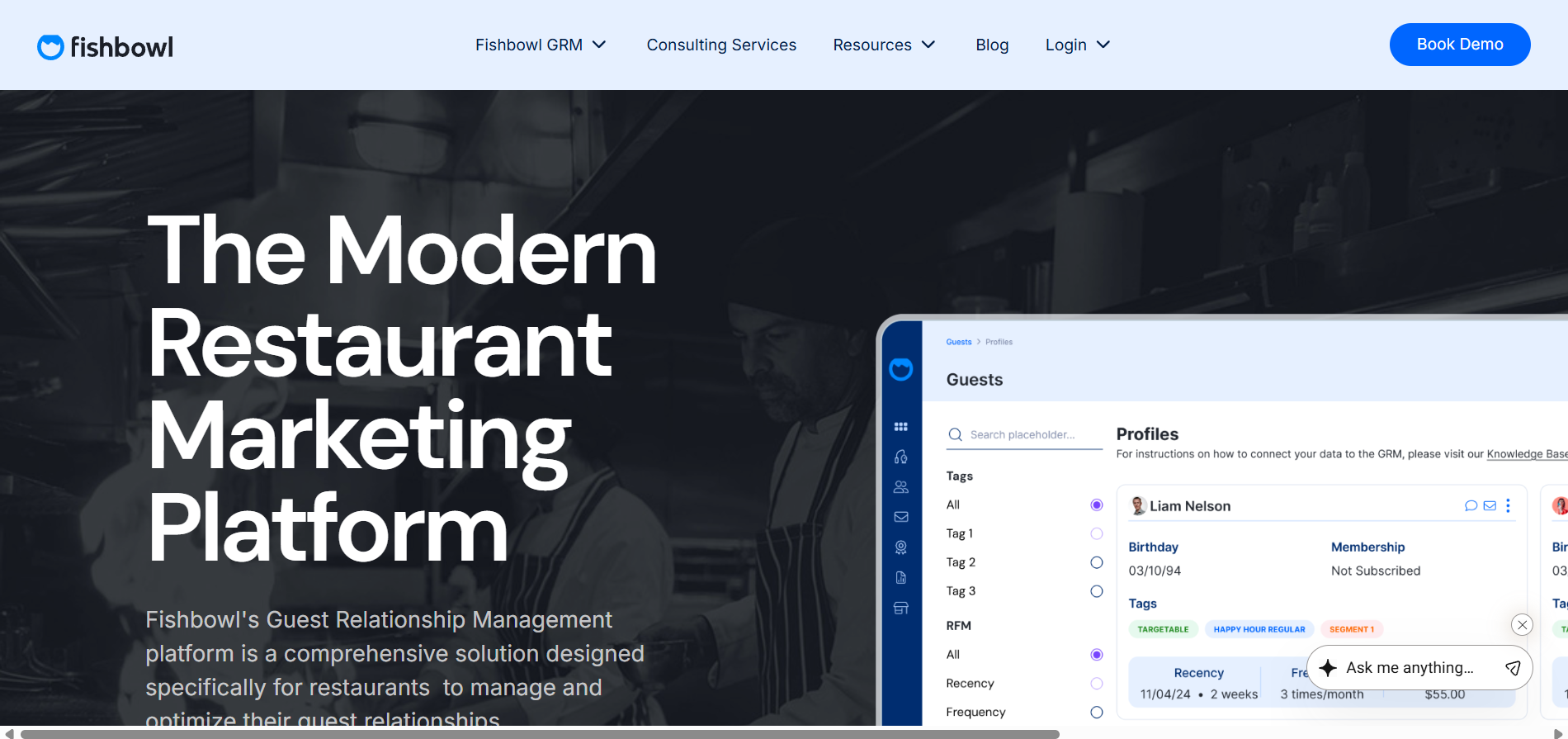
Fishbowl focuses on back-of-house inventory and purchasing workflows. It helps restaurants gain tighter control over food costs. The system supports better forecasting and supplier coordination. It is often used alongside POS platforms.
Key features include:
Best for: Restaurants struggling with inventory accuracy and food cost control.
Read: 7 Proven Ways to Improve Guest Experience and Loyalty.
10. Zonka Feedback
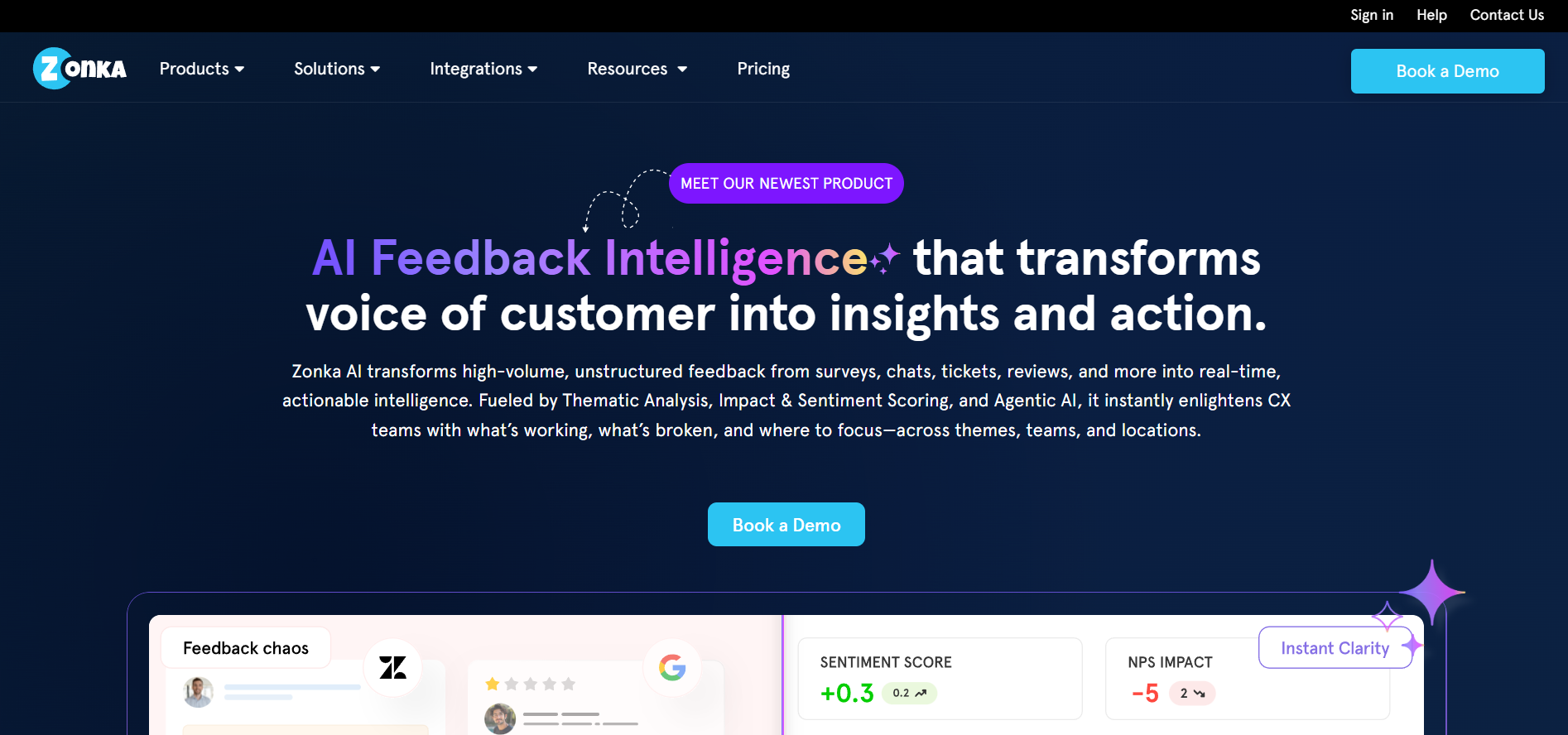
Zonka Feedback helps restaurants collect structured guest feedback. It supports surveys and sentiment analysis across touchpoints. Insights from guest responses highlight service gaps. This supports continuous improvement and experience optimization.
Key features include:
Best for: Restaurants focused on improving service quality through guest feedback.
Each app below serves a distinct purpose, helping restaurant owners choose solutions that align with their specific needs.
Selecting the right restaurant management app starts with understanding how your restaurant operates today and which areas need the most support. The following factors can help you narrow options without adding unnecessary complexity.
Evaluating these areas helps restaurant owners choose a platform that supports daily service while staying flexible for future growth.
Restaurant management technology plays a direct role in how smoothly your operations run and how consistently your restaurant grows. The right platform should support ordering, delivery, marketing, loyalty, and guest engagement from one place.
iOrders is designed as an all-rounder solution for restaurant operators who want control without complexity. It brings commission-free ordering, flexible delivery, analytics, loyalty, and marketing together under a single branded ecosystem you own.
It helps centralize your digital workflows so you can maintain margins, strengthen customer relationships, and scale with confidence. You stay in control of your data, pricing, and guest experience at every touchpoint. Get started today and take control of your restaurant’s growth!
1. Can a restaurant use multiple management apps at the same time?
Yes, many restaurants use multiple tools to handle different functions like staffing, inventory, and guest feedback. However, managing several platforms often increases complexity and makes it harder to maintain consistent data.
2. How long does it take to set up a restaurant management app?
Setup time varies depending on the platform and your restaurant’s size. Most modern systems can be configured within a few days, including menu setup, integrations, and staff onboarding.
3. Do restaurant management apps work for both dine-in and delivery operations?
Many platforms support both dine-in and delivery workflows. The key is choosing a system that keeps orders, guest data, and reporting centralized across all service types.
4. How do restaurant management apps handle data ownership and privacy?
Data ownership depends on the platform’s model. Some systems allow restaurants to fully own customer data, while others limit access or share it across third-party marketplaces.
5. What should restaurants consider before switching to a new management app?
Before switching, evaluate how the new system integrates with existing tools and workflows. It is also important to assess staff training needs and long-term scalability.