Book a free demo
Oops! Something went wrong while submitting the form.
June 15, 2026

Most restaurant promotions fail for one simple reason: customers have seen them too many times before.
Generic discounts, copy-paste happy hours, and “10% off” campaigns do not stand out anymore, especially when customers are constantly scrolling through delivery apps, Instagram ads, loyalty offers, and competitor promotions every single day.
At the same time, restaurants are under more pressure to make every campaign count. According to the National Restaurant Association, 90% of restaurant operators say labor and food costs continue to put major pressure on profitability in 2026.
That means promotions can no longer afford to be random traffic grabs. They need to drive repeat business, increase order value, improve customer retention, and support long-term growth.
In this blog, we’ll break down the restaurant marketing promotions that are actually helping restaurants increase repeat visits, improve slower dayparts, boost online ordering, strengthen loyalty, and create better customer engagement in 2026, along with how technology platforms help make those campaigns easier to manage.
The Restaurant Margin Playbook shows you how to build a direct ordering channel, own your customer relationships, and reclaim the margins delivery platforms are quietly taking.
Download the eBook →.png)
Most restaurants today are competing in a much more crowded and value-conscious market where customers constantly compare prices, convenience, delivery options, loyalty perks, and online visibility before deciding where to order from.
At the same time, restaurants are dealing with rising food costs, thinner margins, higher customer acquisition costs, and changing diner behavior. That shift has changed how promotions are being used across the industry.
In many cases, modern restaurant promotions are becoming part of a larger customer retention strategy than short-term sales tactics.
Here’s how smart restaurant marketing promotions are helping restaurants grow more sustainably in 2026:
Also read: The Complete Restaurant Reputation Management Guide for 2026
The biggest shift happening in 2026 is that restaurants are moving away from “discount-first marketing” and toward retention-focused marketing systems built around loyalty, customer data, digital ordering, and repeat behavior.
The restaurants generating stronger engagement in 2026 are creating promotions that feel interactive, exclusive, social, or emotionally rewarding instead of purely transactional.
Here are more creative restaurant marketing promotion ideas that go beyond generic discount campaigns:
Random tables receive surprise discounts, free desserts, or fully covered meals without any warning beforehand. Nobody knows if their table will be chosen, which means every diner feels like they're in with a chance.
The unpredictability is the whole point. A customer who got their meal covered for free doesn't just feel lucky, they tell people. That story travels further than any paid ad you could run, and the cost to you is one covered table per night.
How to run it: Keep it genuinely random. Use a dice roll, a lucky number system, or a sealed envelope draw at the start of service. Announce it on your socials beforehand so people come in knowing it might happen. That anticipation alone increases footfall.
Place rotating QR codes around the restaurant on table cards, coasters, napkin holders, or the back of the receipt. When scanned, each code reveals a hidden menu item, a surprise reward, or a limited-time dish available only that day.
It turns a regular visit into something interactive. Customers are actively engaging with your space rather than passively waiting for food. Hidden or exclusive items also drive social sharing because people love posting things that feel like a discovery.
How to run it: Update the QR destination weekly so regulars have a reason to keep scanning. A simple URL redirect is all you need technically. Tie the hidden items to your high-margin dishes so the offer works for your kitchen, not against it.
Remove dish names from a special menu and replace them with ingredient clues, emojis, or abstract descriptions. Guests order entirely on instinct and curiosity, with no safe fallback to the familiar dish they always order.
It's one of the most naturally shareable dining formats available. Every table ends up discussing their choices, photographing the menu, and posting their results. The experience itself becomes the content.
How to run it: Start with a limited version, a silent specials board or a weekend-only silent menu, rather than replacing your full menu overnight. Brief your staff well so they can guide curious guests without giving too much away. The conversation between server and guest is half the experience.
One receipt number every day or week wins a significant reward, free meals for a month, a VIP membership, a private tasting event, or a substantial gift card.
Every customer who receives a receipt is now holding a potential winning ticket. That small psychological shift changes how people feel about paying. The bill becomes part of the game. It's also extremely low cost relative to impact: one winner per week, but every customer who visits that week is engaged.
How to run it: Print the winner announcement on the receipts themselves or post the winning number on Instagram Stories the following morning. The delayed reveal gives you a daily social media touchpoint that costs nothing extra.
Customers submit their own meal combinations, specific pairings, modifications, or sauce experiments, and the best one gets added to the menu temporarily under the customer's name.
It creates genuine ownership. A customer whose combination made it onto the menu doesn't just come back, they bring everyone they know to try "their" dish. The contest itself generates submissions, engagement, and social content across every entry round.
How to run it: Run submissions through Instagram DMs or a simple Google Form linked in your bio. Keep the judging criteria simple, best flavor combination wins, voted on by staff or by public poll. A monthly cycle keeps momentum going without overwhelming your kitchen.
Instead of a passive points system where customers accumulate points slowly and redeem them rarely, streak-based rewards give customers a short-term target to chase. "Order three Fridays in a row and get your fourth Friday free" or "visit twice this week to unlock a surprise reward" creates urgency that a points balance sitting in an app never does.
Streaks work because they create a specific behavioural goal with a clear deadline. A customer who has already ordered two Fridays in a row is highly motivated to come back the third Friday, not because the reward is exceptional, but because they don't want to break the streak.
How to run it: Keep the streak short enough to feel achievable, two to four steps is the sweet spot. Longer streaks lose people early because the reward feels too far away. Push streak progress updates proactively through your app or SMS, "You're one visit away from unlocking your reward" is one of the highest-converting messages a restaurant can send.
Invite customers to submit short stories about a terrible workday, a rough week, a bad date, or a stressful situation. Selected entries receive a free comfort meal, a surprise upgrade, or a personal note from the kitchen.
This is emotional marketing done right. It's not transactional, it's human. The customers you help feel genuinely seen, and the stories you share (with permission) create the kind of authentic content that no ad budget can replicate.
How to run it: Keep submissions open through Instagram DMs or a simple form. Pick two or three winners a week, enough to keep it real without making it feel like a lottery. Post the stories anonymously with the customer's permission. The warmth this creates around your brand is long-lasting.
Instead of all-day promotions, launch a random one-hour flash offer announced only through Instagram Stories or SMS, with no advance warning and no scheduled timing.
It conditions your most engaged followers to pay attention to your channels consistently. If a great deal could drop any time, people stay tuned. It also creates genuine urgency without the margin damage of running a full-day discount.
How to run it: Announce it with a countdown sticker on Stories the moment it goes live. Keep the offer sharp, 40% off a specific item, free add-on with any order, or free delivery for the next hour. Text list subscribers get first access, which is also a strong reason for customers to opt into your SMS list.
On selected days each week, customers who order directly through your website or branded app get free delivery, while third-party platforms run at standard rates.
It gives customers a clear, tangible financial reason to shift their ordering behaviour, without you having to explain the commission economics behind it. Free delivery on a direct order is usually still more profitable for the restaurant than a paid delivery through a third-party platform charging 25-30% commission. You save more than you give away.
How to run it: Pick one or two weeknights where delivery volume is lower and you want to drive orders. Promote it consistently every week on your Stories and SMS list so customers start anticipating it rather than discovering it by accident. Once a customer orders directly twice, the habit tends to stick. The first direct order is the hardest one to get.
Each week, pit two dishes against each other in a public vote on Instagram Stories, your email list, or your Google Business Profile. The winning dish gets discounted or featured the following week.
Voting is one of the highest-engagement formats on social media because it requires almost no effort from the participant. Every vote is also a touchpoint, a moment where a customer thinks about your food and your restaurant, even if they're not eating there that day.
How to run it: Keep it simple. Instagram's built-in poll sticker is enough. Run the vote Sunday to Wednesday, announce the winner Thursday, and feature the dish Friday through Sunday. The winning dish should always be a high-margin item so the discount still works for your numbers.
During lunch rushes or busy service windows, publicly guarantee a prep time on selected dishes. If the kitchen misses the window, customers automatically receive a free add-on, a future discount, or a complimentary upgrade with no questions asked.
It does two things simultaneously. It creates a performance challenge that energizes your kitchen team, and it builds customer trust by showing you're confident enough in your operations to put something on the line. The transparency is itself a selling point.
How to run it: Start with one or two dishes that your kitchen can reliably hit in the guaranteed time. Make the timer visible, a physical timer on the counter or a note on the order confirmation works well. Be honest about it when the kitchen misses. Honoring the promise promptly is what builds a reputation.
Automatically surprise customers when they hit specific loyalty milestones, their 10th visit, their 25th order, their first year as a loyalty member, or a points threshold.
Most loyalty programs reward customers for doing something, like redeeming points. Milestone celebrations reward them simply for being a regular, which feels fundamentally different and builds a much stronger emotional connection to your brand.
How to run it: Set up automatic triggers through your loyalty system that fire a personalized message and reward at each milestone. The message matters as much as the reward. A note that says "you've been coming to us for a year and we genuinely appreciate it" lands very differently from a generic coupon. Keep the reward proportional to the milestone so it feels earned.
Hide a weekly password inside your social media captions, Stories, or email newsletters. Customers who spot it and quote it in-store or at checkout unlock an exclusive item, upgrade, or discount not available to anyone else.
It rewards your most engaged followers with something tangible, which trains them to pay attention to everything you post. It also gives people a genuine reason to read your captions rather than just scroll past, which improves your organic reach and content performance over time.
How to run it: Keep the code word subtle but findable, buried in a caption, hidden in an Instagram Story frame, or tucked into a newsletter paragraph. Change it weekly to keep people checking consistently. The offer it unlocks should feel genuinely exclusive, not just 10% off, but something customers can't get any other way.
Customers placing direct online orders get a digital spin wheel after checkout offering random rewards, a free side on their next order, bonus loyalty points, a surprise discount, or a freebie added to their current order.
It transforms the moment right after a customer has already committed to an order, typically a low-engagement screen, into something exciting. The randomness keeps it genuinely fun, and the rewards tied to future visits drive repeat ordering without a fixed discount cost on every transaction.
How to run it: Build this into your direct ordering checkout flow. Weight the wheel so smaller rewards like bonus points or a free sauce appear most frequently, with larger rewards appearing rarely but meaningfully. The anticipation of spinning becomes its own reason to order directly rather than through a third-party app.
The strongest restaurant promotions in 2026 feel interactive, surprising, and community-driven. Customers increasingly respond to experiences that make them feel involved, recognized, or part of something exclusive.
Also read: Customer Self-Ordering System in Fast Food Restaurants
The strongest restaurant brands usually combine multiple promotion types together instead of relying on one tactic repeatedly.
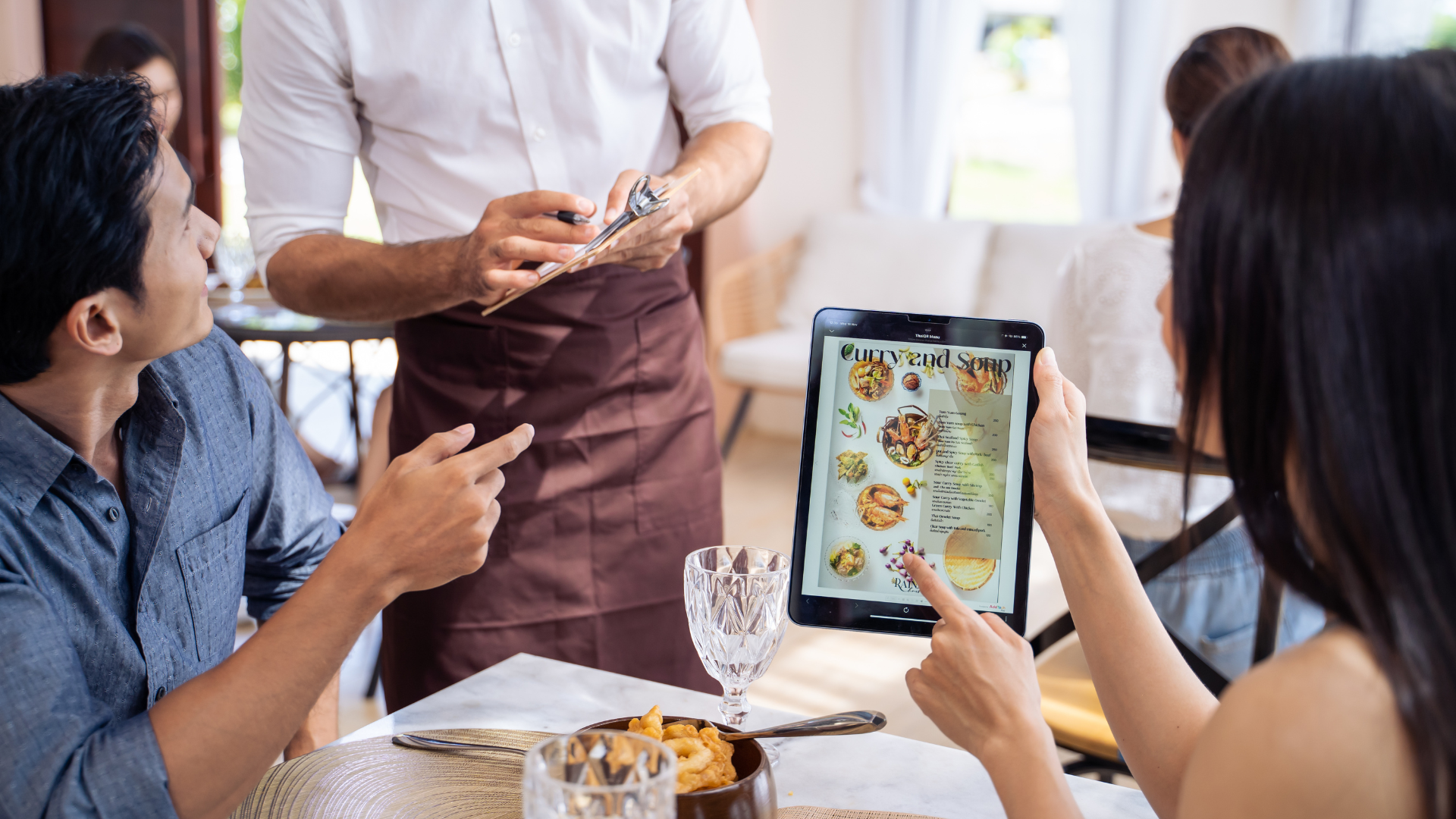
One of the biggest mistakes restaurants make is launching promotions without understanding what business problem they are actually trying to solve.
A promotion should never exist just to “get more customers.” The strategy behind the campaign matters just as much as the offer itself.
Before launching any restaurant marketing campaign, restaurants should focus on a few important areas first.
Also read: How to Boost Restaurant Sales Across Dine-In and Online
Strong operational planning helps promotions improve customer experience instead of overwhelming the business during busy periods.
Restaurant promotions are much harder to manage manually today than they were a few years ago. Restaurants now run campaigns across online ordering platforms, QR menus, loyalty programs, delivery systems, mobile apps, social media, SMS campaigns, and dine-in operations simultaneously.
Without connected systems, promotions quickly become inconsistent, difficult to track, and operationally messy.
That is why restaurants increasingly rely on technology not just to launch promotions, but to manage customer behavior, automate campaigns, improve targeting, and track performance more accurately.
Here’s how modern restaurant technology is improving marketing promotions in 2026.
This is where platforms like iOrders become especially valuable for restaurants trying to manage promotions more strategically.
Instead of treating online ordering, loyalty programs, pricing, analytics, and customer engagement as disconnected systems, iOrders brings them together into one restaurant-focused ecosystem designed to support both operations and marketing performance.
With iOrders, restaurants can:
For restaurants in 2026, the biggest marketing advantage is no longer simply “running promotions.” It is having connected systems that help promotions perform consistently across ordering, loyalty, customer engagement, and operational workflows at the same time.
iOrders gives restaurants a clearer view of what is actually happening across orders, loyalty, pricing, and customer behavior. Instead of guessing which offers are pulling their weight, owners can see what people are ordering, what they are coming back for, and where promotions are helping or missing the mark.
That makes it easier to run campaigns that feel more relevant, keep menus up to date, and build repeat business without juggling a bunch of separate tools.
Book a free demo with iOrders and see how a more connected setup can make day-to-day marketing decisions a lot easier.
.webp)
1. How often should restaurants run marketing promotions?
Restaurants should run promotions consistently throughout the year, but the timing and type of campaign should change based on seasonality, customer behavior, slower dayparts, and business goals instead of repeating the same offers constantly.
2. What type of restaurant promotions usually generate the best customer engagement?
Interactive promotions tend to perform best because they encourage participation. Campaigns involving exclusivity, gamification, social sharing, loyalty rewards, or limited-time experiences usually create stronger engagement than simple discounts.
3. Are discounts still effective for restaurant marketing in 2026?
Discounts can still work when used strategically, especially during slower periods, but restaurants relying only on heavy discounting often struggle to build long-term customer loyalty or protect margins.
4. Why are restaurants focusing more on direct online ordering promotions?
Direct ordering helps restaurants keep more revenue, maintain ownership of customer data, and build stronger long-term customer relationships instead of depending entirely on third-party delivery marketplaces.
5. How do loyalty programs improve restaurant promotions?
Loyalty programs help restaurants reward repeat behavior, personalize offers, increase customer retention, and encourage customers to order more consistently over time.