Book a free demo
Oops! Something went wrong while submitting the form.
May 15, 2026
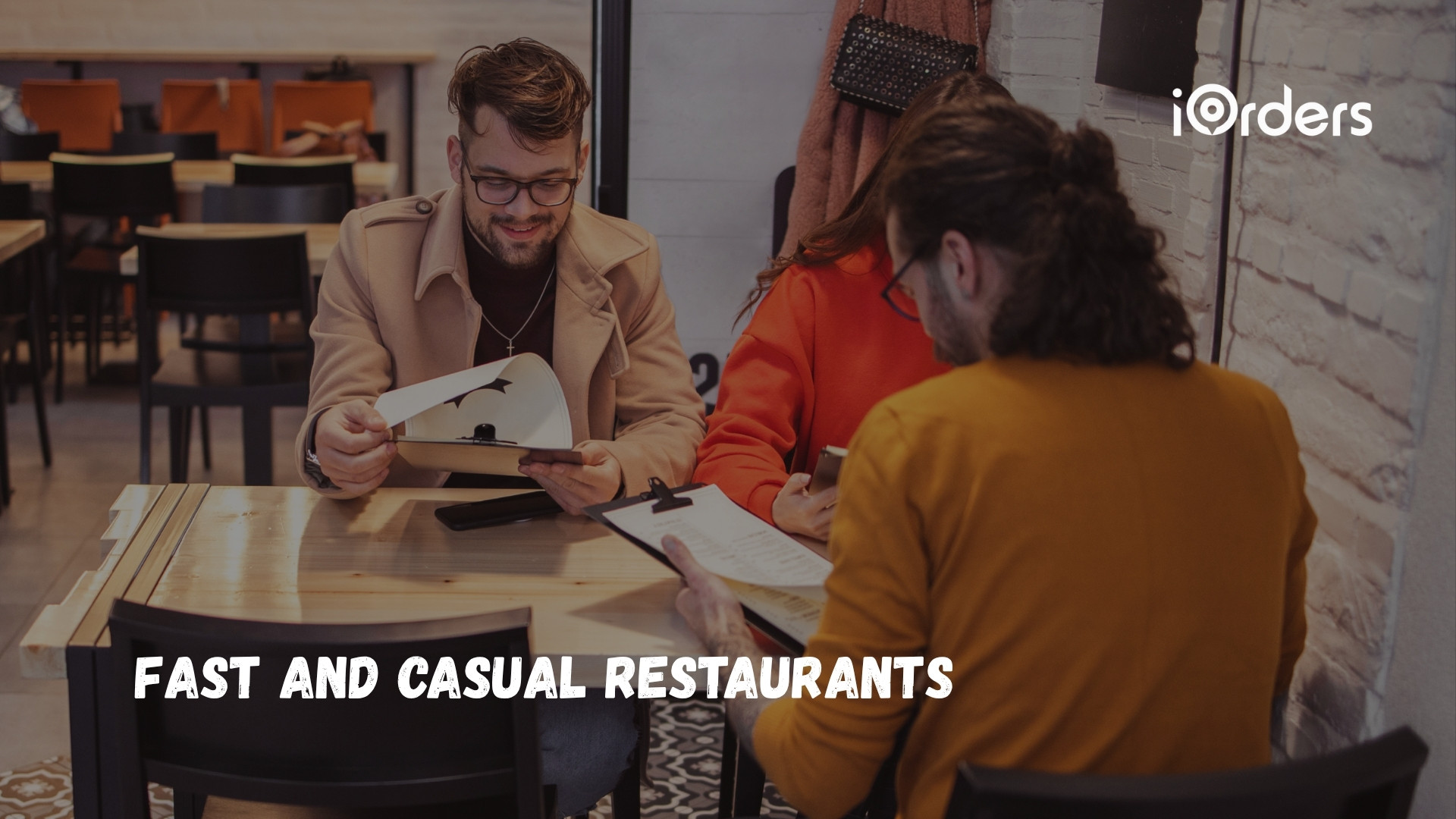
The fast-casual restaurant space is becoming more demanding each year. Customer expectations are rising, while order frequency continues to increase across digital and in-store channels. According to OpenTable, Canadians are expected to dine out nearly 6 times per month in 2026, highlighting a sharp rise in demand that restaurants must handle efficiently.
As demand grows, the pressure on fast-casual operators also increases. You are expected to deliver speed, consistency, and quality across every order. At the same time, relying on third-party platforms reduces your margins and limits control over customer data. This creates a gap between growing demand and sustainable profitability.
In this blog, you'll learn how to scale your fast and casual restaurant with better margins, faster operations, and stronger customer retention.
A fast-casual restaurant combines the speed of quick service with higher-quality food and a more structured customer experience. You operate with limited service, while focusing on fresh preparation, menu customization, and consistent branding across every order. This model is widely used by independent restaurants, regional chains, QSRs, and ghost kitchens that need to balance speed with perceived value.
For growing restaurant businesses, this model offers more control but also adds operational complexity. You are expected to deliver fast service while managing multiple order channels and maintaining consistency. This makes it important to build systems that reduce reliance on third-party platforms and give you full control over customer data.
To understand where your fast-casual restaurant stands, you need a clear comparison with other dining models. Let’s break down these differences so you can identify where you have control and where inefficiencies may affect your margins.
The Restaurant Margin Playbook shows you how to build a direct ordering channel, own your customer relationships, and reclaim the margins delivery platforms are quietly taking.
Download the eBook →.png)
Each model follows a different approach to pricing, service, operations, and customer expectations. These differences directly impact your margins, speed, and scalability. The comparison below outlines how fast-casual stands apart from fast food and casual dining across key business factors:
Choosing the right model requires balancing speed, cost, and customer experience. Fast food focuses on volume, casual dining on experience, while fast-casual offers a middle ground with quick service and quality.
Fast-casual provides better margin control and operational flexibility, but to sustain growth, restaurants need strong systems to manage orders, maintain consistency, and scale efficiently. Let’s explore how they achieve this.
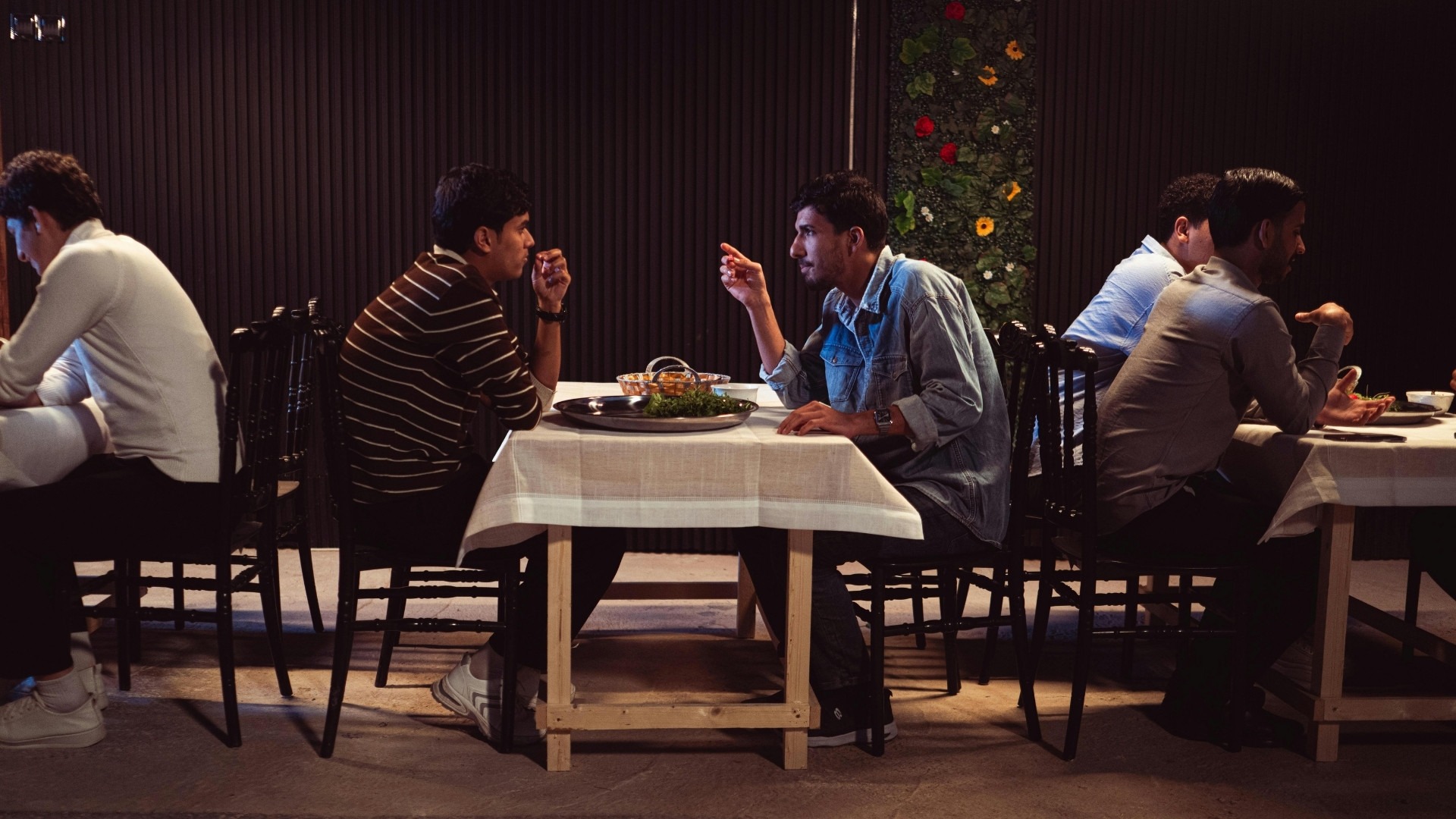
Fast-casual restaurants are succeeding by blending speed, quality, and value to meet today’s customer expectations. Independent restaurants, local chains, QSRs, and ghost kitchens can use this model to improve profitability, simplify operations, and attract the next generation of diners.
Here are the key factors driving this growth:
While growth is promising, it also demands careful handling of orders, staff, and customer experience. A comprehensive digital platform like iOrders brings ordering, payments, and customer engagement into one system while improving your online visibility.
Also Read: Understanding Digital Customer Engagement Platforms for Restaurants
To fully capture these growth opportunities and keep operations running smoothly, fast-casual restaurants need the right technology in place. Let’s explore the essential tools that make this possible.
To scale efficiently while maintaining speed and quality, fast-casual restaurants rely on technology that optimizes operations, improves accuracy, and enhances the customer experience. These tools allow operators to manage high volumes without sacrificing service standards.
Modern point-of-sale (POS) systems act as the central hub for all operations. They integrate orders from online channels, kiosks, and in-store counters, routing them seamlessly to the kitchen. Handheld POS devices allow staff to take orders anywhere, reducing errors and improving speed.
Fast-casual menus often offer customization and “build-your-own” options. Mobile apps and online platforms make it easy for customers to place orders directly, increasing margins while capturing valuable customer data.
Kiosks optimize in-store ordering by letting customers place and pay for their orders independently. This reduces labor costs, shortens wait times, and can boost average order value through automated upsells.
KDS screens organize orders for kitchen staff, helping them prioritize and track preparation efficiently. Delivery assignments can also be managed via these systems, while customer-facing displays provide real-time status updates.
Targeted campaigns are critical for fast-casuals aiming to engage younger, digitally-savvy diners. Social media, influencer partnerships, and email or SMS marketing can help drive repeat orders and build loyalty.
Also Read: Top 10 Restaurant Advertising Campaigns: Inspiration from Top Ads
Even with the right technology in place, fast-casual operators still need to address staffing, workflows, and customer expectations. Let’s explore how they can overcome these challenges.
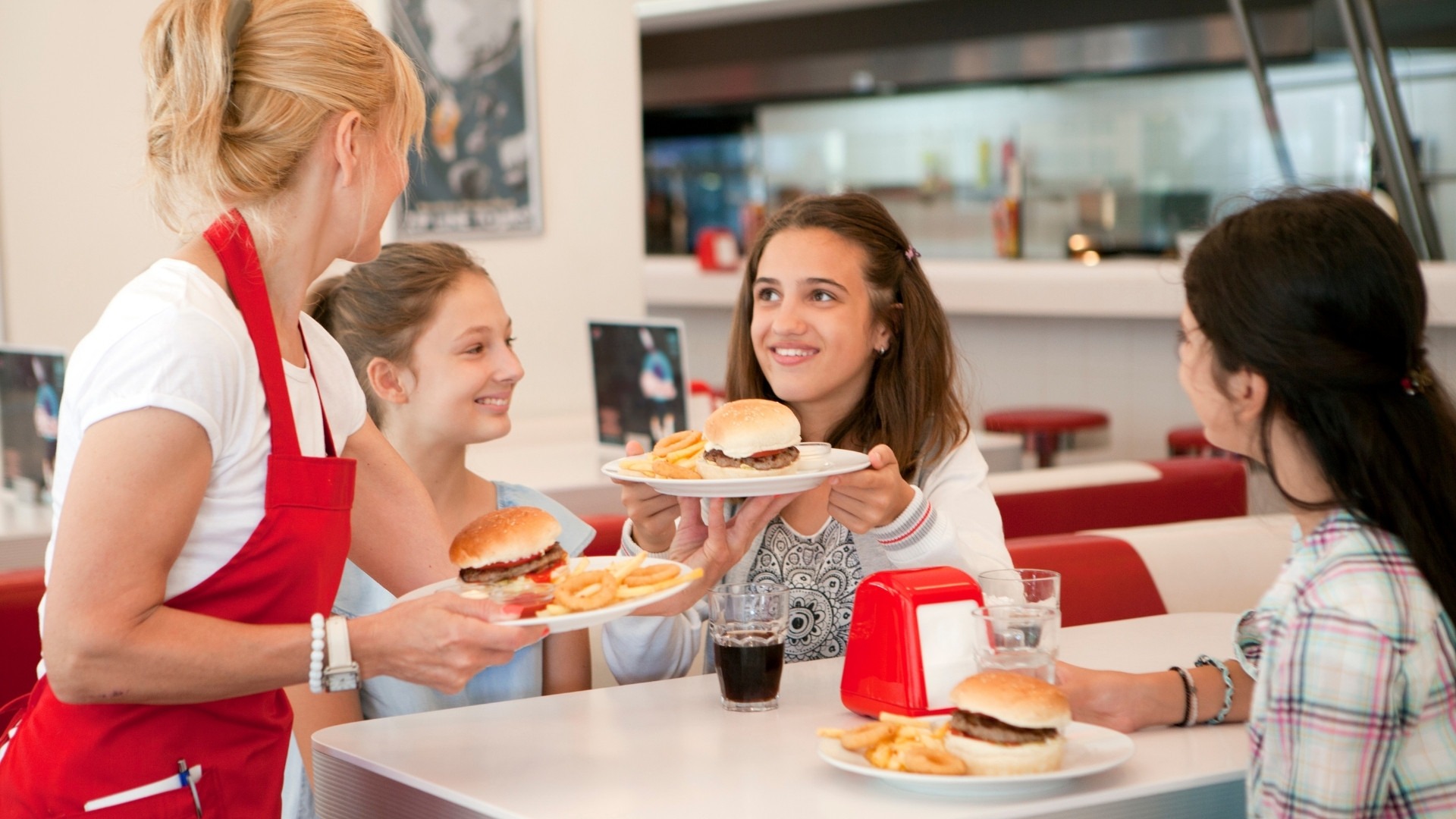
Fast-casual restaurants offer strong margins and flexibility, but daily execution often creates bottlenecks. Here are a few common issues that can disrupt operations and affect order flow:
Orders coming from multiple channels often do not sync in real time. This creates delays in routing orders to the kitchen, especially during high-volume periods.
Solutions:
During rush hours, kitchens struggle to manage dine-in, pickup, and delivery orders simultaneously. This leads to longer wait times and inconsistent food quality.
Solutions:
Manual order entry and coordination increase the risk of errors and slow down service. This becomes a major issue when handling large order volumes.
Solutions:
To enhance margins and operational control, many fast-casual restaurants are adopting commission-free platforms like iOrders. It simplifies operations, reduces platform costs, and enables fully branded delivery through integrations such as DoorDash Drive or Uber Direct.
Let’s see how this technology further helps restaurants scale efficiently.
iOrders is built to help restaurants manage multiple revenue channels without adding extra workload to your team. It brings ordering, delivery, and customer engagement into one system, making it easier to scale while protecting margins.
Many fast-casual restaurants struggle with high commission fees, limited branding, and a lack of control over customer data when relying on third-party platforms. iOrders addresses these pain points by bringing together ordering, delivery, and customer engagement into a single integrated system, helping restaurants scale efficiently.
Key Features:
Restaurants handle preparation and fulfillment, while iOrders acts as the central system that manages order flow, integrates with POS, and keeps operations running smoothly. If you want to scale revenue without sacrificing margins or control, iOrders provides the foundation for efficient growth.
Fast-casual restaurants offer tremendous growth potential, combining speed, quality, and value to meet today’s customer expectations. But success depends on keeping operations efficient, protecting margins, and maintaining consistent customer experiences. Relying too heavily on third-party platforms can reduce control and eat into profits, making it harder to scale sustainably.
By using iOrders, fast-casual restaurants gain full control over online orders, lower commission fees, and manage deliveries seamlessly through in-house staff or white-label integrations. The platform also enables centralized order management, loyalty programs, targeted campaigns, and AI-powered review responses, all under your own brand, helping you improve efficiency, retention, and profitability.
Request a demo today and see how iOrders can help your fast-casual restaurant scale efficiently, protect margins, and build stronger relationships with customers.
.webp)
1. How can fast-casual restaurants reduce customer acquisition costs?
You can reduce acquisition costs by shifting focus to direct channels like your website and app. Building email and SMS lists helps you re-engage customers without paid ads. Loyalty programs and referrals also bring repeat and new customers at lower costs. This reduces dependency on aggregator platforms for traffic.
2. What role does menu engineering play in fast-casual profitability?
Menu engineering helps you identify high-margin and high-demand items. You can optimize pricing, placement, and combinations to increase average order value. Removing low-performing items also simplifies kitchen operations. This improves both profitability and service speed.
3. How can fast-casual restaurants handle demand fluctuations effectively?
You can manage demand by analyzing order patterns and peak hours. Preparing ingredients in advance and adjusting staff schedules helps maintain consistency. Using real-time order tracking also prevents overload during rush periods. This ensures smoother operations without delays.
4. Why is first-party data important for fast and casual restaurants?
First-party data gives you direct access to customer preferences and behavior. You can use this data to personalize offers and improve retention. It also reduces reliance on third-party platforms for insights. This leads to better long-term revenue control.
5. How can fast-casual restaurants improve order accuracy?
Order accuracy improves when systems are integrated, and manual steps are reduced. Direct POS integration and kitchen display systems minimize errors. Clear workflows also help staff manage high order volumes efficiently. This leads to better customer satisfaction.