Book a free demo
Oops! Something went wrong while submitting the form.
December 18, 2025

A supplier drops off fresh produce in the morning, and everything looks perfect. Hours later, a batch of vegetables sits too long on the counter during a rush, and your team may not catch it until service begins. Small slips like this can change how guests feel about their meal.
A food quality monitoring system helps you track storage conditions, labeling, and prep routines so important details never get missed. With steady checks in place, every plate reflects the care you expect from your kitchen.
This blog outlines the essential components and processes that help restaurants maintain dependable food quality every day.
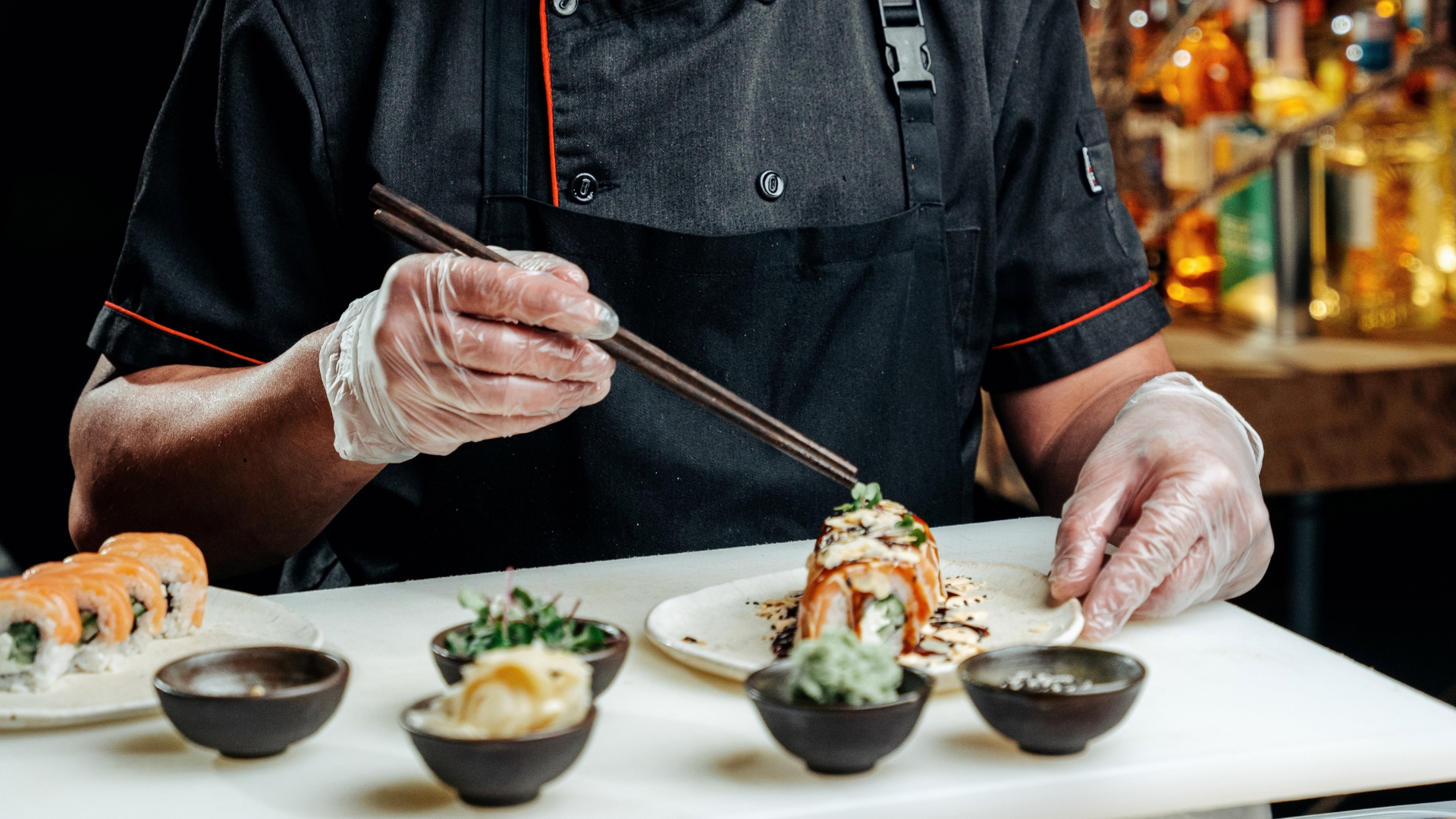
A food quality monitoring system is a structured method that helps restaurants track the condition, freshness, and safety of ingredients throughout their daily workflow. It brings together tools such as temperature checks, storage monitoring, labeling practices, and real-time data from sensors.
This system gives your team clear guidance on how ingredients should be stored, handled, and prepared at every step. The goal is simple: prevent spoilage, maintain consistency, and keep each dish aligned with your kitchen’s standards.
Also Read: 7 Proven Ways to Improve Guest Experience and Loyalty.
Food quality shapes how guests remember your restaurant. A clear monitoring process helps your team maintain freshness, prevent risks, and keep every dish consistent. It also supports smoother kitchen routines and better control over inventory. Here’s why you need one in place:
To apply food quality monitoring in your kitchen, you need the right components working together.
Recommended: Restaurant Business Models for 2025-26: Adapting to Modern Demands.
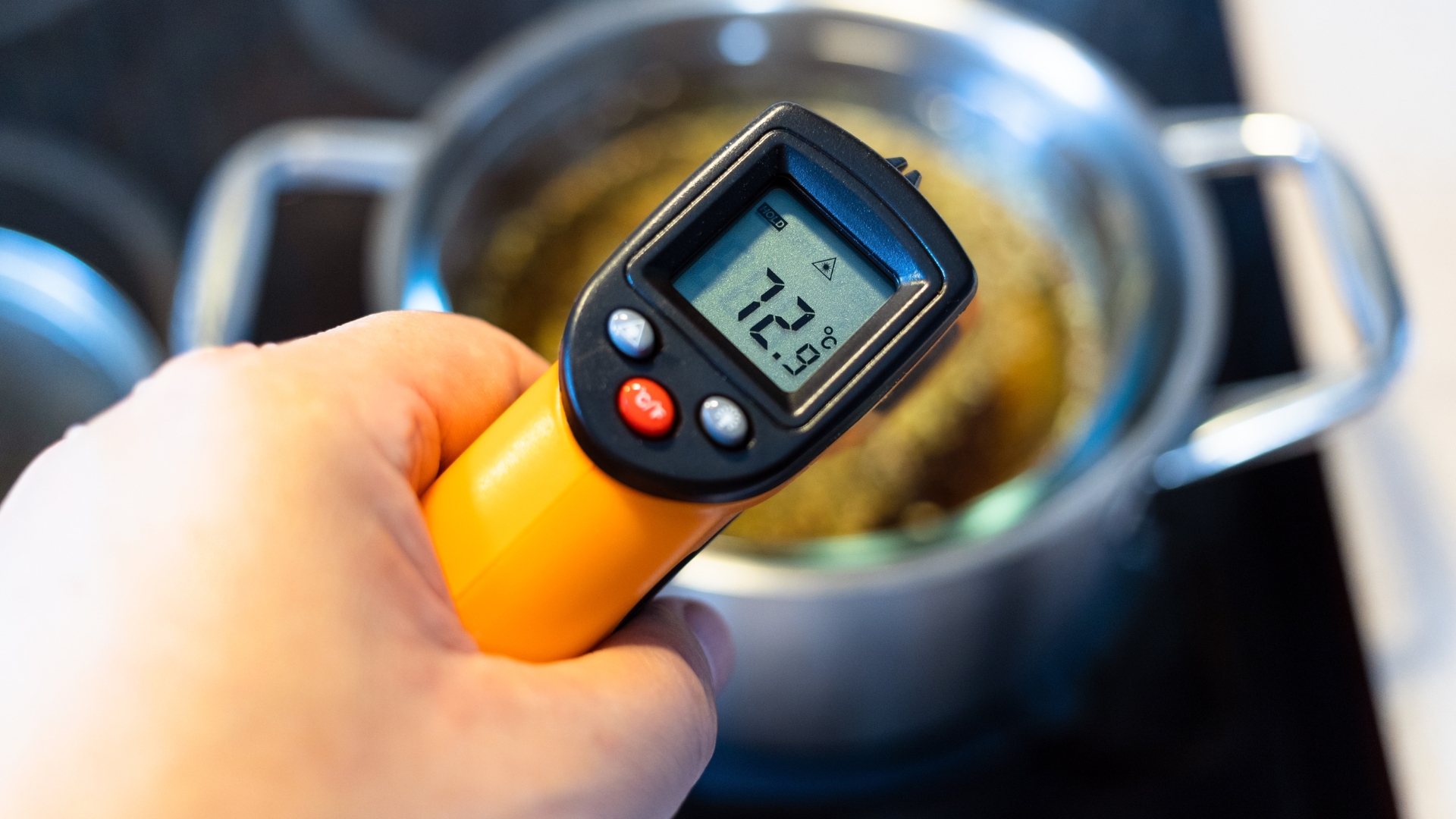
A reliable food quality monitoring system depends on several core elements working together. Each component helps your team maintain control from ingredient intake to final preparation.
These components work best when they are supported by clear standards and routine practices.
Also, check our blog to know more about Why Restaurant POS Integration is Key to a Seamless Ordering Workflow.
Clear standards and consistent practices give food quality monitoring a reliable structure. They help your team follow the same expectations during every shift, regardless of staff changes or service volume. Here are some aspects you need to set:
With standards in place, the next step is looking at the tools that help teams monitor conditions accurately.
Recommendation: How Customer Food Ordering Behavior Has Evolved Post‑Pandemic.
Sensor tools are devices that measure and record conditions that affect food freshness and safety. They collect data from storage, prep, and holding areas, giving your team clear visibility into what happens beyond manual checks. When used correctly, these tools support faster responses and more consistent quality control.
You can implement the following:
These tools are most effective when the information they collect is organized and easy to act on.
Also Read: Omnichannel Restaurant Experience: Boost Profits and Cut Third-Party Fees.
During busy service hours, teams cannot manually check every cooler, shelf, or prep area. This is where clear data tracking and well-defined alerts help maintain control. The goal is to flag risks early, not after food quality is affected.
Here are some alerts that you can set:
Once alerts are defined, the next step is connecting systems so information flows without manual effort.
When data flows from multiple areas of the kitchen, patterns become easier to recognize. Connected systems help restaurants move from reactive fixes to informed planning.
As systems become more connected, restaurants also need to plan for the challenges that come with adoption
Food quality monitoring improves consistency, but real kitchens face limits tied to staffing, time, and existing systems. Addressing these challenges early helps restaurants see long-term gains.
Addressing these constraints helps monitoring systems deliver steady results across shifts and locations.
Food quality is shaped by the small decisions made between delivery, storage, and service. When those moments are supported by clear systems and shared visibility, consistency becomes easier to maintain. Reliable monitoring helps teams stay aligned, reduce avoidable losses, and protect the standards guests expect.
Solutions like iOrders support restaurants by centralizing insights, simplifying daily oversight, and helping teams act with confidence across shifts and locations.
If you want better control without adding complexity, contact us to book a demo and see how it can support your restaurant.
1. How often should food quality checks be reviewed or updated?
Quality checks should be reviewed whenever menus change, new suppliers are added, or storage processes are adjusted. Regular reviews help keep standards relevant.
2. Can food quality monitoring work across multiple locations?
Yes. Standardized checks and shared records make it easier to maintain the same quality expectations across all locations and shifts.
3. Who should be responsible for food quality monitoring in a restaurant?
Responsibility often works best when shared. Managers oversee standards, while kitchen staff handle daily checks and logging.
4. Does food quality monitoring slow down kitchen service?
When systems are clear and simple, monitoring supports service by reducing rework, waste, and last-minute fixes during rush hours.
5. How do restaurants introduce monitoring without overwhelming staff?
Start with a few critical checks, then expand gradually. Clear routines and simple tools help teams adapt without added stress.
.png)