April 14, 2026
A slow Tuesday lunch can feel very different from a packed Friday night. You might see new faces walk in, place an order, and never return. Meanwhile, your regulars, office groups, weekend families, and late-night pickup customers are the ones keeping your revenue steady. In Calgary, where diners have several options within a few blocks, staying top of mind is a daily challenge.
Many restaurants try to fix this with punch cards or one-time discounts. The problem shows up a week later. Cards stay unused, staff forgets to mention them during a rush, and online orders rarely count. You give away margin without building repeat habits.
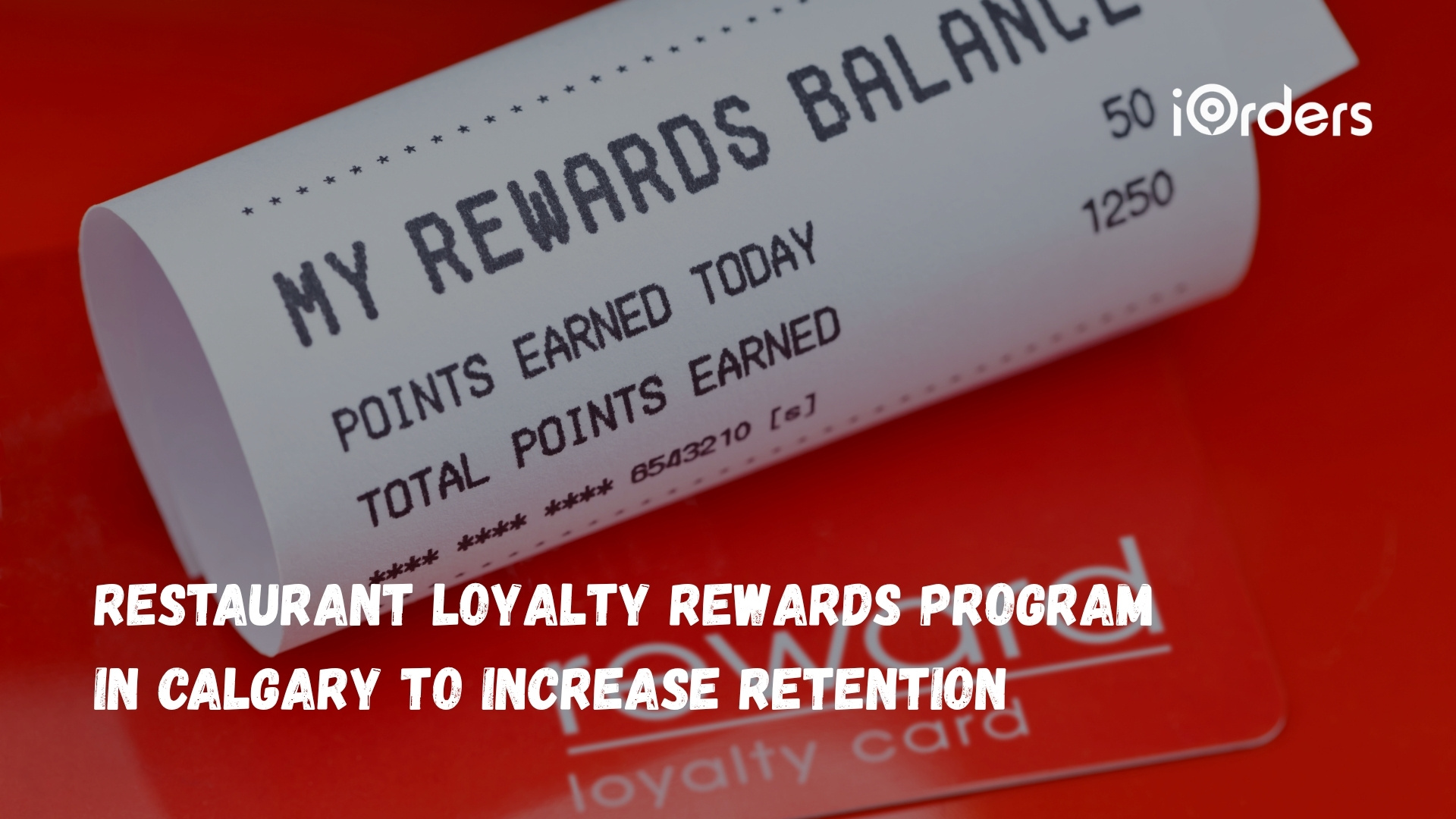
A well-structured restaurant rewards program, Calgary strategy changes this. When rewards are simple, visible, and tied to how guests already order, you increase repeat visits and build stronger customer relationships.
A weekday lunch rush in downtown Calgary often depends on the same office crowd returning each week. Weekend traffic leans on families and small groups who rotate between a handful of go-to spots. Without a clear reason to come back, those visits spread across competitors, leaving your sales inconsistent.
This is why many Calgary restaurants rely on rewards programs to build repeat habits. Instead of hoping guests return, they give them a clear incentive to choose the same place again.
Across the city, most programs follow a few simple formats:
For example, restaurants like Posto Pizzeria & Bar use visit-based rewards to encourage long-term loyalty, while larger brands like Denny’s Canada rely on points systems to track and reward repeat spend.
Also Check: Best Loyalty Programs of Restaurants in Canada.

A rewards program may look clear at launch. The gaps show during a busy shift, when your team is focused on orders and guests move between dine-in and online without a connected system.
Here are the most common mistakes that reduce its impact:
When these issues add up, your rewards program becomes a cost instead of a growth driver.
Recommended: Restaurant Loyalty Program Trends and Statistics.
Getting guests to actually use rewards programs is where most restaurants see the difference. The programs that drive repeat visits are the ones that stay visible during the entire ordering journey and give guests a reason to come back sooner, not later.
Here are strategies that work well across Calgary restaurants:
Guests are most likely to join or engage right after placing an order. If the offer comes too early or too late, it gets ignored.
You can start by:
A reward tied to something customers order once a month slows down repeat visits. The goal is to build habits around items they already buy often.
How to apply this:
Static programs lose attention over time. Short-term boosts can bring inactive customers back.
How to implement this:
Guests don’t think in terms of “channels.” They expect the same experience whether they order in-store or online.
Focus on the following:
A large portion of your customers will order once and not return unless reminded.
What you can do in such cases:
Even with the right strategies in place, most rewards programs still depend on manual effort or disconnected systems. Over time, this makes it harder to keep the program active across every order channel.
To make rewards drive consistent repeat visits, they need to be built into how your customers already place orders. This is where connecting your rewards program to your direct ordering system starts to make a difference.
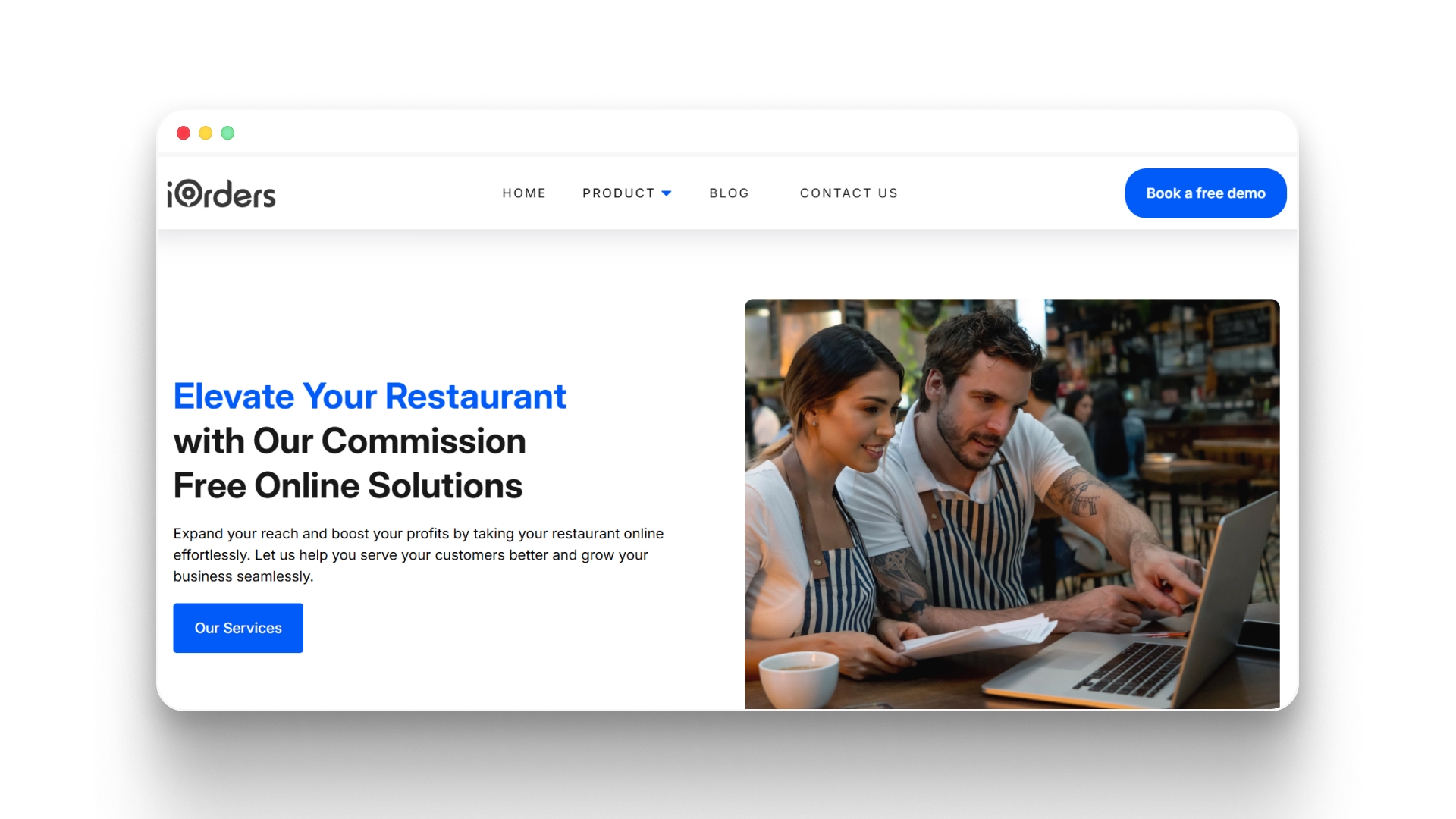
A rewards program works best when it’s tied to how your guests already order. If rewards only apply in-store, you miss online orders. If they only work through staff, they get skipped during busy shifts. The result is a program that runs in fragments instead of building consistent repeat behavior.
To make rewards actually influence revenue, they need to be connected to your direct ordering channels: your website, QR codes, and mobile app. Here, a system like iOrders can support you and drive repeat orders.
When your rewards program is connected to your direct ordering system, it stops relying on reminders and starts running on its own. Guests earn rewards no matter how they order, and you build repeat habits without adding pressure on your team. Book a demo today to see how this works for your restaurant.
A rewards program only works when it fits into your daily service, not when it depends on reminders or separate systems. In Calgary, where guests rotate between a few preferred spots, the goal is to stay part of that routine. When rewards are simple, visible, and tied to every order, you start to see steady repeat visits instead of one-time traffic.
This is where iOrders makes a difference. It connects your rewards program to your direct ordering channels, tracks every order, and helps you bring customers back without adding pressure on your team.
Ready to turn repeat visits into predictable revenue? Connect with our team now to get started!
1. How much should a restaurant's rewards program cost?
Your rewards should be built around your margins. Most restaurants set rewards that cost 5–10% of the average order value. This keeps the program attractive for customers while protecting your profitability.
2. Should small restaurants in Calgary use digital or paper rewards programs?
Paper cards are easy to start with, but hard to track over time. Digital programs give you visibility into repeat visits, customer behavior, and redemption rates, which helps you improve results.
3. How long should it take for a customer to earn a reward?
Most effective programs are designed so customers can earn a reward within 2–4 weeks, depending on how often they visit. If it takes longer, engagement usually drops.
4. Can rewards programs work for delivery-only or ghost kitchens?
Yes, but only if rewards are tied to your direct ordering system. If customers order through third-party apps, you won’t be able to track or reward repeat behavior effectively.
5. How do you promote a rewards program without relying on staff?
You can promote rewards through your ordering channels instead of verbal reminders. This includes:
This ensures every customer sees the program, even during busy shifts.