You might’ve seen it: a guest has a great meal, leaves a five-star review, and then you never see them again. In an era where 57% of Canadians let a rewards app decide where they’ll eat tonight, a loyalty program isn't just a marketing perk; it's your restaurant's survival insurance. But a 'lazy' loyalty program can be more dangerous than having none at all.
Every swipe of a digital loyalty card is more than a transaction; it’s a data point that helps you solve the industry’s biggest riddle: how to turn a one-time visitor into a lifelong regular. Today’s most effective Canadian programs have moved beyond the "buy 10, get 1 free" punch card. They are transforming routine dining into personalized experiences that make guests feel like VIPs rather than just another order number.
In this guide, we’ll explore the programs reshaping the Canadian landscape and the strategies you can steal to build a rewards system that protects your bottom line and keeps your tables full.
Quick Overview
Canada’s most successful restaurant loyalty programs focus on simplicity, digital convenience, and personalized rewards rather than complex point structures.
Programs that integrate directly with mobile ordering and payments consistently drive higher visit frequency and repeat purchases.
Experiential and behavior-based rewards, such as visit-based perks, surprise offers, and gamification, create stronger emotional connections with customers.
Data-driven personalization is a common thread across top-performing loyalty programs, helping restaurants increase average order value and retention.
Restaurants that manage loyalty across all ordering channels using a centralized platform are better positioned to scale, adapt, and compete long term.
How Restaurant Loyalty Programs Drive Repeat Business and Profitability
Restaurant loyalty programs are designed to influence behavior, not just reward spending. Instead of relying on one-time promotions or discounts, loyalty programs encourage customers to return more often, engage with digital ordering channels, and build a stronger connection with a restaurant over time. Modern programs are typically integrated into mobile apps, online ordering systems, or payment experiences, allowing rewards to feel seamless rather than transactional.
For restaurant operators, loyalty programs deliver measurable operational and financial benefits when structured correctly:
Increased Visit Frequency: Gamified challenges and visit-based milestones (e.g., "3 visits this month for a bonus") turn occasional diners into habitual "regulars."
Higher Average Order Value (AOV): Targeted upsells, like "spend $5 more to unlock your next tier," encourage guests to add high-margin items like appetizers or desserts.
Improved customer retention: Acquiring new guests through advertising or marketplace promotions is more expensive than keeping an existing one. Loyalty programs act as "retention insurance" against competitors.
Better customer insights: Loyalty participation provides data on preferences, ordering patterns, and engagement trends that can guide menu and marketing decisions.
Stronger direct relationships: Loyalty programs shift engagement from third-party platforms to direct customer interaction, helping restaurants maintain brand control.
The loyalty programs featured below demonstrate how leading restaurant brands in Canada use these principles differently, adapting rewards, technology, and personalization to match their audience and working model.
Top 10 Loyalty Programs of Restaurants in Canada
The most successful restaurant loyalty programs share a common thread: they understand customer preferences and deliver meaningful value beyond points. Here's an in-depth look at 10 standout programs that have mastered this art.
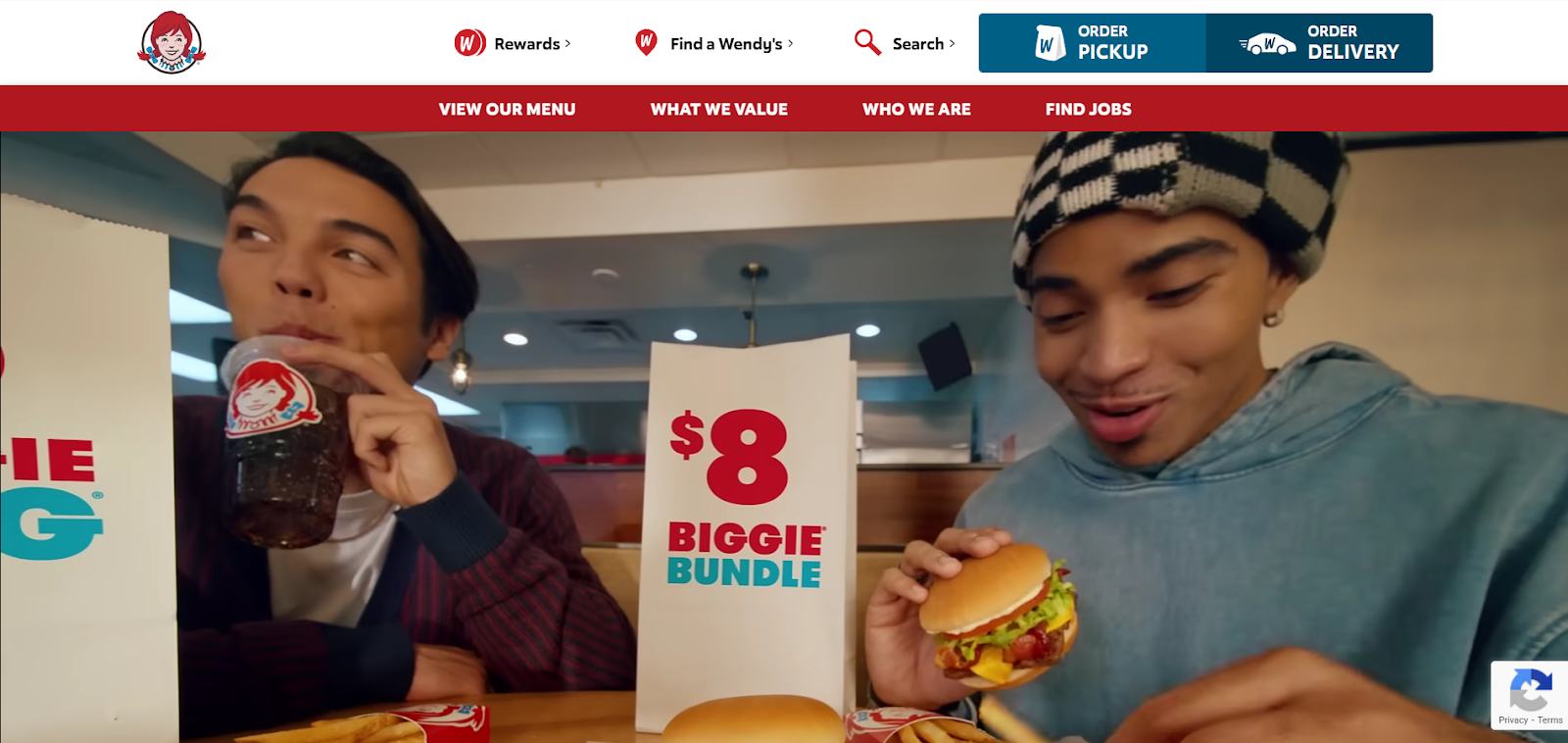
1. Wendy's Rewards
Wendy’s has transformed the traditional points system into an engaging digital experience that prioritizes speed. The program operates on a straightforward "earn and burn" model where members earn 10 points for every $1 spent.
Wendy's Rewards Success Factors:
A low redemption threshold (starting at 150 points) keeps members actively engaged with frequent small wins.
A clean, intuitive mobile app interface reduces ordering and point-tracking friction for the guest.
Use of personalized push notifications with time-sensitive offers drives repeat visits without overwhelming customers.
A clear point-to-dollar correlation helps members immediately understand the return on their spending.
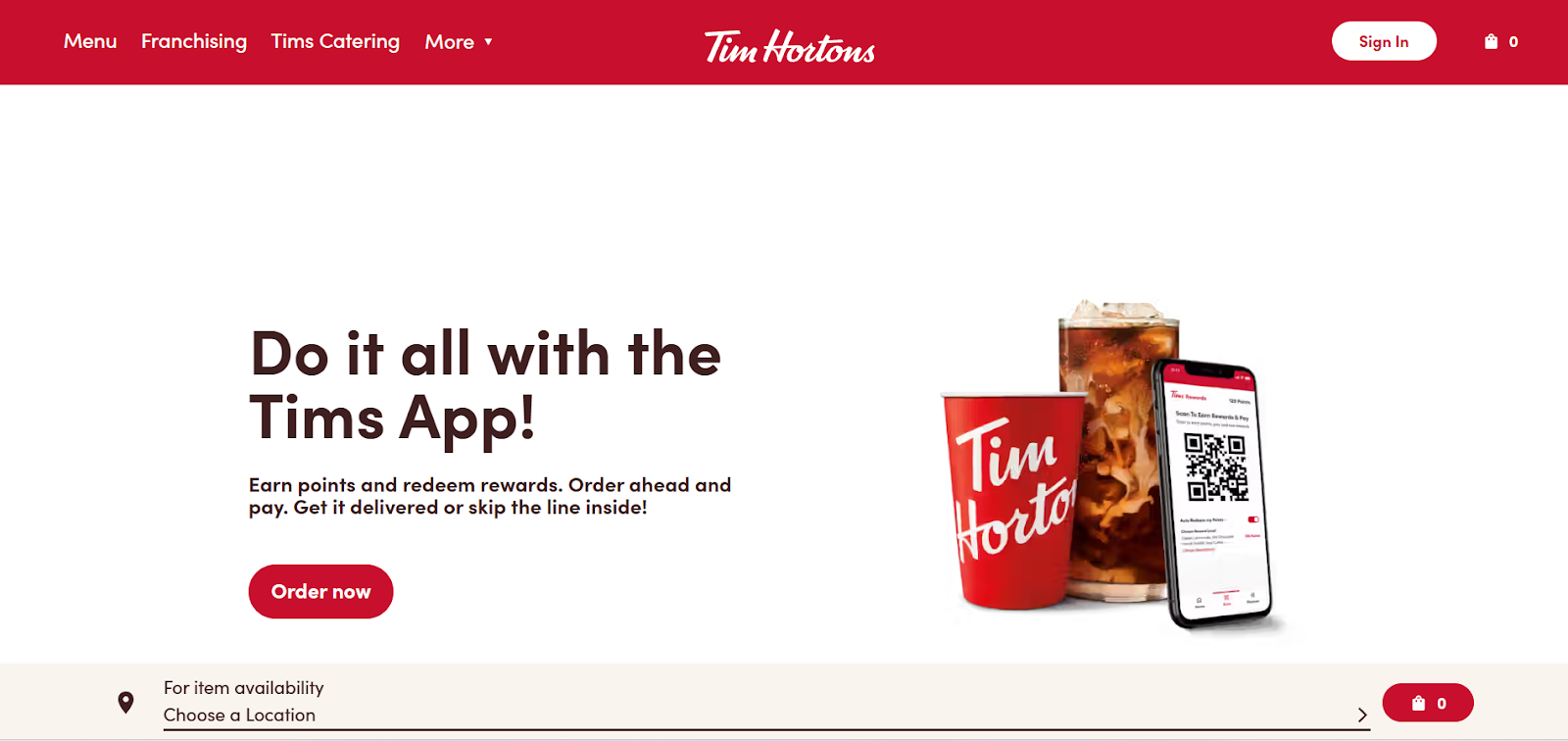
2. Tim Hortons
Tim Hortonshas woven its loyalty program into Canadian culture as naturally as its Double Double. The program offers a tiered points-based system: Every dollar spent earns 10 points, which can be redeemed for anything from a classic donut to a full meal. This approach resonates with regular customers who appreciate predictable rewards and flexible choices.
Tim Rewards Success Factors:
Earning 10 points per $1 spent aligns perfectly with daily coffee routine habits.
The friction-free link between physical cards and the mobile app caters to all customer generations.
Clear redemption tiers (e.g., 400 points for a coffee) make it easy for guests to track their progress toward a free item.
Leveraging an emotional connection to Canadian identity through events like "Roll Up to Win" enhances program loyalty.
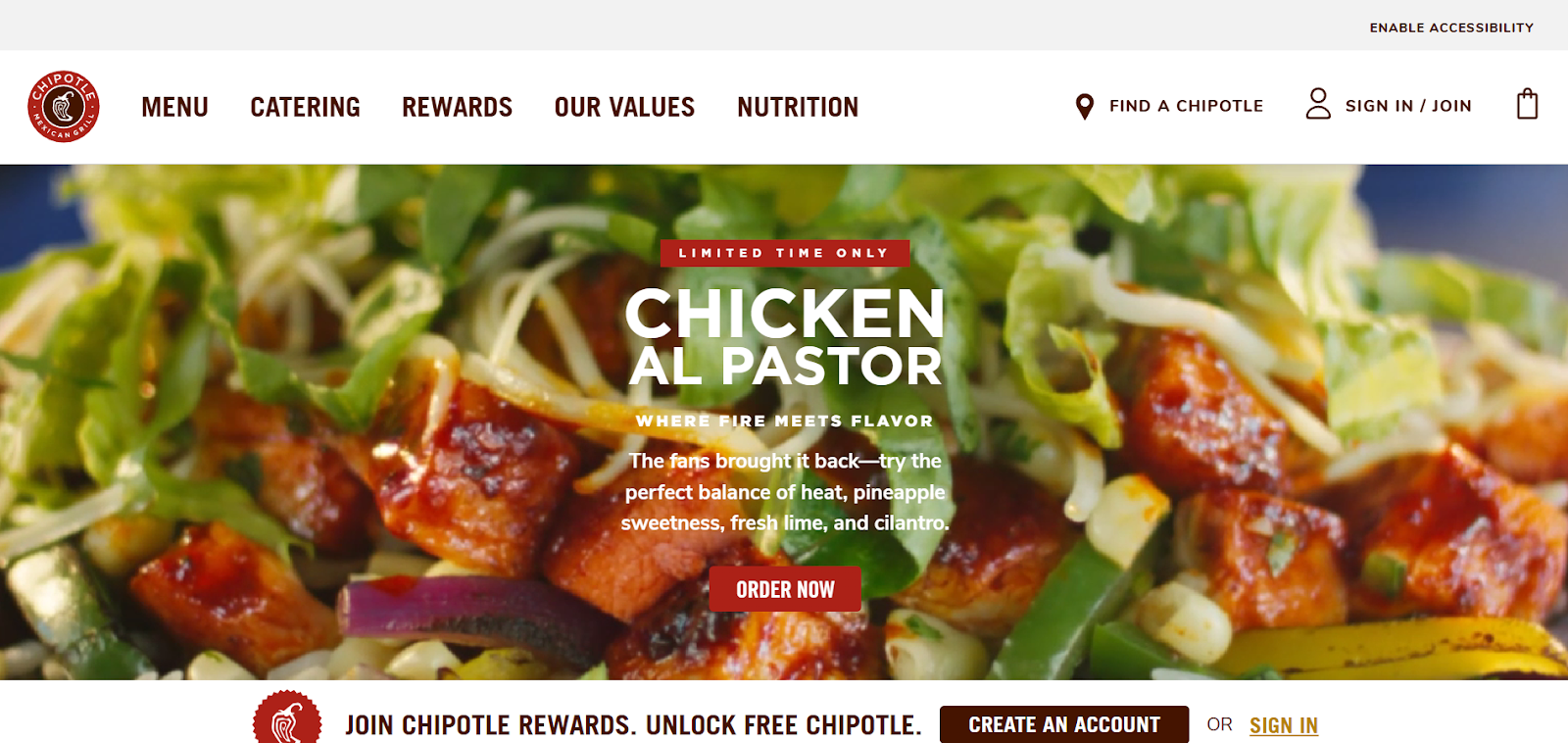
3. Chipotle Rewards
Chipotle's program stands out for its high-energy "gamified" approach and experiential rewards. Members earn 10 points per $1 spent and can choose to redeem them for food or exclusive brand merchandise.
Chipotle Rewards Success Factors:
Rewards extend beyond free food to include exclusive member menu previews and "insider" digital events.
Random "Extra Points Days" and unexpected bonus challenges maintain high levels of member engagement.
Advanced analytics ensure that offers reach the right customers based on their specific dietary and ordering habits.
Special member-only "Food Drops" foster a community feeling that goes beyond a standard transaction.
4. Subway MVP Rewards
Subwayhas revamped its loyalty structure to focus on a tiered "MVP" experience that rewards its most frequent diners with accelerated earning power. Members earn between 10 and 12 points per $1, depending on their annual spending tier.
Subway MVP Success Factors:
A clear path from "Pro" to "All-Star" status incentivizes guests to consolidate their spending at Subway.
Broad "Subway Cash" options allow customers to choose exactly how to apply their points across the menu.
The system analyzes ordering patterns to suggest rewards and sides that align with individual tastes.
Regular program updates and seasonal "Bonus Point" events keep the digital experience feeling current and relevant.
5. Nando's "PERI-Perks" Loyalty Program
Nando's has modernized the loyalty game with its creative, tier-based PERi-Perks program. For every $1 spent, members earn 10 points that can be traded for anything from signature sides to full family platters.
Nando's Success Factors:
Creative reward names and themes that align perfectly with the company’s "spicy" brand voice.
Frequent "Flame Grilled Surprises" appear in member accounts, maintaining a sense of excitement and discovery.
The app remembers preferred spice levels and favorite orders to create a tailored, high-touch dining experience.
A seamless connection between in-restaurant QR scans and mobile ordering ensures no points are ever missed.
Expert Note: You can achieve this same level of personalization with the iOrders’ Smart Campaigns. It gathers data on ordering patterns, visit frequency, and food choices to help you customize and personalize your loyalty program just like the global giants.
6. Krispy Kreme Rewards
Krispy Kreme has crafted a sweet spot in loyalty by combining digital points with its iconic "Hot Light" experience. Members earn 10 points (Smiles) for every $1 spent, which can be redeemed for doughnuts, coffee, or specialty dozens.
Krispy Kreme Success Factors:
Hot Light notifications via the app drive spontaneous, high-intent visits when doughnuts are fresh.
A move to the 10-points-per-$1 model maintains clarity and allows for faster reward redemptions.
Tying rewards to "Acts of Joy" strengthens the emotional bond between the brand and its customers.
The program successfully bridges the gap between digital app usage and the physical theatre of the doughnut shop.
7. Domino's Piece of the Pie Rewards
Domino’shas revolutionized pizza loyalty with its simple "points-per-order" system. This unique approach rewards the act of visiting or ordering rather than just the total amount spent on the receipt.
Domino's Success Factors:
Earning 10 points per order ($10 minimum) encourages frequent, consistent visits over large, occasional spends.
A superior ordering platform allows for "one-click" reordering and seamless point redemption.
The famous "Pizza Tracker" keeps customers inside the app, increasing exposure to future deals and rewards.
A stable, easy-to-understand reward structure ensures guests always know exactly how close they are to a free pizza.
8. Starbucks Rewards
Starbucks remains the industry gold standard by blending mobile payments and rewards into a high-utility "lifestyle" app. The program features a refined three-tier system (Green, Gold, and Reserve) to better recognize top-tier spenders.
Starbucks Success Factors:
Integrating the digital wallet with the loyalty scan makes earning rewards faster than any other platform.
New tiers like "Reserve" offer elite perks like non-expiring stars and exclusive experiential events.
The ability to redeem a small number of stars for "add-ons" (like extra shots or foam) provides immediate value.
A unified experience across the app, drive-thru, and in-store kiosks ensures a consistent "VIP" feeling.
9. My McDonald's Rewards
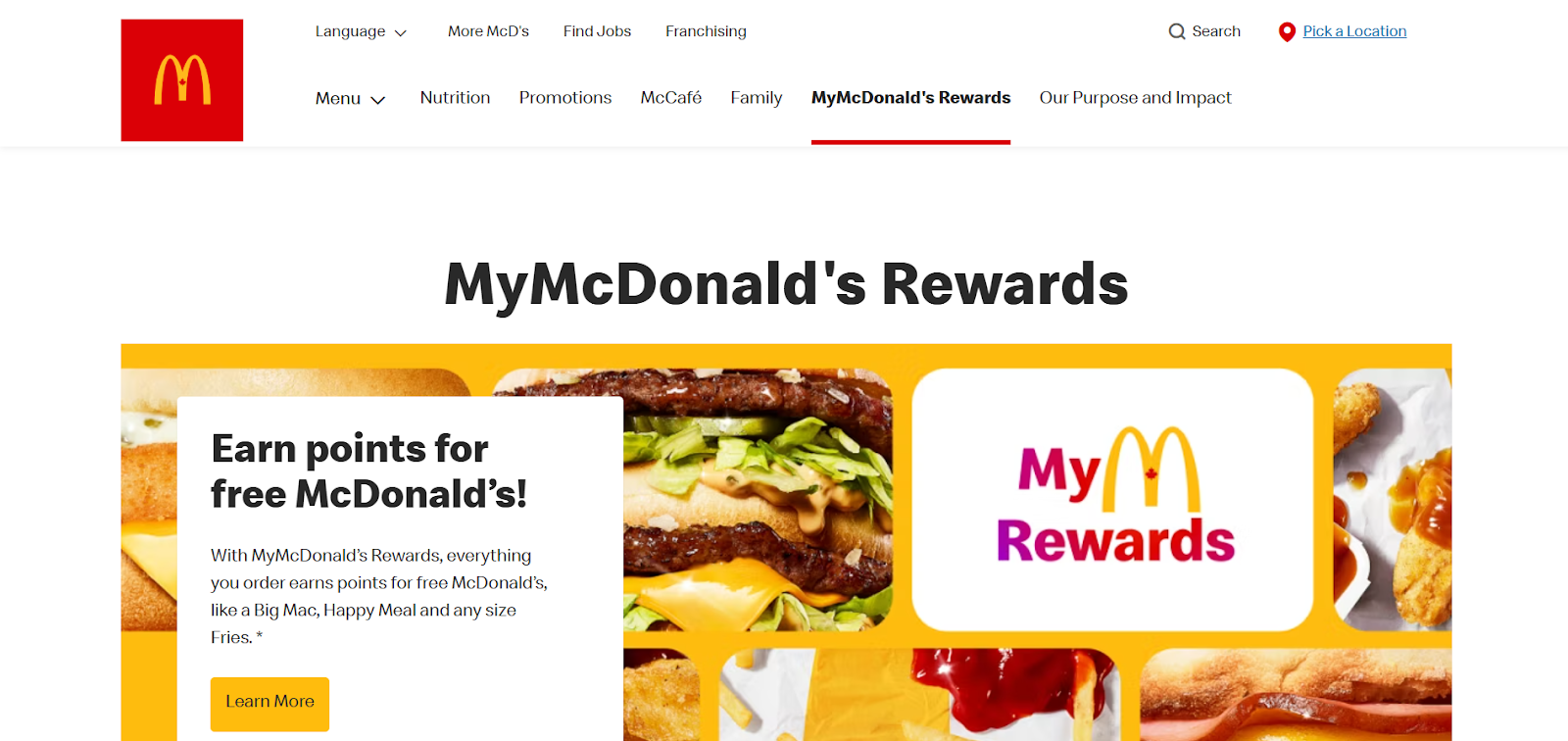
McDonald’s has achieved massive adoption in Canada by focusing on accessibility and the sheer speed of earning. The program offers 100 points for every $1 spent, with rewards starting at just 1,500 points.
MyMcDonald’s Rewards Success Factors:
A 100:1 point ratio makes rewards feel achievable and keeps customers coming back multiple times per day.
A rock-solid experience across all Canadian locations ensures the app is a reliable "go-to" for every meal.
Daily "Just For You" offers layered on top of points provide a double incentive for app-based ordering.
Code-based ordering at the kiosk and drive-thru has made reward redemption a natural part of the service flow.
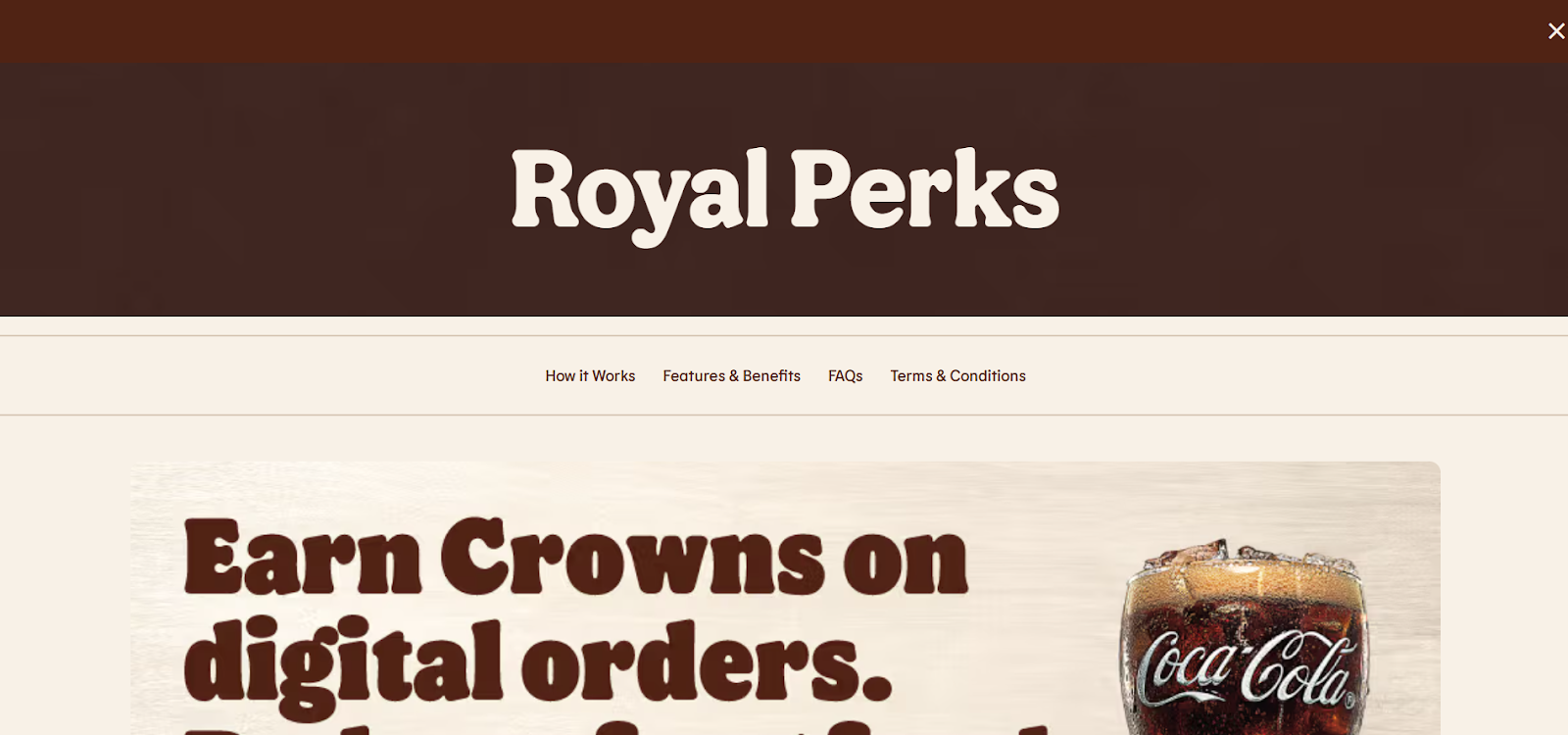
Burger King has strengthened its loyalty programs in Canada with Royal Perks, a value-driven campaign designed to reward frequent visits and digital engagement. The program utilizes a "Crowns" system where members earn 100 Crowns for every $1 spent, allowing them to unlock free food rapidly across five distinct tiers.
Burger King Royal Perks Success Factors:
A 100-to-1 earning ratio creates instant gratification and a sense of fast progression.
Five redemption levels (starting at 2,000 Crowns) provide options ranging from small sides to full Whopper meals.
App-exclusive "Daily Upsize" perks on fries or drinks encourage habitual, daily visits.
A streamlined interface encourages direct ordering, helping the brand maintain a direct relationship with the guest.
As these industry leaders have shown, successful loyalty programs combine technology, personalization, and genuine value to create meaningful customer connections. You don't need a multi-million dollar budget to compete; with the iOrders’ Loyalty and Rewards Solution, you can design tier-based, subscription-based, or rewards-based loyalty programs from a single, centralized dashboard.
How Restaurants Can Apply These Loyalty Program Learnings
The most successful loyalty programs in Canada are built on a clear strategy and consistent execution. Restaurant owners can apply these proven patterns by focusing on what actually drives repeat visits and long-term engagement.
Start with Simple, Achievable Rewards: Ensure customers experience tangible value within their first two interactions. Whether it’s points or visit-based milestones, early redemption encourages guests to return sooner.
Use Customer Data to Personalize Rewards: Top-performing programs rely on customer behavior, such as order history, visit frequency, and preferences, to deliver relevant rewards. Offering a reward based on a guest's favorite dish is far more effective than a generic discount.
Integrate Loyalty Across All Ordering Channels: Loyalty programs are most effective when they work seamlessly across dine-in, online ordering, and delivery. A centralized approach ensures a frictionless experience, no matter how a guest chooses to order.
Reward Habits, Not Just High Spending: Focus on visit-based rewards to build habitual behavior. This is especially effective for restaurants relying on frequent, everyday dining occasions.
Continuously Measure and Optimize Performance: Evolve your program based on performance data such as redemption frequency and average order value (AOV) to ensure long-term retention.
With a strong loyalty foundation in place, restaurants can take things further by experimenting with creative reward strategies.
Innovative and Unique Loyalty Program Ideas For Restaurants in Canada
Restaurants in Canada need loyalty programs that go beyond rewarding spend. The most effective programs drive repeat visits, increase order value, and strengthen customer relationships without adding operational complexity. Here are a few practical and scalable loyalty ideas that Canadian restaurants can implement to stand out and retain customers.
Gamified Menu Exploration Rewards: Encourage customers to try new menu items, seasonal specials, or different categories by rewarding exploration. This approach boosts engagement while helping restaurants promote high-margin or under-ordered items in a fun, interactive way.
Family Meal Pass Programs: Offer a weekly or monthly pass with discounted family meals or bundled pricing. This model helps create predictable revenue and increases traffic during slower weekdays, especially for family-friendly dining concepts.
Purpose-Driven Loyalty Programs: Allow customers to redeem points toward community initiatives, such as donating meals to local food banks. Purpose-driven rewards build emotional loyalty, strengthen brand perception, and encourage deeper engagement beyond discounts.
Adverse Weather Incentives: Use automated triggers to offer "Comfort Food" bonus points or delivery incentives during extreme cold waves or snowstorms, aligning your marketing with real-time customer behavior.
Implementing these creative strategies doesn't require a dedicated marketing team; the iOrders’ Loyalty and Rewards System automates the heavy lifting by syncing your custom rewards across every kiosk, app, and web order. It’s the simplest way to turn these high-level concepts into a functional, branded loyalty engine that works while you focus on the kitchen.
Conclusion
In 2026, loyalty is your restaurant's survival insurance. As Canada’s leading brands prove, the programs that win move beyond generic discounts toward personalized, frictionless experiences. By centering your strategy on guest behavior and a unified tech stack, you stop "renting" customers from marketplaces and start building a high-margin foundation of regulars.
The shift from one-size-fits-all rewards to data-driven engagement isn't just a marketing trend; it's the new standard for operational excellence.
Ready to build a loyalty program that pays for itself? Connect with iOrders today to design a rewards strategy that protects your margins and turns strangers into regulars.
FAQs
1. What makes a restaurant loyalty program successful in Canada?
A successful restaurant loyalty program in Canada focuses on simplicity, personalization, and convenience. Programs that integrate seamlessly with digital ordering, offer clear rewards, and align with local dining habits tend to drive higher engagement and repeat visits.
2. Are points-based loyalty programs still effective for restaurants?
Yes, but only when paired with personalization and flexible redemption options. Modern points-based programs work best when rewards feel achievable and are tailored to customer preferences rather than offering generic discounts.
3. How do loyalty programs help increase repeat visits and customer spend?
Loyalty programs incentivize customers to return by rewarding consistent behavior. Personalized offers, visit-based rewards, and timely incentives encourage guests to order more frequently and increase their average order value over time.
4. Can small or independent restaurants run effective loyalty programs?
Absolutely. With the right technology, even single-location or small restaurant groups can run impactful loyalty programs. Centralized platforms allow restaurants to manage rewards, track customer behavior, and personalize offers without added operational complexity.
5. How should restaurants measure the success of a loyalty program?
Key metrics include repeat visit frequency, average order value, redemption rates, and customer retention. Successful programs show clear improvements in these areas while strengthening long-term customer relationships.