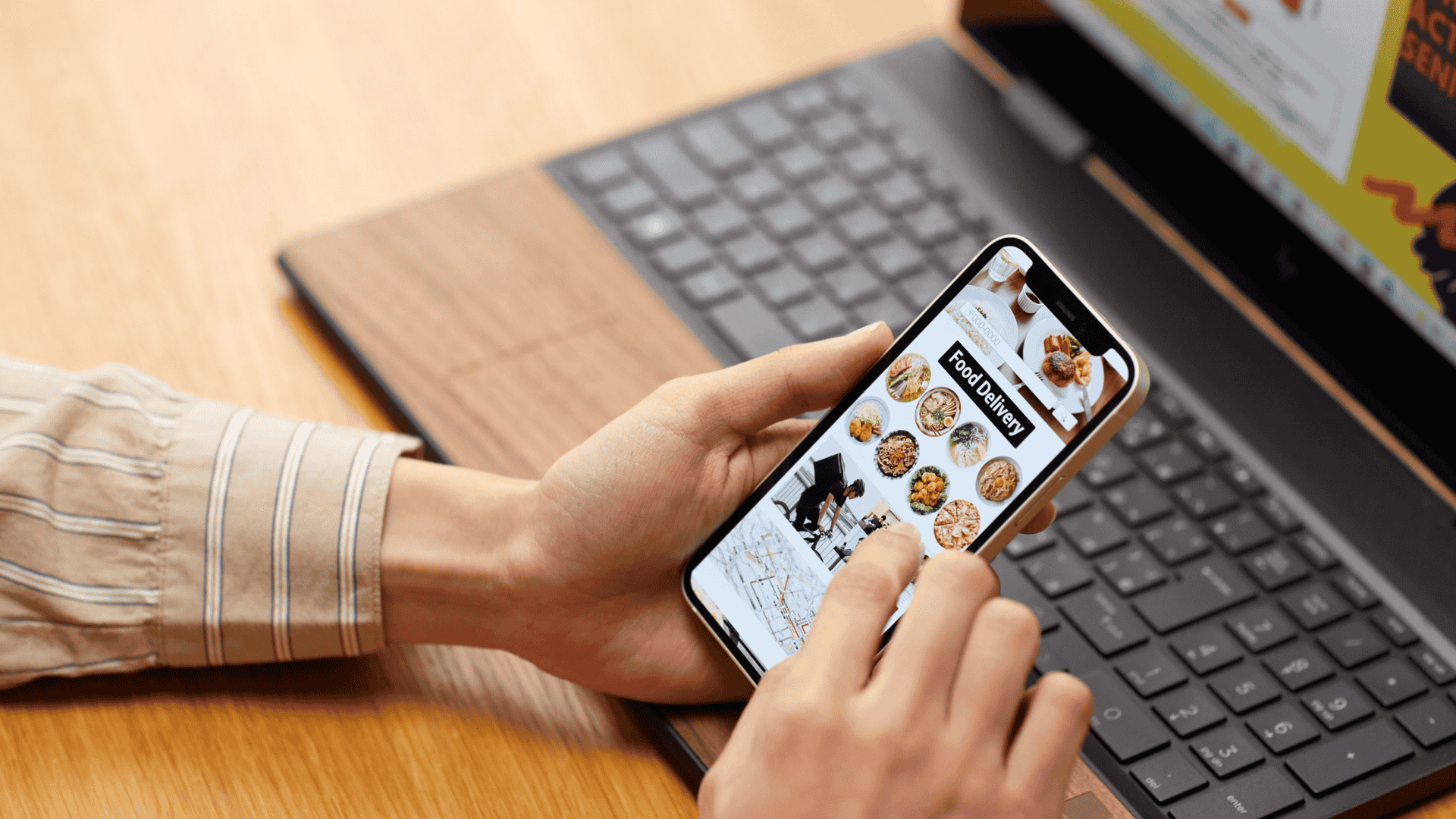
A sudden wave of online orders can feel exciting until the problems start stacking up. Your staff rushes to match tickets with bags, a delivery partner calls about a missing item, and a loyal customer messages saying the checkout page froze during payment.
These scenarios aren’t rare, with 60%of U.S. consumers ordering delivery or takeout once a week, which means these moments hit far more often than most teams expect.
The pressure builds when the ordering flow isn’t designed to guide guests smoothly from menu to payment. What looks like a simple tech issue can quietly drain revenue, frustrate guests, and overwhelm your team during peak periods.
In this blog, we will share proven restaurant online ordering best practices to help you manage rush moments, improve accuracy, and retain more revenue.
Key Takeaways
Restaurants lose revenue when online ordering runs on multiple tools. Fragmented systems slow down kitchens, confuse staff, and create inconsistent guest experiences.
A unified workflow restores control by syncing menus, order flow, prep times, and customer communication so the restaurant operates on one predictable rhythm.
Customer data becomes useful only when it guides action, especially when patterns in weekly demand trigger timely outreach that nudges guests to order again.
Automation supports the team by handling reminders, rush-time adjustments, and repeat-order prompts, and staff get more time to focus on food and service.
iOrders ties the entire workflow together, giving restaurants a single system to manage ordering, timing, menu updates, and marketing, all designed to lift weekly sales without extra effort.
Why Online Ordering Needs a Strategic Approach in 2026
Diner expectations and digital habits are changing year by year. With acquisition costs rising on third-party apps and more guests choosing to order directly, restaurants need an updated approach that protects margins and strengthens customer relationships.
Higher Third-Party Commissions: Delivery platforms continue to raise fees, taking a growing share of each order. Relying too heavily on aggregators cuts into profitability and limits long-term sustainability.
Growing Preference for Direct Ordering: Guests increasingly choose branded mobile sites and apps for better pricing, fewer hidden fees, and a more reliable service experience.
Surge in Branded Mobile Ordering Adoption: Restaurants are investing in their own digital platforms to strengthen brand control, deliver smoother checkouts, and reduce dependency on aggregators.
2026 Expectations: Diners expect near-instant checkout flows, tailored menu recommendations, and targeted offers that match their purchase history.
Need to Own Customer Data: Direct ordering provides access to customer behavior insights that are critical for crafting loyalty rewards, boosting repeat orders, and improving marketing efficiency.
A strategic mindset only works when it connects to clear, repeatable habits. The best practices below outline those habits and how they shape a smoother, more reliable ordering system.
8 Best Practices to Follow For Restaurant Online Ordering
Direct ordering feels smoother when guests move from menu to checkout without confusion. These tips help you shape a better end-to-end experience.
1. Build a Branded, Commission-Free Ordering System
Aggregator apps add a costly middleman between your restaurant and your guests. A branded, commission-free system helps you protect margins and control every part of the ordering flow.
Own the Storefront: Place your Order Now button above the fold so guests reach the menu quickly. Use a mobile-first layout to prevent slow load times and reduce drop-offs.
Optimize the Menu: Create short categories for faster browsing. Add clear, high-quality photos to build confidence. Use smart upsells like “Add a side” or “Make it a combo” to grow basket size.
Scale with QR Codes: Use platforms like iOrders to enable QR ordering for dine-in and takeout. This reduces staff pressure and lets guests order immediately, helping you speed up table turnover.
Drive Direct Habits: Add “Order Direct & Save” messages to your homepage, receipts, and packaging. These small nudges gradually shift customers away from high-commission apps.
Strong delivery logistics shouldn’t require giving up a share of every order. A white-label setup keeps your brand front and center while letting you manage fulfillment with predictable, commission-free costs.
Choose the Right Delivery Model: Evaluate whether steady in-house operations or flexible white-label partners serve your daily flow better. In-house teams know the routes; white-label providers offer flat rates ideal for fluctuating demand.
Keep Delivery Fully Branded: Ensure every touchpoint, from order updates to tracking links, carries your restaurant name and logo so guests stay loyal to your direct channels, not aggregator listings.
Integrate POS & Smart Routing: Avoid order errors by syncing your ordering system with your POS and delivery routing. This reduces missed tickets, improves batching for nearby orders, and speeds up handoff during peak hours.
3. Reduce Friction in the Online Checkout Experience
Many diners reach checkout intending to complete the order, then drop off because something slows them down. Long forms, surprise fees, or limited payment options break momentum instantly.
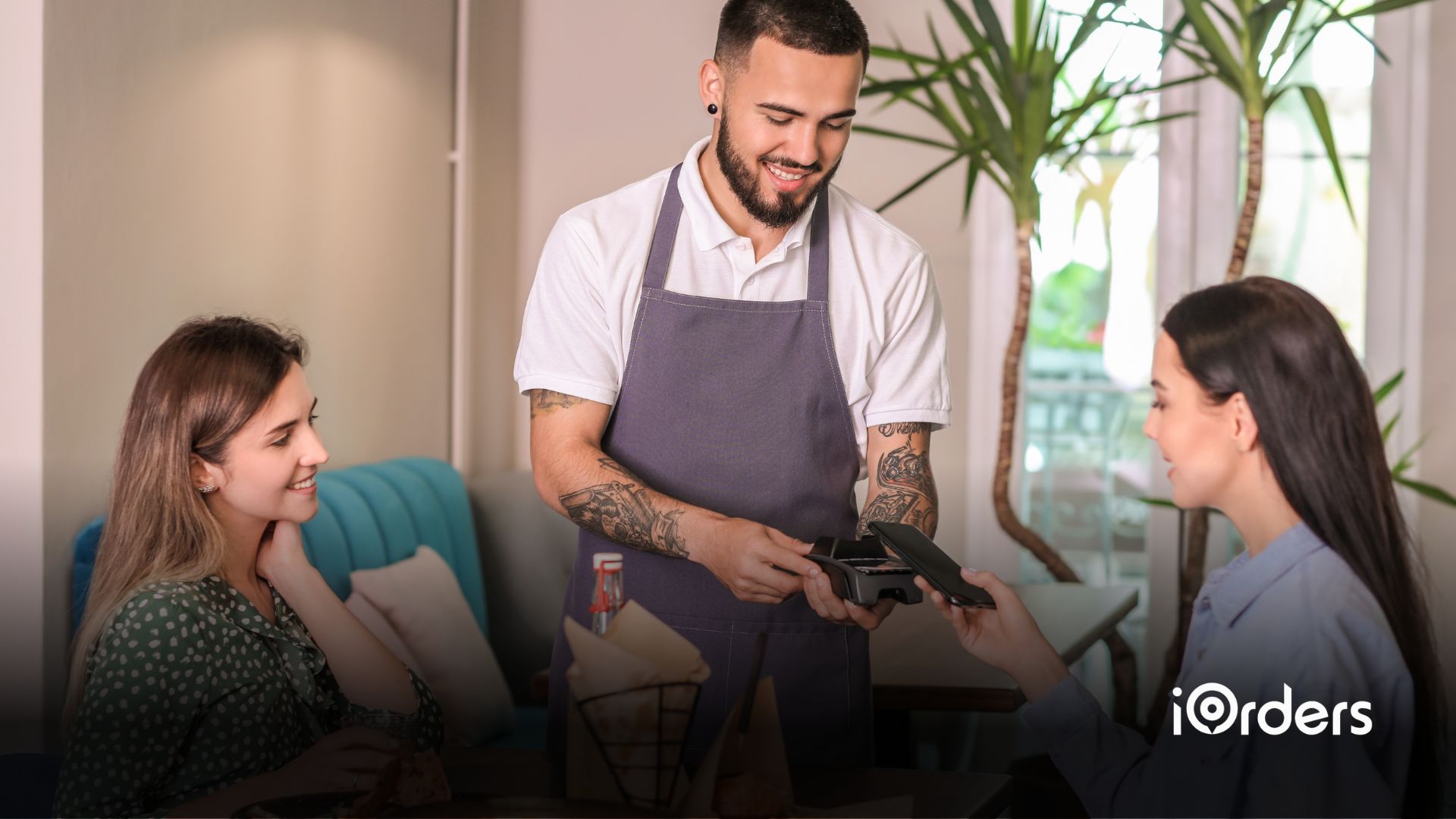
Offer Multiple Payment Methods: Guests finish checkout faster when they can pay the way they prefer. Commuters, office workers, and repeat customers won’t type long card numbers when faster options exist. Include Apple Pay, Google Pay, and saved card options to support quick one-tap completions.
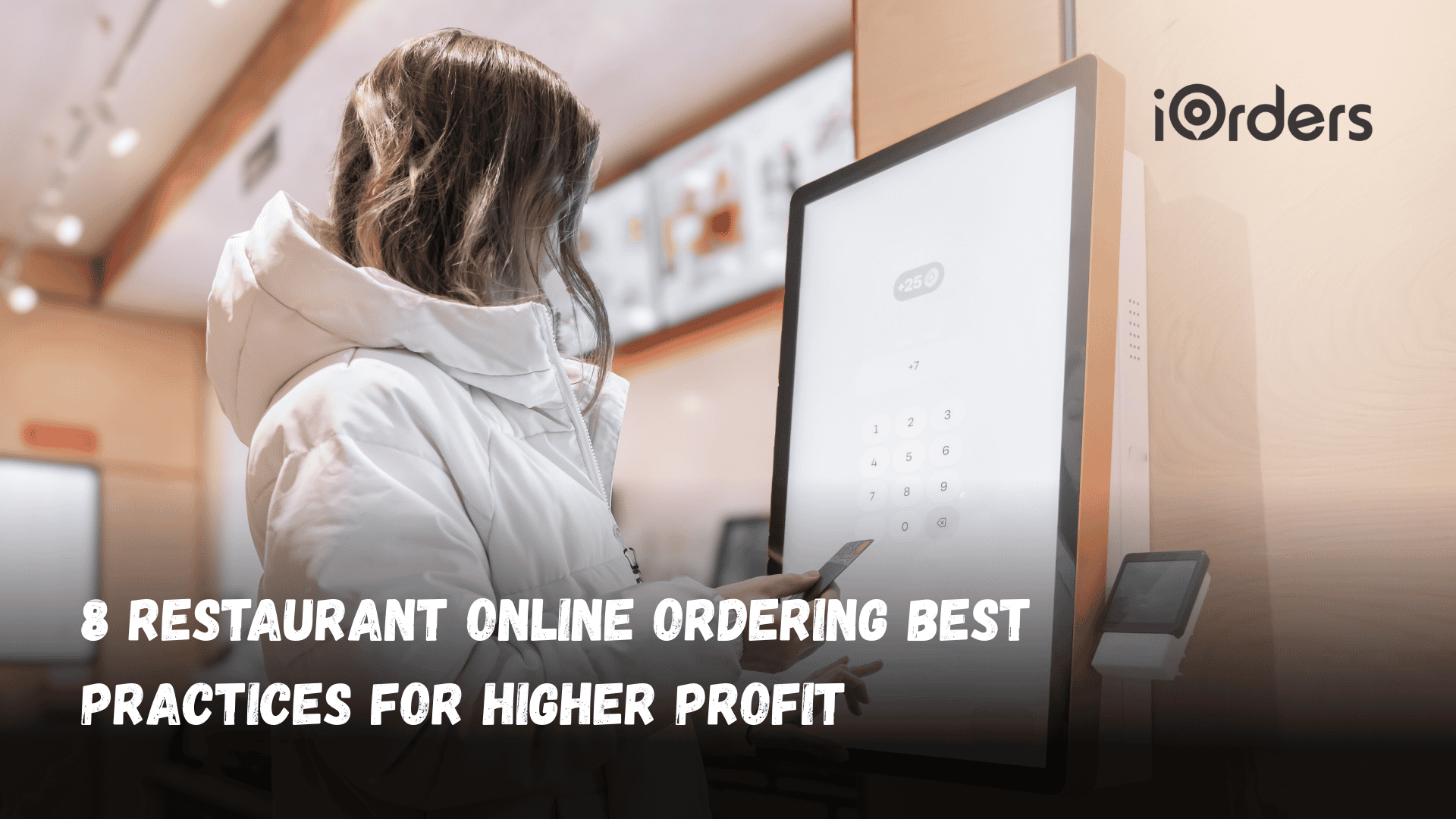
Keep the Checkout Under 1 Minute: Remove unnecessary steps so guests can order without typing the same details repeatedly. Use auto-fill for addresses, save past orders, and offer one-tap reorders for regulars to reduce effort during busy moments or commutes.
Show Clear ETAs and Fees Upfront: Set expectations early by displaying accurate timelines and transparent pricing. Realistic delivery windows and upfront fees reduce anxiety, prevent surprise charges, and lower cancellation rates during peak hours.
4. Encourage Repeat Orders Through Loyalty Programs
Repeat diners bring higher lifetime value because their habits are steady and their expectations are already aligned with your menu. A strong loyalty program taps into those existing behaviors and gives customers a reason to return without relying on deep discounts or constant retargeting.
Reward Predictable Behavior: Loyalty systems work best when they reinforce patterns guests already follow. Give meaningful rewards for routines such as weekly orders, regular pickups, or consistent dish preferences, to strengthen the habits that naturally keep customers coming back.
Use Tiered Loyalty to Encourage More Visits: Tiered structures (Bronze → Silver → Gold) create progress and a sense of achievement. As diners unlock faster point earning, better redemption rates, or exclusive bundles, they’re motivated to order more frequently to maintain or climb their tier.
Promote Referral Rewards to Acquire Customers Affordably: Referrals turn loyal guests into brand advocates. Offer simple, shareable reward links where both parties earn credit. This boosts participation, spreads organic word-of-mouth, and lowers acquisition costs compared to paid ads.
5. Use Smart, Automated Campaigns to Increase Order Frequency
Restaurants experience predictable waves, busy evenings, slow afternoons, and sudden weekend spikes. Manual promotions can’t keep up with these shifts, but automated campaigns reach diners at the exact moment their behavior predicts they’re ready to order. Personalized timing increases response rates and makes weekly sales more stable.
Send Targeted Offers Based on Customer History: Order patterns reveal what motivates each guest. Automated targeting lets you act on these cues, like win-backs for lapsed diners, meaningful rewards for high-value customers, or time-of-day nudges that fit their habits, so your outreach feels relevant instead of random.
Automate Slow-Hour Promotions: Most restaurants face afternoon slumps or late-night dips. Scheduled campaigns smooth these gaps without adding work for your team. Timely reminders for mid-morning lunch offers or late-night delivery nudges help capture customers when they’re undecided and most likely to convert.
Use Data Insights to Refine Each Campaign: Automation becomes more powerful when guided by clear data. Reviewing weekly trends helps you decide which dishes to promote, when to send offers, and which customer segments should receive them. This avoids blanket discounts and creates a reliable, predictable lift in orders.
6. Master Review and Reputation Management With AI
Online reviews influence nearly every ordering decision, especially when diners are choosing between similar restaurants. A single unanswered complaint or a vague, generic reply can shift a customer toward a competitor. A strong AI-assisted review workflow keeps your reputation healthy and shows guests that their feedback genuinely matters.
Respond to Reviews Within 24 Hours: Same-day replies, whether the review is positive or highlights an issue, signal attentiveness. Quick acknowledgment reduces repeat complaints, prevents frustration from escalating, and reassures diners that you’re committed to fixing problems immediately.
Maintain a Consistent Brand Tone Everywhere: Your voice should feel steady across Google, delivery apps, and your own website. Calm, clear language reduces misunderstandings when emotions run high, while a consistent tone reinforces professionalism and strengthens your brand identity across platforms.
Use AI to Keep Responses Accurate and Timely: AI tools help manage high review volumes without sacrificing personalization. They generate on-brand replies, surface urgent complaints, and streamline common issues, so your team can focus on resolving the root problem. iOrders strengthens this process with AI-assisted responses that protect your brand voice and keep every customer feeling heard.
7. Centralize All Orders in One Dashboard
Managing multiple ordering channels can overwhelm staff and slow service. A unified dashboard brings dine-in, pickup, and delivery orders into one place, improving visibility, accuracy, and speed across your entire operation.
Manage All Order Types From a Single System: A central dashboard removes the chaos of juggling tablets and devices. When QR dine-in orders arrive at the same time as large delivery or pickup orders, the kitchen sees everything instantly and can prioritize without confusion or delays.
Reduce Errors With Direct POS Integration: Syncing orders straight to your POS eliminates the manual re-entry that causes wrong quantities, missed modifiers, and duplicate tickets. This cuts refunds, avoids negative reviews, and speeds up prep because kitchen staff receive clean, complete orders immediately. If your POS isn’t integrated,iOrders bridges the gap by routing all online and in-store orders into one streamlined workflow.
Track Workflow and Performance in Real Time: Live insights help you stay proactive during rush hours instead of reacting after issues occur. Monitor order peaks, repeat customer patterns, and best-selling items so you can plan staffing, optimize prep loads, and refine your menu for higher conversions.
8. Measure the Right Metrics to Improve Online Ordering
Predictable growth comes from tracking the numbers that actually influence repeat sales, order value, and customer loyalty. When you monitor the right KPIs, you know exactly when to adjust pricing, refine the menu, or run targeted promotions, leading to steadier sales and stronger digital performance.
Track Metrics That Reflect Customer Loyalty: Monitor repeat order rate, customer retention, and loyalty participation to understand whether guests return consistently. These indicators reveal how well your ordering experience, rewards, and service quality are working.
Analyze Indicators That Boost Order Value: Keep an eye on average basket size and online ordering revenue. Both show how effective your upsells, menu layout, and combos are in helping you identify which items deserve more visibility or bundling.
Monitor Operational KPIs That Affect Satisfaction: Delivery times and campaign response rates directly influence customer experience. Faster deliveries improve reviews, while understanding which promotions get the best engagement helps you fine-tune timing and messaging for future campaigns.
Applying these best practices becomes far easier when your ordering system supports them by default. iOrders is built around these exact needs!
How iOrders Helps You Put These Best Practices Into Action
Improving your online ordering workflow is straightforward when the right tools support you at every step.iOrders gives restaurants a full, commission-free system that brings ordering, delivery, marketing, and customer engagement under one roof.
Instead of juggling apps or hiring a tech team, you get an all-in-one platform that implements everything you’ve learned so far, automatically. Here’s how iOrders makes each best practice easier to execute:
Commission-Free Online Ordering: Keep revenue in-house with a branded storefront that encourages direct orders, supports smart upsells, and removes aggregator commissions entirely.
Website and QR Code Ordering: Offer fast ordering through your own website or QR codes for dine-in and takeout. Reduce staff pressure and improve table turnover with seamless digital ordering.
Delivery-as-a-Service: Choose in-house drivers or connect with white-label delivery partners for flat-fee fulfillment. Guests get a fully branded delivery experience from start to finish.
Smart Campaigns and Automated Promotions: Reach customers when they’re most likely to order. Use data-driven insights to trigger win-back messages, slow-hour boosts, and high-value customer rewards.
Loyalty and Rewards Programs: Turn first-time guests into regulars with easy-to-understand loyalty tiers, birthday rewards, and referral bonuses that encourage consistent repeat orders.
AI-Powered Review System: Reply to reviews across platforms in a consistent, on-brand tone. AI helps you respond quickly, flag issues, and maintain strong customer relationships without manual effort.
White-Label Mobile App: Give your customers a fully branded app for dine-in, pickup, or delivery. They order from you, not a marketplace, keeping your brand front and center.
If you want an online ordering system that centralizes operations and helps you grow direct revenue, get in touch now and see what iOrders can do for your restaurant!
Final Thoughts
Transitioning to online ordering is no longer about convenience. It's about survival in a high-cost market. To protect your margins in 2026, you must move beyond a 'vendor' or a third-party app and become a direct destination for your guests.
Implementing these best practices is the tech upgrade strategy you need to reclaim your brand, your data, and your profits. While the transition to a direct-first model takes intention, the payoff is a calmer kitchen, a more loyal customer base, and a healthier profit ratio.
However, you don't have to manage this complex move alone. The right system can turn these best practices into automated, reliable habits, freeing you to focus on what matters the most: creating great food and memorable experiences!
Ready to stop losing 30% of your revenue to fees? Book a demowith iOrders today and take back control of your restaurant's growth.
FAQs
1. How often should restaurants update their online menu?
Menus should be reviewed weekly, even if nothing changes. Many restaurants forget seasonal items, unavailable dishes, or new pricing. A quick weekly check helps prevent cancellations, inaccurate orders, and frustrated guests who discover an item isn’t actually available when they order.
2. What’s the ideal preparation time to display for online orders?
The ideal prep time is one you can consistently meet. Most restaurants set overly optimistic times, leading to complaints and refunds. Track your real average prep during lunch and dinner rushes for two weeks, then adjust the ETA to match reality.
3. Should restaurants offer the same menu prices online and in-store?
It’s fine to have slightly higher prices online as long as the difference is reasonable. Many restaurants add a small digital convenience margin to cover packaging and delivery support.
4. How can restaurants handle online order surges during local events or sudden spikes?
Prepare surge rules in advance. Set temporary menu limitations, restrict certain items that slow the kitchen, and enable automated throttling so the system spaces out orders instead of overwhelming the team.
5. What’s the best way to encourage customers to order directly instead of through third-party apps?
Give customers a clear reason to choose your direct channel. This includes:
Exclusive combos or add-ons available only on your website/app
Better loyalty rewards for direct orders
Clear messaging on packaging and receipts
Faster reordering options for regulars
Small nudges lead to long-term shifts in ordering habits.


.png)