Book a free demo
Oops! Something went wrong while submitting the form.
January 5, 2026
Long waits at the checkout can ruin a perfect meal. While guests use their phones for every other part of their lives, many restaurants still rely on the slow, manual "wait for the check" process. This friction costs you table turns and guest satisfaction.
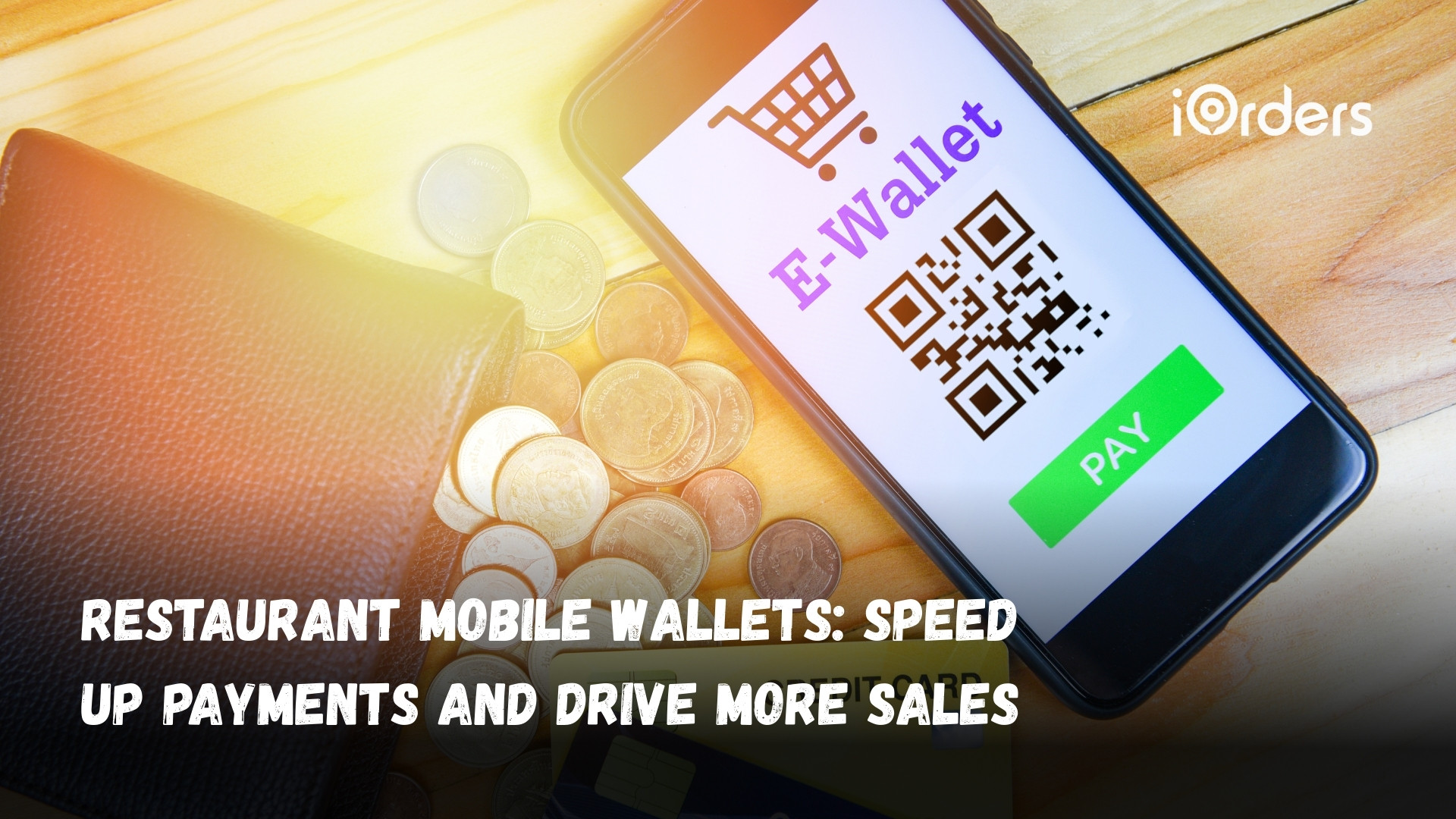
A restaurant mobile wallet solves this by embedding secure, one-tap payments directly into your ordering flow. Whether it’s a QR code at the table or a pickup order via your app, guests can pay in seconds.
In this blog, you will learn how mobile wallets fit into everyday operations, reduce staff workload, and keep your brand at the center of the payment experience.
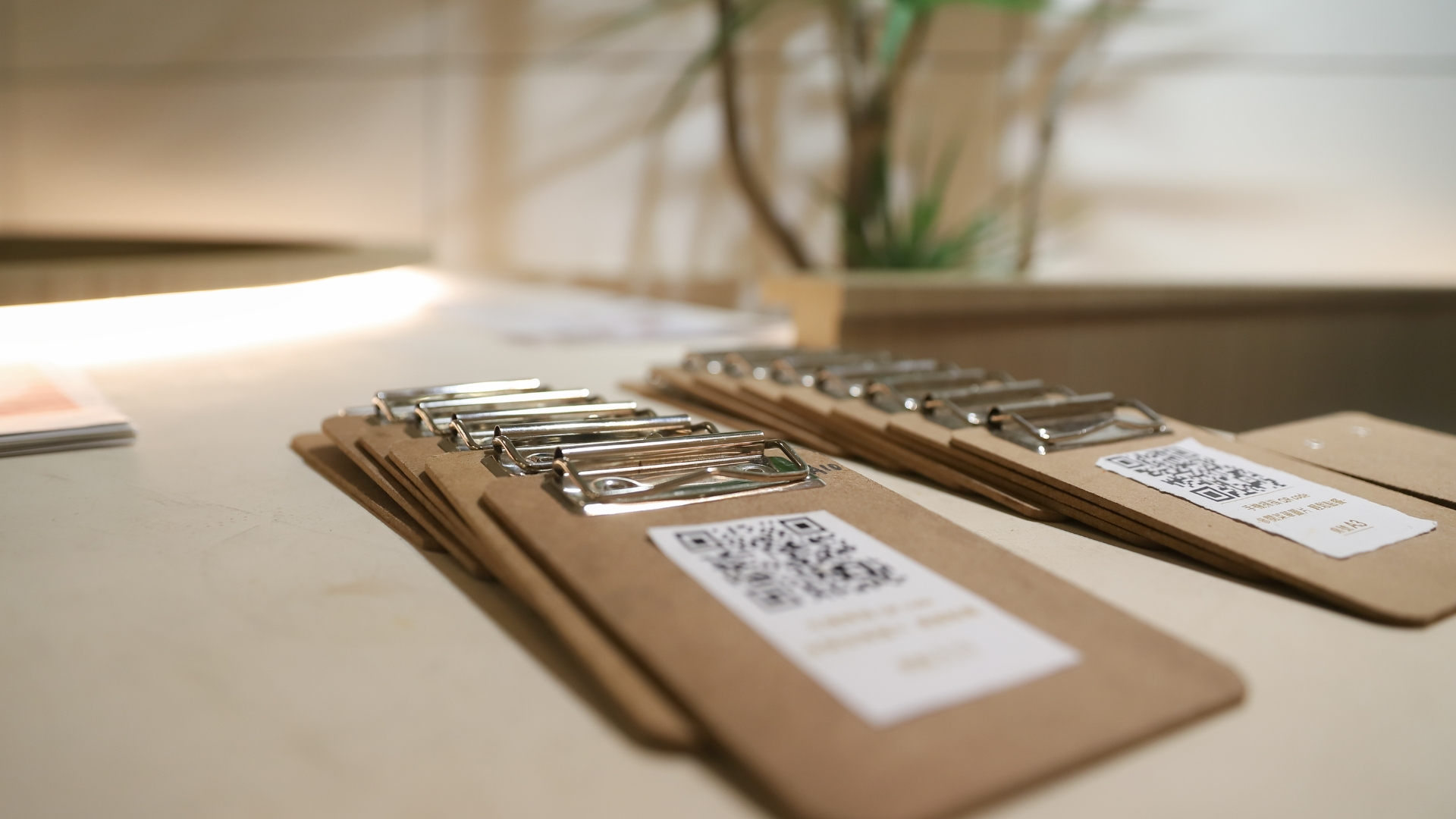
A restaurant mobile wallet is a digital payment option built into a restaurant’s own ordering channels. It allows guests to pay using saved payment methods within the restaurant’s system. From the restaurant’s perspective, it supports faster payments while keeping branding, pricing, and guest data under direct control.
A restaurant mobile wallet works across key ordering touchpoints:
Unlike third-party food delivery apps, a restaurant mobile wallet supports direct ordering. The restaurant controls pricing, owns guest data, and manages the experience without outside platform influence.
Also Read: Guide to Restaurant Demand Planning for Improved Management.
Mobile wallets matter because payment is often the final touchpoint of a guest’s visit. When this step feels slow or disconnected, it affects service flow and guest satisfaction. A restaurant mobile wallet helps keep payments quick, familiar, and fully aligned with how the restaurant operates.
Key benefits include:
These benefits come to life through a smoother ordering and payment experience for guests.
Recommended: Mobile Ordering Adoption in Restaurants: Key Benefits and Trends.

Mobile wallets transform how guests interact with your restaurant, creating a frictionless and secure payment experience. It allows guests to pay quickly using trusted methods, removing obstacles that slow service and create a smoother flow for both staff and diners.
Key benefits of mobile wallet payments include:
When guests can order and pay quickly without friction, restaurants have a better opportunity to encourage repeat visits and build lasting loyalty.
Also Read: Digital Menu For Restaurant: 7 Ways It Boosts Sales.
Mobile wallets support long-term guest relationships when payments connect directly to loyalty programs and customer engagement efforts. Checkout no longer remains an isolated step. Payment activity becomes a source of insight that helps restaurants recognize, reward, and re-engage guests over time.
Restaurants can use mobile wallets to support loyalty and marketing efforts through the following approaches:
When loyalty and payments work together, guests feel recognized, which encourages repeat visits and ongoing engagement.
You can also read our blog for Successful Tips on Building Restaurant Loyalty Programs in Food Delivery.
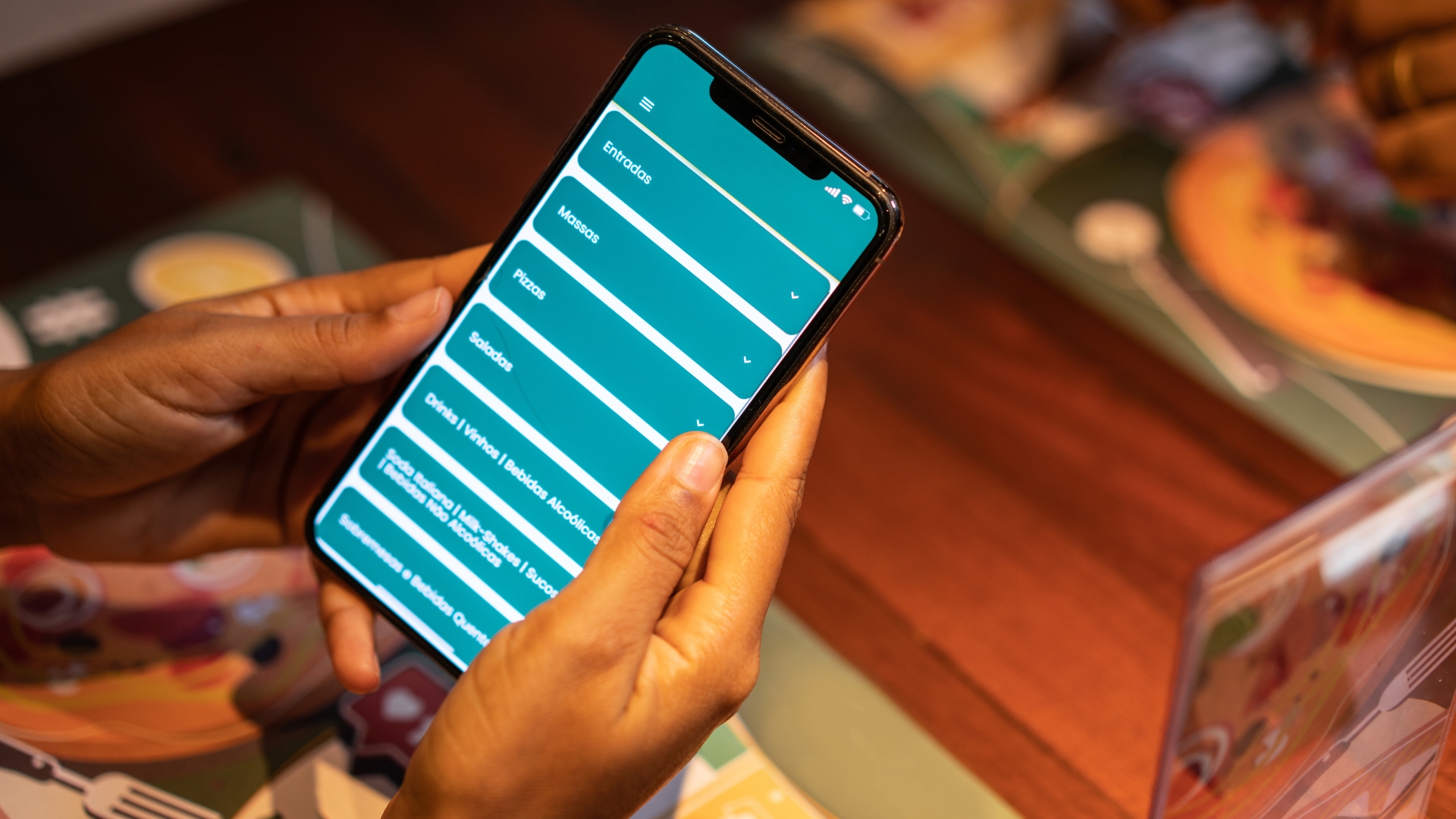
Mobile wallets deliver the most value when applied to real service situations that reflect how guests already interact with your restaurant. These examples show how restaurants integrate wallet payments into daily workflows without disrupting staff routines or service quality.
Common scenarios include:
With these real-world examples in mind, restaurants can take a structured approach to implementing mobile wallets for maximum impact.
Recommended: A Simple Guide to Restaurant App Development.
Adding a mobile wallet works best when restaurants plan the rollout instead of treating it as a quick add-on. The right platform and clear setup help avoid confusion for staff and guests while keeping the experience consistent across channels.
Key steps to follow include:
A structured approach helps restaurants introduce mobile wallets smoothly while protecting service flow and guest trust.
Also Check: 7 Effective Fast Food Advertising Strategies to Boost Your Restaurant’s Reach.

Adopting mobile wallets can raise valid questions for restaurants, especially during the early stages. Most challenges relate to setup and adoption rather than long-term use, and they can be addressed with the right approach.
Common challenges include:
While obstacles exist, a solution like iOrders makes it easier for restaurants to offer mobile wallet payments with minimal friction.
iOrders is the system that sits behind your restaurant's direct ordering experience. It manages how orders, payments, and guest details move through your website, QR ordering, and branded mobile app.
Mobile wallets like Apple Pay and Google Pay remain the payment method your guests choose. iOrders ensures those wallets work correctly within your ordering flow from checkout to order confirmation.
When a guest pays using a mobile wallet, iOrders processes the order through your restaurant's own system instead of sending it to a third-party marketplace. Orders, payments, and guest information stay connected in one place.
This setup allows your restaurant to accept mobile wallet payments without adding separate tools or changing how staff handle orders. Menu updates, pricing rules, and availability remain controlled by your team.
When mobile wallet payments run through iOrders, the platform supports your restaurant in the following ways:
To see how mobile wallet payments can fit into your restaurant’s direct ordering setup, book a demo today!
Mobile wallets have become a practical part of how guests prefer to order and pay. When used through restaurant-owned channels, they help shorten checkout time, support repeat visits, and keep the experience consistent from start to finish.
However, mobile wallets work best when they sit inside a restaurant’s own ordering flow. Pairing wallet payments with direct online ordering and customer data access helps restaurants reduce friction without giving up control. iOrders supports this through a branded website, QR code, and app ordering.
Book a demo to see how iOrders supports mobile wallet use within your direct ordering channels.
1. Do guests need to download an app to use a restaurant's mobile wallet?
No. Guests can use mobile wallets through a restaurant’s website or QR code ordering without downloading an app. A branded app simply offers added convenience for repeat visits.
2. Can mobile wallets be offered for both dine-in and off-premise orders?
Yes. Restaurants can enable mobile wallet payments for dine-in, pickup, and delivery orders, as long as the ordering platform supports all order types consistently.
3. Will mobile wallet payments affect how refunds or adjustments are handled?
Refunds and adjustments follow the same process as other digital payments. They are managed through the restaurant’s ordering and payment system, not the wallet itself.
4. Are mobile wallets suitable for small or single-location restaurants?
Yes. Mobile wallets work well for single-location restaurants because they reduce checkout delays and support direct guest relationships without requiring complex setup.
5. How can restaurants track mobile wallet performance?
Mobile wallet payments appear as part of overall online orders. Restaurants can review order volume, payment trends, and guest behavior through their ordering platform’s reporting tools.
.png)