January 13, 2026
As a restaurant owner, you place inventory orders before the rush hits and hope the numbers work in your favor. Some days, ingredients run out mid-service. On other days, a careful meal prep might end up in the bin. Relying on instinct, last week’s sales, or a simple spreadsheet often leads to costly surprises.
Predictive ordering analytics helps you plan inventory using real order patterns instead of guesswork. It shows what to stock, when to reorder, and how much to buy based on actual demand.
This blog explains how predictive ordering analytics improves inventory management and helps you keep food costs, waste, and availability under control.
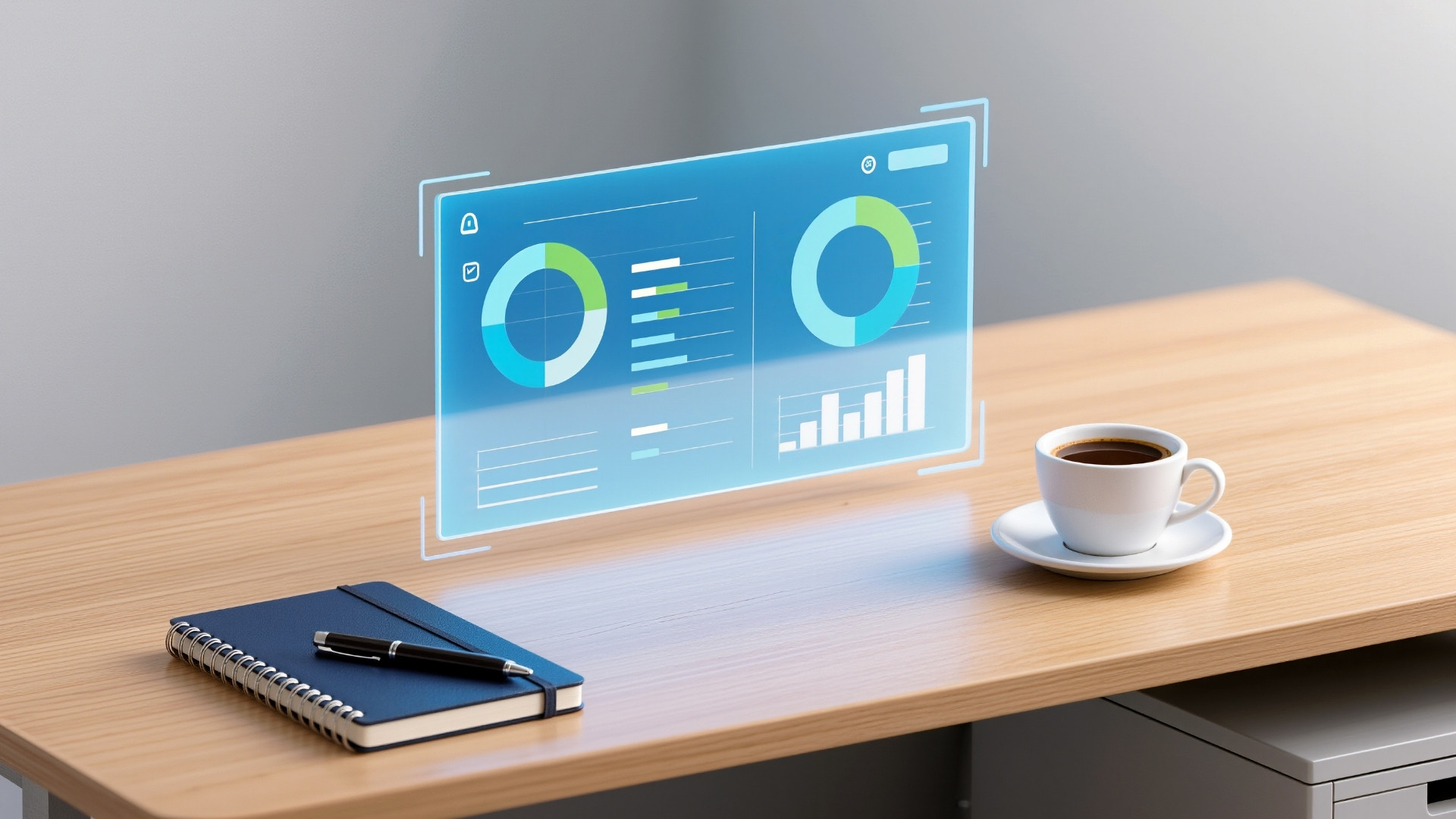
Predictive ordering analytics is a strategy that uses your restaurant’s past sales, menu trends, and customer behavior to forecast future demand. For a restaurant owner, it means you can plan inventory more accurately, reduce last-minute shortages, and avoid overstocking perishable items.
Instead of guessing how much of each ingredient to order, the system highlights patterns and predicts what your kitchen will need on any given day. This helps you make strategic decisions, keep your shelves stocked with the right items, and focus on serving guests rather than managing an inventory mess.
Recommended Read: How Repeat Order Automation Can Benefit Your Restaurant: Complete Guide.
Accurate demand forecasting starts with looking at what has happened in your restaurant before. Historical orders, daily trends, and seasonal patterns give clues about what guests are likely to order on any given day. Instead of relying on guesswork, you can use real data to plan ahead and avoid running out of popular items.
Some ways forecasting can guide decisions:
You can use tools like iOrders to automatically collect and analyze this data from your POS and online orders, giving you clear insights without extra work. This helps you plan ahead and reduce surprises during service.
Running out of key ingredients mid-service or ending up with excess perishables can hurt both revenue and guest experience. Predictive ordering analytics helps you set smarter reorder points by analyzing past sales, menu trends, and peak hours. Instead of ordering the same quantities every week, the system adjusts recommendations based on actual demand patterns.
Key ways this helps:
With iOrders, every order placed through your website, app, or QR code is reflected in inventory usage as it happens. You can see which ingredients are selling faster than expected, which items are slowing down, and when it’s time to reorder. This helps your team adjust purchases and prep based on real demand, not fixed weekly estimates.

Food waste and high holding costs can unknowingly eat into your profits. Predictive ordering analytics helps you buy only what you need, keeping both spoilage and unnecessary storage costs in check.
Once inventory levels are under control, the next challenge is ensuring your suppliers can keep up with your kitchen’s needs.
Also Read: Effective Strategies to Control Food Costs in Restaurants.
Keeping suppliers aligned with your kitchen’s needs is difficult when the demands keep changing. Predictive insights help you plan ahead, reducing rush orders and improving reliability.
Even with well-timed purchasing, inventory still needs attention once service begins and orders start flowing.
Also Check: AI Menu Recommendations for Smarter, Personalized Restaurant Menus.
Demand can surge quickly due to lunch rushes, weekend orders, or sudden catering requests. Predictive ordering analytics lets you adjust inventory in real time, so your kitchen stays prepared without overstocking.
iOrders centralizes your POS, online orders, and inventory in one dashboard, giving real-time stock visibility. You can see low items instantly, adjust prep quantities, mark menu availability, and get reorder alerts, reducing waste and keeping service uninterrupted.
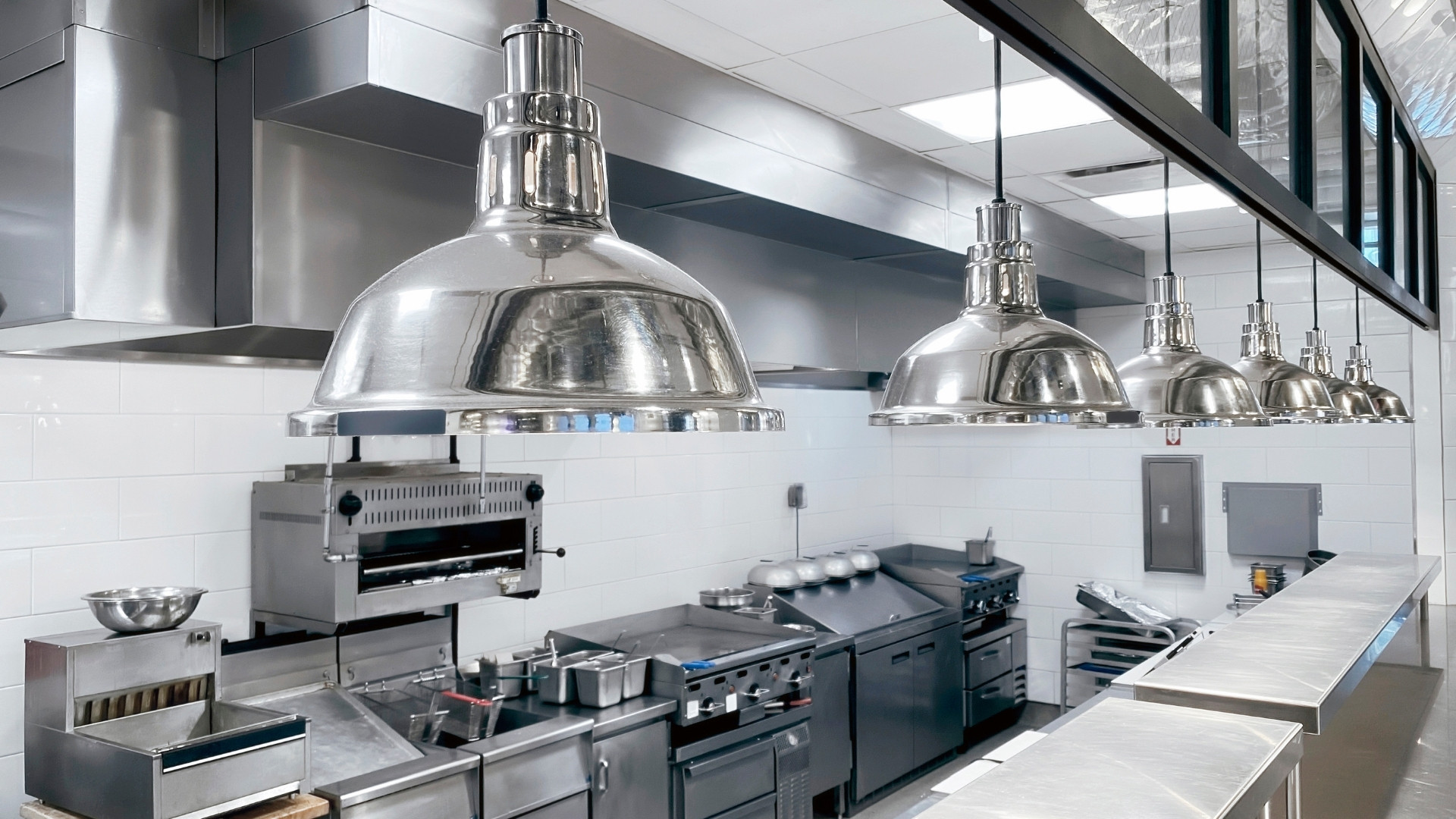
Managing staff, storage, and prep areas efficiently can save time and reduce costs. Using order data to guide decisions helps your team stay organized and prevents bottlenecks during busy periods.
Once your kitchen resources are aligned, the next focus is deciding what stays on the menu and what needs adjustment.
Recommended Read: Food Delivery Automation: A Practical Guide for Restaurants.
Decisions about which items to feature, pause, or adjust pricing can directly affect sales and waste. Using your own order and inventory data helps you make these choices with confidence.
When you know which items sell consistently and which drain inventory, it becomes easier to plan beyond the next service.
Using order and inventory insights guides long-term planning. Restaurants that base decisions on actual data can reduce waste, control costs, and better respond to demand changes.
Over time, these informed choices help create a more predictable, profitable, and resilient restaurant operation.
Inventory surprises and wasted ingredients can quietly hurt both your profits and your service quality. Turning order data into actionable insights allows you to plan prep, stock, and menu decisions with confidence, keeping your kitchen aligned with real demand.
A platform like iOrders brings all your POS, online orders, and inventory into one dashboard, so adjustments happen in real time and your team always knows what to prep and when to reorder. With this clarity, you can reduce waste, control costs, and keep service smooth to provide a better experience to customers.
Book a demo today and see how your restaurant can run smarter and more efficiently.
1. How often should I review and adjust inventory forecasts?
Ideally, forecasts should be updated daily for perishable items and weekly for staples. This ensures your orders match actual demand while minimizing waste.
2. Can predictive insights account for sudden events like holidays or catering orders?
Yes. Most systems allow you to input special events or adjust expected volumes manually, so your inventory reflects spikes or slow periods accurately.
3. How much historical data is needed for accurate predictions?
Even 3–6 months of sales and POS data can provide useful trends. More data improves accuracy, especially for seasonal patterns and menu performance.
4. Can these insights help with multi-location restaurants?
Absolutely. Analytics can track demand at each location separately, letting you adjust orders, prep, and staffing according to each kitchen’s needs.
5. Will using predictive insights reduce the number of emergency orders?
Yes. With clearer forecasts, reorder alerts, and real-time stock tracking, your team can plan ahead, cutting down last-minute deliveries and extra costs.