March 5, 2026
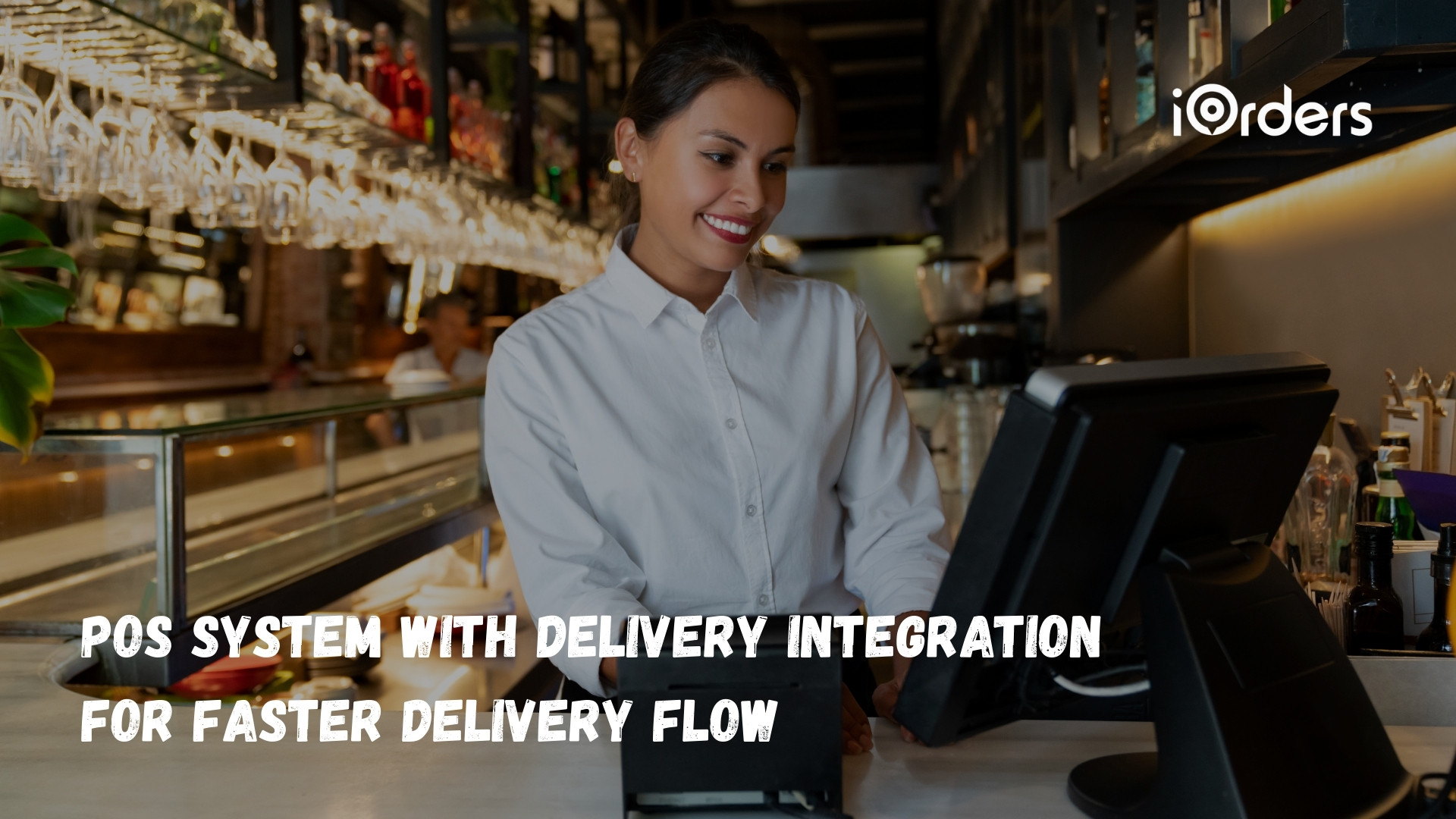
At 7:15 PM, the dinner rush is in full swing. A delivery driver waits at the counter while another order blinks on a third-party tablet. Your cashier pauses to retype that same order into the POS, and the kitchen calls out to confirm whether the ticket is pickup or delivery. Meanwhile, a takeout guest checks their phone for an update that your team cannot easily see.
On paper, everything seems to work well: orders are coming in, food is going out, and drivers are arriving on time. Yet the handoffs feel slower than they should, and your staff spends more time coordinating than serving.
That friction often points to one underlying gap: how your POS handles delivery orders behind the scenes. In this guide, we’ll break down how a POS System with delivery integration works, what proper integration should look like during a live shift, and the practical steps to set it up without disrupting your team.
A POS system with delivery integration connects your delivery channels directly to your in-house POS. Every order, whether it comes from your website, app, or a third-party platform, flows into one central ticket queue.
Delivery status updates, pickup times, and order types appear inside the POS, so staff know what dine-in, pickup, or driver-bound at a glance. In simple terms, delivery orders enter your system the same way counter orders do, automatically and accurately.
When delivery orders are not connected to your POS, your team fills the gap manually. That usually happens during the busiest part of the shift.
A tablet lights up with a new order. Your cashier stops billing a dine-in table to retype the delivery order into the POS. The kitchen waits for clarification because the ticket looks different from in-house orders. Drivers begin asking how long the pickup will take.
Here’s what that disconnect often leads to:
None of these issues feels like roadblocks in isolation. However, during a packed shift, they slow your team and chip away at margins.
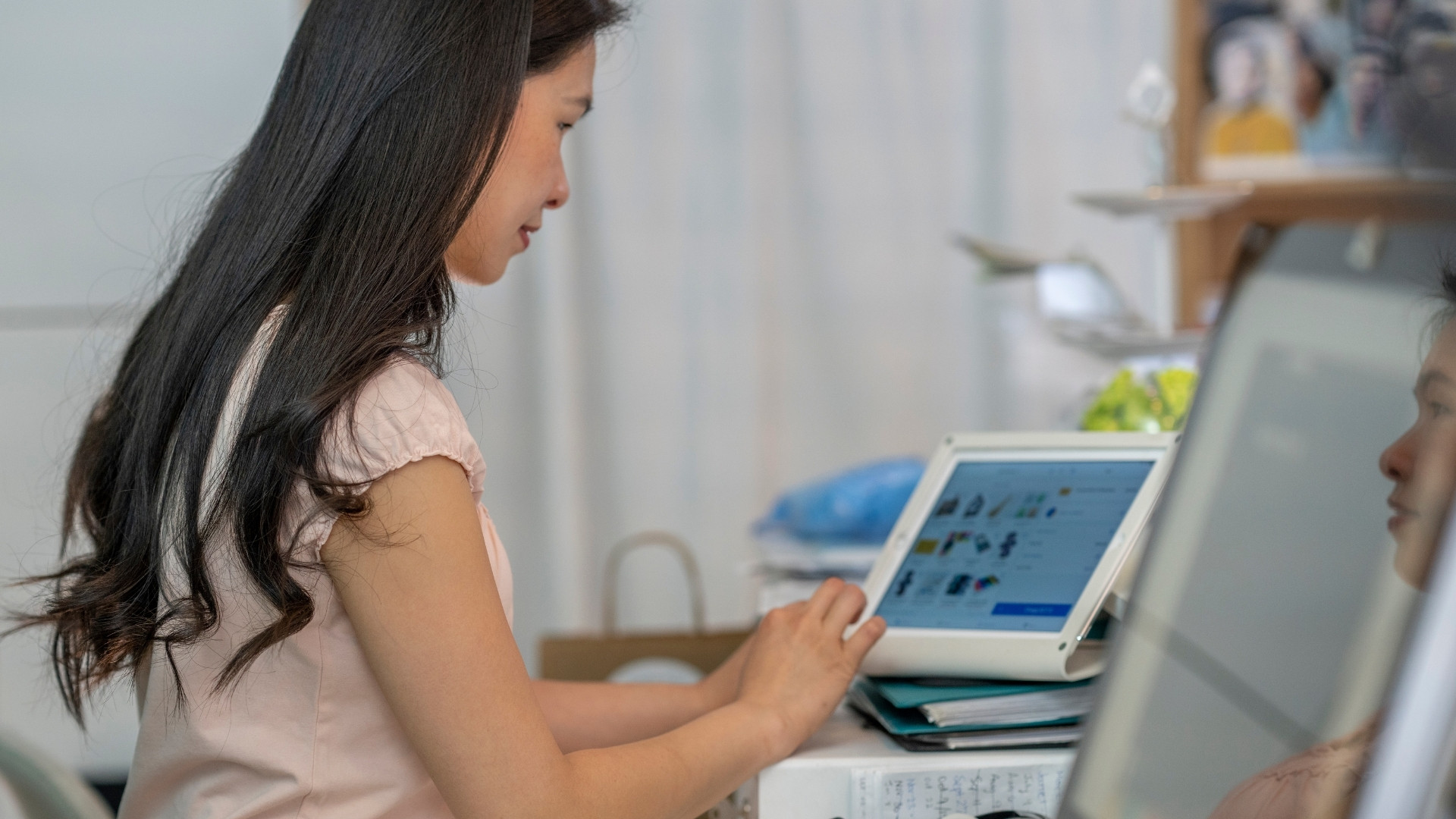
Now picture the same 7:15 PM rush with delivery fully integrated into your POS. Orders move through your system the same way dine-in tickets do. Your staff no longer pauses to translate information between devices.
Here’s what that looks like in real time:
With delivery integration in place, your shift feels organized. Orders move forward without translation, and your team stays focused on service instead of coordination.
Recommended: Restaurant Automated Ordering for Better Accuracy and Stronger Profits.
Setting up a POS System with delivery integration requires planning before you flip the switch. The goal is to prevent confusion during live service and ensure every order flows correctly from day one.
Follow these practical steps.
Start with a simple inventory of what you already use.
Stand at the counter during a busy hour and observe. If someone retypes orders or checks multiple screens, note it. That is where integration must improve the flow.
Next, confirm how your POS connects to delivery platforms. Some POS systems support direct integrations. Others require middleware that bridges systems together.
Your provider should clearly state:
Request a walkthrough before activating anything. Watch how an order moves from placement to kitchen ticket inside the system.
Before going live, align your menus across all channels. If your POS lists “Large Pepperoni Pizza” but the delivery app lists “Pepperoni – L,” mapping errors can happen. Modifiers must also match exactly.
Review the following:
This step prevents missing toppings, incorrect pricing, and prep confusion later.
Never launch integration on a Friday night. Choose a slower period and place test orders from:
Watch what prints in the kitchen. Confirm the following aspects:
Fix small issues now instead of during peak volume.
Training should focus on workflow, not features. Cashiers need to know:
Kitchen staff needs to know:
Managers need to know:
Once each role understands what they see and what to do, integration supports the shift instead of disrupting it.
When done correctly, a POS System with delivery integration runs in the background. Orders enter once, appear accurately, and move through your kitchen without manual coordination.
Also Read: How the Use of AI in Restaurants Cuts Bottlenecks and Protects Margins.
Even with the right setup process, integration doesn’t always go smoothly. You need to be aware of the common problems restaurants run into after going live.

Integration can seem fine during setup, but real issues often surface once live orders start flowing. Most problems come from menu mapping, timing gaps, or routing errors that only show up during service. Identifying them early prevents workflow breakdowns.
Here are the most common integration challenges restaurants face after going live.
You notice an item ringing in at the wrong price. Or a combo prints without the included side. This usually happens when menu names, sizes, or modifiers do not match perfectly across systems.
Fix it by reviewing:
One mismatch can create repeated order errors during peak hours.
A driver arrives in 12 minutes, but the kitchen ticket shows a 20-minute prep window. Staff rushes to finish, and quality slips. This issue often stems from prep times not syncing properly between the delivery platform and the POS. Review:
Timing needs to reflect real kitchen capacity.
You run out of a popular item in-house, but it still shows as available online. Orders continue coming in for something you cannot fulfill. This usually means inventory counts are not connected between systems. Confirm:
Without synced inventory, staff must manually call guests to adjust orders.
If employees start retyping orders “just to be safe,” that signals a trust issue with the integration. This often happens when:
Revisit training and run controlled tests during slower shifts to rebuild confidence.
Delivery tickets may print at the wrong station or mix with dine-in orders without clear labeling. Check the following:
Proper routing ensures the grill station does not get confused with bar orders, and delivery bags are assembled correctly. Most integration problems are fixable with small adjustments. The key is spotting them early, before they compound during a packed service.
However, fixing these integration gaps requires more than patchwork solutions—it calls for a system designed to keep delivery, ordering, and POS operations aligned from the start.
When delivery orders start flowing through multiple apps, your POS should not feel like a separate system. It should act as the control center. That is where iOrders steps in.
Instead of forcing your staff to juggle tablets, reconcile mismatched tickets, or manually coordinate drivers, iOrders connects your direct ordering and delivery into one structured flow. Orders move from guest to kitchen to pickup without translation in between. Your team works inside one environment, not across scattered devices.
Here’s how iOrders supports that delivery integration:
If your goal is a POS System with delivery integration that supports real shift workflows, book a demo now to see how you can centralize ordering, delivery, and guest data under your control.
If delivery still feels like a separate system inside your restaurant, the issue is not volume but the structure. Orders, timing, reporting, and guest data must live inside one controlled environment.
iOrders brings your direct ordering, delivery management, and POS connection into a single workflow. Orders enter once and move straight to the kitchen. Delivery timing aligns with prep. Sales record automatically. You keep control of pricing, customer data, and how much revenue stays in your business instead of going to third-party commissions.
Delivery integration should protect your margins, not complicate your shift. Connect with our team today to see how delivery integration works inside your POS and what it looks like in a real service environment.
1. Can a POS System with delivery integration work with multiple delivery platforms at once?
Yes. A properly integrated system can connect with multiple delivery partners while routing all orders into a single POS queue. This prevents staff from switching between tablets and keeps reporting centralized.
2. Will delivery integration affect how I price items on third-party apps?
No. You still control menu pricing by channel. Integration ensures orders flow into your POS correctly, while you decide how pricing differs between direct and third-party platforms.
3. How long does it take to set up POS delivery integration?
Setup time depends on your current POS and menu structure. Most of the work involves menu mapping, modifier alignment, and testing before going live during peak hours.
4. Can I use my own drivers with a POS System that supports delivery integration?
Yes. Many systems allow you to use in-house drivers or connect with white-label logistics providers while keeping all orders synced inside your POS.
5. Does delivery integration help with customer data ownership?
Yes. When guests order through your direct channels, their order history and contact details stay within your system. This allows you to run loyalty programs and targeted marketing campaigns without relying on third-party apps.