February 25, 2026
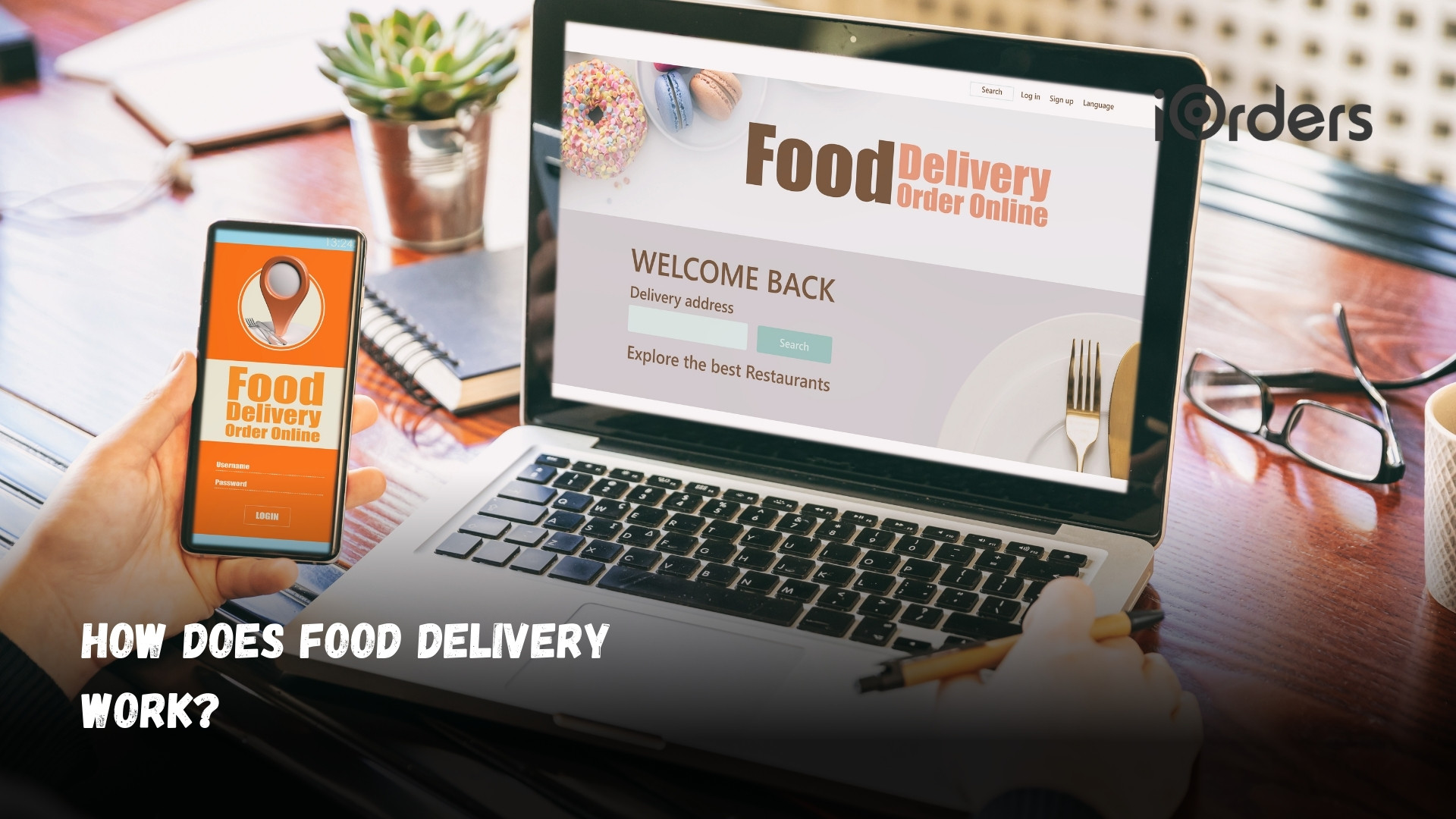
At 7:12 p.m., your dining room is humming, but behind the counter, delivery tablets are stacking up alerts. One driver is already tapping their foot at the pickup shelf while another is circling the block, and your kitchen is frantically reprioritizing tickets for guests you’ve never even met. This high-pressure moment is the real-world answer to how food delivery works for a modern operator.
As delivery has grown into a multi-billion-dollar pillar of the North American food industry, it has shifted from a "luxury add-on" to a core revenue driver. However, many owners jump in without realizing exactly how commissions are carved out, how driver logistics impact food quality, or, most importantly, who truly owns the guest relationship once the bag leaves the door.
In this guide, we’ll pull back the curtain on every step from the first tap on a screen to the final payout, helping you understand where control shifts and exactly where your margins tighten.
The question of how food delivery works isn't just about moving a bag from point A to point B; it’s about the chain reaction that happens inside your four walls. Every delivery ticket that hits your kitchen competes with your dining room for space on the grill and your staff’s attention.
The moment that the ticket prints, a countdown begins. Your team has to balance the timing perfectly: if the food is ready too early, it wilts under a heat lamp; if it’s late, a frustrated driver crowds your counter, and your guest gets a cold meal. This "timing gap" is where reputations are won or lost.
Beyond the kitchen chaos, the financial math is often harsher than it looks on paper:
Understanding the mechanics of delivery helps you spot where you’re losing money and where you can reclaim control. It all starts with choosing the right delivery model for your specific goals.
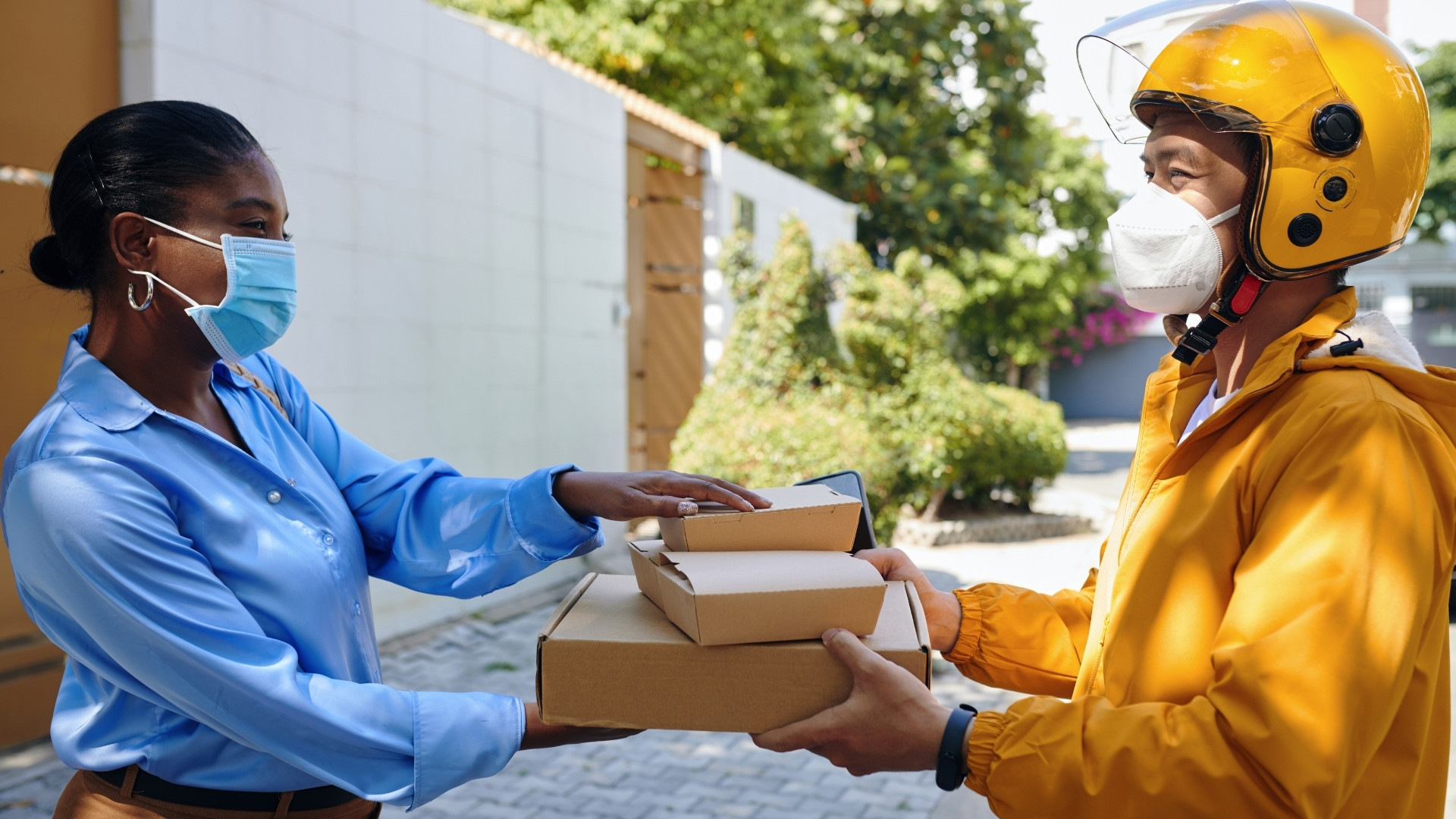
While the guest experience feels similar across the board, the back-end mechanics and the impact on your wallet vary wildly. Here is a breakdown of the three primary delivery models available to restaurants:
Marketplace apps are third-party platforms where your restaurant appears alongside competitors, and customers place orders inside the app. For example, a guest searching for burgers on Uber Eats may see your brand listed next to five other local restaurants, all competing on price, ratings, and delivery time.
In this model, the technology is yours, but the drivers are outsourced. Customers order directly from your website or QR code.
The traditional "pizza shop" model, where you hire, train, and manage your own drivers.
The Bottom Line: Each model answers "how does food delivery work" differently. The marketplace model prioritizes convenience, while white-label and in-house models prioritize profit and brand ownership.
Also Check: Breaking Down the True Cost of Food Delivery Apps for Restaurants.
With your model identified, let's look at what happens behind the scenes once an order is placed, and how each step impacts your bottom line.
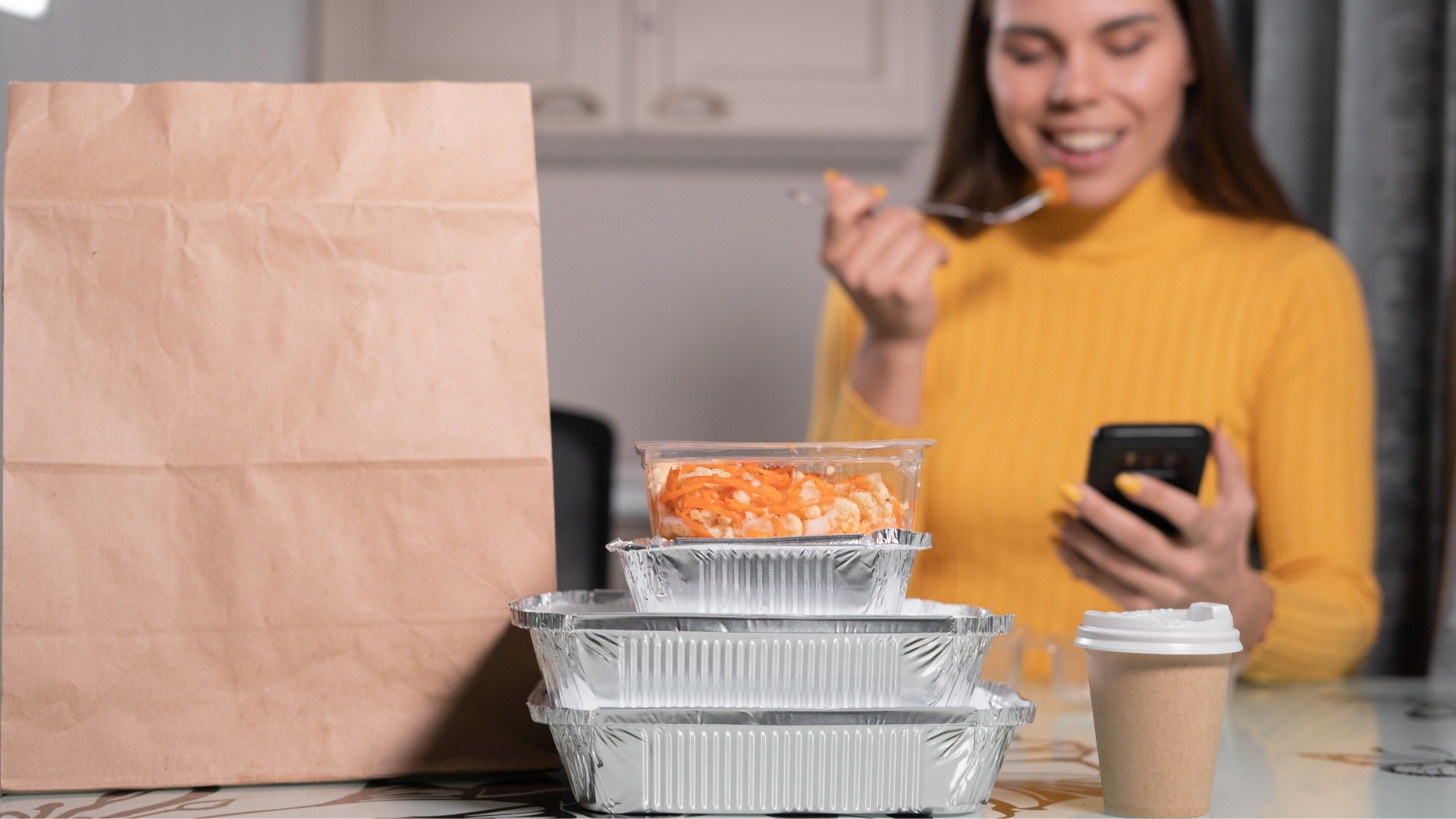
The second a customer hits "Order," the clock starts ticking. What feels like a smooth process for the guest is a high-stakes logistics operation for your team. Here is what happens behind your counter in real time.
On a marketplace app, your restaurant appears in a list beside nearby competitors. Ranking often depends on distance, ratings, delivery speed, and any paid promotion you are running. A customer selects items, adds modifiers like “no onions” or “extra sauce,” chooses delivery, and completes payment inside the app.
At this point, the platform has already captured the payment and calculated its commission. The order now moves into your workflow.
The order appears on a dedicated tablet or feeds directly into your POS system if integrated. Your staff must review and accept it within a required timeframe. If no one confirms it quickly, the platform may cancel the order or mark your store as unavailable.
Once accepted, the kitchen adds the ticket to the production queue alongside dine-in and pickup orders. During peak hours, this means cooks adjust pacing to meet both table service and delivery deadlines.
If you operate on multiple apps, ensure each one has its own tablet, alert tone, and acceptance timer.
After you confirm the order, the platform assigns a driver based on proximity and availability. You do not select the driver, and you cannot control their route or exact arrival time.
Timing now becomes critical. Your kitchen must pace preparation to match the estimated pickup window shown in the app. If a driver arrives too early, your team may rush plating or ask them to wait, which affects kitchen rhythm. If a driver arrives late, the food sits, the temperature drops, and its texture changes. Even a 10–15 minute mismatch can impact fries, fried items, or carefully plated dishes.
Delivery success depends less on speed and more on alignment between prep time and pickup time.
Once the food is ready, your team prepares it for transport. Packaging must protect temperature, prevent spills, and withstand movement during transit. Items are checked against the ticket, sealed, labeled, and placed in a designated pickup area.
When the driver arrives, they verify the order number and collect the bag. At that moment, physical control of the order transfers from your restaurant to the delivery partner. From pickup onward, travel time, handling, and final drop-off are no longer within your direct control, even though the customer still associates the experience with your brand.
The customer tracks the driver in real time through the platform. Estimated arrival times adjust automatically based on traffic and route changes.
If delays occur, the customer often sees updates before your team does. Once the driver marks the order as delivered, the platform closes the transaction and schedules a payout to your account after deducting commissions and fees.
Even when orders run smoothly, commissions and fees quietly shrink your profits. Let’s break down exactly where your delivery revenue goes.
Recommended: 10 Expert Strategies to Improve Your Restaurant Profit Margin.
It’s easy to get excited when the delivery tablets are buzzing. However, every order processed through a marketplace platform is subjected to a "hidden tax" that hits your bottom line before the money ever touches your bank account.
Here is how these platforms siphon your revenue, often leaving your margins razor-thin:
When you calculate the cost of ingredients (COGS), labor to prep the order, packaging, and the 30% commission, many high-volume items are actually sold at a loss or, at best, at a break-even point.
You aren't just paying for a delivery service; you are paying for the privilege of using their digital real estate. Understanding these costs is the first step toward deciding if your current delivery volume is actually helping you grow or just keeping you busy.
Also Read: How to Start a Delivery App for Restaurants and Boost Revenue.

Running a delivery business alongside a busy dining room is like running two different restaurants at the same time. When these two worlds collide during a rush, "small missteps" turn into expensive disasters.
Here is the friction your team faces every shift:
These challenges aren't just "part of the job"; they are symptoms of a system that wasn't built for your restaurant's efficiency. They strain your staff, eat your margins, and hand control of your reputation over to a third-party algorithm.
You don’t have to accept losing 15–30% of your hard-earned revenue to marketplace apps. You can break the cycle of "tablet hell" and regain control of your margins, your data, and your guest experience with iOrders.
iOrders acts as your central command center, bridging the gap between your digital channels and your kitchen. By consolidating everything into one POS-connected flow, you stop renting your customers and start owning the relationship.
Here's how iOrders puts you back in control:
With iOrders, you aren't just adding another channel; you are building a profitable digital ecosystem. You keep your guest data, you protect your margins, and you ensure your staff can focus on hospitality, not manual data entry.
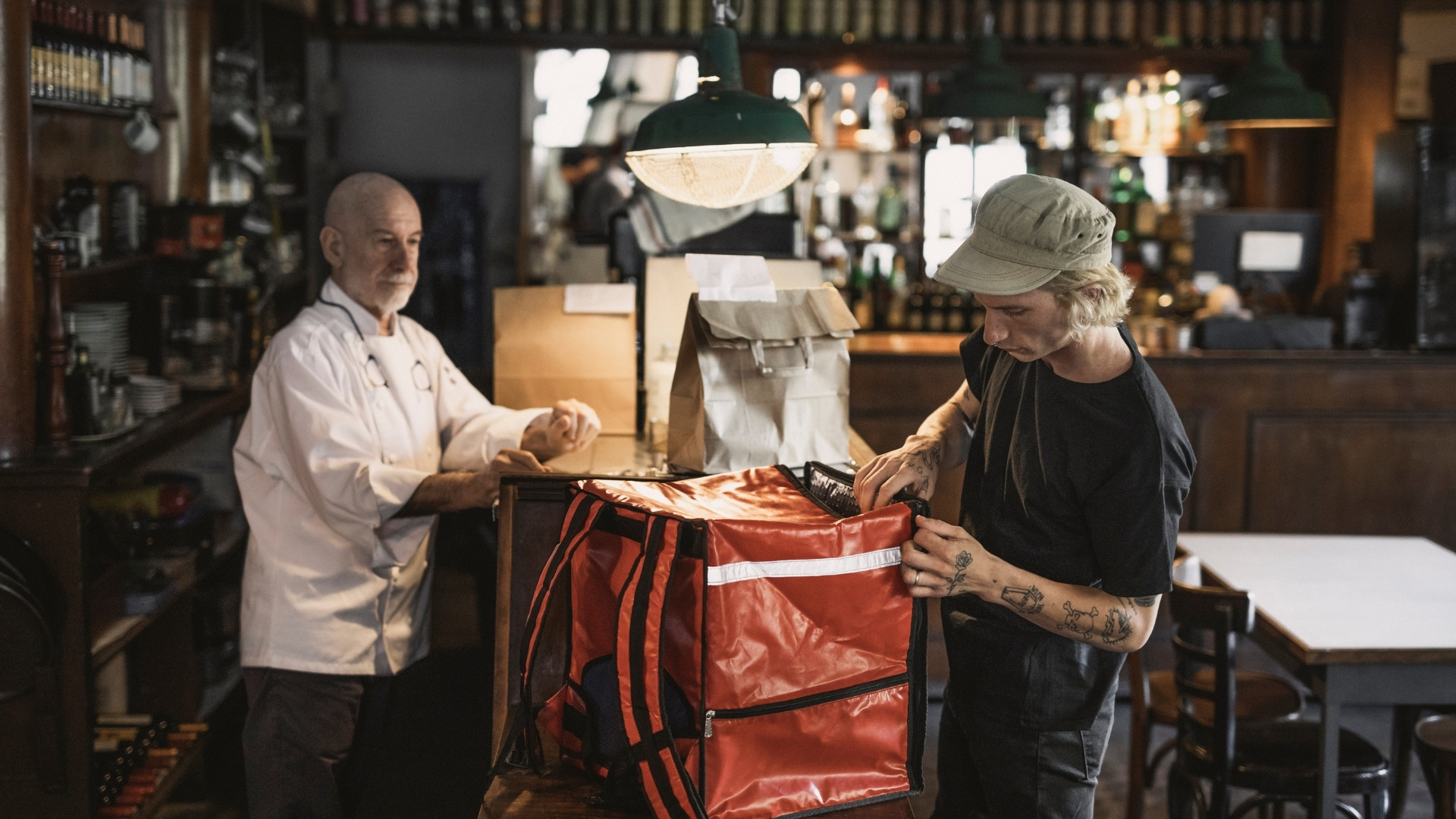
If you don't measure it, you can't manage it. Whether you are using a third-party marketplace or a direct system like iOrders, these are the numbers that determine your long-term success.
Tracking these metrics gives you a clear picture of performance and actionable insights to improve delivery success.
To a customer, food delivery is just a button tap. To you, it’s a high-stakes balancing act of timing, kitchen capacity, and shrinking margins. When you rely solely on marketplace apps, you aren’t just losing 15–30% of your revenue; you’re losing the ability to manage your own kitchen’s rhythm.
Understanding how food delivery works is the first step toward fixing the leaks in your profit. The next step is moving toward a model where you own the guest relationship and the data that comes with it.
Stop letting third-party fees and "tablet hell" dictate your success. iOrders integrates your operations into one POS-connected flow, protecting your margins with commission-free ordering and total data ownership. Book a demo today to take back control and start running a more profitable kitchen.
1. Can I combine in-house delivery and third-party apps without chaos?
Yes. Platforms like iOrders let you manage direct orders alongside any third-party app orders from a single dashboard. This prevents missed tickets, overlapping prep, and staff confusion during peak hours.
2. How do I maintain food quality during long delivery distances?
Temperature-safe packaging, strategic staging, and driver timing all matter. iOrders lets you monitor order timing from prep to pickup, helping you coordinate kitchen output with delivery windows.
3. Do I lose customer data if I use delivery platforms?
Marketplace apps usually retain ownership of customer contact details, limiting marketing and loyalty efforts. With iOrders, all data flows to your restaurant, enabling targeted offers, loyalty rewards, and repeat business.
4. How can I track profitability per delivery order?
Track order revenue, commissions, delivery fees, and operational costs. iOrders consolidates these numbers, letting you see profit per order in real time instead of guessing.
5. Can I offer delivery without hiring full-time drivers?
Absolutely. iOrders integrates with white-label delivery partners, letting you provide fast, branded delivery without the cost and management of an in-house team.