Book a free demo
Oops! Something went wrong while submitting the form.
January 30, 2026
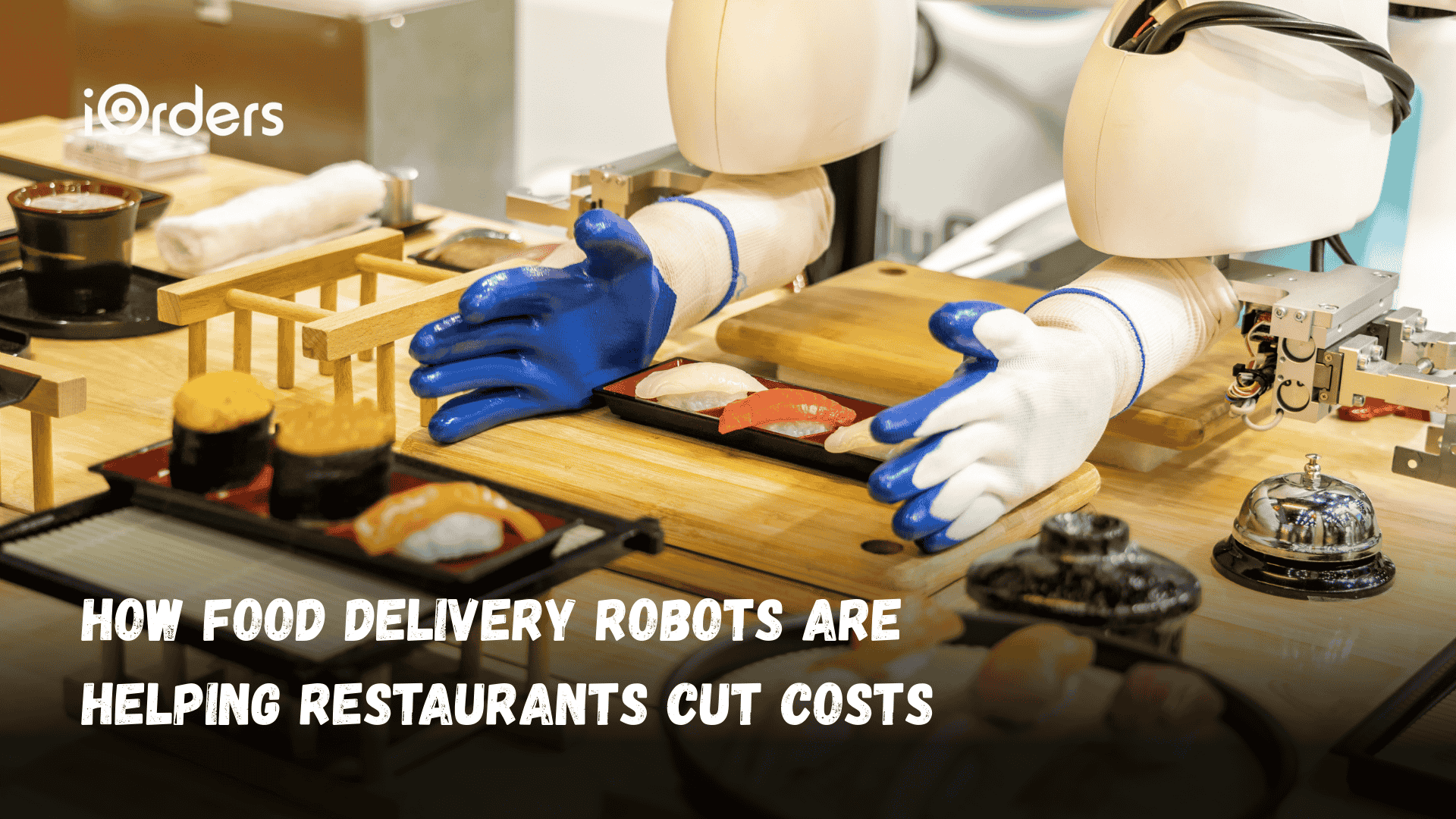
When your only driver calls in sick and tickets start piling up, even simple deliveries pull cooks or servers away from their stations. A quick two-block drop turns into a 20-minute gap on the line, and the rest of the shift feels heavier than it should.
More restaurants are turning to food delivery robots to handle these short-distance runs that drain time and push labor costs higher. These units take care of the easy, repeatable trips your team gets stuck with on busy nights, helping you keep service steady and expenses predictable.
In this blog, we’ll look at how the food delivery robot restaurant model is moving from a futuristic concept to a practical tool for protecting your bottom line.
A food delivery robot is a small autonomous vehicle built to carry meals from a restaurant to nearby customers. It typically uses sensors, onboard cameras, and AI-driven positioning to move along sidewalks or predefined routes without human guidance.
These robots travel at low speeds, avoid obstacles, and keep orders sealed inside a temperature-controlled compartment. Once the robot reaches the customer, a code or mobile app unlocks the food. Their main purpose is to handle short-distance deliveries that don’t require a dedicated driver, reducing the strain on staff while keeping delivery times predictable.
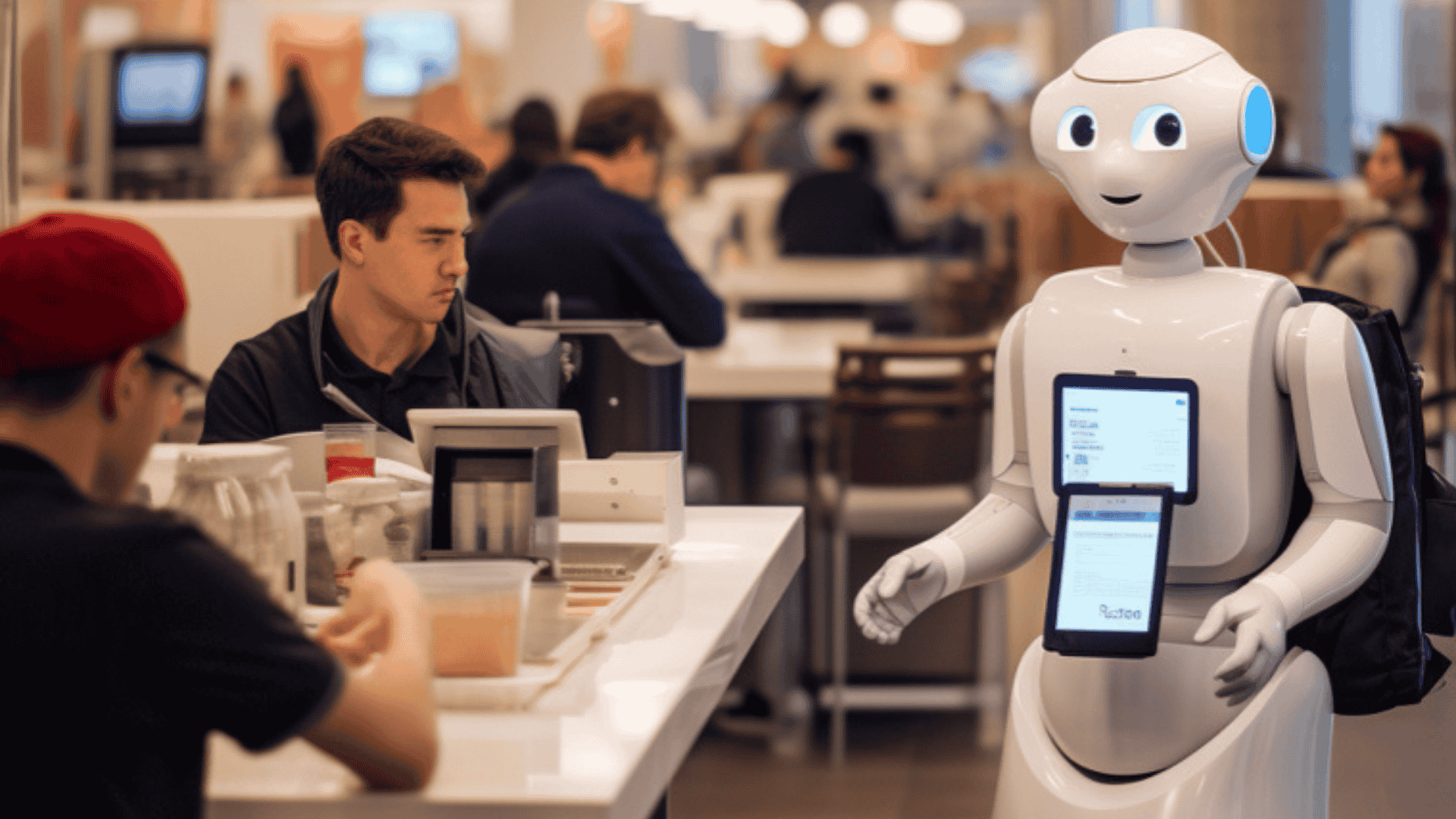
For restaurant staff, the value of a delivery robot is not just in its technology—it’s in how it interacts with your daily operations. Unlike a human driver, the robot doesn’t pull cooks or front-of-house staff away from their stations.
Here’s how the process usually works:
From a kitchen perspective, this flow minimizes interruptions, keeps prep lines moving smoothly, and allows staff to focus on cooking and in-house service. Nearby deliveries no longer distract the team, helping orders get out consistently and on time.
Now that you know how a delivery robot works in practice, it’s helpful to look at the different types and where each one fits.
Recommended: Build an Online Food Ordering System for Smoother, Faster Service.
Restaurants rely on different kinds of robots depending on whether the job happens inside the dining room or out in the neighborhood. Each type fills a specific service gap and supports staff during busy periods.
Once the main types of delivery robots are clear, the next step is to look at the technology that allows them to move, sense their surroundings, and stay accurate during each delivery.
Also Check: Food Delivery Automation: A Practical Guide for Restaurants.
Delivery robots rely on a mix of sensors, mapping tools, and software connections to reliably move food from the kitchen to the customer. Below is a clear breakdown of the core systems that make them dependable for restaurants.
Robots use a blend of LiDAR, depth cameras, ultrasonic sensors, and SLAM (Simultaneous Localization and Mapping) to understand their surroundings in real time. These tools help the robot:
The result is steady, human-safe travel without needing constant staff supervision.
Each robot connects to a cloud-based system that handles routing, dispatching, and tracking. This is what allows restaurants to:
Most providers also give access to APIs so restaurants can customize workflows or connect robots to their existing tech stack.
A robot is only as reliable as the order information it receives. To avoid sending the wrong meal to the wrong address or dispatching a robot too early, restaurants need POS systems that pass accurate, time-stamped data to the robot’s platform.
This is where strong integrations become important. When a POS connects smoothly to the robot’s dispatch system, the robot gets:
With systems like iOrders, the handoff is clean because the POS keeps the entire order flow organized. Staff don’t need to manually trigger the robot or double-check which bag belongs where. The robot receives accurate information the moment the order is marked ready. This reduces mix-ups during busy hours and ensures robots deliver the right food at the right time without slowing the kitchen.
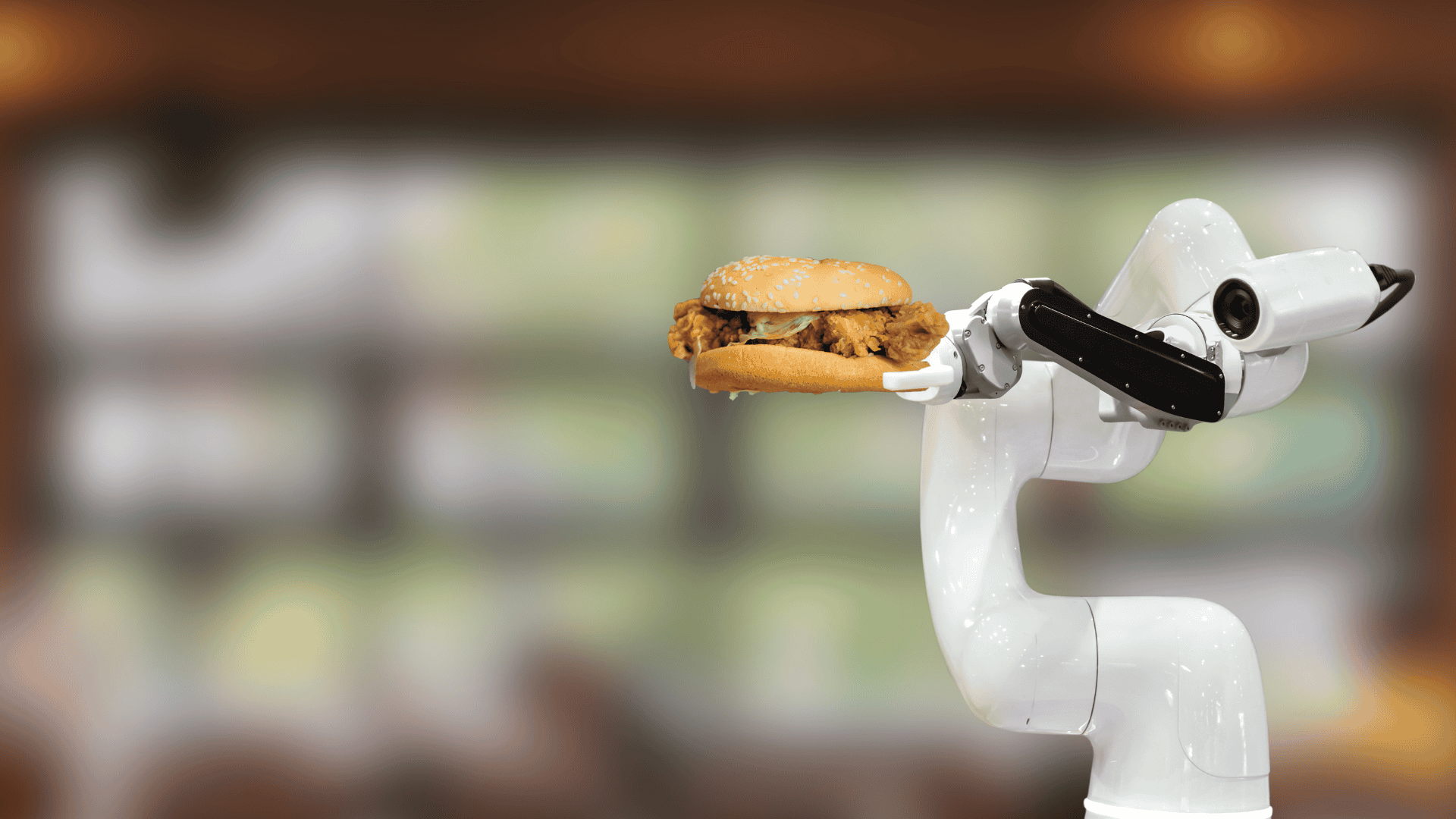
Food delivery robots help solve structural labor issues that traditional delivery can't touch. They enable restaurants to shift low-value tasks to automation so you can protect your team from burnout. These are the benefits they provide:
Robots reduce labor costs, but the biggest margin lift comes when restaurants pair them with commission-free ordering. With platforms like iOrders, customers order directly from the restaurant, and the robot handles delivery, no 30% aggregator fees eating your margin, no juggling multiple dashboards, and no dependency on third-party drivers.
This combination protects revenue on every order and creates a delivery system the restaurant fully owns, from checkout to doorstep.
Robots can be a smart addition to a restaurant, but only when the environment and workflow actually support them. Below are the key factors operators should evaluate early on:
Every city has different rules around where robots can travel, speed limits, sidewalk access, and whether autonomous devices are allowed at all. Before committing, confirm your typical delivery radius fits within approved routes and that the bot can safely complete those trips.
Dense downtown blocks, heavy foot traffic, and narrow sidewalks can slow robots down or block routes entirely. Suburban areas, business parks, campuses, and gated communities tend to be more robot-friendly. A quick audit of your surrounding streets and walkways can reveal whether a robot would constantly reroute or operate smoothly.
Snowy sidewalks, steep inclines, broken pavement, and heavy rain all affect performance. Restaurants in colder climates should confirm cold-weather capability, tire traction, and whether the provider offers on-the-ground support during storms.
Robots need periodic servicing, such as tire replacements, battery checks, sensor cleaning, and software updates. Before buying or leasing, evaluate:
A great robot with weak support becomes unreliable fast.
A robot that confuses customers or requires multiple steps to unlock the food can hurt the experience rather than help it. Ideal setups offer:
Make sure the robot’s height, interface, and pickup method work well for a wide range of customers.
Robots come with monthly fees, charging needs, and occasional downtime. The value makes sense when:
Running a small ROI model based on your average delivery ticket size, labor cost, and current delivery volume will show whether a robot improves profitability or spreads your team thin.
Also Read: AI Menu Recommendations for Smarter, Personalized Restaurant Menus.
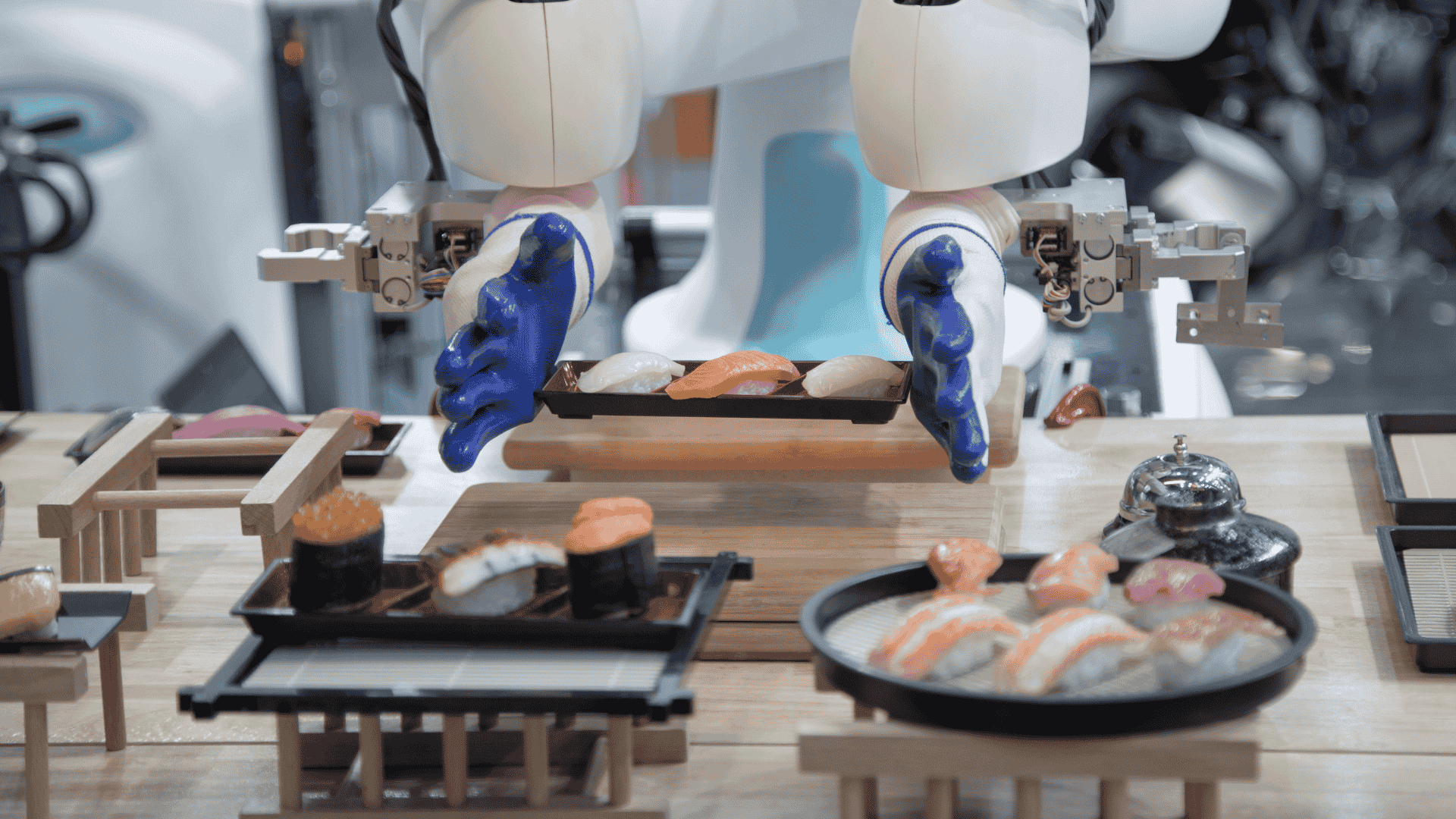
Robot delivery is no longer a future concept; it is a functioning layer of the North American logistics grid. Here is how leading brands are currently using automation to solve the delivery puzzle.
Markham launched one of the earliest autonomous delivery programs with Skip (formerly SkipTheDishes) and Real Life Robotics. Robots handle short-distance food runs within about 2 km, carrying up to 50 kg and using QR/pickup codes for secure customer handoff.
What this implies for restaurants:
This pilot gives operators a practical view of where robot delivery is heading.
In select U.S. cities, major delivery apps are dispatching autonomous robots to complete real restaurant orders. These bots travel on sidewalks or low-speed roads, depending on local rules, and operate within defined service zones.
What this implies for restaurants:
These examples show that robot delivery is a workable tool that restaurants are starting to add into everyday service. The next step is figuring out how this technology fits into your own workflows.
Recommended Read: Delivery Route Optimization Strategies Restaurants Need in 2026.
Robots fit best when they support the systems your team already uses. A clear workflow reduces confusion, keeps the kitchen focused, and ensures deliveries leave on time.
A centralized system like iOrders makes this easier by keeping all pickup, delivery, and future robot-dispatched orders in one place, so restaurants can route tasks cleanly without juggling multiple tools.
Robot delivery is still early, but several changes underway will decide how quickly restaurants can adopt it. Here are the trends worth keeping on your radar:
These shifts will shape how accessible and practical robot delivery becomes for everyday restaurant workflows.
A robot won’t solve every delivery challenge, but it can take pressure off your staff and protect the margins you fight for every week. The restaurants seeing the best results aren’t chasing gadgets. They’re pairing automation with smarter order management so every handoff is predictable and every delivery leaves on time.
That’s where a system like iOrders makes a real difference. When your menu, orders, timing, and delivery channels run through one place, adding robots becomes far easier and far more profitable.
If you’re ready to cut fees, stabilize delivery, and keep more revenue in-house, book a demo with iOrders today.
1. Can small restaurants realistically use delivery robots?
Yes. Even restaurants with a limited delivery radius can benefit, especially for repeated short-distance runs. The key is matching order volume and route length to the robot’s capacity to maximize cost savings.
2. How do delivery robots handle multiple orders at once?
Many robots are designed with compartments or stackable trays, allowing them to carry several small orders on a single trip. For larger or heavier meals, operators may schedule multiple robots or prioritize urgent deliveries.
3. Are there special insurance or liability requirements?
Depending on your city, robots may require specific permits or insurance coverage. Operators should check local regulations for sidewalk, street, or public-space usage and verify that the provider covers basic liability.
4. How do restaurants train staff to work with robots?
Training is minimal but essential. Staff need to know how to load orders securely, assign pickups, monitor robot progress, and handle exceptions, like obstacles or customer no-shows. Most providers offer onboarding guides or support.
5. Do robots affect customer tipping behavior?
Customer expectations vary. Some may tip less since a human isn’t delivering, while others value speed and reliability and may tip similarly. Restaurants often adjust pricing or offer promotions to maintain revenue while using automated delivery.
.png)