Book a free demo
Oops! Something went wrong while submitting the form.
January 23, 2026
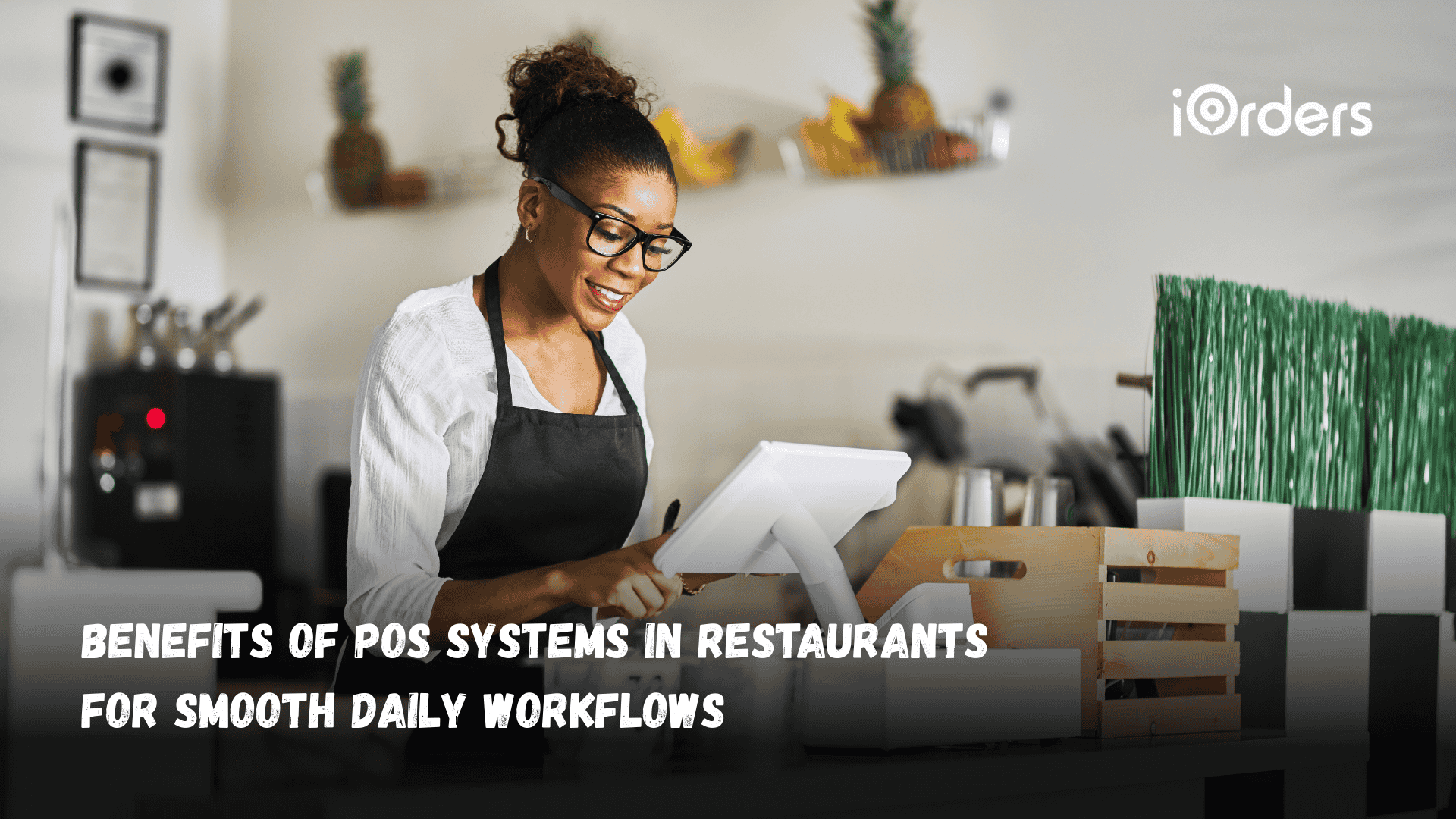
Handwritten tickets, verbally communicated orders, and manually going through pricing for each order might get you through a shift. But they drain your staff and chip away at your margins. When a server has to double back because a modifier wasn’t clear or the kitchen fires the wrong item, the whole flow slows down. Guests wait longer, the staff gets overwhelmed, and you spend the rest of the shift putting out small fires instead of running your floor.
A strong POS system removes that chaos. Clean tickets, automatic pricing, and instant updates keep everyone aligned, front-of-house, kitchen, and delivery included, so service actually feels manageable during peak hours.
This guide breaks down the core benefits of POS systems in restaurants and shows how the right setup brings calmer workflows, fewer mistakes, and smoother handoffs across every shift.

Cash registers once handled simple payments, but restaurant needs have grown far beyond that. A basic register cannot track menu changes, record order details, manage stock, or store guest information. Manual entry also leads to missed items, slow handoffs, and scattered data across separate tools. This creates gaps that affect speed, accuracy, and staff coordination during busy shifts.
A POS system brings these tasks into one place, giving restaurants a single source of truth for orders, payments, stock, and guest activity. It helps teams work with clarity instead of juggling multiple disconnected tools.
Recommended: Choosing The Right Tablet POS Systems for Restaurant Orders.
A POS system helps restaurant teams work faster, stay organized, and avoid the mistakes that slow down service. Instead of operating with different tools or manual steps, everything flows through one system, making busy shifts more manageable and helping staff maintain consistency across dine-in, takeaway, and delivery.
A POS reduces the everyday frustration that comes from handwritten tickets, unclear communication, or rushed entries during peak hours.
This ensures that during busy evenings, the kitchen receives clear, structured tickets instead of having to decipher handwritten notes or verbal orders.
With payments built into the POS, staff spend less time on manual calculations, and guests can check out without delays.
A POS connects your menu, sales, and stock levels, reducing wastage and tight spots during service.
For example, if you’re down to the last few biryani servings, the POS alerts staff instantly so they don’t oversell during peak times.
Restaurant owners get a clearer view of what's working and what needs adjustment, without digging through spreadsheets.
For instance, if Momo sales consistently peak every Saturday evening, prep teams can schedule accordingly to prevent delays or running out of stock.
The POS helps create a smoother, more personalized dining experience that encourages repeat visits.
If a guest frequently orders a veggie burger, the POS can highlight it for staff, enabling them to suggest complementary items or personalized special offers.
Cloud systems offer the flexibility restaurant owners need, especially when managing multiple outlets or working remotely.
As online orders grow, a POS keeps all channels organized and prevents errors caused by juggling multiple devices.
With these benefits in place, POS systems also play a key role in boosting your restaurant’s profitability.
Recommended: Your Guide to Launching a Profitable Delivery-Only Restaurant.
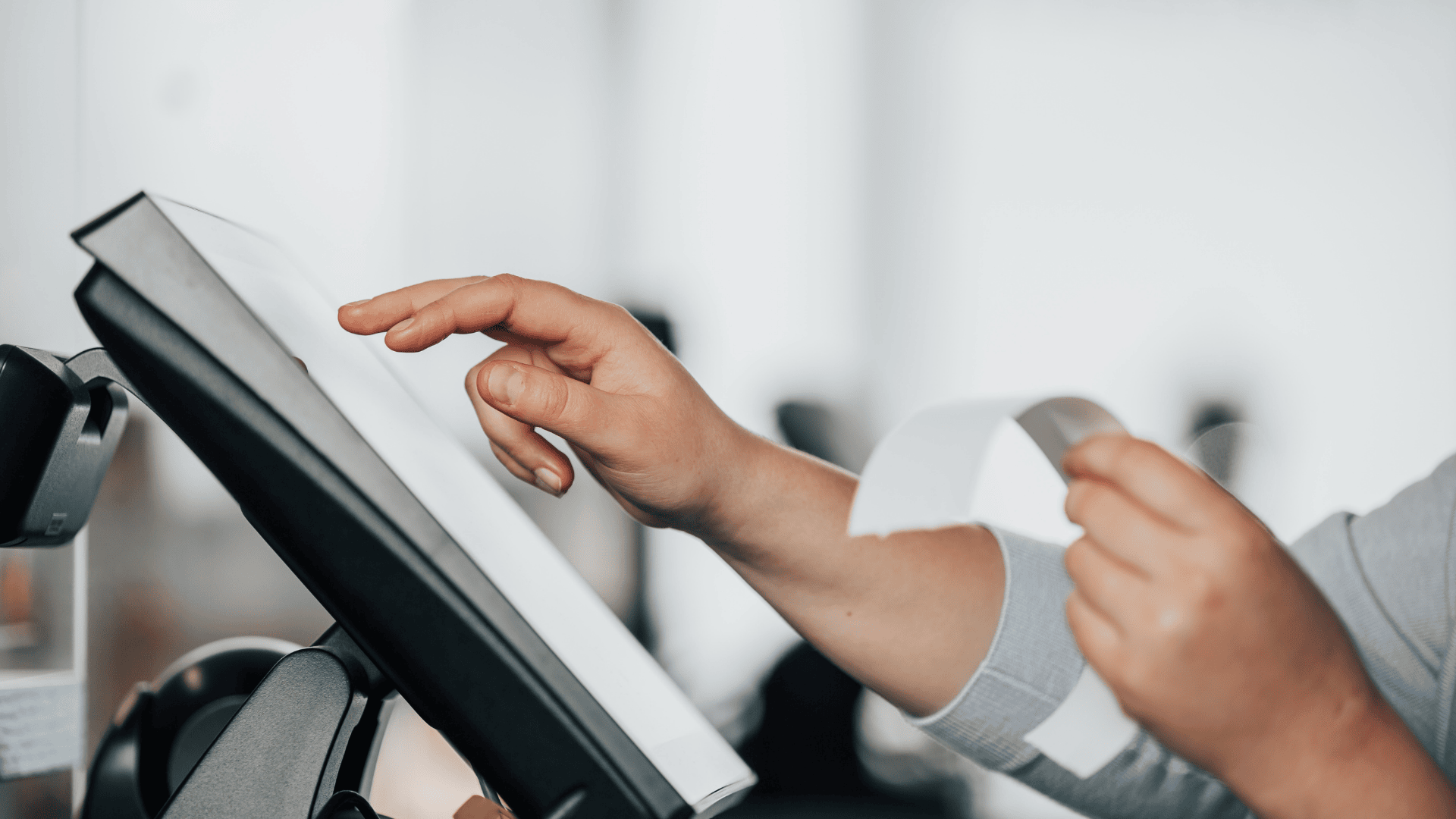
In the restaurant industry, profit is made in the "small gaps." A unified POS finds these gaps, whether it’s a missed upsell or a high commission fee, and closes them automatically.
While POS systems can drive profits, many restaurants miss out on these benefits by making common mistakes in setup or usage.
Also Check: Breaking Down the True Cost of Food Delivery Apps for Restaurants.
Many restaurants invest in a POS but miss out on its full value due to avoidable gaps. Here are some of them you need to be aware of:
Avoiding these pitfalls requires a system that not only handles orders but also integrates operations, customer engagement, and loyalty. This is exactly what iOrders is built to do.
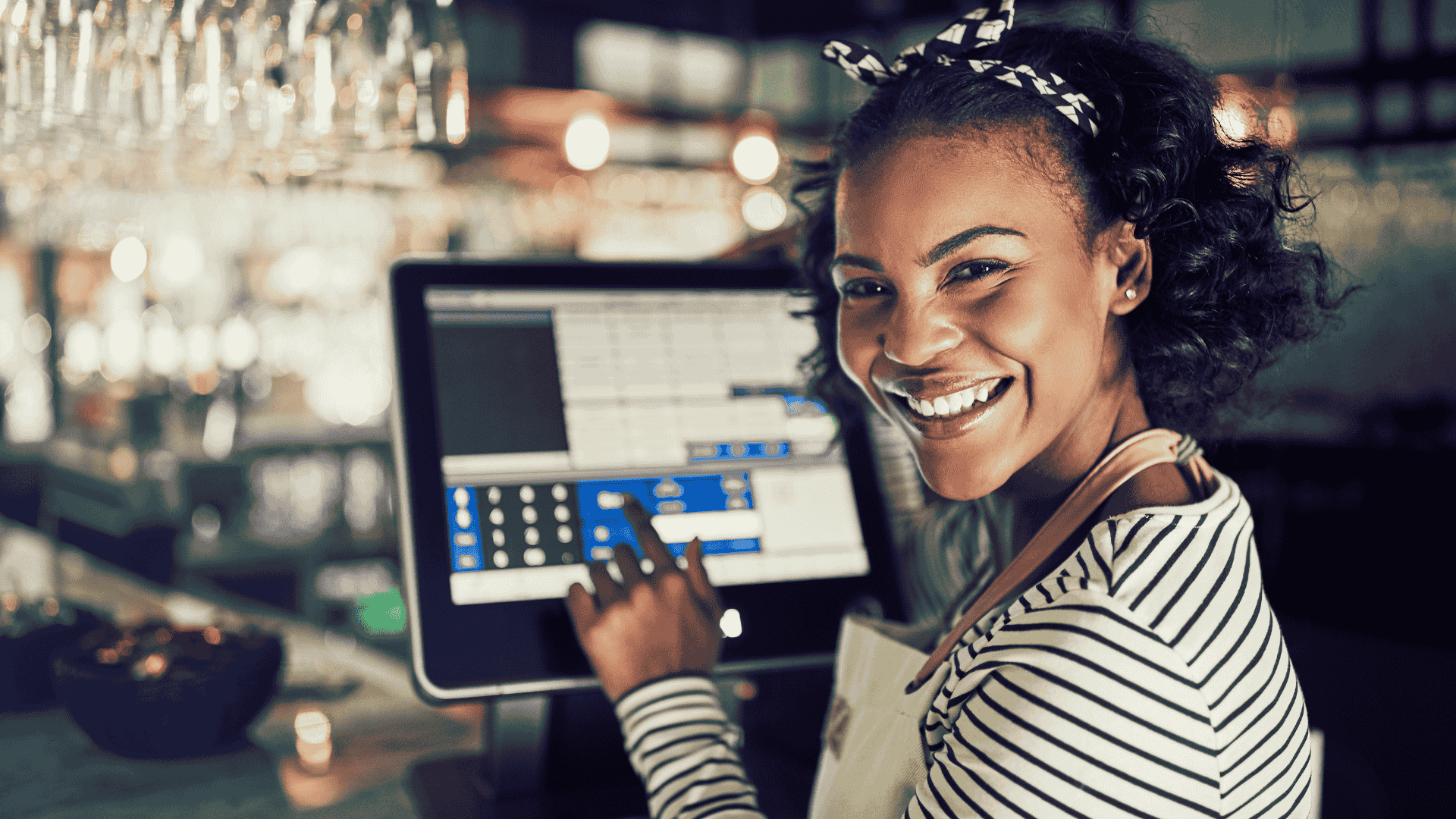
Even with a POS in place, restaurants still face challenges in managing the full flow of orders, from the moment a guest places one to the moment it leaves the restaurant. Relying solely on third-party platforms often means losing revenue, guest data, and control over the brand experience.
iOrders was designed to solve these issues by integrating directly with your POS. Orders, whether dine-in, pickup, or delivery, flow seamlessly into your system, helping staff stay coordinated, reducing errors, and keeping every interaction tied to your restaurant.
With iOrders, restaurants can own the customer relationship, manage operations consistently, and create a smoother, more profitable workflow across every channel.
Here’s how iOrders helps restaurants
Connect with our team to know how you can take full control of your restaurant’s orders and simplify your workflow.
To run a restaurant efficiently, you need a system that keeps every step aligned, from the moment a guest places an order to the moment it’s served. A well-integrated POS is essential, but it works best when paired with tools that unify online ordering, delivery, and customer engagement.
Investing in the right platform helps you reduce errors, free up staff to focus on service, and retain both revenue and customer relationships that are often lost to third-party apps. Restaurants that streamline operations this way can focus on what really matters: delighting guests and growing the business.
If managing orders feels harder than it should, book a demo now to see how iOrders can lighten the load and make your workflow smoother.
1. Can a POS system work for small or single-location restaurants?
Yes. Modern POS systems are scalable and adaptable, so even small cafés or single-location restaurants can manage orders, inventory, and payments efficiently without investing in complex infrastructure.
2. How does a POS help with staff management and scheduling?
Many POS systems include tools for tracking staff performance, hours worked, and shift schedules. This reduces manual errors and helps managers allocate resources effectively during peak hours.
3. Do POS systems integrate with accounting or bookkeeping software?
Most modern POS platforms allow integration with accounting tools. This streamlines financial tracking, reduces manual entry, and helps owners monitor profitability without extra effort.
4. Can a POS system handle promotions and discounts automatically?
Yes. POS systems can be configured to apply discounts, loyalty rewards, and special promotions automatically, ensuring accurate billing while supporting marketing initiatives.
5. How secure is customer and payment data in a POS system?
Reputable POS systems encrypt sensitive data and comply with industry security standards, protecting both restaurant and customer information from breaches or unauthorized access.
.png)