Book a free demo
Oops! Something went wrong while submitting the form.
December 17, 2025
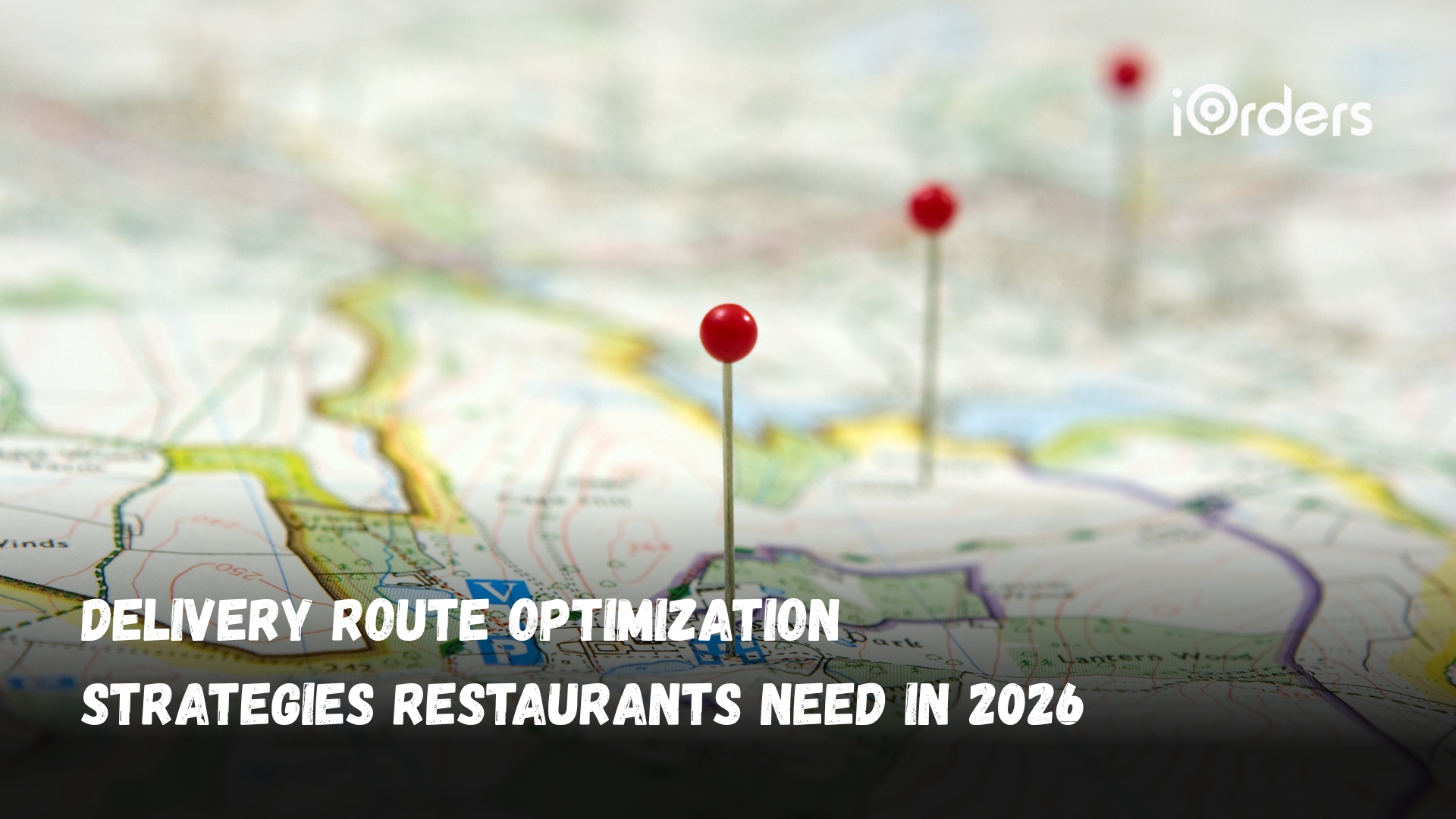
The dinner rush starts, and your first driver is already stuck at an unexpected construction zone. Another driver circles the same block twice, trying to reach an apartment entrance. Meanwhile, your team watches delivery times stretch, knowing the food will cool before it reaches the customer.
These situations don’t come from a lack of effort, but they come from routes that shift faster than your staff can react. If your restaurant handles its own delivery, you’ve likely felt this strain more than once.
Delivery route optimization gives your team a practical way to manage unpredictable routes and keep deliveries running closer to the pace your kitchen works so hard to maintain. In this blog, we’ll explain how restaurants can use more innovative routing to reduce stress on staff and keep orders moving on time.
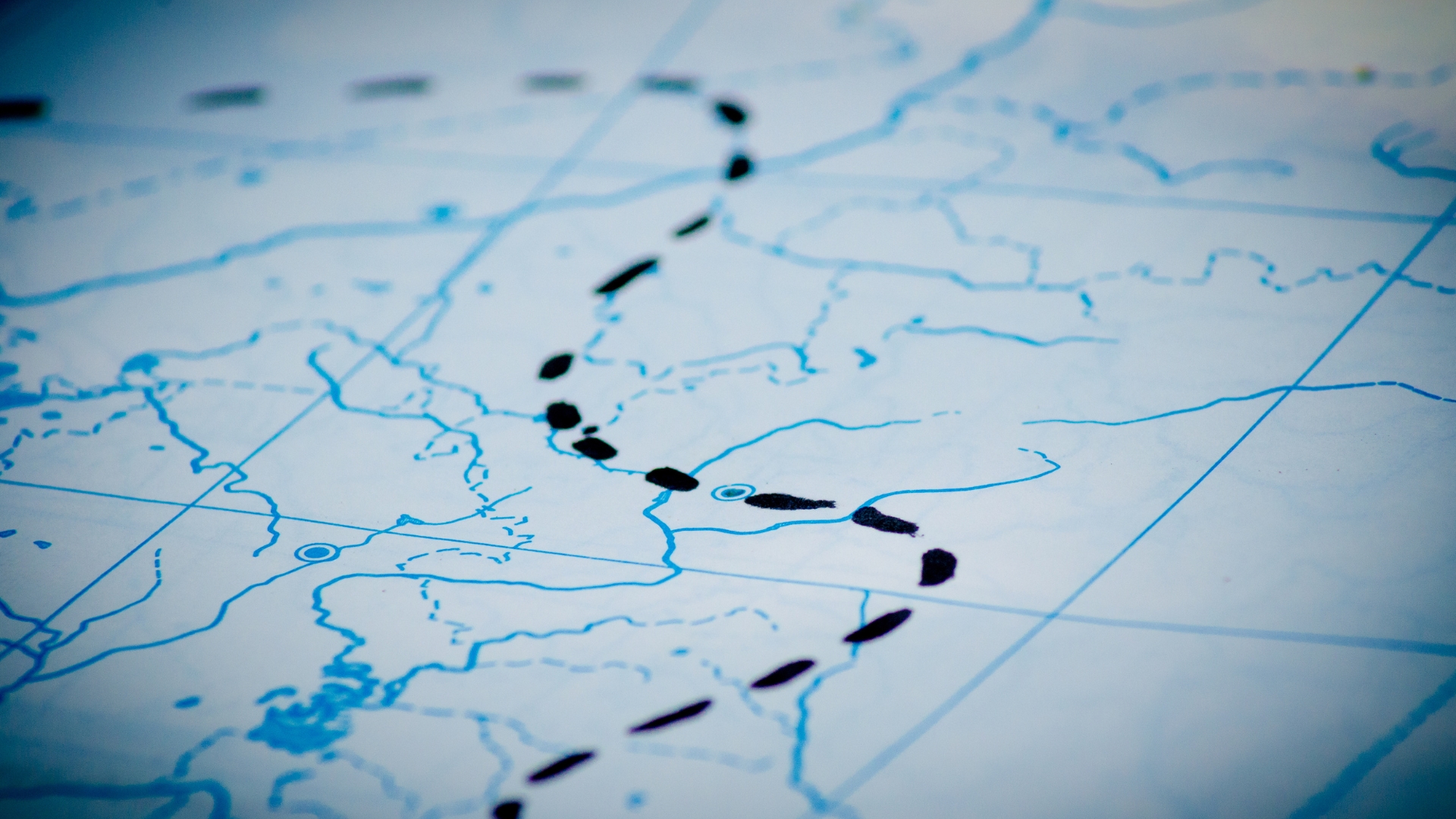
Delivery route optimization is the process of planning the best possible path for each driver so orders reach customers on time with fewer delays. For restaurants, it focuses on using the right information, such as traffic patterns, distances, prep times, driver availability, and customer locations, to assign routes that reduce confusion and wasted time on the road.
When done well, it helps your team send drivers out with clear instructions, fewer detours, and more predictable arrival times. Instead of guessing the next stop, each driver follows a route built to handle the real conditions around them.
Once you understand what route optimization actually involves, the next question is why it has become such a pressing priority.
Recommended: 7 Proven Ways to Improve Guest Experience and Loyalty.
Delivery challenges are increasing, and many restaurants now face issues that strain both staff and margins. This is why route planning deserves more attention in 2026:
As the pressure around delivery grows, the next step is understanding what actually makes route optimization work behind the scenes.
Also Check: Top Restaurant Reservation App Choices for 2026.
Every strong routing system relies on a few essential components. These elements shape how routes are built and how well they perform during busy delivery hours:
With the essentials laid out, the real story begins when those inputs start updating second by second during a busy service window.
Even the most carefully planned delivery route can unravel when traffic slows, a new batch of orders arrives, or a driver is delayed longer than expected. Dynamic routing solves this by constantly adjusting paths based on what’s happening right now.
Modern systems pull in real-time signals such as:
As soon as any of these factors change, the routing engine re-evaluates and recalibrates the route automatically. This ensures drivers follow the most efficient path at every moment, not just at the start of their shift.
Also Check: A Simple Guide to AI Chatbots for Restaurants.
Route planning used to rely on fixed rules and human judgment. Today, AI systems learn from every delivery run, thousands of trips, delays, prep times, driver habits, and customer patterns, to predict what will happen before it actually does.
AI and machine learning improve routing by:
The result is routing that becomes smarter with every shift, more precise, more adaptive, and far more reliable than rule-based planning ever allowed.
Also Check: 35 Best Restaurant Marketing Ideas for Success.
Accurate routing depends on knowing what the day will look like before the first order appears. Demand forecasting helps teams estimate order volume across zones, time slots, and service types, reducing last-minute chaos. Capacity planning then aligns drivers, vehicles, and shifts to that projected load, so routes remain balanced instead of overloaded.
Key points:
Together, these functions stabilize routing and help teams stay ahead rather than constantly catching up.
Also Read: Top 7 Commission-Free Restaurant Online Ordering Software
Restaurants are under growing pressure to run leaner delivery operations without adding to fuel waste or emissions. Green routing supports this shift by helping teams plan shorter paths, reduce idling, and avoid traffic-heavy zones that drain fuel and slow down drivers.
EV adoption adds another layer. Delivery teams must account for range, charging windows, and station locations, especially during peak meal periods when every minute counts.
Key considerations:
Once greener delivery choices are accounted for, restaurants still face a tougher hurdle of coordinating routes that involve several drop-offs in tight delivery windows.
Food delivery rarely involves a single stop. Drivers often handle multiple orders, navigate narrow streets, and work under strict time windows to keep meals hot. These last-mile challenges can create confusion, delays, and customer complaints if not managed carefully.
Key considerations for restaurants:
After addressing the pressures on the road, the next layer is the team inside the restaurant, how they coordinate, communicate, and keep deliveries moving.
Even the smartest routing system can fall short if staff, workflows, and customer interactions aren’t aligned. Restaurants must ensure drivers, kitchen teams, and support staff understand how routes are planned and how changes are communicated. Clear processes reduce mistakes, minimize stress, and make deliveries predictable.
Key points:
Strong people-process alignment turns route optimization from a tool into a consistent advantage for both staff and customers.
Recommended: Top 15 Restaurant Apps for Business Owners.
Restaurants using iOrders often notice the difference immediately: fewer delays, smoother shifts, and happier customers. It’s a practical way to turn route planning into a tool that actually saves time and money. Book a demo to see how it works for your team.
Choosing the right route optimization tool can make or break delivery efficiency. Restaurants need solutions that fit the size of their fleet, integrate with kitchen and order management systems, and adapt to daily changes without overwhelming staff.
Key factors to consider when selecting software:
Tips for smooth implementation:
You can also choose platforms like iOrders to combine route optimization with order management, real-time updates, and POS integration, giving restaurants a single system to manage deliveries efficiently.
Even with the right tools, restaurants can run into challenges that undermine delivery efficiency. Being aware of these pitfalls helps teams stay on track.
This approach helps restaurants avoid costly delays, improve consistency, and keep customers satisfied.
Managing deliveries efficiently is more than just planning routes; it’s about keeping drivers, orders, and the kitchen in sync. iOrders helps restaurants handle this seamlessly, whether you use in-house drivers or integrate with third-party delivery partners.
Key ways iOrders supports route optimization:
If you’re looking for a clearer, more reliable way to manage deliveries, you can start with iOrders and see how it performs during your busiest hours. Book a demo now!
The dinner rush can turn even the most organized restaurant into a whirlwind of delays and uncertainty, with drivers stuck in traffic and kitchens struggling to time each order perfectly. When every minute matters, small disruptions can cascade into frustrated staff and disappointed customers.
iOrders connects orders, drivers, and kitchens in a single, responsive system, bringing clarity and helping teams move with confidence rather than reaction. Restaurants using iOrders experience smoother shifts, faster deliveries, and diners who keep coming back for more.
Bring predictability to your delivery operations. Book a demo today to know more!
1. Can route optimization help restaurants with limited delivery staff?
Yes. Even a small team can benefit from optimized routes, as it reduces backtracking, prevents overloading drivers, and ensures each delivery reaches the customer on time, making every shift more efficient.
2. Does route optimization work for both in-house and third-party delivery drivers?
Absolutely. Restaurants using iOrders can manage their own fleet or integrate with third-party logistics, keeping the customer experience seamless while ensuring routes are planned efficiently for all drivers.
3. How does route optimization impact customer satisfaction?
Faster, more accurate deliveries lead to meals arriving on time and at the right temperature. Predictable delivery times reduce customer complaints and build trust, encouraging repeat orders.
4. Will implementing route optimization require a lot of training for my team?
Most modern systems, including iOrders, are designed for quick adoption. With a brief orientation and hands-on guidance, both drivers and kitchen staff can adapt without disrupting daily operations.
5. Can route optimization adapt to sudden changes like last-minute orders or traffic jams?
Yes. Dynamic routing uses real-time data to adjust paths on the fly. Restaurants can respond to unexpected delays or new orders without compromising the rest of the delivery schedule.
.png)