December 5, 2025
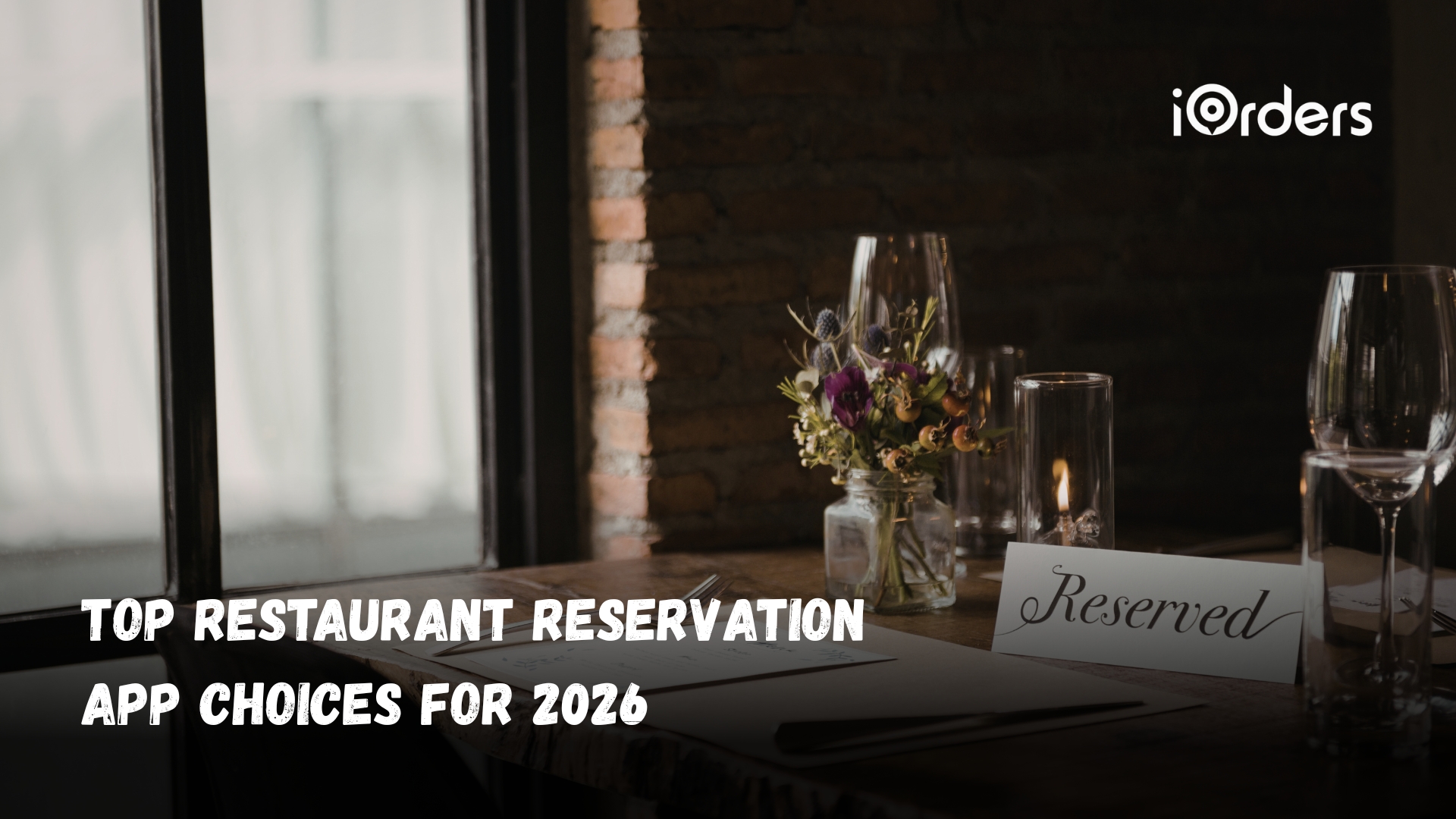
A busy weekend shift often shows how much pressure the front desk carries, and the night can turn unpredictable within minutes. A guest might cancel, a table gets written twice in the register, and a reservation or two might stay empty. Your staff tries to adjust to the ever-changing seating chart, but each correction slows the line. Lost seats reduce revenue, and manual tracking increases errors.
Restaurant owners need a reliable system that brings structure to this rush. A restaurant reservation app helps you reduce no-shows, manage walk-ins, and keep a steady seating rhythm that supports the kitchen.
In this blog, you’ll find the top restaurant reservation app options along with other tools that support guest flow, ordering, delivery, and loyalty.
A restaurant reservation app is a tool that helps you manage bookings, track guest details, and organize seating without manual charts or phone-only scheduling. It supports busy shifts, reduces errors, and gives your team a clear view of upcoming tables.
Key features include:
To understand guest flow more clearly, it helps to review the reservation tools restaurants use to manage seating, timing, and table turnover.
Reservations and waitlist systems help teams shape demand, limit long walk-ins, and give the kitchen a predictable pace. Below are the tools restaurants use to keep seating organized and service smooth.
While dedicated apps handle the front-end tasks of booking and managing the waitlist, maximizing profit depends on table turnover—how quickly a guest orders, eats, and pays. This is where iOrders provides a critical advantage.
iOrders isn’t a direct booking platform, but it supports guest flow by controlling what happens after guests are seated. QR ordering shortens service steps, increases accuracy, and improves table efficiency.
Key advantages:
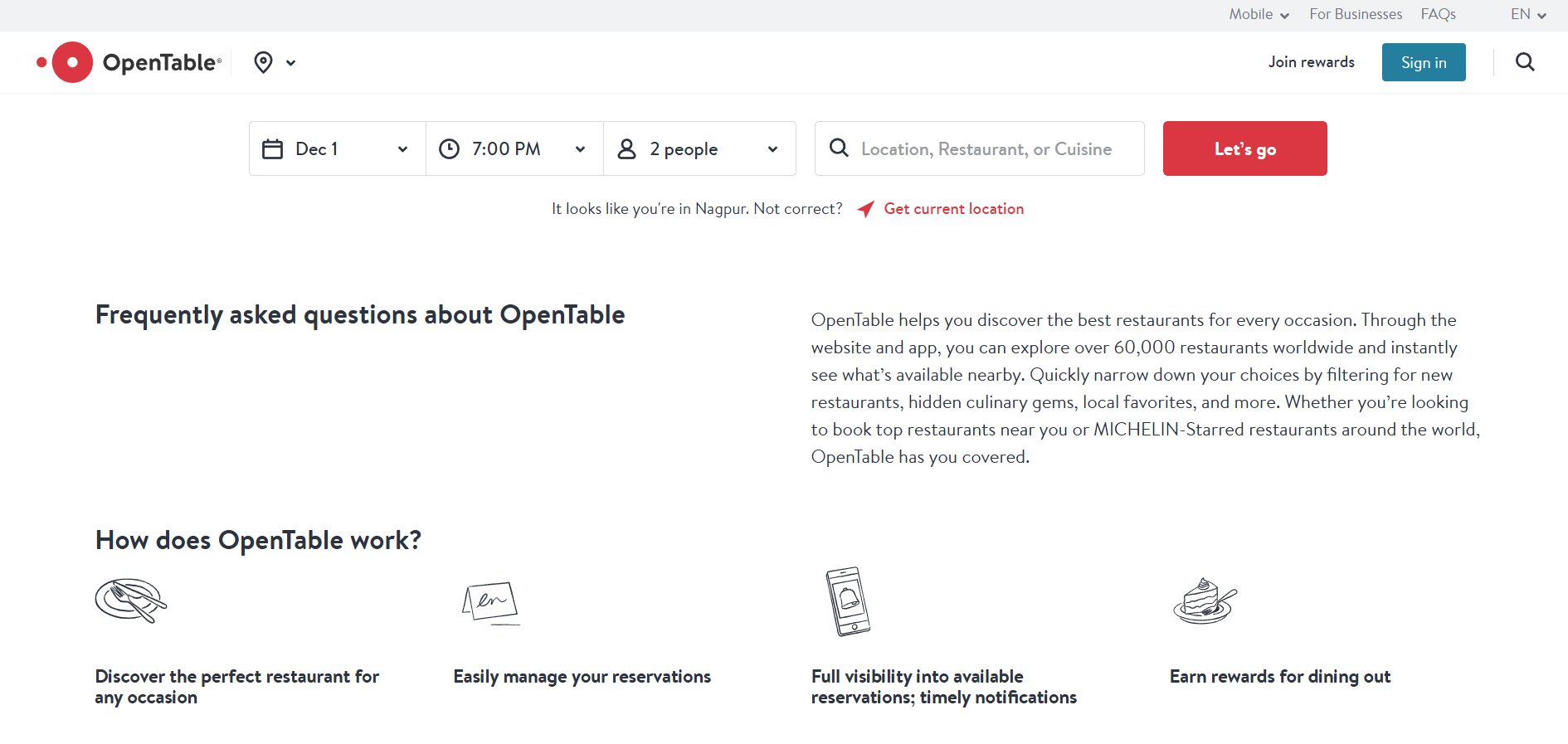
A widely used reservation system for casual and full-service restaurants. It helps teams manage bookings across multiple channels and maintain steady demand during peak periods.
Key advantages:
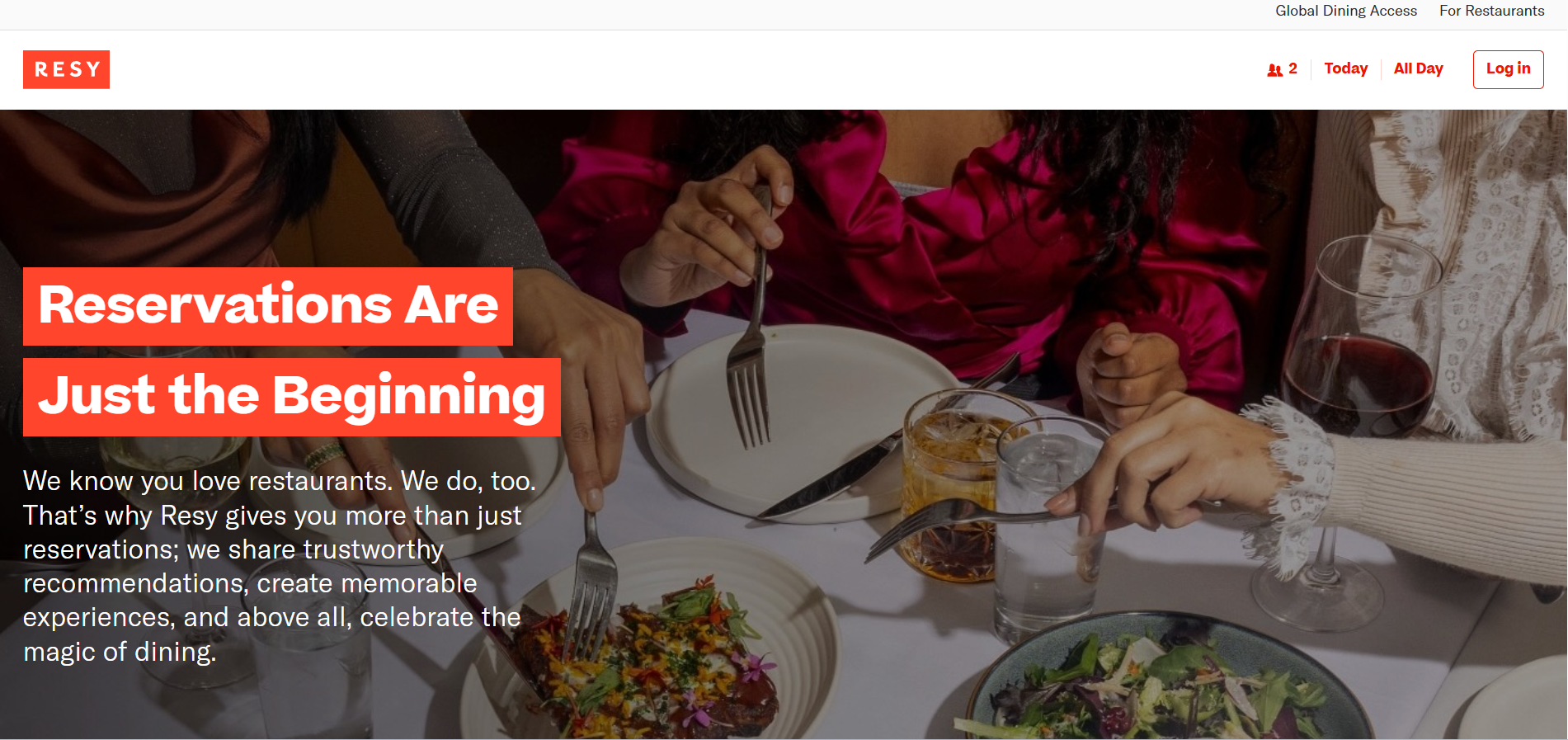
Resy focuses on curated dining experiences and premium guest management. Restaurants use it to control pacing, reduce bottlenecks, and create a smoother in-service flow.
Key advantages:
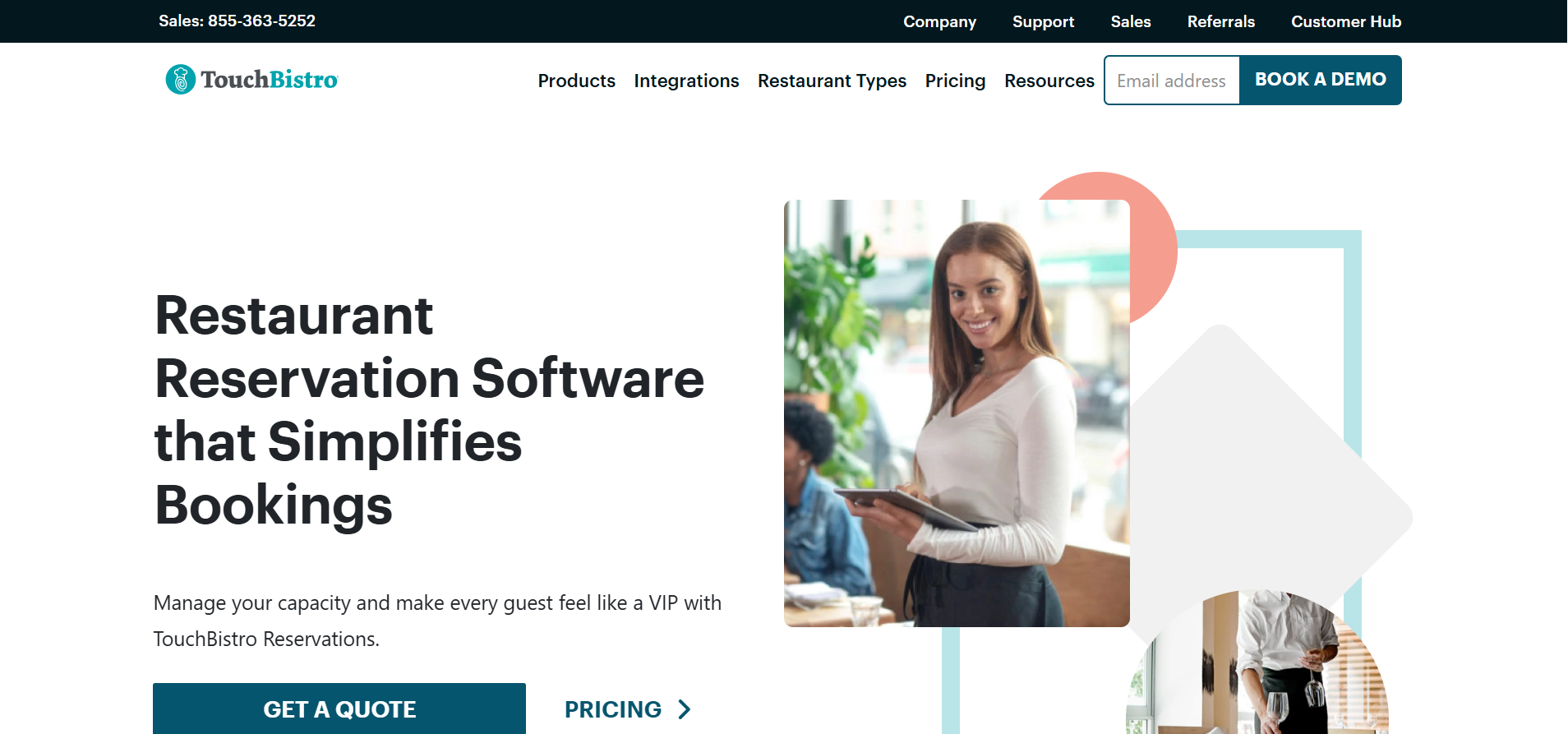
Part of the TouchBistro ecosystem, this tool links reservations directly with POS activity to give restaurants better insight into how guests book, spend, and return.
Key advantages:
Eat App is known for its strong analytics and advanced guest insights. It supports reservation management while helping owners understand demand trends.
Key advantages:
Yelp Waitlist helps restaurants replace physical lines with digital check-ins. It’s useful for reducing crowding at the door and giving guests accurate wait-time updates.
Key advantages:
As reservation tools help restaurants manage the guests who walk through their doors, the next challenge is reaching customers where they are—online. This is where ordering and delivery apps become essential.
Recommended: Omnichannel Restaurant Experience: Boost Profits and Cut Third-Party Fees.
Restaurants use a mix of first-party and third-party ordering tools. Third-party apps help attract new customers but reduce margins, while first-party systems offer better control over pricing, data, and profitability.
iOrders allows restaurants to run their own digital ordering channel with full control over menu, pricing, and guest data. It works across dine-in, pickup, and delivery, without commissions.
Key advantages:
Uber Eats helps restaurants reach a large consumer audience and drive incremental orders, especially in dense urban areas.
Key advantages:
DoorDash supports both delivery and pickup, giving restaurants access to a high-intent customer base across suburbs and cities.
Key advantages:
Popular in Canada, SkipTheDishes helps restaurants reach local customers seeking fast delivery options.
Key advantages:
While delivery platforms help restaurants acquire new customers, they don’t guarantee repeat visits. To build consistent, long-term relationships, restaurants turn to loyalty apps.
Also Check: How Customer Loyalty Programs Help Restaurants Drive Repeat Business?
Repeat guests drive stronger margins than one-time visitors, which is why loyalty tools are essential.
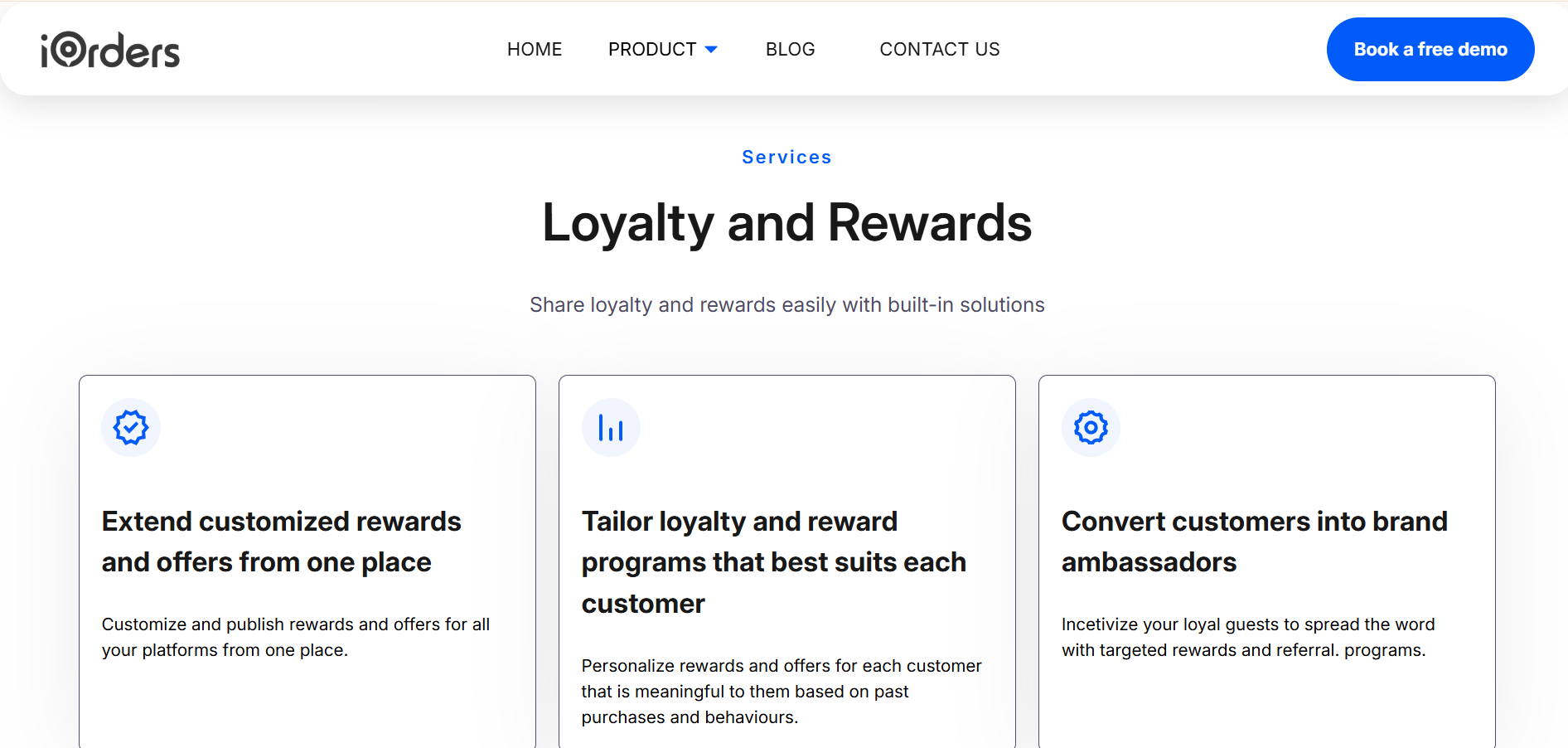
iOrders gives restaurants a fully integrated loyalty system that works across dine-in, pickup, and delivery, ensuring every guest interaction strengthens long-term relationships.
Key advantages:
A popular loyalty solution for small businesses looking to automate basic rewards.
Key features:
Enterprise-level loyalty is used by large restaurant groups and QSRs.
Key features:
With tools that help attract, serve, and retain guests in place, the final step is choosing the right combination of apps that actually fit your restaurant’s needs.
Also Check: 35 Best Restaurant Marketing Ideas for Success.
Most restaurants evaluate digital tools based on how well they support day-to-day service and long-term profitability. A simple checklist helps clarify what to invest in and what to avoid.
Key factors to consider:
For many restaurants, juggling multiple apps becomes confusing and difficult to maintain over time. Most operators ultimately need a single platform that handles ordering, delivery, loyalty, marketing, and guest communication in one place. iOrders brings these tools together, helping restaurants operate smoothly while keeping more revenue in-house.
What iOrders delivers:
If you’re looking for an all-in-one platform to streamline ordering, delivery, and guest engagement, iOrders makes it easy to get started. Book a demo today to know more!
Strong guest flow starts with accurate reservations, clear seating control, and fewer no-shows. When these aspects fall out of place, your team spends time fixing charts instead of serving guests. Many apps claim to help, yet using separate systems for reservations, ordering, delivery, and loyalty often creates more steps during busy hours.
iOrders brings these functions into one platform, so restaurants can manage bookings, guide guests through each stage of their visit, and protect every seat. You gain better control of reservations while supporting direct orders, delivery, and repeat visits.
Book a demo to explore how iOrders can strengthen guest flow and increase direct revenue.
1. Do restaurants still benefit from a reservation app if most of their traffic is walk-in?
Yes. Reservation and waitlist tools help predict demand, prep staff levels, and smooth table turnover. Even a small share of booked tables can stabilize peak hours.
2. Can restaurants use multiple apps without confusing guests?
They can, as long as each tool has a specific purpose, such as reservations, deliveries, or loyalty. Clear links on the website and QR codes help guide guests to the right action.
3. What data should restaurants track from their ordering and loyalty apps?
Order frequency, preferred items, spend patterns, promotion response, and delivery timing trends. These insights guide better menu planning and targeted offers.
4. Do first-party ordering systems work for small restaurants with limited staff?
Yes. Direct ordering reduces manual tasks like re-entering tickets into the POS and lowers delivery-related workload by routing orders automatically.
5. Can restaurants shift more guests from third-party apps to direct ordering?
Gradually. Use QR codes on packaging, loyalty rewards, and exclusive menu items available only through direct channels. Over time, this builds a stronger direct audience.