
Top 5 Restaurant Productivity Metrics for Better Control

March 5, 2026

Table of contents

Restaurant productivity breaks down at 7:15 p.m. on a packed Friday. You struggle with restaurant productivity because every system demands attention at once, but none gives you a complete operational view.

The dining room is full. Pickup orders stack near the expo line. Delivery tablets light up. A manager toggles between screens to confirm orders while staff ask which tickets take priority. The problem is not effort. It is fragmentation.

Consumer spending is projected to drive restaurant sales toward roughly $1.55 trillion USD ($2.09 trillion CAD) nationwide, with real growth near 1.3%. Sales may rise, but disconnected data still hides labor inefficiencies, missed repeat visits, and preventable cost leakage.

Restaurant productivity improves when your data, staffing signals, and service execution connect inside one operational framework. 

In this guide, you will see how to tighten control points and protect margins across dine-in, pickup, and delivery.

Key Takeaways

  • Screen switching, manual order re-entry, delayed confirmations, and unclear routing quietly slow service and compress margins during peak hours.
  • Tracking Sales per Labor Hour and Labor Cost Percentage helps you match staffing to real demand across dine-in, pickup, and delivery.
  • Crowded stations, overloaded POS screens, and unrecorded modifiers create bottlenecks that increase waste and reduce throughput.
  • When tickets sync instantly, and modifiers are structured correctly, remakes drop, table turns improve, and shift momentum holds.
  • Owning your ordering, payments, and guest data reduces commission costs, improves forecasting, and supports more predictable performance.

What Is Restaurant Productivity and Why Does It Affect Your Profit Margins?

In simple terms, restaurant productivity is your ability to turn labor hours and raw ingredients into profitable guest experiences. It isn’t just about working faster; it’s about ensuring every minute your staff is on the clock contributes to the bottom line.

  • Labor and Sales Balance: Matching your staff levels to actual guest traffic to prevent overpaying during slow hours or losing sales during a rush.
  • Inventory Value Protection: Accounting for every ingredient used and ensuring every added modifier is charged to the guest.
  • Revenue Capacity: Serving the maximum number of guests your floor space and kitchen can handle without increasing your overhead.

By treating productivity as a financial metric rather than just a speed goal, you ensure that high sales volume actually results in higher net profit.

Review your daily processes, tighten service control, and stay consistent during busy shifts with the Daily Restaurant Operations Checklist Guide.

Operational Friction: Where Productivity Slips During a Shift

Productivity rarely breaks because of one big failure. It drifts during the small, frustrating moments that your team deals with every hour. This is the operational friction that makes a 40-hour work week feel like 60.

Watch for these specific friction points:

  • Manual Order Entry: A server pauses to confirm a delivery order on a tablet, then manually types it into the POS. That 60-second delay, repeated 50 times, is an hour of lost labor.
  • Kitchen Layout Inefficiency: A cook has to leave the grill to grab a garnish because the station wasn't prepped for the current menu mix. Every step away from the line is a second added to your ticket times.
  • Unstructured Menu Modifiers: When a modifier isn't in the system, and a server writes a kitchen note instead, the line slows down to read it, and the inventory count is immediately wrong.
  • Fragmented Management Tasks: A manager spends the first 30 minutes of a rush in the office reconciling three different delivery dashboards instead of being on the floor to clear a seating backlog.

Addressing these daily friction points restores service momentum and allows your team to focus on guest experience rather than administrative troubleshooting.

Build a steadier team and reduce hiring strain with these 8 Strategies to Overcome Staff Turnover and Retain Employees in a Restaurant.

Top 5 Restaurant Productivity Metrics You Must Track

The difference between a controlled shift and a chaotic one shows up in your numbers long before it shows up in complaints.

The following metrics expose where labor, cost, and service execution either support profit or quietly weaken it.

1. Sales Per Labor Hour (SPLH)

Sales per Labor Hour measures how much revenue you generate for every hour your team works across service and kitchen operations.

Performance signals typically appear in the following operational indicators:

  • Shift Revenue Density: Low hourly revenue during staffed periods indicates idle labor or weak channel demand alignment.
  • Peak Output Stability: Strong SPLH during rush hours shows balanced staffing and coordinated kitchen-floor execution.
  • Channel Contribution Balance: Comparing dine-in, pickup, and delivery revenue per hour reveals which channel drives productive labor utilization.

Formula: SPLH = Total Sales ÷ Total Labor Hours

Impact: Helps you schedule the right number of people without overspending on payroll.

2. Labor Cost Percentage (LCP)

Labor Cost Percentage measures how much of your total revenue is consumed by wages and payroll expenses.

Cost exposure becomes visible through the following operational patterns:

  • Overstaffed Slow Windows: High payroll during low traffic periods compresses margin without improving service delivery.
  • Rush Hour Strain Costs: Understaffing during peaks increases overtime, errors, and reactive scheduling adjustments.
  • Unbalanced Channel Staffing: Assigning floor staff without delivery volume forecasting misallocates payroll coverage.

Formula:  Total Labor ÷ Costs Total Revenue × 100

Impact: Protects margin by aligning staffing levels with actual revenue generation across all service channels.

3. Table Turn Time (TTT)

Table Turn Time tracks how quickly you complete a full dine-in service cycle from seating to payment.

Service execution gaps become visible through the following indicators:

  • Extended Payment Delays: Slow bill settlement blocks table availability during high-demand windows.
  • Course Timing Breakdowns: Gaps between appetizers and mains reduce throughput capacity.
  • Peak Seating Backlogs: Long waitlists signal lost revenue opportunities due to slow table cycling.

Formula: TTT= Total Operating Hours ÷ Number of Tables Served

Impact: Faster, controlled table turns increase revenue capacity without expanding physical space.

4. Food Cost Percentage (FCP)

Food Cost Percentage measures how efficiently you convert purchased ingredients into sold menu items.

Cost control weaknesses appear in the following operational areas:

  • Untracked Ingredient Usage: Inaccurate recording of add-ons inflates food usage without matching sales.
  • Over-Ordering Patterns: Excess purchasing increases spoilage risk and ties up working capital.
  • Menu Pricing Misalignment: Ingredient costs outpacing pricing deteriorate gross margin quietly.

Formula: FCP = Total Cost of Food ÷ Total Food Sales × 100

Impact: Maintains gross margin by linking inventory discipline directly to menu profitability.

5. Order Accuracy Rate (OAR)

Order Accuracy Rate measures the percentage of orders fulfilled correctly across dine-in, pickup, and delivery.

Execution gaps surface through the following operational signals:

  • Remake Frequency: High remake rates indicate breakdowns in kitchen communication or modifier clarity.
  • Delivery Complaints: Incorrectly packed items increase refunds and reduce repeat purchase likelihood.
  • Expo Verification Lapses: Missed quality checks during rush periods create preventable service recovery costs.

Formula: OAR = (Correctly Fulfilled Orders ÷ Total Orders) × 100

Impact: Reduces waste, protects brand reputation, and prevents margin loss from refunds or comps.

When you check these numbers weekly, surprises become rare. When you review these metrics consistently, you correct small inefficiencies before they become payroll strain or lost revenue.

See how the right tools support smoother shifts and stronger margins in our guide to Essential Applications for Restaurant Success.
Increase Restaurant Productivity With Smarter Order Flow and Retention Systems

Speed is the best loyalty program. When your order flow is clunky, guests wait, staff get frustrated, and repeat business drops. Tightening these two areas ensures your team maintains momentum when the rush hits.

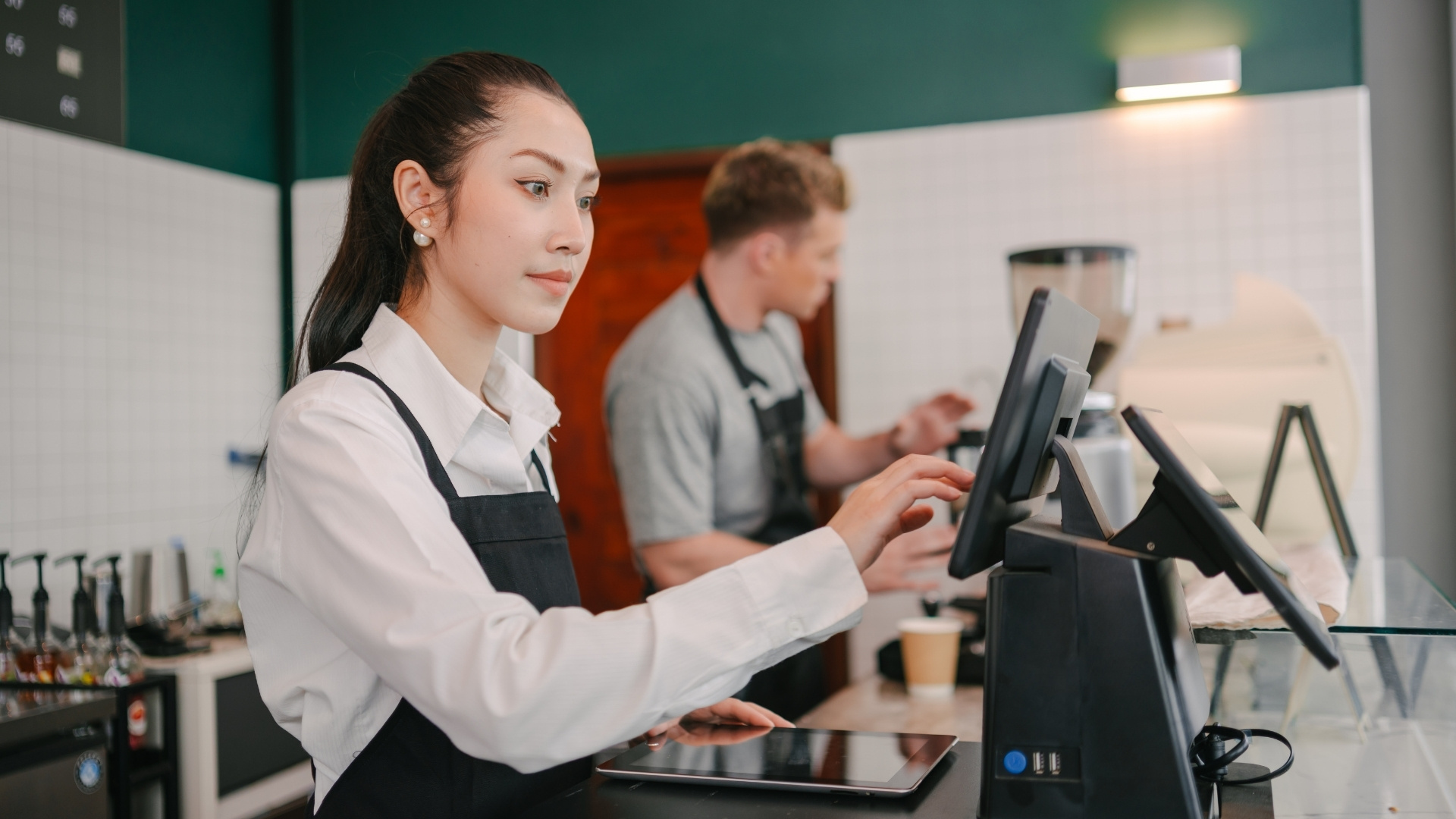
  • Sync Your POS with Menu Logic: Your POS should mirror how your guests actually order. When the screen layout matches the conversation, like a "burger" button immediately followed by "no onions" or "extra cheese," you eliminate search time and entry errors.
  • Use Modifier-Based Item Logic: Don't clutter your screens with every possible dish variation. Use core items with structured modifiers to keep the interface clean, helping staff move faster during high-volume delivery bursts.
  • Route Direct Orders to the Kitchen: Use QR codes and direct website ordering to let guests skip the line. When these orders flow straight to the kitchen without manual re-entry, you reclaim labor and improve accuracy.
  • Unify Order and Guest Data: Stop treating every guest like a stranger. Connecting your dine-in, web, and loyalty data allows you to see exactly what people order and how often they return, turning anonymous transactions into repeat customers.
  • Launch Targeted Loyalty Campaigns: Blanket discounts during peak hours eat your profit. Instead, use your data to send specific offers, like a midweek lunch perk, to guests who haven't visited in a while, filling your idle capacity.
  • Track Feedback Loops: Guest reviews are early warning signals for service gaps. By monitoring feedback and responding directly, you catch operational friction, like slow packaging or cold food, before it erodes your reputation.

When orders flow cleanly, and guest history stays connected, service moves faster, and repeat visits become easier to encourage.
A Productivity Checklist for Independent Restaurants and QSRs

Productivity improves when daily execution runs clean, not when reports look polished. Use this checklist during a live shift to spot where speed drops, costs creep up, or momentum stalls.

  • Audit POS Mapping: Run a test order for your top three most customized dishes. If the server has to navigate more than two screens to find a modifier, your menu architecture needs a reset.
  • Consolidate Your Devices: Walk your host stand and expo line. If you see more than two active tablets, you’re losing speed to screen-switching. Consolidate these into a single unified flow.
  • Verify Labor Alignment: Check your Sales per Labor Hour for the last three Friday nights. If your senior staff isn't anchored to the busiest 120 minutes of the rush, your labor allocation is mismatched.
  • Run a Lean Menu Filter: Identify any ingredient that is used in only one menu item. If that item isn't a top-three seller, cut it. This simplifies prep speed and reduces inventory dead weight.
  • Ditch the Paper Logs: Replace manual temp logs and closing checklists with digital tracking. If your manager is spending more than 15 minutes a shift on paperwork, they aren't on the floor supervising the team.

Strong operations come from doing the basics right every day. When these controls hold under pressure, productivity becomes a repeatable system rather than a lucky break.

Take Control of Your Restaurant Productivity With iOrders

When your ordering, payments, delivery, and guest data operate inside one branded system, you remove service friction and protect margin. iOrders is built to centralize operations, so you control revenue across dine-in, pickup, and delivery

Operational control with iOrders includes the following capabilities:

  • Commission-Free Online Ordering: Accept orders at fixed costs without revenue-sharing commissions. Protect margin on every direct website, QR, and app transaction.
  • Payments Direct To Your Account: Guests pay you directly through secure gateways. No third-party holding periods or split payouts affecting cash flow.
  • White-Label Delivery Coordination: Fulfill orders through integrated delivery support while maintaining your brand. Dispatch stays efficient without surrendering customer ownership.
  • Centralized Guest Data Ownership: Own guest behavior data across channels. Use first-hand insights to adjust operations, pricing, and promotions with precision.
  • Branded Website and Mobile App: Control menu updates, pricing, and offers in real time. Maintain brand consistency throughout the entire order lifecycle.

Productivity improves when you own the systems driving your revenue. Book a demo with iOrders today.

Final Thoughts

Restaurant productivity improves when you treat performance as a controlled system, not a daily reaction. When you review performance every shift, you fix issues before they grow.

Start by reviewing one service window in detail. Watch where managers hesitate before making a call. Notice where reports require manual cross-checking before you trust them. Those pauses show you exactly where things slow down. Strengthen visibility first, then tighten execution.

As consumer spending drives industry sales higher, growth will favor operators who keep a tight grip on their data and costs. Platforms like iOrders consolidate ordering, payments, loyalty, and reporting into one branded environment. 

Book a demo with iOrders to simplify oversight and run a more predictable operation.

FAQs

1. Can restaurant productivity improve without adding staff?

Yes. Restaurant productivity often improves by tightening scheduling alignment, reducing reporting delays, and increasing order accuracy before hiring additional labor.

2. How does channel mix affect restaurant productivity?

Restaurant productivity shifts when dine-in, pickup, and delivery volumes fluctuate. Tracking revenue per channel helps you allocate labor and marketing effort more precisely.

3. Does higher sales volume always mean better restaurant productivity?

Not necessarily. Restaurant productivity depends on how efficiently you convert labor and inventory into profit, not just total revenue growth.

4. How often should you review restaurant productivity metrics?

Restaurant productivity metrics should be reviewed weekly at a minimum. Daily monitoring during peak seasons helps prevent margin erosion and service breakdowns.

5. What role does guest data play in restaurant productivity?

Restaurant productivity strengthens when guest data informs staffing, promotions, and menu planning. Clear data reduces guesswork and supports predictable revenue patterns.

Related Blogs