Book a free demo
Oops! Something went wrong while submitting the form.
January 5, 2026
Restaurants are operating in an environment where revenue can disappear quietly, not suddenly. Rising costs, platform fees, and discount-driven traffic often mask the real problem: customers are not coming back as often as they used to. When repeat visits decline, sales may look stable on the surface, but margins erode.
Retention analytics addresses this challenge directly. Research cited by Harvard Business Review shows that increasing customer retention by just 5% can boost profits by 25% to 95%. That difference underscores how powerful repeat behavior is compared to chasing volume alone.
Retention analytics helps restaurants identify who is returning, how often they visit, and what influences their decisions. This guide explains how retention analytics can be used to increase revenue, improve predictability, and support sustainable growth in 2026.
Let's start with the basics:

Restaurant retention analytics is the practice of tracking and analyzing customer behavior over time to understand who returns, how often they return, and what influences repeat visits. Unlike general sales or POS reporting, which focus on transactions and totals, retention analytics focuses on patterns.
It connects individual orders into timelines that reveal loyalty, churn risk, and long-term revenue potential. General reporting tells you how much you sold. Retention analytics tells you whether your customer base is strengthening or slowly eroding.
This is how retention can directly increase your restaurant revenue:
As revenue gains from retention become clearer, the next step is knowing which numbers actually signal repeat behavior. That is where key retention metrics come into focus.
Suggested Read: What is Food Marketing? 5 Examples to Boost Your Restaurant
Customer retention is down by nearly 20% across the hospitality industry, meaning fewer guests are returning on their own. If you do not intentionally track retention, revenue loss often goes unnoticed until it shows up in margins.
These metrics help you see where repeat behavior is strengthening and where it is breaking down.
1. Repeat Customer Rate
This metric shows how many of your guests return after their first visit. It helps you understand whether your experience, pricing, and convenience are strong enough to earn a second order or visit. When this number declines, you know first-time traffic is not converting into repeat revenue.
Formula:
Repeat Customer Rate = Returning Customers / Total Customers
2. Order Frequency
Order frequency measures how often your customers place orders within a given period. It tells you whether repeat customers are becoming habitual or only returning occasionally. Higher frequency means more predictable revenue and stronger customer engagement.
Formula:
Order Frequency = Total Orders / Total Unique Customers
3. Reorder Interval
Reorder interval tracks the average time between customer orders. It helps you understand how long customers wait before coming back and whether that gap is growing. Shorter intervals indicate stronger habits and lower churn risk.
Formula:
Average Reorder Interval = Total Days Between Orders / Number of Repeat Orders
4. Customer Lifetime Value (CLV)
CLV estimates how much revenue a customer generates over their entire relationship with your restaurant. It helps you decide which customers to prioritize in retention efforts. Increasing CLV means your retention strategy is improving long-term revenue, not just short-term sales.
Formula:
Customer Lifetime Value = Average Order Value × Order Frequency × Retention Period
5.Lapsed Customer Rate
This metric identifies customers who have stopped ordering within a defined timeframe. It helps you measure churn before it becomes permanent. A rising lapse rate signals operational or experience issues that need immediate attention.
Formula:
Lapsed Customer Rate = Inactive Customers / Total Customers
Tracking these metrics shows you where revenue is leaking. Turning those insights into action is what actually brings customers back.
iOrders keeps repeat orders and customer data consistent across owned channels, making these retention metrics easier to track accurately. Schedule a free demo to learn more.

Restaurant retention analytics only create value when they are used to change how you operate and engage customers. The goal is not to collect more data, but to act on clear signals that show when customers are likely to return, hesitate, or leave.
These strategies help you turn retention insights into measurable revenue improvements.
1. Trigger Re-Engagement Based on Reorder Behavior
Retention analytics reveal when customers typically return and when they miss a reorder window. Acting on these signals allows you to intervene before a customer lapses. Timing matters more than offer size.
How to apply this strategy:
This strategy relies most heavily on reorder interval and order frequency. When reorder intervals begin to stretch, it signals declining engagement and a clear opportunity to re-engage before churn sets in.
2. Shift Focus From Discounts to Frequency
Retention data helps you see which customers return without heavy incentives. You can reinforce those habits instead of training customers to wait for deals. This protects margins while improving visit cadence.
How to apply this strategy:
The key metric here is order frequency, supported by repeat customer rate. If frequency increases without a corresponding rise in discounts, you know retention strategies are driving healthier revenue.
3. Prioritize High-Value Retention Segments
Not all customers contribute equally to long-term revenue. Retention analytics help you identify high-value segments worth extra attention. This allows smarter allocation of marketing and operational resources.
How to apply this strategy:
This strategy depends on customer lifetime value (CLV) and repeat customer rate. Tracking CLV over time shows whether retention efforts are increasing long-term revenue, not just short-term activity.
4. Use Retention Signals to Fix Operational Friction
Drops in repeat behavior often reflect service, speed, or availability issues. Retention analytics highlight where customers disengage. Fixing these issues recovers revenue without additional marketing spend.
How to apply this strategy:
This strategy is driven by changes in repeat customer rate and lapsed customer rate. When operational fixes are effective, lapse rates stabilize, and repeat rates recover without additional promotions.
5. Strengthen Direct Channels With Retention Insights
Retention analytics show which channels customers prefer when they return. Reinforcing direct channels improves both margins and data quality. Over time, repeat behavior becomes more predictable.
How to apply this strategy:
This strategy relies on channel-based retention metrics and repeat customer rate. When repeat behavior shifts toward direct channels, you see stronger margins and more reliable retention signals.
Panera Bread illustrates this approach well. By investing heavily in digital ordering and loyalty integration, the brand encouraged customers to order directly through its app and website.
The Panera 2.0 initiative combined digital ordering, customer data, and operational redesign to improve speed, accuracy, and repeat behavior. Later, Panera To Go optimized pickup and delivery, reducing friction for returning customers who already knew their preferences.
With iOrders, you can replicate this model by running your own ordering and delivery system while keeping customer relationships and data in‑house. Our loyalty programs, AI‑driven campaigns, and managed marketing services help you encourage repeat ordering, minimize friction, and build retention strategies that drive sustainable revenue growth.
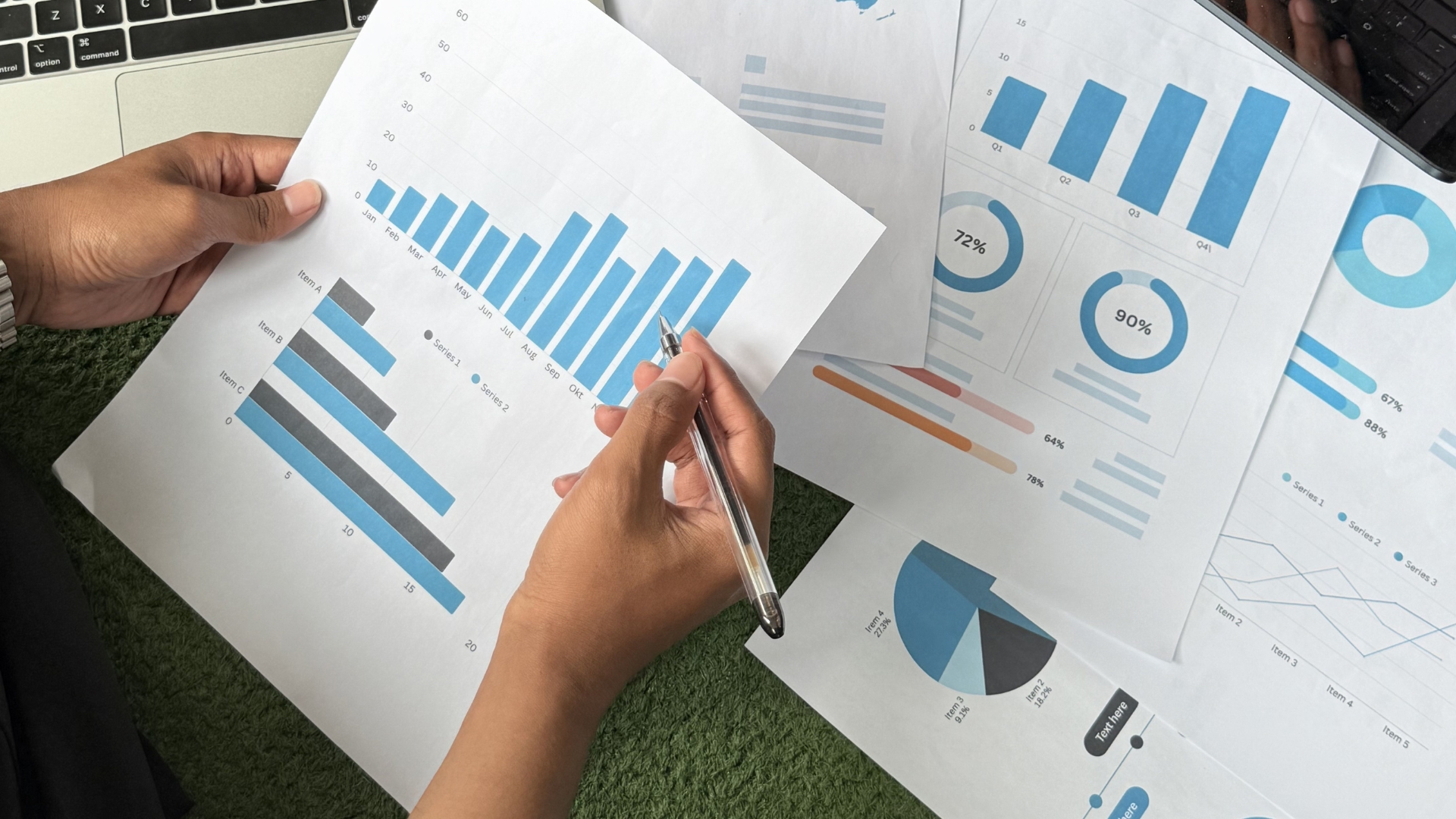
An average restaurant may spend around $83.20 to acquire a new customer for a casual-dining concept, and more for higher-price segments.
If you do not track retention metrics alongside acquisition costs, you risk overinvesting in traffic that does not return while underestimating the value of repeat revenue. These are a few other reasons:
New customer acquisition costs can be substantial without guaranteeing repeat revenue. Measuring retention alongside acquisition costs helps you compare return on investment and allocate budget to strategies that encourage repeat business.
Retention metrics show when customers begin spacing out orders or stop returning altogether. This gives you time to intervene with operational fixes, targeted outreach, or experience improvements before lost visits turn into lost revenue.
Tracking retention by ordering channel helps you see which channels support habit formation and which only deliver one-time traffic. This allows you to prioritize owned channels and reduce dependence on platforms that do not contribute to long-term customer value.
When churn trends are viewed alongside reviews, complaints, or service issues, patterns become clearer. You can trace revenue loss back to specific problems, such as delays, order accuracy, or availability, rather than guessing at causes.
Without retention insights, restaurants may compensate for churn by increasing acquisition spend, which is costlier and less sustainable. The next section highlights common blind spots in retention strategies and how to avoid them.
Suggested Read: The Complete Guide to SaaS Ordering Platforms for Restaurants
Many restaurants believe they understand why customers return, but important signals are often overlooked. These blind spots usually develop when retention is treated as a marketing task rather than a business-wide responsibility.
These are a few things you need to be wary of:
Fixing these blind spots requires systems that capture behavior consistently across channels. That is where technology plays a critical role in making retention visible and actionable.
Suggested Read: Top 10 Latest Trends in Restaurant Technology for 2025-26 You Need to Know
Customer loyalty is shaped by how easily guests can reorder, how consistent the experience feels, and how well returning behavior is recognized.
These restaurant technologies play a direct role in reducing friction and reinforcing repeat habits across both digital and in-store touchpoints.
Choosing platforms that align with repeat behavior is the next step toward sustainable retention. This is where iOrders supports loyalty-driven restaurant growth.
Suggested Read: 7 Proven Ways to Improve Guest Experience and Loyalty
iOrders is a restaurant ordering and engagement platform designed to help you grow revenue by strengthening repeat behavior across owned channels. Restaurants using iOrders have reported up to a 288% increase in revenue and a 13% increase in average basket size.
By combining direct ordering, customer engagement tools, and retention-focused features, iOrders helps restaurants act on retention analytics rather than letting insights sit unused.
These are a few other features that position iOrders as an industry-leader:
1. Commission-Free Online Ordering
iOrders enables customers to order directly from your restaurant without third-party commissions. This keeps margins intact while encouraging repeat customers to return through familiar, owned channels. Over time, higher repeat frequency contributes directly to revenue growth.
2. Website and QR Code Ordering
Direct ordering through your website and QR codes reduces friction for returning guests. When customers can quickly reorder without switching platforms, visit frequency increases. This ease of access supports higher-order volumes from repeat customers.
iOrders lets you offer delivery without relying solely on marketplace apps. You retain control over the customer experience while meeting delivery expectations. This balance helps preserve repeat behavior while protecting profitability.
Managed marketing services help translate retention insights into campaigns that drive return visits. Instead of generic outreach, marketing efforts align with customer behavior and ordering patterns. This improves conversion while supporting sustained revenue growth.
5. Loyalty and Rewards Programs
iOrders loyalty programs are designed around frequency and engagement, not just spend. Personalized rewards encourage customers to return more often, contributing to higher lifetime value. Increased visit cadence supports both revenue growth and basket expansion.
Smart campaigns allow you to reach customers based on timing, preferences, and past orders. This relevance improves response rates without relying on deeper discounts. More effective campaigns help lift both repeat visits and average order size.
The AI-powered review system helps you understand how customers feel and respond quickly across platforms. Addressing issues early protects repeat visits and reduces churn. Stronger retention supports long-term revenue stability.
A fully branded mobile app creates a familiar environment for repeat ordering. Saved preferences and easy reordering encourage higher basket sizes and more frequent visits. This consistency plays a key role in driving repeat-driven revenue growth.
Retention analytics only deliver value when paired with systems that act on them. iOrders provides the tools to turn repeat behavior into measurable revenue gains by reducing friction, improving engagement, and strengthening owned channels.
When retention data is ignored or only reviewed at a surface level, revenue problems tend to appear too late. Customers quietly stop returning, promotions lose effectiveness, and growth becomes reactive instead of intentional. Analysis matters, but analysis only works when you have complete, reliable data to analyze in the first place.
iOrders helps restaurants capture the right data by keeping ordering, engagement, and feedback within owned channels. With tools that support direct ordering, loyalty, campaigns, and customer experience, iOrders makes retention analytics actionable rather than theoretical.
Build more innovative repeat strategies with tools designed for restaurant retention. Speak with our team to see how iOrders can help you achieve your growth goals.
Most restaurants begin seeing early signals within a few weeks, but meaningful revenue impact usually appears after one or two repeat-order cycles, once behavior changes have time to compound.
Yes. Smaller restaurants often see faster impact because a modest increase in repeat visits can significantly improve cash flow, staffing predictability, and overall revenue stability.
Yes. Retention analytics rely on order frequency, timing, and channel behavior. These insights can guide re-engagement and operational improvements even without formal loyalty programs.
Core retention metrics should be reviewed weekly to catch early churn signals, with monthly trend reviews used to guide broader strategy and operational adjustments.
Yes. When dine-in orders and customer interactions are captured consistently, retention analytics help identify repeat patterns, visit cadence, and experience issues affecting return visits.
.png)