Book a free demo
Oops! Something went wrong while submitting the form.
December 3, 2025
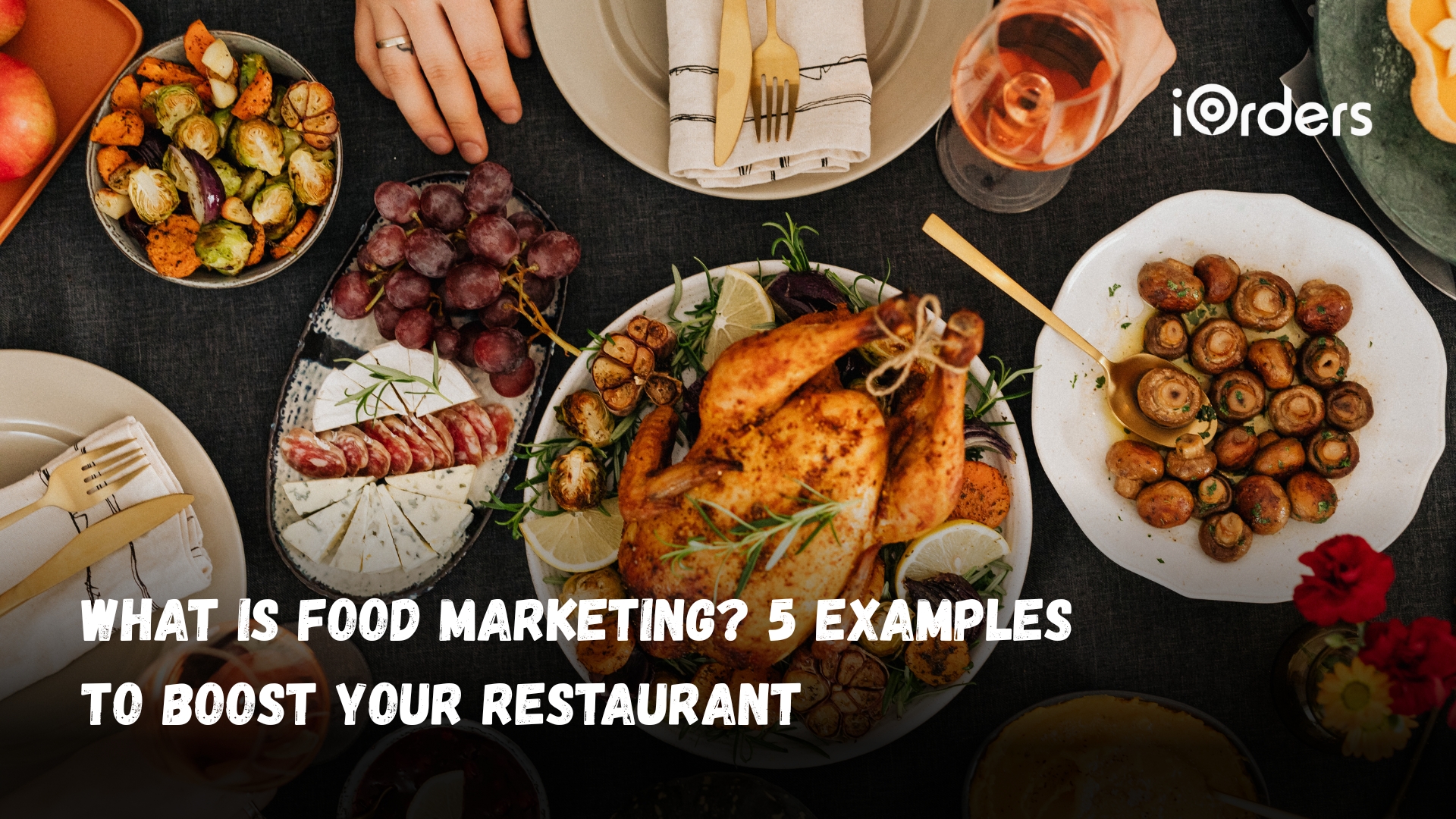
The restaurant industry in Canada is constantly changing. With new trends, customer demands, and competition, restaurants need to adapt quickly to stay ahead. More Canadians are choosing to dine out less often, but when they do, they expect great experiences that offer value, convenience, and quality. This shift is driving change in how food businesses approach marketing.
The Canada foodservice market is estimated at 135.2 billion USD in 2025 and is expected to reach 303.7 billion USD by 2030, showing steady growth. This presents a huge opportunity for restaurants to engage customers through creative marketing strategies.
In this blog, we will discuss 5 proven food marketing strategies that can help your restaurant stand out, attract more customers, and create long-lasting loyalty.

Food marketing is the strategic process of promoting and selling food services to attract and retain customers across various channels. For restaurants, it involves crafting compelling messages and experiences that connect with diners at every stage, from their first interaction to becoming loyal repeat customers.
Food marketing encompasses menu design, social media engagement, and customer loyalty programs that create lasting impressions through personalized rewards and promotions.
The ultimate goal of food marketing is to build strong brand awareness and drive consistent sales growth. It also focuses on nurturing long-term customer relationships that keep them coming back.
Also Read: Seamless Takeout and Delivery Integrations for Restaurants
Food marketing has shifted from traditional ads to interactive, data-driven strategies. Understanding these key elements helps restaurants craft campaigns that drive customer engagement, loyalty, and sales.
Menus are the first step in a customer’s dining journey, and words can sell just as much as taste. Describe dishes using texture, aroma, and flavor to make them irresistible.
For example, instead of “chicken sandwich,” use “crispy, herb-marinated chicken breast on a toasted ciabatta bun with smoky aioli and fresh arugula.” This type of food description paints a vivid picture that tempts diners before they order.
Social platforms aren’t just for pretty photos; they’re a direct line to customers. Posting high-quality food images, behind-the-scenes videos, and engaging stories builds brand personality.
For instance, a restaurant could use Instagram polls to let followers vote on a new menu item. This can turn engagement into actionable insights and increase reservations.
Retaining customers costs less than acquiring new ones, and loyalty programs incentivize repeat visits.
A points-based system, like earning a free dessert after three visits, encourages habitual dining. It also promotes emotional connection with the brand, while app-based notifications can boost participation.
Scarcity drives action. Limited-time items or seasonal dishes create urgency and excitement while filling slower sales periods.
For example, offering a summer mango panna cotta only during June-August encourages diners to visit immediately. This approach easily boosts traffic and sales during off-peak months.
Modern diners care about ingredient origins and sustainability. Highlighting local suppliers or ethically sourced meats builds trust and differentiates your brand.
A farm-to-table bistro, for example, can feature a “locally sourced salad of the week,” appealing to conscious consumers while reinforcing authenticity.
UGC acts as authentic social proof, turning happy diners into brand advocates. Encourage customers to share photos with a branded hashtag, and repost them to demonstrate popularity.
A burger joint, for instance, could reward the best weekly photo with a free meal, increasing both engagement and loyalty.
Focusing on the above practices lets your restaurant attract the right customers, increase repeat visits, and boost restaurant revenue sustainably.
Iconic campaigns have redefined how restaurants connect with customers. These real-world examples showcase strategies that boosted engagement, loyalty, and brand visibility:
Launched in 2012, Taco Bell’s “Live Más” campaign aimed to reposition the brand from selling just food to promoting a fun, adventurous experience. It replaced the previous tagline, “Think Outside the Bun,” emphasizing bold messaging, storytelling, and lifestyle branding.
Campaign Highlights:
Takeaway from the marketing example: Use brand messaging to communicate experiences or lifestyle values, not just the product. A clear, distinctive voice can help your restaurant stand out and remain relevant to your audience.
Launched in 1987, McDonald’s “Monopoly Game” combined food with gamification, encouraging customers to collect game pieces for a chance to win prizes. The campaign created excitement and increased repeat visits during promotional periods.
Campaign Highlights:
Takeaway from the marketing example: Gamifying promotions can drive repeat visits and increase engagement. Creating a fun, interactive experience around your products can strengthen customer loyalty and brand recognition.
Introduced in 2015, Domino’s “AnyWare” allowed customers to order pizza via smart devices, apps, and social media platforms. This way, the ordering process became seamless and highly accessible. The initiative aimed to integrate convenience into everyday life.
Campaign Highlights:
Takeaway from the marketing example: Making ordering seamless and accessible increases customer satisfaction and frequency. Integrating technology into operations can create a competitive advantage and simplify customer interactions.
Launched in 2018, Burger King’s “Whopper Detour” used geofencing to offer a discounted Whopper when customers were near a McDonald’s. The campaign used technology and humor to drive app downloads and foot traffic.
Campaign Highlights:
Takeaway from the marketing example: Creative use of technology and location-based marketing can attract attention and increase customer engagement. Clever campaigns can turn challenges into marketing opportunities.
Launched in 2014, Panera 2.0 modernized ordering with self-service kiosks, mobile ordering, and a loyalty program. The initiative improved customer convenience and simplified operations, aligning technology with Panera’s commitment to quality.
Campaign Highlights:
Takeaway from the marketing example: Investing in technology can enhance both customer experience and operational efficiency. Combining convenience with brand values strengthens loyalty and supports growth.
Together, these campaigns show restaurants can drive growth and loyalty by blending innovation, emotional connection, and convenience. It can turn your restaurant marketing into meaningful, measurable customer engagement.
Also Read: 7 Strategies To Overcome Restaurant Staffing Shortage
Choosing the right food marketing strategy requires understanding your brand, audience, and resources. Effective strategies should reflect your restaurant’s identity while driving measurable engagement.
Define your restaurant’s identity and audience first. For example, a family-style restaurant might focus on comfort meals. Meanwhile, a fast-casual café could highlight convenience and freshness in promotions.
Small cafés may utilize social media contests or local influencer collaborations. On the other side, chains can run app-based loyalty programs or geofencing campaigns to engage larger audiences effectively.
Assess available resources realistically. For instance, a boutique bakery might start with email marketing and loyalty punch cards. Similarly, a multi-location chain could invest in digital ads and AI-driven customer insights.
Track customer behavior with tools like iOrders to identify popular items or peak order times. For instance, promoting seasonal specials to frequent lunch customers can increase repeat visits.
By aligning strategies with your brand, audience, and data, your restaurant can create meaningful campaigns that drive engagement, loyalty, and measurable business growth.
Tracking marketing success is essential for restaurants to understand what works. Metrics reveal which strategies drive engagement, retention, and revenue.
Tracking customer engagement and retention helps in measuring marketing success. Monitor repeat visits, average order frequency, and loyalty program participation.
For example, a café can track how a rewards program impacts weekly visits and repeat orders.
These insights help restaurants refine promotions, identify loyal customers, and create personalized campaigns that improve satisfaction and long-term revenue.
Data analytics helps restaurants evaluate the impact of marketing campaigns. Key metrics include sales lift, promotion redemption rate, social media engagement, and click-through rates. For example, a restaurant might analyze which Instagram posts drive online reservations to refine its next campaign ideas.
Understanding these patterns allows marketers to optimize content, adjust offers, and make informed decisions to improve engagement, conversion, and profitability.
In short, consistently analyzing engagement, retention, and campaign metrics ensures food marketing strategies are data-driven, targeted, and adaptable. This approach maximizes customer loyalty, repeat business, and long-term growth for restaurants.
iOrders simplifies and enhances your restaurant’s marketing strategies by providing a comprehensive suite of tools. With customizable loyalty programs, you can encourage customer retention and reward repeat visits. Additionally, data-driven insights help you create personalized campaigns, delivering targeted offers via SMS, email, or push notifications.
Key features of iOrders include:
By using iOrders, you can simplify your marketing efforts, increase customer engagement, and track success in real-time.
Also Read: 15 Key Features To Consider In Food Delivery App Technology
Food marketing is a powerful strategy that helps restaurants attract new customers and retain them over time. By using proven tactics like sensory-rich menu descriptions, personalized loyalty programs, and targeted digital marketing, restaurants can build lasting relationships with their customers. Real-world examples from brands like Taco Bell, McDonald's, and Domino’s show how these strategies can drive sales and boost customer loyalty by creating memorable dining experiences.
With iOrders, restaurants can take their marketing efforts to the next level. Our platform offers a seamless way to implement and track all of these strategies, from managing loyalty programs to measuring customer engagement. Moreover, iOrders provides the tools and insights needed to optimize marketing efforts and ensure long-term success.
Ready to enhance your restaurant's marketing? Book a demo with iOrders today and see how our platform can help you drive customer loyalty, increase sales, and fuel sustainable growth.
Effective strategies include using social media ads to target local customers and offering limited-time discounts through delivery platforms. Utilizing email marketing to offer promotions and building customer loyalty programs to encourage repeat business should also not be overlooked.
For small restaurants, local SEO and social media marketing are key. Engaging customers with Instagram posts showcasing daily specials, utilizing Google My Business for visibility, and offering referral discounts can drive traffic and build a loyal customer base.
Start by creating an Instagram or Facebook page, sharing photos of your food, offering local delivery, and encouraging customers to post UGC. Consider using local food delivery apps or creating a website with online ordering for easy access.
Focus on unique selling points like organic ingredients, customized dishes, or special dietary options. Use local partnerships, highlight your personal story, and engage customers through social media contests and exclusive deals to build a strong, recognizable brand.
.png)