Book a free demo
Oops! Something went wrong while submitting the form.
November 3, 2025
Are you struggling to keep your restaurant running smoothly despite a steady flow of customers? You’re not alone. Across Canada, the foodservice sector has nearly 100,000 job vacancies, leaving many restaurants operating at just 80% of normal capacity.
And this restaurant staffing shortage is more than just a staffing problem. It affects service quality, kitchen efficiency, and customer satisfaction. Maybe your staff is rushing more than usual, or maybe you’re spending extra hours just keeping things on track. When your team is stretched thin, mistakes happen and stress builds up.
So, how do you tackle this? This blog will guide you through practical strategies, smart tech solutions, and tips to keep your restaurant running smoothly and your staff happier. Read along to discover how.
Quick Overview:
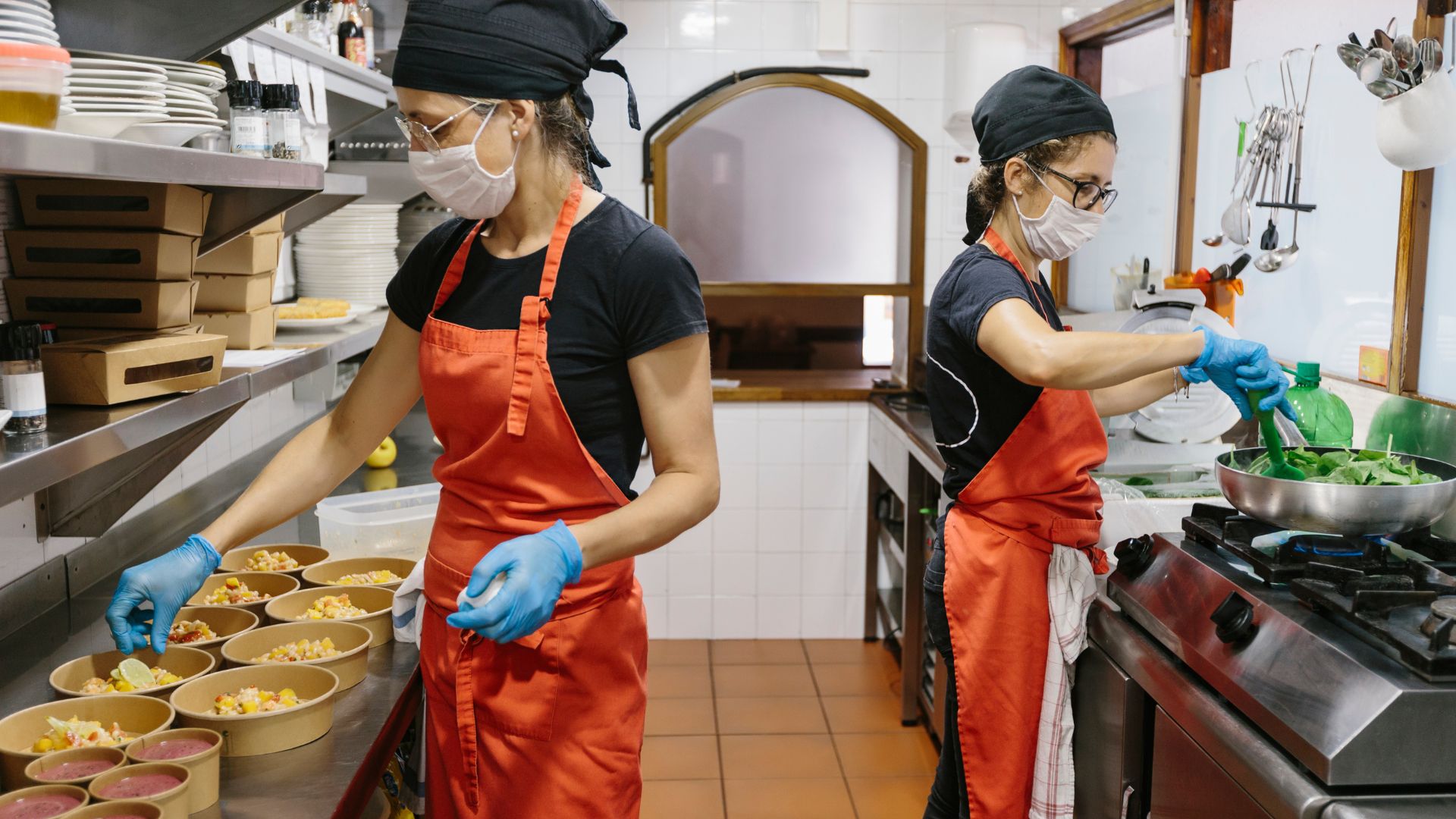
If you’re running a restaurant today, you’ve likely faced the same frustrating reality- there simply aren’t enough hands on deck. While the industry is finally bouncing back to pre-pandemic sales levels, the restaurant staffing shortage continues to be one of the biggest operational hurdles.
This shortage stems from deeper issues within the industry. Many restaurant workers face low wages, limited growth opportunities, and demanding work conditions. These challenges often drive them toward more stable, better-paying jobs in other fields.
But the impact of this shortage goes beyond just hiring challenges. Let’s explore how it can affect your everyday operations and customer experience.
Staff shortages don’t just slow down your kitchen; they ripple across every part of your business. Here’s how they show up in daily operations:
Restaurant staffing shortage creates a domino effect- fewer workers lead to more stress, which leads to more resignations. So how do you break that cycle and still run efficiently? The answer may lie in smart technology that helps you do more with less.
Also Read: Comprehensive Guide to Train Your Restaurant Staff
The right tech tools can reduce pressure on your staff, improve efficiency, and even make your restaurant more appealing to potential hires. See how below:
Online ordering systems reduce the need for front-of-house staff by letting customers place orders directly. Orders can flow straight to the kitchen, minimizing errors and wait times.
Example: iOrders’ online ordering sends every order directly to your POS, eliminating manual entry and keeping your kitchen running smoothly.
Kiosks can handle ordering, payments, and even loyalty programs. This reduces pressure on cashiers and allows staff to focus on in-person service.
Scheduling software helps match staffing levels to demand, preventing overstaffing or gaps. It also makes shift updates easy to communicate to employees.
Modern POS systems provide real-time sales and inventory data. This allows better decision-making on staffing, menu adjustments, and operational planning.
Example: iOrders centralizes online and in-person orders in one dashboard, reducing errors and extra manual work for your team.
Reservation and table management software reduces the time staff spend answering calls or juggling walk-ins. It helps optimize seating, reduce wait times, and improve customer flow.
Allowing customers to pay via mobile or integrated systems reduces cashier workload. Automated loyalty programs keep engagement high without extra staff effort.
Example: iOrders’ loyalty and rewards system automatically tracks points and promotions, keeping customers engaged without adding work for staff.
After setting up the right digital tools, the next step is to implement smart staffing strategies that maximize efficiency.
Also Read: Top Restaurant Employee Management Software

Running a restaurant efficiently means finding the right balance between staffing levels and labor expenses. Managing labor efficiently can help you overcome the challenges of a restaurant staffing shortage without compromising service quality. Here are key ways to do it:
Optimizing staffing and labor costs ensures your restaurant operates efficiently, but keeping your team happy is just as important.
Fostering a supportive and engaging workplace is key to retaining employees during a restaurant staffing shortage. Let’s look at the key approaches:
Recognize employees’ efforts consistently. Celebrate milestones, achievements, and strong performance to make staff feel valued. Appreciation drives loyalty and encourages your team to give their best every shift.
Offer training programs, mentorship, and opportunities for promotion. Employees who see a clear career path are more likely to stay committed and develop skills that enhance your restaurant’s overall performance.
Encourage cooperation among employees through team-building activities and collaborative tasks. A united team reduces conflicts, improves communication, and makes your restaurant a more enjoyable workplace.
Ensure safety, fairness, and inclusivity. A respectful, healthy environment reduces turnover and creates a workplace where employees feel secure, supported, and motivated to excel.
Also Read: Hire and Retain Restaurant Employees: Top 12 Strategies
Running a restaurant is never easy, especially with a restaurant staffing shortage. iOrders acts as your digital backbone, taking orders, routing them directly to your POS, and notifying your team instantly. Whether you use your own in-house delivery staff or third-party delivery partners like DoorDash Drive or Uber Direct, iOrders makes the process seamless.
How iOrders simplifies your operations and boosts profits:
With iOrders, your restaurant’s tech stack works for you. Staff spend less time juggling orders and more time delivering excellent service, leading to happier employees and more loyal customers.
The restaurant staffing shortage continues to challenge owners, from overworked teams to longer wait times and missed growth opportunities. Understanding the root causes and how they impact daily operations is the first step toward tackling this problem effectively.
Smart strategies, from optimizing scheduling and cross-training staff to creating a positive work culture, can help reduce turnover and improve efficiency. Pairing these approaches with technology solutions streamlines online ordering, delivery, and customer engagement, giving your team the tools to work smarter, not harder.
iOrders acts as a central hub for your restaurant, handling orders, delivery, and customer engagement seamlessly. With features like centralized dashboards, loyalty programs, POS integration, and third-party delivery options, your staff can focus on service while boosting profits. Ready to take the stress out of staffing shortages? Schedule a demo to see how iOrders can transform your operations.
Is there a labor shortage in the food industry?
Yes, the food industry is facing a labor shortage, making it difficult for restaurants to hire and retain skilled staff. This shortage stems from factors like career changes and long-standing concerns over pay and work conditions.
What is the 30/30/30 rule for restaurants?
The 30/30/30 rule suggests allocating roughly 30% of resources to labor, 30% to food costs, and 30% to operational expenses. This helps restaurants maintain balanced operations while keeping a small margin for profit.
What happens if a restaurant is understaffed?
An understaffed restaurant can experience longer wait times and stressed employees, which negatively impacts service quality. Over time, this can reduce customer satisfaction and hurt overall revenue.
How to handle short staffing in a restaurant?
Short staffing can be managed by cross-training employees, optimizing schedules, and leveraging technology like online ordering and POS systems. Creating a supportive work environment also helps retain existing staff and reduce turnover.
.png)