March 31, 2026
You know how it feels when a server has to leave their tables to pack a takeout order. This simple overlap in duties causes the entire floor to slow down and leaves your guests unattended. When responsibilities are not clear, your team spends their time filling gaps instead of owning their specific roles.
Building a team structure is about more than just job titles; it is about creating accountability so service stays steady. When every position is clearly defined, your staff can focus on their primary duties, which reduces mistakes and keeps the kitchen in sync.
This guide breaks down restaurant position descriptions to help you build a team structure that works during a live shift, not just on paper.
Quick Overview
When roles are not clearly assigned, work starts to overlap across your team. Staff pick up tasks as they come instead of owning a specific responsibility, which creates gaps in how orders are handled. Important details get missed, handoffs between front and back of house become inconsistent, and no one has full accountability for each step of service.
This lack of structure causes several specific problems during a shift:
Without clear role ownership, your team spends more time reacting to issues than keeping service on track.
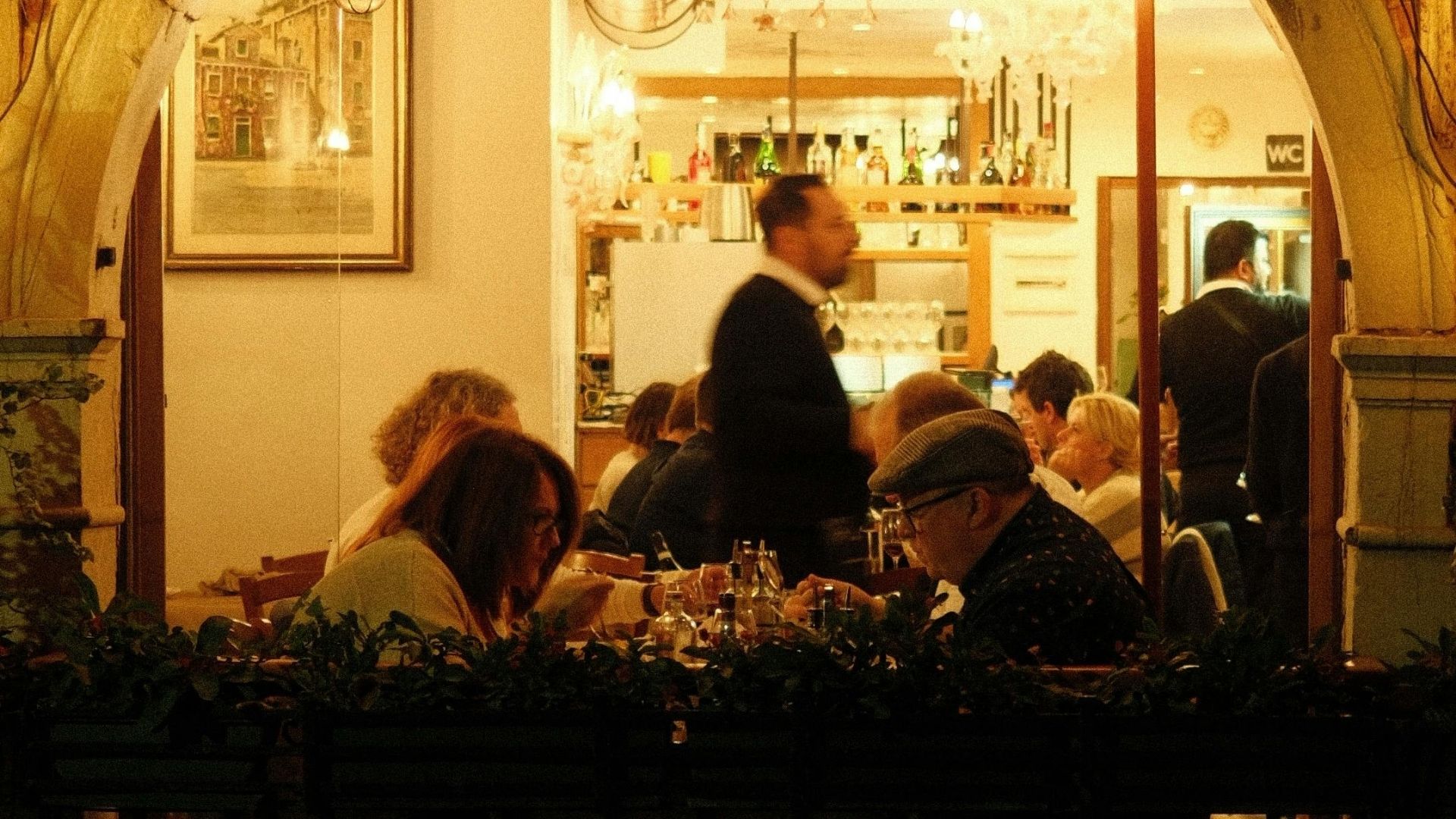
How you assign roles across your team determines how work moves during a shift. Without a clear structure, tasks overlap, handoffs get missed, and service slows down when volume increases.
Most restaurants organize roles into three core groups:
This structure stays consistent, but how roles are assigned within it depends on your setup.
No matter the format, each role should have a clear scope during service. With your overall structure in place, the next step is understanding how each group functions during a shift. It starts with the front of house, where orders are taken, details are captured, and the pace of service is set.

Front-of-house staff manage the transition from guest arrival to order placement. Every detail recorded at the table or counter determines the accuracy of work in the kitchen. When these roles are clearly defined, service remains consistent and avoids unnecessary corrections.
1. Host/Hostess
The host manages the seating flow and table availability. By pacing how guests are seated, they ensure the kitchen receives a manageable stream of orders. Proper coordination at the front door prevents sudden bottlenecks that can slow down service for the entire dining room.
2. Server
The server is responsible for order accuracy and guest communication. They capture specific requests and modifiers while managing the timing of the meal. Clear entry at this stage ensures that the kitchen has the correct instructions, preventing food waste and delays.
3. Bartender and Barback
The bar team handles all beverage production for the restaurant. Their primary goal is to maintain a high speed of service for drinks, which often represent the highest-margin items on the menu. A coordinated bar team prevents beverage backups from slowing down the overall pace of the table.
4. Busser/Runner
Bussers and runners are responsible for table turnover and food delivery. By clearing and resetting tables quickly, they allow the host to seat new guests sooner. Runners ensure that food is delivered as soon as it is ready, maintaining the correct temperature and quality.
5. Cashier (QSR/Takeout)
In quick-service environments, the cashier manages the speed of the transaction. They must process payments and enter orders accurately to keep the line moving. Efficiency in this role is critical for maintaining high volume during peak periods.

Back-of-house roles are responsible for food production and cost control. Because each station depends on the others to stay in sync, clear role definitions are necessary to maintain a steady pace. When responsibilities are clearly assigned, tasks are not repeated, and the kitchen can manage order volume without increasing ingredient waste.
1. Executive Chef/Head Chef
The executive chef establishes the operational standards for the kitchen. This role is responsible for menu engineering, food quality control, and ensuring that every dish meets the restaurant’s consistency requirements. Their leadership ensures that the entire kitchen team follows the same standards for preparation and plating.
2. Sous Chef
The sous chef manages the kitchen during active service hours. They coordinate the flow of tickets between stations and resolve operational issues as they arise. By organizing the sequence of orders, the sous chef ensures that all components of a table’s order are ready at the same time.
3. Line Cook/Station Chef
Line cooks are responsible for the execution of specific menu items at their assigned stations. They prepare dishes according to incoming tickets and maintain the speed of the cooking line. Their focus is on technical accuracy and following the exact specifications provided on each order ticket.
4. Prep Cook
Prep cooks ensure the kitchen is ready for service before the first order arrives. They handle the portioning and preparation of ingredients so that line cooks can operate without interruption. Complete preparation at this stage is essential for maintaining a high volume of output during service.
5. Dishwasher
The dishwasher supports the entire production cycle by maintaining a steady supply of clean cookware, utensils, and plates. This role ensures that essential tools are always available for the cooking team. Without a consistent flow of clean equipment, kitchen output is limited regardless of the skill of the cooks.
Recommended: Build a Restaurant Staffing Schedule That Keeps Service Fast.
Once each back-of-house role is clearly defined, the next step is putting that structure into practice.

Making a team structure work during a real shift requires clear, repeatable steps that your staff can follow without second-guessing. These strategies help you reduce confusion, keep service steady, and avoid gaps during peak hours.
Start by focusing on how work actually flows through your restaurant, not just how roles look on paper.
Clear role definitions work best when supported by systems that keep everyone aligned. When orders, tickets, and handoffs are consistent, your team spends less time fixing mistakes and more time keeping service on track.
Clear roles only work when your system supports how orders move across your team. Without that, staff end up re-entering orders, checking multiple devices, and stepping away from their core responsibilities during a shift.
That’s where iOrders helps. It connects your ordering, kitchen, and delivery flow into one system, so each role can focus on its task without extra steps or confusion. Here’s how iOrders supports each part of your team:
When your system supports each role like this, your team spends less time fixing errors and more time keeping service consistent. If you’re looking to bring your ordering, kitchen, and delivery flow into one place, you can book a demo now and see how it fits your setup.
Clear roles keep your shift predictable, but they only work when your system supports how orders move through your restaurant. When your team knows exactly who owns each step, you reduce delays, avoid missed details, and keep service steady during peak hours.
The next step is making sure your ordering, kitchen, and delivery flow stay connected without extra effort from your staff. That’s where iOrders fits in. From commission-free online ordering to a centralized system that keeps every role aligned, it helps your team stay focused on service.
If your team is still juggling orders, fixing errors, and switching between systems, it’s time to fix the flow. Connect with our team today and see how it works in your setup.
1. What are the main positions in a restaurant?
Most restaurants are structured into three groups: front of house (servers, hosts, cashiers), back of house (chefs, line cooks, prep staff), and management roles. Each group handles a specific part of the service, from taking orders to preparing and delivering them.
2. How do I decide which roles my restaurant actually needs?
Start with your service style and order volume. A small café may combine roles like server and cashier, while a high-volume restaurant needs dedicated staff for each position. Focus on covering order taking, preparation, and delivery without overlap during peak hours.
3. Why do unclear roles cause delays during service?
When responsibilities overlap, staff switch between tasks or miss key steps. This leads to incomplete orders, kitchen delays, and more back-and-forth during a rush, which slows down your entire service.
4. How can I reduce order errors in my restaurant?
Clear role definitions help, but your system also matters. Orders should be captured in a consistent format and sent directly to the kitchen. This reduces missed modifiers and avoids confusion during busy shifts.
5. How does online ordering fit into restaurant roles?
Online ordering removes manual steps for your staff. Orders go directly into your system, so servers don’t need to re-enter them, and the kitchen receives clear tickets. This keeps your team focused on their roles instead of handling duplicate tasks.