Book a free demo
Oops! Something went wrong while submitting the form.
December 8, 2025
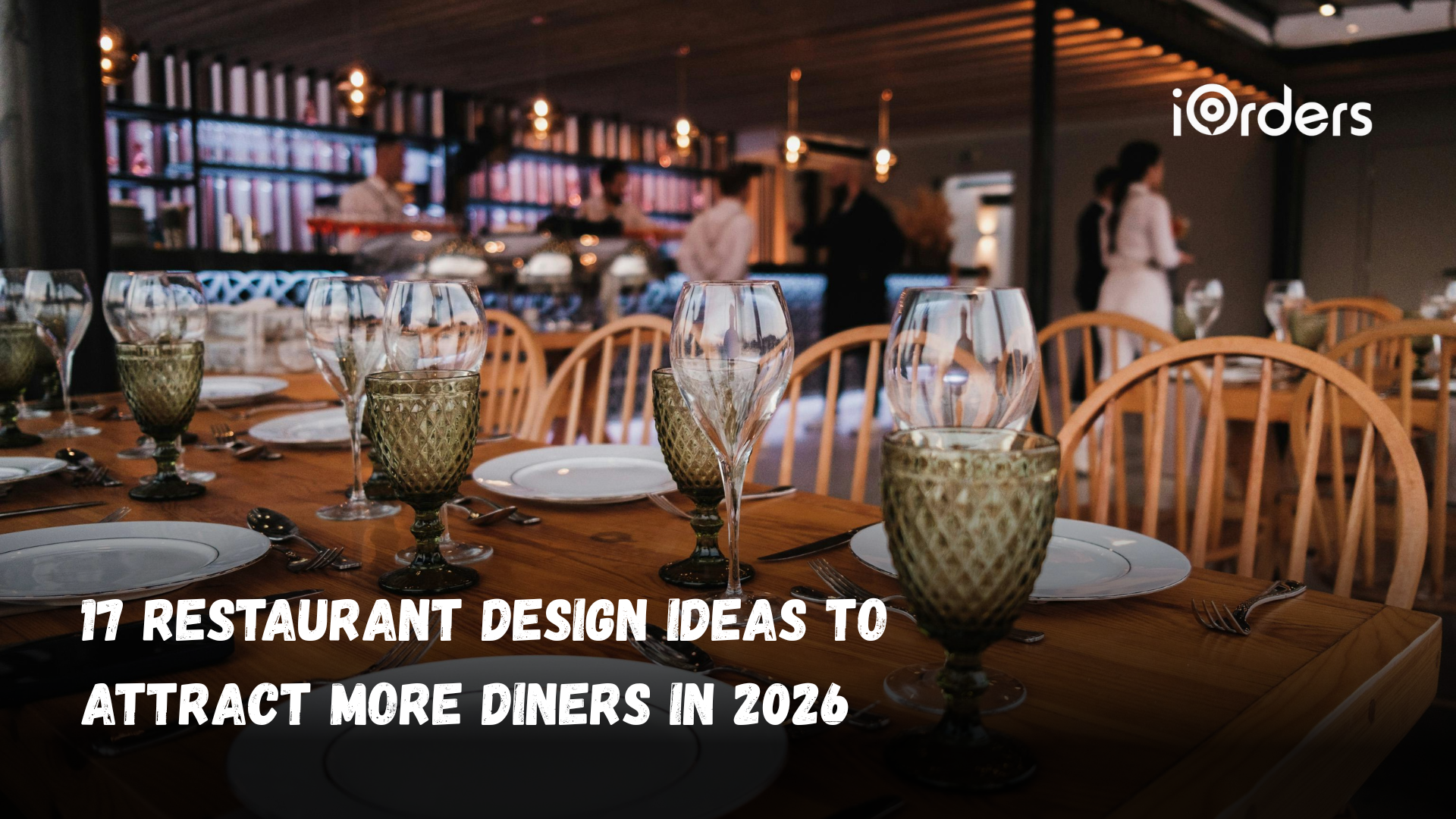
Restaurant design is becoming just as important as the food itself. Guests notice how a space feels the moment they walk in, through its lighting, layout, colors, and energy. A recent study shows that these design elements strongly influence customer satisfaction and the likelihood of returning.
With rising competition, restaurants can no longer rely on excellent food alone. A thoughtful design helps set expectations, encourages guests to stay longer, and keeps them coming back. This guide shares 17 design ideas every owner should consider for 2026.
Brief takeaway:

Sol Kerzner once said, “When the guest arrives, give him an experience that’s ahead of what he anticipates.”
Design plays a significant role in shaping that experience. Long before the first dish arrives, the space sets expectations, influences comfort, and guides how guests move, feel, and interact within the restaurant.
Every restaurant should prioritize these design principles:
A successful restaurant begins with these guiding principles. The next step is to see how targeted design ideas apply them in ways that captivate guests and encourage loyalty. We begin with design ideas for high-end restaurants first.
Suggested Read: 30+ Creative Restaurant Advertising Ideas: Ultimate Guide to Restaurant Owners
Fine-dining restaurants depend on refined atmosphere, precise sensory cues, and intentional design choices that enrich the whole experience.
These ideas help create a polished environment that aligns with guest expectations in 2026:
Lighting sets the tone before guests taste a single bite. Thoughtful, layered lighting enhances presentation, evokes intimacy, and adapts easily from lunch to late dinner.
Use these lighting ideas to create depth and mood:
Guests often evaluate quality by the materials they touch, see, and hear underfoot. Premium finishes communicate durability, craftsmanship, and a sense of understated luxury.
Material and finish choices that stand out:
You may also want to consider other ways to deepen the experience, such as choosing sustainable materials. 73% of Gen Z diners are willing to pay more for environmentally responsible products. This can be a great way to set your restaurant apart.
Guests increasingly enjoy seeing the skill behind their meal. A semi-open kitchen introduces transparency and theatricality without compromising ambiance.
Elements that make an open kitchen elegant and inviting:
L'Atelier de Joël Robuchon uses counter seating with direct views into the open kitchen, blending refined décor with a performance-driven dining style.
Fine dining thrives on calm, comfort, and the feeling of exclusivity. Thoughtful spacing gives each table its own atmosphere and reduces noise spillover.
How spacing enhances luxury dining:
Fine-dining spaces can maintain privacy without compromising service flow by incorporating discreet QR code menus. With iOrders, your restaurant can create its own fully branded native mobile app. Your guests can use it to browse the menu, place orders, request service, or pay right from their table.
Suggested Read: Comprehensive Guide to Train Your Restaurant Staff
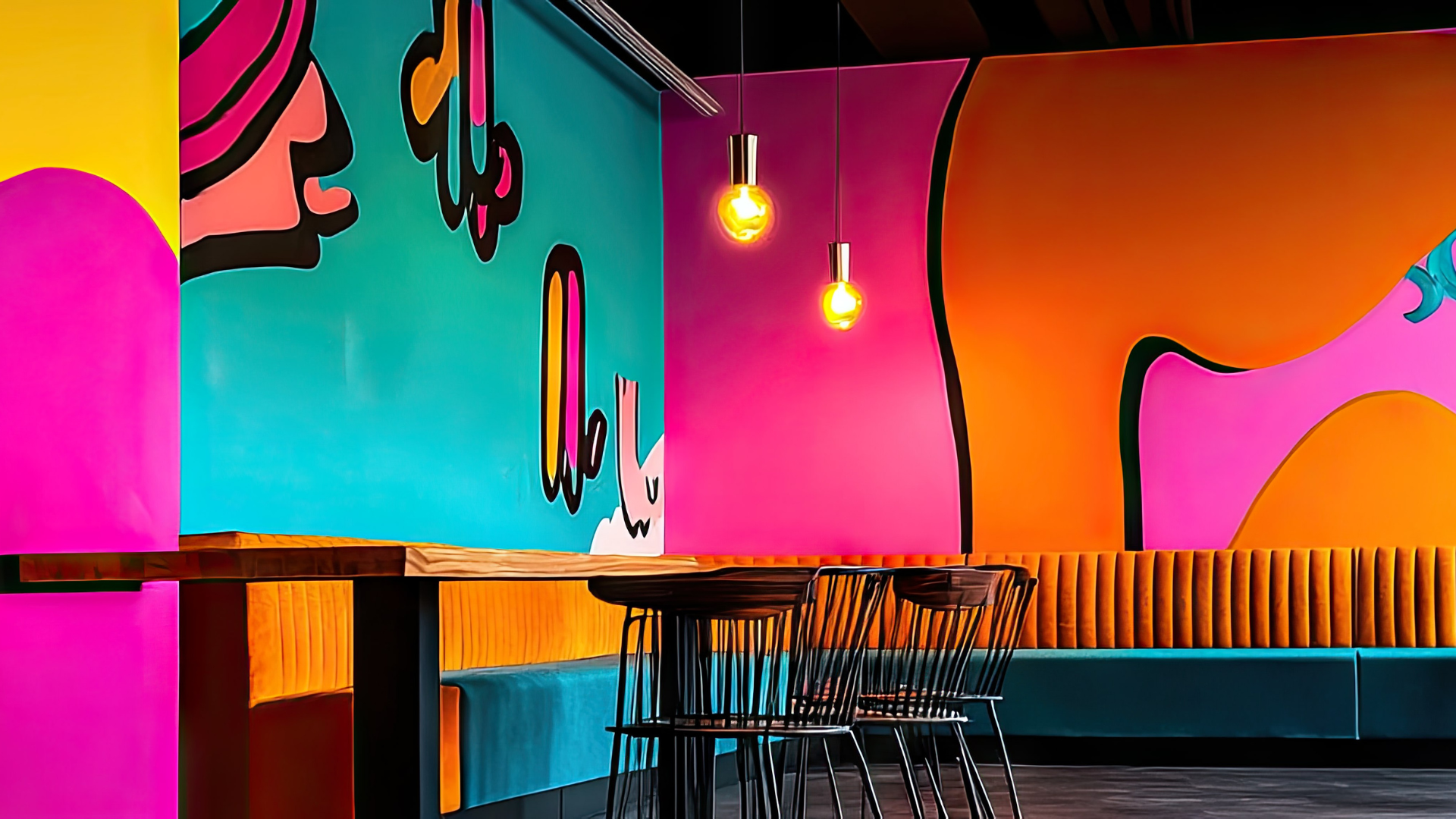
Contemporary casual restaurants want guests to feel welcome from the moment they arrive, stay comfortable, and move easily through the space from entry to table.
Lighting plays a big role in how approachable your restaurant feels. When you use layered lighting, you guide the mood from daytime casual to evening social without major design changes.
Use these lighting strategies for a warm, modern feel:
Kissa Tanto in Vancouver uses pendant lights, sculptural sconces, and soft accent lighting to create a warm, inviting atmosphere that transitions effortlessly throughout the day.
Your guests come in for many reasons: quick lunches, relaxed dinners, or social gatherings. Mixing seating types helps you serve all of them comfortably without redesigning the whole floor.
These seating ideas help you support varied dining styles:
Casual spaces benefit from personality. You need something guests recognize and remember. A striking wall, mural, or installation can instantly communicate your brand story and become a photo-worthy moment.
Try these ways to give your space a distinct identity:
With casual dining, you often have a mix of dine-in and off-premise traffic. Designing a clear, dedicated pickup or ordering zone keeps the dining room calm and improves flow for both guests and staff.
These operational design ideas keep your space orderly:
You can optimize this even further by using iOrders to clearly separate pickup orders from dine-in tickets on your dashboard and notify guests when their order is ready. This reduces unnecessary waiting near the counter and helps staff manage the pickup area more efficiently.
Suggested Read: How Smart Restaurants Cut Food Costs and Boost Profits (Without Cutting Quality)
Fast-casual restaurants succeed when the space feels effortless to navigate, visually interesting, and comfortable enough for short but satisfying visits.
These refreshed design ideas help you modernize while staying aligned with the fast-casual experience.
Instead of relying solely on signage, you can use subtle color shifts across the floor, walls, or ceiling to guide guests from entry to order to pickup. This creates a more intuitive flow without overwhelming the design.
These updates make movement easier and more visually engaging:
Renovations are an opportunity to enhance durability and style. You want materials that make the restaurant look polished all day long, no matter how busy the shift gets.
Here are material upgrades that keep your space looking fresh:
Fast-casual guests respond well to visual storytelling, especially in spaces that feel unique and photo-worthy. A halo-lit feature wall (a softly backlit panel or graphic) becomes both décor and brand anchor.
Try these ways to make a feature wall stand out:
Ellipsis Vancouver recently redesigned its interior with light installations that include back-lit walls and architectural features, creating a mood and drawing guests inside.
Digital ordering is no longer optional since guests expect it. Adding ordering touchpoints throughout the space keeps lines short and frees staff to focus on accuracy and speed.
These choices create smoother operations immediately:
Not all restaurant formats share the same priorities, and QSRs must solve for speed and scale. In this final category, we outline design approaches that manage crowds, accelerate service, and foster guest loyalty.
Suggested Read: Why Your Restaurant Needs a Native Mobile App for Online Ordering?
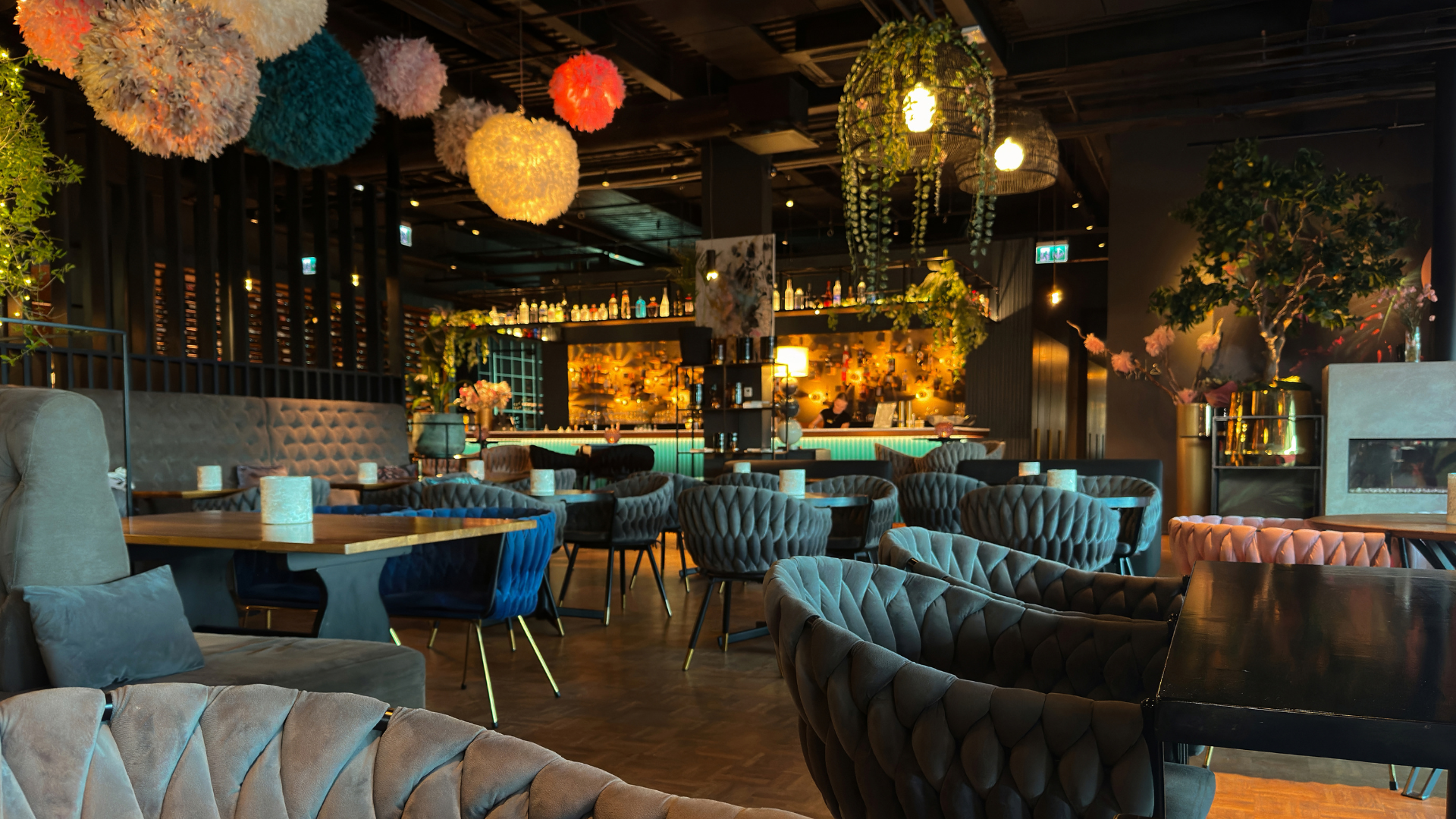
QSRs need speed, clarity, and a layout that handles constant foot traffic while keeping guests moving comfortably. These two design ideas help create a smoother, more efficient experience without sacrificing personality.
QSR guests make faster choices when they can see the entire counter, menu, and kitchen activity at a glance. A wide, unobstructed service line makes the ordering process feel quicker and more intuitive.
Use these updates to improve visibility and flow:
With mobile orders continuing to rise, QSRs benefit from a clear separation between pickup and walk-up ordering. A branded pickup wall or shelving zone keeps lines short and reduces front-counter congestion.
Here are ways to make pickup smoother and more organized:
Design trends change quickly, and sometimes the most memorable ideas are the ones that fall outside traditional categories. These are discussed in the next section.
Suggested Read: Successful Tips for Building Restaurant Loyalty Programs in Food Delivery
If you want to differentiate your restaurant and create moments guests talk about long after they leave, a few unconventional design moves can make a powerful impact.
Here are three standout concepts worth considering.
Instead of a single uniform look, you can design distinct “micro-zones,” each with its own mood, color palette, and seating style. Guests love to choose their environment (quiet nooks, social tables, scenic corners) all within one restaurant.
How to make micro-zones unforgettable:
Alchemist divides its space into multiple themed rooms, each offering a distinct mood throughout the tasting experience. Guests move from a dome to a lounge bar to immersive art rooms, turning the meal into a curated journey rather than a single setting.
Subtle shifts in background sounds, such as ocean textures, soft urban ambiance, and warm acoustic playlists, can effortlessly change the feel of your space.
Ways to integrate soundscapes:
Ultraviolet takes this a step further by using synchronized lighting, scents, sound, and projection to craft a multi-sensory setting for each course of its tasting menu.
Design does not have to be static. A simple interactive element can spark curiosity, drive social sharing, and create a signature brand moment that your restaurant becomes known for.
Examples of guest-friendly interactive art:
Lil' Deb's Oasis began as a diner transformed into a vibrant space mixing food, art, performance, and community. Guests often describe it as dining inside a living art installation.
To turn a great-looking space into a loyal customer base, you also need consistent service, smooth operations, and meaningful connections. Let’s look at what truly drives repeat visits beyond the visual appeal in the following section.
Suggested Read: 7 Types Of Restaurant Digitalization To Boost Efficiency

A beautiful space can bring guests through the door, but what makes them return is how the restaurant makes them feel during and after the visit.
Here are the factors that strengthen guest loyalty beyond appearance:
Many restaurants rely on digital tools to keep these touchpoints consistent and effortless. The right system can support your team, improve ordering, and ensure guests enjoy the same great experience every time they return.
iOrders is a commission-free digital ordering and guest-engagement system that restaurants use to manage online orders, improve workflows, and strengthen customer loyalty without changing their physical layout.
Restaurants using iOrders report 2X purchase frequency, indicating that operational consistency often drives greater loyalty than design alone.
This is what we offer:
More than 300+ restaurants use iOrders to simplify operations and improve the guest experience. Together, they have fulfilled 1M+ orders through the platform. And with a 99% customer satisfaction rate, iOrders continues to prove that strong digital systems can provide a great guest experience just as effectively as a full renovation.
Renovations can refresh a restaurant’s look, but they are not always the solution for improving the guest experience. When design and operations work together, customers notice the difference immediately. iOrders helps restaurants strengthen those operational touchpoints without changing their physical space.
With commission-free ordering, a branded mobile app, loyalty tools, innovative campaigns, and review management, restaurants can deliver a smooth, memorable experience every time a guest returns. It is a practical way to improve satisfaction and drive repeat business without taking on costly renovations.
See how effortless ordering and loyalty tools can support your team. Book a free demo today to get started.
Start by defining your concept, guest flow, and the mood you want to create. Choose materials, lighting, and seating that support comfort and efficiency. Prioritize clarity, durability, and a consistent visual identity.
The best layout supports smooth movement between entry, ordering, seating, and service areas. Choose a layout that minimizes bottlenecks, improves staff efficiency, and matches your service style: full-service, fast-casual, or QSR.
Small restaurants benefit from multifunctional seating, vertical storage, warm lighting, and lighter color palettes. Mirrors, compact tables, and clear walkways help maximize space while keeping the environment comfortable and inviting.
Warm tones like terracotta, muted red, or soft gold stimulate appetite and feel welcoming. Earthy greens and warm neutrals also work well, creating a relaxed, modern, and visually balanced environment.
Focus on the entrance, lighting, and immediate sightlines. A clean, well-lit entry with clear branding and cohesive décor helps guests feel confident and curious the moment they walk in.
.png)