April 16, 2026
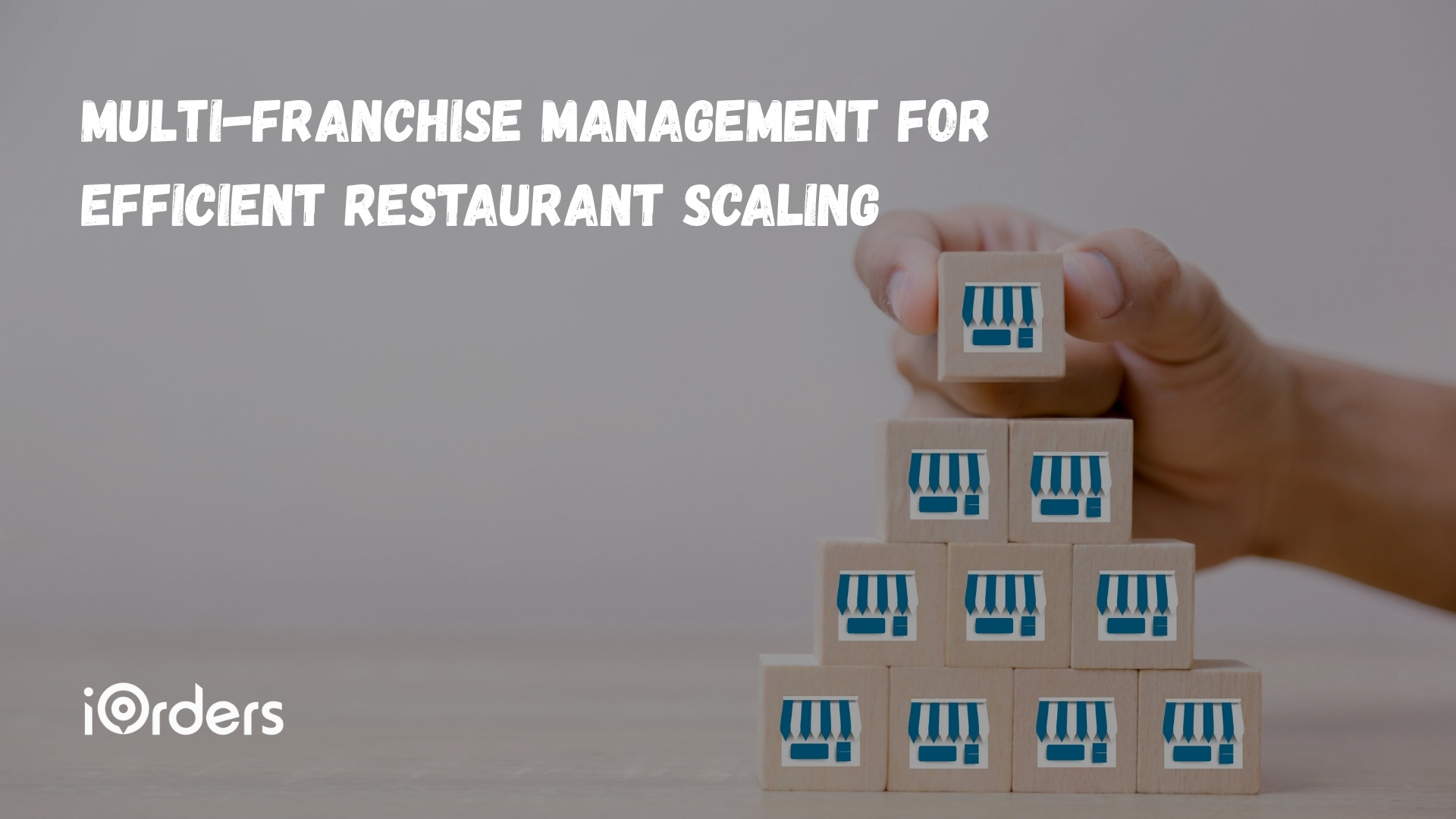
Managing multiple restaurant locations sounds like growth, but it often creates operational strain. In Canada, 89% of restaurant operators say labor costs are a top concern, making it harder to manage teams across locations. As your business expands, coordinating staff, maintaining service quality, and controlling costs becomes difficult without a structured multi-franchise management approach.
This is where a more structured approach to managing multiple locations becomes critical. Without the right systems in place, small inefficiencies across outlets can quickly impact consistency, team performance, and overall profitability.
In this blog, you'll learn how to simplify multi-franchise management, improve operational control, and scale efficiently across your restaurant locations.
Multi-franchise management refers to overseeing multiple restaurant locations under one brand through a unified operational approach. It focuses on ensuring consistency in service, pricing, and the customer experience across all outlets.
Instead of managing each location separately, you use centralized systems to monitor performance, streamline workflows, and maintain control. This allows you to scale operations without losing visibility or operational efficiency.
At its core, multi-franchise management helps you run all locations as one cohesive business while adapting to each outlet's needs. However, achieving this level of consistency and control comes with its own set of operational challenges.

While multi-franchise management brings structure, implementing it across locations is not always easy. As you expand, managing teams, processes, and performance at scale becomes harder. Without the right systems, even small gaps can quickly affect profitability and customer experience.
To understand where things often break down, here are the most common challenges you may face:
These challenges show that scaling is not just about opening more locations. It is about maintaining control as you grow. So what actually helps you stay consistent, reduce inefficiencies, and manage every location with confidence?
Also Read: Own Your Identity: Your Guide to Unified Restaurant Brand Management
Let’s look at the key features your multi-franchise system should include to solve these challenges effectively.
Solving multi-location challenges requires more than visibility. You need systems that actively simplify operations, reduce manual effort, and support consistent execution across every outlet.
To achieve this, your multi-franchise setup should include the following capabilities:
Platforms like iOrders are built to support these exact needs. From commission-free online ordering to centralized management, it helps you simplify operations across locations while maintaining full control over your business. With built-in marketing and customer engagement tools, you can scale without adding operational overhead.
Next, let’s look at how you can apply these features to simplify your day-to-day multi-franchise operations.

To refine multi-franchise operations, you need clear processes, better coordination, and real-time visibility across all outlets. Here are practical ways to make your day-to-day operations more efficient:
Consistency begins with clearly defined workflows that every outlet can follow. By using centralized systems, you can ensure that operations remain uniform across all locations.
Real-time visibility enables you to make faster, more informed decisions across your franchise network. Centralized reporting helps you stay proactive rather than reactive.
Efficient staffing ensures that each location operates smoothly without increasing unnecessary costs. Using data-driven insights helps you allocate resources where they are needed most.
A well-structured delivery approach helps maintain both flexibility and consistency across locations. By utilizing your delivery infrastructure, you can ensure reliable service while controlling costs.
Customer data becomes valuable only when it is actively used to drive engagement and retention. Applying these insights helps you build stronger relationships with your customers.
The success of any system depends on how well your teams use it. Proper training ensures that processes are followed consistently across all locations.
When systems and execution work together effectively, operations become more predictable, scalable, and easier to manage across every location.
Also Read: Boost Your Restaurant’s Sales with Online Ordering & POS Solutions
Efficient operations don’t just simplify internal workflows; let’s understand how they influence the customer experience across your locations.
The Restaurant Margin Playbook shows you how to build a direct ordering channel, own your customer relationships, and reclaim the margins delivery platforms are quietly taking.
Download the eBook →.png)
Customer retention is driven by how reliable, familiar, and engaging your brand feels every time someone interacts with it. When your multi-franchise setup is well-managed, it creates a seamless experience that encourages customers to return more often.
Here’s how multi-franchise management directly improves customer retention:
For restaurants looking to improve retention and implement a commission-free system, iOrders offers a white-label online ordering solution. Take complete control of your restaurant’s online orders today and reduce reliance on high third-party commissions.
Retention drives loyalty, but can your delivery operations truly keep up as your franchise network grows? Let’s explore the impact of delivery on multi-location success.
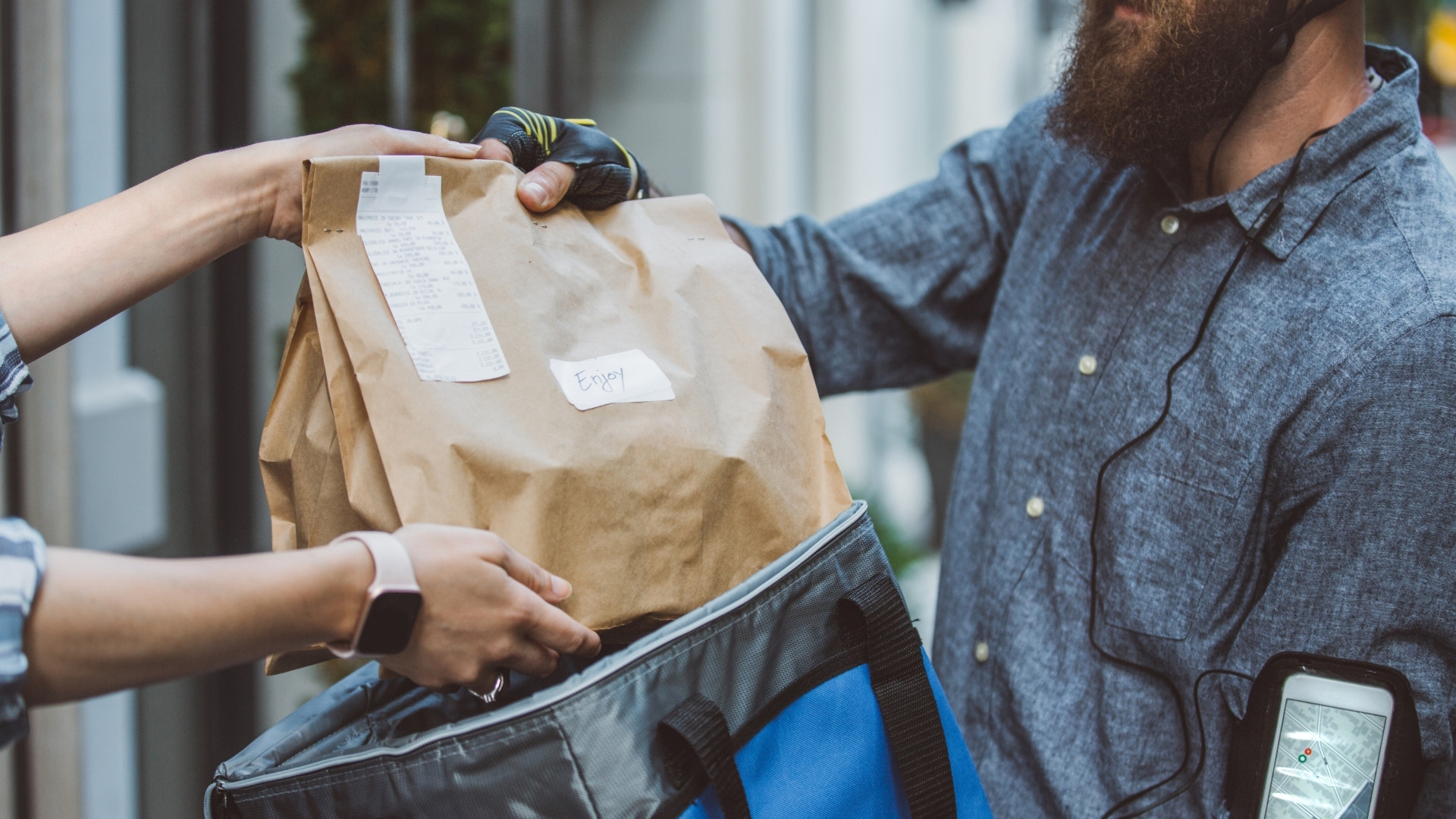
Delivery is a core revenue stream for multi-location restaurants. However, scaling delivery across multiple outlets without losing control requires careful planning. Inefficient delivery operations can lead to delays, inconsistent customer experiences, and rising costs that eat into margins.
Having an in-house delivery team gives you full control over every step of the process. You can:
Partnering with third-party delivery providers doesn’t have to mean high commissions or reduced visibility. Smart integration options allow you to:
By combining in-house teams with strategically selected third-party partners, you can efficiently scale delivery across your franchise network. This ensures orders arrive quickly, consistently, and without cutting into profitability.
Using a centralized system like iOrders allows you to:
By combining in-house teams, third-party integrations, and iOrders’ centralized technology, restaurants can efficiently scale delivery, maintain consistent service, and protect margins across all locations.
Also Read: 15 Strategies to Maximize Restaurant Delivery Sales
But what if you could take it a step further, keeping every order, every interaction, and every dollar entirely under your control? Direct ordering is the secret weapon that turns repeat customers into loyal fans while boosting franchise profitability.
Direct ordering puts your franchise in the driver’s seat. Every transaction, interaction, and customer relationship stays under your control, helping you maximize revenue, strengthen engagement, and make smarter operational decisions.
Direct ordering enables franchises to capture every dollar while building deeper customer connections. With control over operations, pricing, and data, your brand can grow profitably and sustainably across all locations.
Effective multi-franchise management is about maintaining control, consistency, and profitability across all your locations. Relying on third-party apps can erode margins, limit access to customer data, and weaken brand control.
iOrders helps restaurants centralize orders, retain revenue, and control customer data. With commission-free ordering, white-label apps, delivery-as-a-service, loyalty programs, and AI review management, you can streamline operations, maintain brand consistency, and improve customer engagement across all outlets.
Take charge of your multi-franchise operations. Book a demo with iOrders today to maximize revenue and build stronger, long-lasting customer connections.
.webp)
1. How long does it take to implement a multi-franchise management system?
Implementation depends on the number of locations and required integrations, such as POS and delivery systems. A basic rollout can take a few weeks, while full optimization, including staff training and process alignment, takes additional time. A phased rollout helps minimize disruption and ensures smoother adoption across locations.
2. Can small restaurant chains benefit from multi-franchise management systems?
Yes, smaller chains often see faster impact because they can standardize early. Instead of fixing inconsistencies later, they build structured workflows from the start. This makes expansion smoother, reduces operational errors, and helps maintain brand consistency as new locations are added.
3. How do you handle menu variations across different franchise locations?
Menu control works best with a centralized system that allows selective customization. Core items and pricing remain consistent, while location-specific items can be added based on demand or availability. This ensures brand uniformity while still adapting to regional preferences without operational confusion.
4. What skills are essential for managing multiple restaurant locations?
Beyond basic operations, managers need strong data interpretation and decision-making skills. They must identify performance gaps across locations, coordinate teams remotely, and enforce standardized processes. Clear communication and the ability to act quickly on insights are critical at scale.
5. How can franchises maintain quality control across all locations?
Quality control requires a mix of structured processes and continuous monitoring. Regular audits, standardized checklists, and real-time performance tracking help identify issues early. Consistent staff training and feedback loops ensure that service and product quality remain aligned across all outlets.