December 18, 2025
A guest visits your shop after hearing about your signature smash burger. Later, they look you up online to order takeout for the weekend. In that moment, your brand is either a powerful asset that drives a direct sale or a weak link that sends them back to a high-commission third-party marketplace.
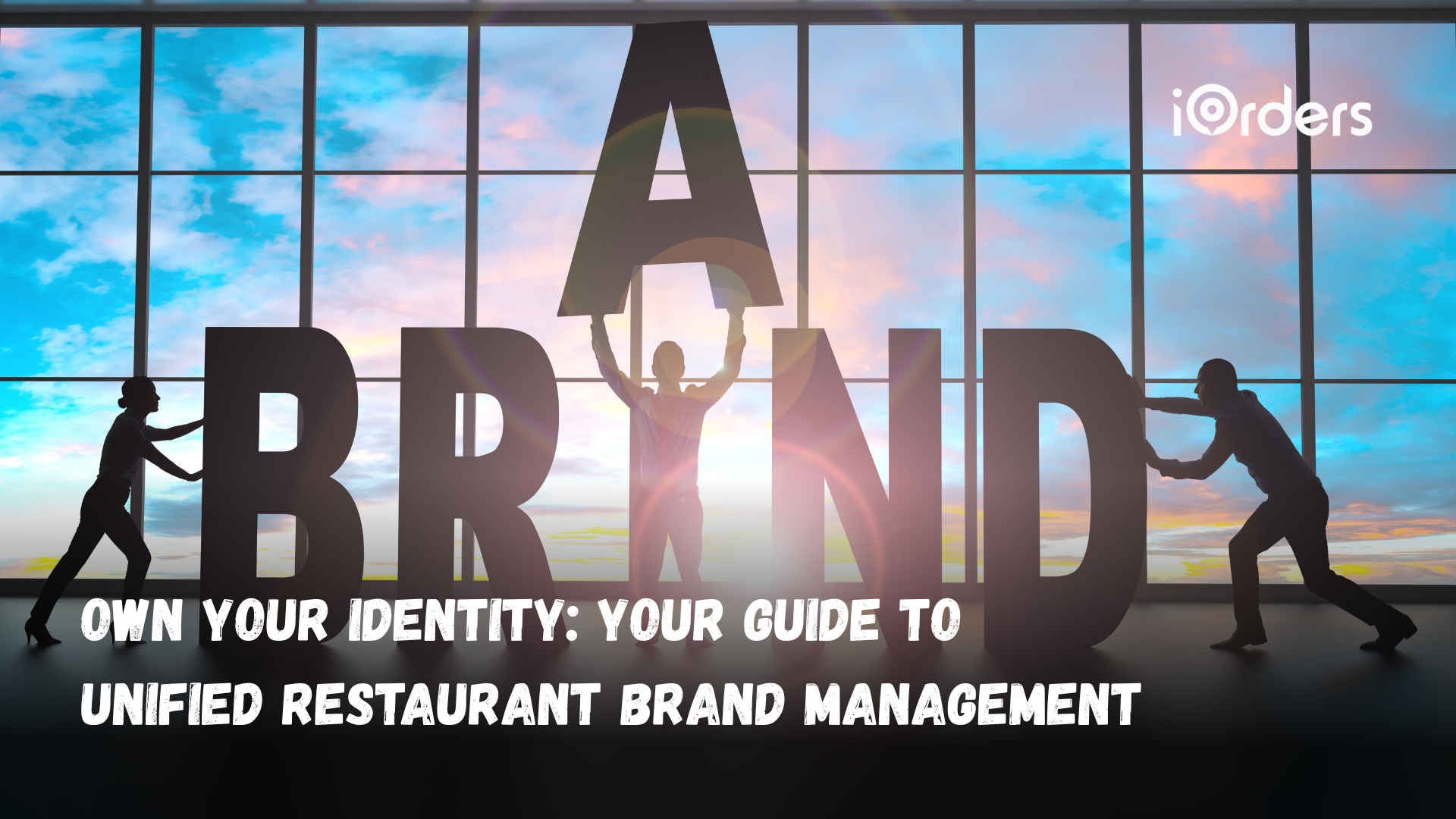
Every touchpoint, from the photos they see on Google to the ease of your mobile checkout, defines how guests perceive your value. Restaurant brand management is the process of connecting these touchpoints so guests recognize your voice, trust your quality, and most importantly, stay within your ecosystem. It requires more than just a logo; it demands clear messaging, accurate menus, and a branded ordering flow that keeps your identity front and center.
This guide explores how to build a stronger restaurant brand that builds recognition, retains guests, and delivers a unified experience across every digital and physical channel.

Restaurant brand management covers the steps you take to guide how guests view your name, food, and service. It is the silent promise of quality you make to a guest, shaping their first impression, their experience during the ordering process, and the likelihood of them returning.
An effective brand ensures that whether a guest is sitting in your dining room or scrolling through your mobile app, they receive the exact same level of professionalism and reliability. To achieve this, you must manage several key elements that dictate guest judgment:
Once you understand what shapes your brand, the next step is identifying what makes your restaurant stand out in the minds of your guests.
Also, check our blog, What is Food Marketing? 5 Examples to Boost Your Restaurant.
Your distinct position helps guests understand why your restaurant is the right choice for them. It clarifies what you stand for and how your food and service differ from others in your area. The goal is to define the qualities that make your restaurant memorable.
Before listing the key factors, keep in mind that a clear position guides your menu decisions, communication style, and guest experience.
Important areas to review include:
After defining what sets your restaurant apart, the next step is turning that distinction into a recognizable and consistent brand identity.
Recommended: Proven Food & Beverage Loyalty Programs to Boost Retention

A clear brand identity helps guests recognize your restaurant across every channel. It shapes the way you present your food, your message, and your values. Before listing the core parts of your identity, remember that each part should feel connected and easy for guests to recall.
Key elements include:
A strong brand identity only works if it’s reflected everywhere guests interact with your restaurant, including every ordering channel.
Also Read: 7 Types Of Restaurant Digitalization To Boost Efficiency
Guests notice when your dine-in experience matches what they see online. The same name, colors, menu layout, and pricing should carry through every ordering method. When these elements stay aligned, guests feel confident that they’ll receive the food and service they expect.
Common gaps restaurants often face include:
These inconsistencies usually stem from managing multiple third-party tablets. iOrders solves this by creating a single 'source of truth', one update on your dashboard pushes the correct brand experience everywhere.
A strong digital footprint helps guests find you quickly and place orders without confusion. Every online touchpoint should give clear information, look consistent, and lead guests to your direct channels.
Key areas to focus on:
iOrders can support this setup through commission-free online ordering, QR ordering, and a white-label mobile app. These tools give guests a direct path to your restaurant while keeping your branding intact across all channels.

Your brand isn’t limited to visuals alone. Guests feel it in every step of their experience, and multiple aspects contribute to how your restaurant is remembered.
Key touchpoints to shape with intention:
iOrders supports this through loyalty and rewards programs and smart campaigns. Both help restaurants maintain consistent messaging, send timely reminders, and encourage repeat visits without disrupting the restaurant’s established voice.
A strong brand stays consistent, but it also adapts based on what guests show you through their behavior.
Key areas to review:
These insights guide adjustments to your messaging, menus, and ordering experience. You can implement iOrders to get detailed analytics, first-hand data, and reporting tools that show trends across your website, app, and QR ordering. This helps you make clear decisions backed by real guest behavior instead of guesswork.
Even well-run restaurants weaken their brand without realizing it. These are some pitfalls that can quietly erode guest trust:
Tools like direct online ordering, QR-powered menus, and unified review dashboards help prevent these issues. They keep information updated everywhere, allow you to own guest relationships, and ensure you respond quickly to feedback—strengthening your brand at every touchpoint.
Read: 10 Best Online Ordering Conversion Strategies For Restaurants
Every touchpoint, right from the first bite in your restaurant to the online ordering experience, shapes how guests remember your brand. Strong restaurant brand management ensures these moments work together, building trust, loyalty, and repeat visits.
Consistent menus, clear communication, and a seamless ordering flow reinforce the experience your guests expect. Tools like iOrders make it easier to keep every interaction aligned, with commission-free online ordering, QR menus, loyalty programs, and review management all in one platform. Restaurants can maintain control, strengthen guest relationships, and present a unified brand across every channel.
Book a demo today to see how iOrders can streamline your brand management.
1. How often should a restaurant review its brand strategy?
Restaurants should evaluate their brand at least twice a year, or after major menu changes, location updates, or shifts in guest behavior. Frequent assessment helps identify gaps and opportunities before they affect guest perception.
2. Can a small or single-location restaurant effectively manage its brand?
Yes. Even small restaurants benefit from defined brand elements and consistent online and offline experiences. Clear visuals, messaging, and menu presentation create a professional image that builds trust with new and returning guests.
3. How can I measure if my branding efforts are successful?
Look beyond orders and revenue. Track metrics like guest recognition, social media engagement, referral frequency, repeat visits, and direct guest feedback. Together, these show how well your brand resonates.
4. Should branding differ for dine-in versus delivery guests?
The core brand should remain consistent, but some messaging can be tailored. For example, packaging or digital prompts for delivery can highlight convenience while maintaining your tone, colors, and logo.
5. How can technology simplify brand management for restaurants?
Tools that centralize menus, ordering, loyalty programs, and guest feedback reduce errors and maintain consistency. They also give access to actionable insights, helping restaurants make decisions without relying solely on guesswork.