Book a free demo
Oops! Something went wrong while submitting the form.
March 25, 2026
The lunch rush hits, and your kitchen is flooded with handwritten tickets while the front-of-house repeats orders over the phone. One missed note, one double-charged item, and the rhythm of your service falters.
Interactive restaurant technology steps into this moment, letting guests place their orders directly from their table or phone, so the kitchen sees exactly what’s needed without interruptions. It helps your staff move with clarity instead of catching up, and your guests leave satisfied instead of frustrated. What feels like a small change can quietly shift the pace of your day, keeping both your team and your diners on track.
In this blog, we’ll look at how various tools play out on the floor, the trends shaping guest experiences, and what restaurants can do to stay ahead.
Interactive restaurant technology includes the tools and systems that let guests place, customize, and pay for orders directly, while keeping your team informed in real time. It can be as simple as a QR menu on a table or as advanced as touch-screen kiosks and tableside tablets.
The goal is to capture orders accurately, reduce back-and-forth, and make service smoother for both staff and guests. These systems become part of the restaurant’s daily rhythm, quietly supporting operations while enhancing the dining experience.
Every shift includes small moments that slow service down, servers repeating modifications, guests waiting to place orders, or the kitchen double-checking unclear tickets.
Interactive restaurant technology removes many of these friction points by letting guests interact directly with menus, ordering, and payments. Over time, these improvements make daily service smoother for both staff and diners.
With these advantages in mind, many restaurants are now exploring new technologies that expand how guests order, pay, and interact with the dining experience.
Recommended: How to Get Repeat Customers: 10 Strategies to Build Restaurant Loyalty.
Across the industry, restaurants are introducing new tools that change how guests place orders, how kitchens receive tickets, and how teams manage busy shifts. Some are already common on dining room floors, while others are beginning to shape how restaurants present menus, suggest items, and handle payments.
The trends below highlight the technologies gaining traction in restaurants and how they are beginning to influence ordering, service flow, and guest interaction.
Scanning a QR code at the table or ordering through a phone has become second nature for diners. Guests can browse your menu, select modifications, and send orders directly to the kitchen without waiting in line or repeating instructions.
For the kitchen, every ticket arrives accurately, with all modifiers clearly noted, so meals go out faster and with fewer mistakes. Tools like iOrders’ QR ordering system let you set this up under your own brand, so diners order directly from you while staff focus on serving.
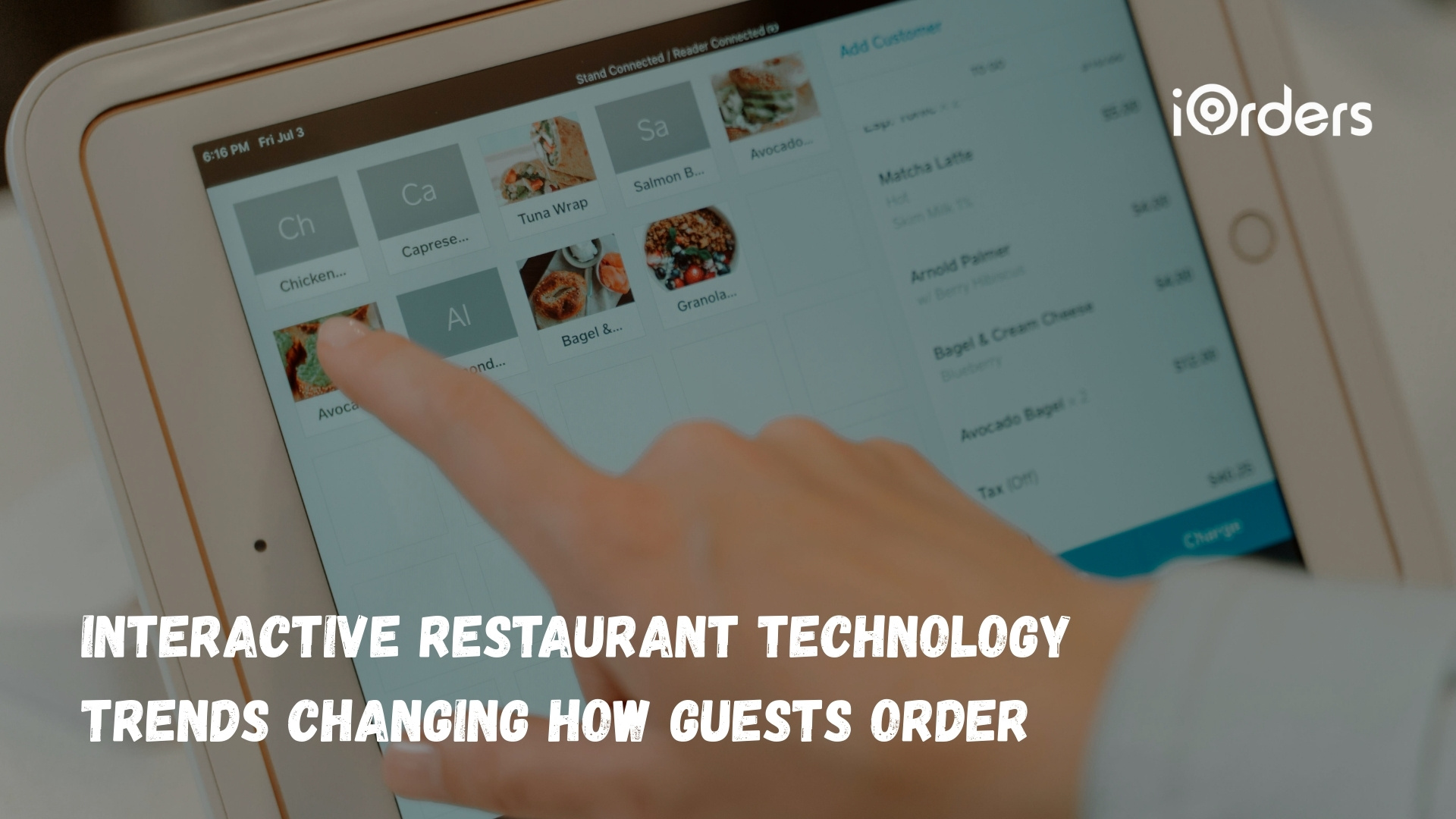
Tableside tablets or kiosks let guests place and pay for their meals without leaving their seats. This shifts some of the ordering work away from staff while keeping service under control.
During peak hours, these systems prevent bottlenecks and help maintain a smooth rhythm across the floor.
AR menus let guests see 3D previews of dishes before ordering, helping them make confident choices. This is particularly useful for new items, seasonal specials, or combo offers.
For the team, fewer confused guests mean fewer corrections mid-shift, keeping service flowing steadily.
AI can suggest add-ons or upsells based on a guest’s past orders or preferences, subtly increasing average ticket size without adding work for staff.
These systems quietly guide ordering choices while keeping the floor focused on execution.
Fast, touch-free payments reduce bottlenecks at checkout and minimize errors from cash handling or miskeyed card transactions.
Guests leave satisfied, and your team can turn tables more efficiently without sacrificing service quality.
Delivery technology ensures orders leave the kitchen correctly and reach the right address efficiently. Whether using in-house drivers or third-party logistics, integrated systems coordinate timing and route optimization.
By connecting orders directly to drivers and tracking in real time, restaurants can maintain reliability without overloading staff. As these technologies gain traction across restaurants, the next question for many owners is where to begin.
Also Read: How to Start a Self-Service Restaurant?
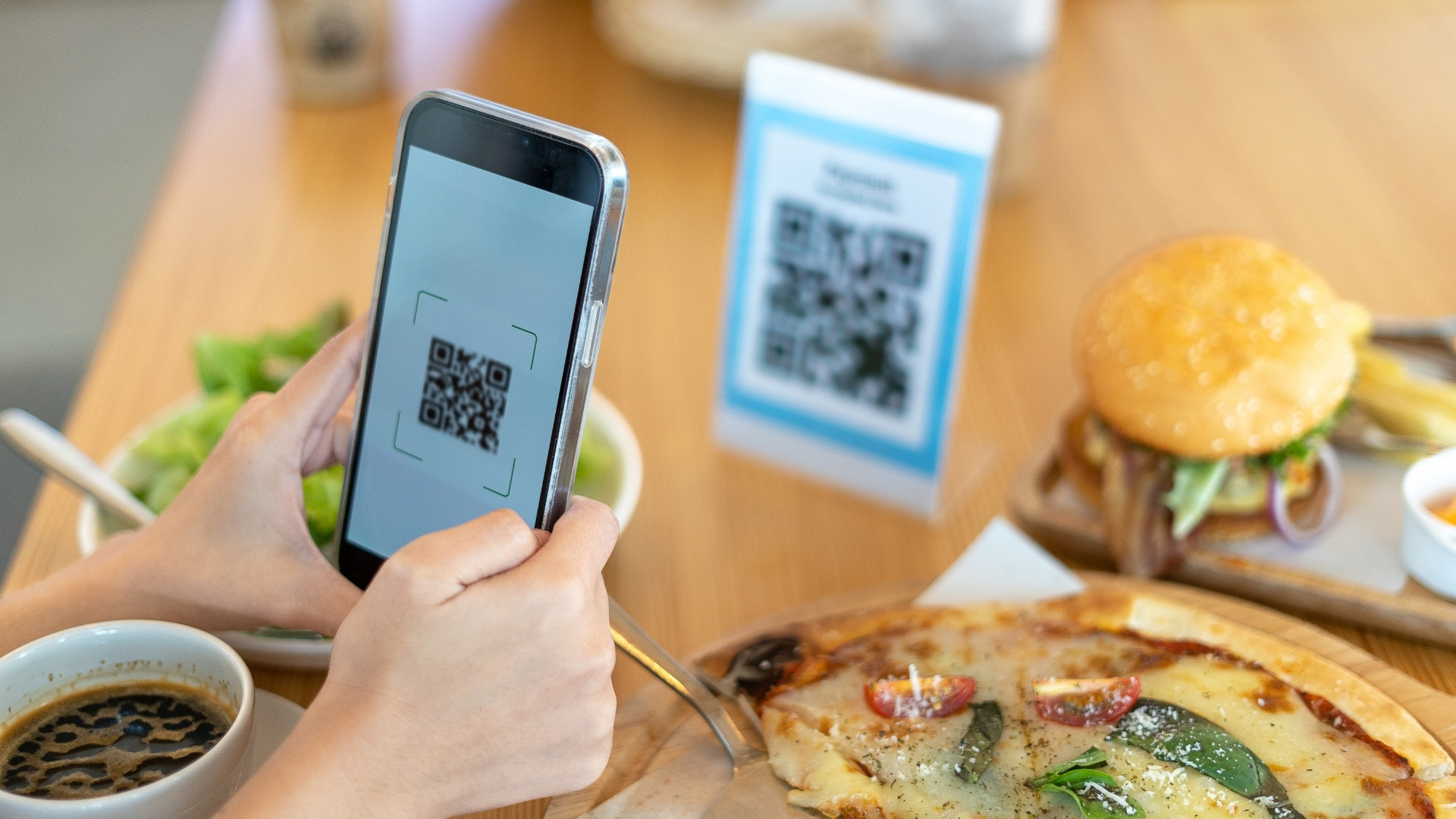
Most restaurants don’t introduce interactive technology all at once. It usually starts with one change that removes a daily bottleneck. Once staff and guests get used to these tools, adding new features becomes far easier.
For many restaurants, QR menus and mobile ordering are the easiest entry point. Guests can scan, customize, and submit orders without staff intervention. Starting here helps your team get comfortable with interactive systems before considering larger upgrades like a full POS overhaul.
When evaluating technology, prioritize solutions that cut down repeated questions, errors, and back-and-forth. Tableside tablets or kiosks can take repetitive tasks off your team’s plate, letting them focus on cooking and guest interaction.
AI recommendations can boost average order values, but it’s best to introduce them gradually. Try running upsell suggestions during slower shifts to measure impact without adding pressure to peak-hour workflows.
Interactive ordering systems collect first-hand data about guest preferences and behaviors. Use this insight to run targeted promotions, loyalty rewards, or personalized offers that keep customers coming back and help your marketing feel informed, not intrusive.
Integrating technology step by step while keeping the focus on daily workflows allows restaurants to make interactive systems a natural part of service without overwhelming staff.
Also Check: 10 Best Online Ordering Conversion Strategies For Restaurants.
Not every technology fits every restaurant the same way. Picking the right tools depends on your service style, staff structure, and guest expectations. Here’s how different solutions can solve specific challenges on the floor:
The right technology should work together as one system rather than a collection of disconnected tools. This is where platforms built specifically for restaurants make a difference.
Interactive technology only works if it reduces staff stress and improves guest experience. iOrders puts control back in your hands, turning every order, whether from a QR code, mobile app, or tablet, into an accurate workflow.
Staff spend less time clarifying orders, the kitchen sees exactly what to cook, and guests get the experience they expect, all under your brand.
How iOrders Supports Your Daily Workflow:
Book a demo to know how you can take control of your restaurant’s orders, reduce mistakes, and give your guests a smoother experience.
Interactive technology can transform how your restaurant operates. Orders reach the kitchen accurately, staff spend less time correcting mistakes, and guests enjoy a smoother experience.
Begin with small steps, like QR menus or mobile ordering, and expand gradually with tablets, AI-driven recommendations, or touchless payments to tackle daily bottlenecks. These tools work alongside your team, reducing stress while giving you insight and control over operations.
iOrders combines QR and mobile menus, AI upsells, and integrated delivery into one system, helping your staff work efficiently and your guests leave satisfied. Connect with the iOrders team to see how these tools can work in your restaurant.
1. Can interactive technology work in small, independent restaurants with limited staff?
Yes. Tools like QR menus, mobile ordering, and tablets scale to any size. They reduce repetitive tasks, prevent order mistakes, and let a small team manage more tables without added stress.
2. How difficult is it to train staff on interactive ordering systems?
Most systems are designed for simplicity. Staff typically learn quickly, as digital menus and tableside tablets mirror standard order-taking steps, reducing errors and saving time.
3. Can these technologies integrate with existing POS systems?
Absolutely. Many interactive solutions, including iOrders, connect directly to your POS, so orders flow automatically to the kitchen, eliminating manual entry and reducing human error.
4. Are interactive technologies worth the investment for delivery-only or ghost kitchens?
Yes. QR/mobile ordering and smart delivery routing keep pickup and delivery workflows organized, improve accuracy, and maintain a branded experience, even without a dine-in floor.
5. How can I use interactive technology to increase customer loyalty?
Systems that capture order history, run AI-driven recommendations, and integrate loyalty programs let you send personalized offers, encourage repeat visits, and turn one-time guests into regulars.
.png)