April 16, 2026
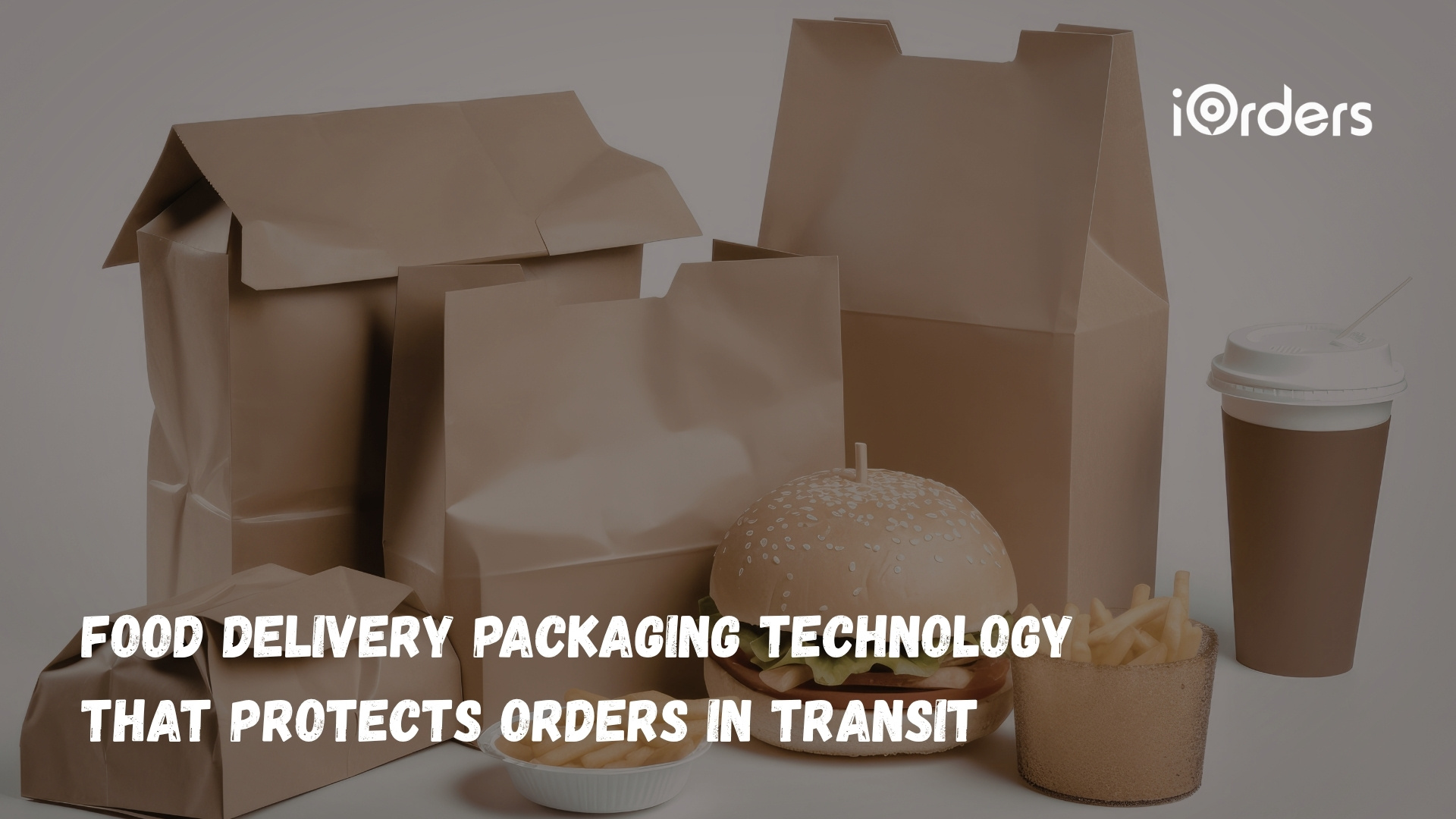
A perfectly cooked order can lose its quality the moment it leaves your kitchen. During a busy shift, fries sit in sealed containers and turn soggy, steam builds up under tight lids, and sauces spill as bags move through delivery.
By the time the order reaches the customer, the issue isn’t the quality of food, but rather the packaging. Food delivery packaging technology plays a critical role in preserving taste, texture, and presentation under real delivery conditions.
In this blog, we’ll break down the technologies that actually protect food in transit and how to choose the right ones for your menu and delivery setup.
Your food leaves the kitchen exactly how you intended, but the moment it’s packed, new variables take over. During a busy shift, your team seals the bag and moves on. There’s no visibility into what happens next, and that’s where quality starts to drop.
The issue isn’t cooking. It’s what happens inside the packaging during transit. Here’s what typically goes wrong:
These breakdowns happen after the food leaves your control. Without the right packaging technology, even a perfectly prepared order won’t reach the customer the way you intended.
Also Check: Top 22 Food Packaging Ideas to Elevate Your Brand.
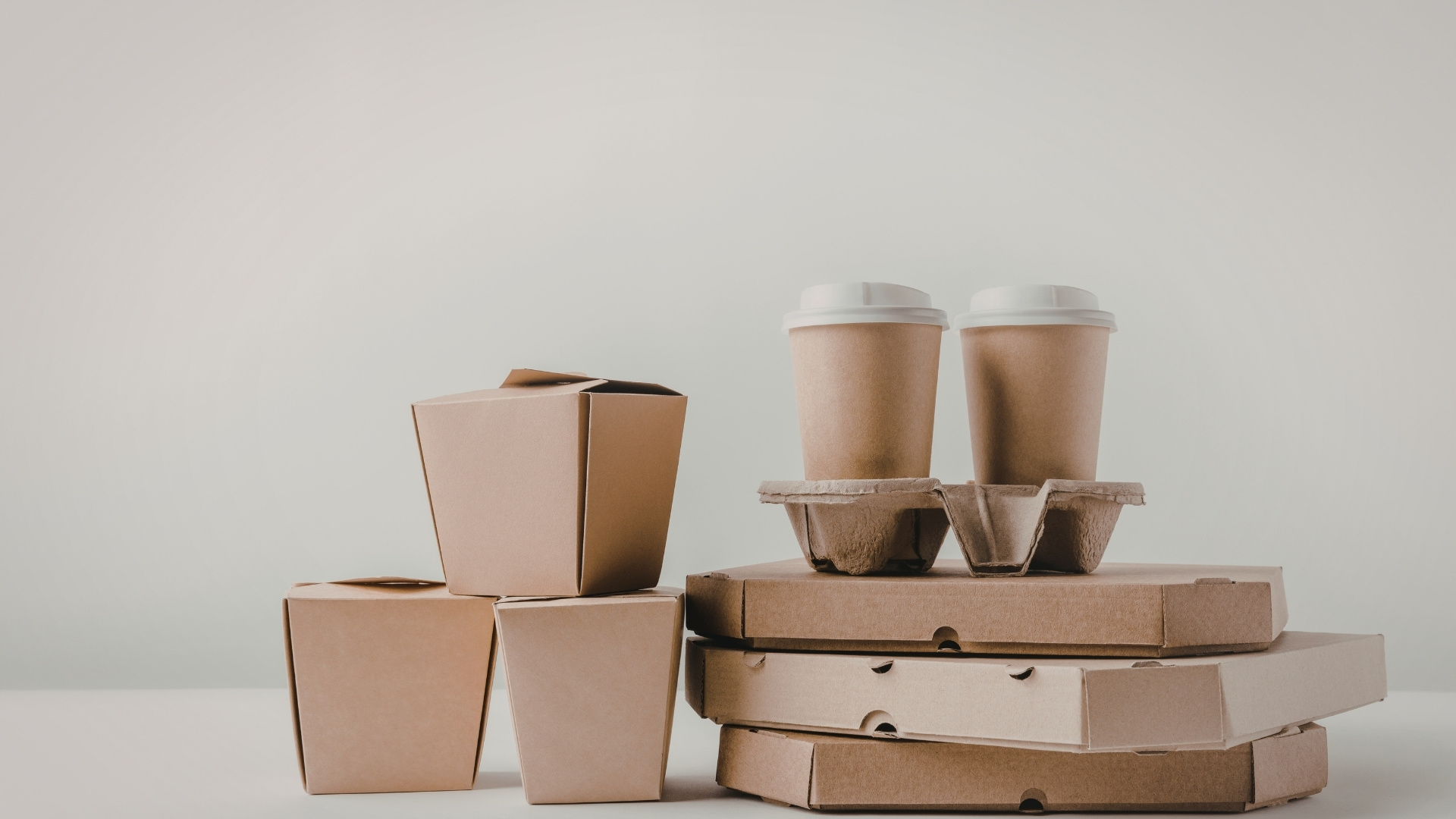
Food delivery packaging technology goes beyond choosing a box or container. It’s a combination of materials, design, and functionality that determines how well your food holds up during delivery.
To understand what actually works, it helps to break it down into four core components:
However, not all of these components have the same impact once the order is packed and dispatched. In practice, a few key packaging technologies are responsible for how well your food holds up during delivery.
Recommended: 15 Strategies to Maximize Restaurant Delivery Sales.
The Restaurant Margin Playbook shows you how to build a direct ordering channel, own your customer relationships, and reclaim the margins delivery platforms are quietly taking.
Download the eBook →.png)
During transit, heat, moisture, and movement work against your food. The right food delivery packaging technology controls these factors and ensures your food arrives as intended. Here are the core technologies that actually make a difference in real delivery conditions:
1. Ventilated Packaging (Steam Control Technology)
Ventilation is critical for items that release steam after packing. Without airflow, trapped steam turns dry, crisp items soft within minutes.
A common issue: You pack a freshly prepared fried item into a tightly sealed container. Within minutes, steam builds up, condenses, and settles back onto the food, ruining the texture before it reaches the customer.
Ventilated packaging solves this by:
Best used for: fried foods, grilled items, baked goods
2. Insulated & Thermal Packaging
Temperature loss during delivery directly impacts food quality. However, retaining heat without managing moisture can make things worse.
Insulated packaging is designed to:
The key is balance. Over-insulation without ventilation can trap moisture, while no insulation leads to cold, unappetizing food.
Best used for: long-distance deliveries, high-value meals, temperature-sensitive dishes
3. Moisture-Resistant & Barrier Materials
Moisture and oil are two of the biggest reasons packaging fails. Standard materials often absorb oil or weaken when exposed to heat and liquids.
Modern barrier materials are designed to:
This is especially important because moisture resistance is now a key performance factor in packaging, as highlighted by industry research.
Best used for: fried items, saucy dishes, high-oil foods
4. Spill-Proof & Locking Lid Designs
During delivery, containers are constantly shifting, tilting, and stacking. A poorly sealed lid can turn a well-prepared order into a messy, unusable one.
Spill-proof designs help by:
One leak can affect the entire order, especially when multiple items are packed together.
Best used for: Curries, gravies, and sauces. It is also suitable for noodles, rice bowls, or layered meals
5. Multi-Compartment Packaging
When different food components are packed together without separation, textures and flavors start to mix during transit.
Multi-compartment packaging:
This also helps your team pack faster during rush hours, as everything has a defined place.
Best used for: combo meals, thalis, platters, and multi-item orders
6. Tamper-Proof Sealing Technology
Food safety becomes a concern the moment the order leaves your premises. Customers want assurance that their food hasn’t been opened or altered during delivery.
Tamper-proof packaging includes:
This doesn’t directly impact taste, but it protects trust and perceived quality, which is just as important in delivery.
7. Sustainable Packaging That Still Performs
Sustainability is no longer optional, especially in North America. However, many eco-friendly options fail under real delivery conditions.
Common challenges:
Modern sustainable packaging is improving by:
The goal is not just to go green, but to perform under pressure. Every delivery order is exposed to heat, moisture, and movement, and the right packaging technology helps you control these factors.

There’s no single packaging setup that works across your entire menu. What protects a burger during a 10-minute drive can completely fail for pasta or beverages on a longer route. Food delivery packaging technology only works when it matches the food type and delivery conditions.
Here’s how packaging needs to change based on what you serve:
Packaging should align with the food’s texture:
Using the wrong packaging type is one of the fastest ways to ruin food quality after dispatch.
Your packaging also needs to adjust based on how far the food travels:
The longer the delivery time, the more stress your packaging needs to handle.
Different restaurant formats face different packaging challenges:
Packaging isn’t a one-time decision. It’s a system that must align with your menu, order mix, and delivery conditions. When it doesn’t, even well-prepared food won’t survive the journey.
Choosing the right packaging isn’t about picking what looks good or costs less. It’s about selecting options that hold up under your actual menu, order volume, and delivery conditions.
Here’s how to make the right call:
Another aspect you need to consider is that even well-matched packaging can fall short if your operations aren’t consistent during peak hours. Because in reality, packaging performance depends on how smoothly your orders move from placement to dispatch.
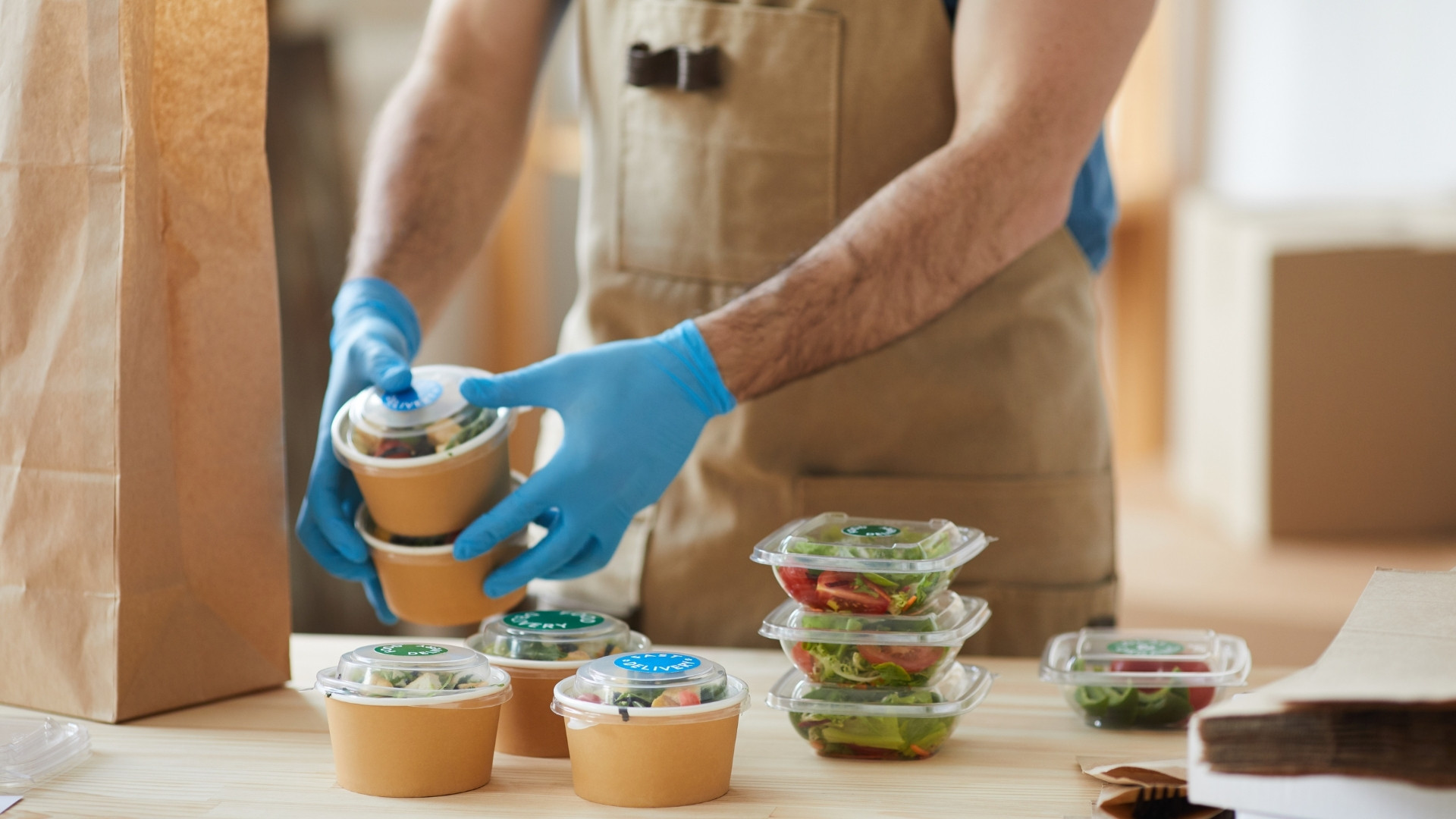
Upgrading your packaging can solve many delivery issues, but it won’t fix everything. Food quality during delivery depends on how well your packaging aligns with your operations.
If your order flow is inconsistent, even the best packaging will fail. If your kitchen is rushing without clear instructions, the wrong containers get used. If delivery timing is unpredictable, food sits too long before dispatch.
To maintain quality, three things need to work together:
Packaging decisions only work when your team has clear, reliable information at every step. That’s difficult to achieve when orders are coming in from multiple sources, each with different formats and missing details. iOrders is built specifically for restaurant operations, helping you bring consistency to how orders are received, prepared, and packed.
With iOrders, your workflow becomes easier to manage and far more predictable:
The result is simple: the right food, packed the right way, delivered exactly as intended. Get a demo now to see how it can help you.
Food delivery packaging technology plays one clear role: it helps your food arrive the way it left your kitchen. But choosing the right packaging is only half the solution. Consistency in orders, packing, and delivery is what actually protects food quality in transit.
When your team has clear instructions and a predictable flow, packaging starts working the way it should.
With iOrders, you bring that clarity into your operations—from how orders are received to how they’re packed and dispatched.
If you’re looking to reduce delivery issues and maintain food quality, it starts with getting your system right. Let's get in touch and discuss how it fits into your restaurant.
.webp)
1. How do you test if your packaging is suitable for delivery?
Run test orders during real operating conditions. Place an order, wait for the typical delivery time, and check for heat loss, leaks, and texture changes. This gives a more accurate picture than supplier claims.
2. How often should restaurants update their packaging setup?
You should review your packaging whenever you update your menu, expand your delivery radius, or notice recurring issues like leaks or sogginess. Packaging should evolve with your operations.
3. What is the biggest mistake restaurants make with delivery packaging?
The most common mistake is choosing packaging based only on cost. Lower-cost options often lead to higher refunds, poor food quality, and inconsistent customer experience.
4. How can packaging reduce delivery complaints?
The right packaging prevents leaks, maintains temperature, and protects texture. This directly reduces issues like damaged presentation, cold food, or mixed items, common reasons for complaints.
5. Does packaging need to change based on delivery partners or methods?
Yes. Orders handled by in-house staff, third-party logistics, or longer delivery routes may face different handling conditions. Your packaging should be tested and adjusted accordingly.