January 13, 2025
More orders should mean more revenue. But for many restaurants, the rise of online food delivery has made that equation far more complicated.
Delivery platforms have helped restaurants reach new customers, expand beyond their physical location, and generate sales around the clock. At the same time, commissions, operational costs, and increased competition have forced operators to take a closer look at what those extra orders are really worth.
As online food delivery continues to grow, with Canada's market projected to surpass US$19 billion by 2029, understanding its impact on restaurant sales has become more important than ever.
In this blog, we'll explore how online food delivery services influence restaurant revenue, profitability, customer behavior, and long-term growth, along with the trends shaping the future of the industry.
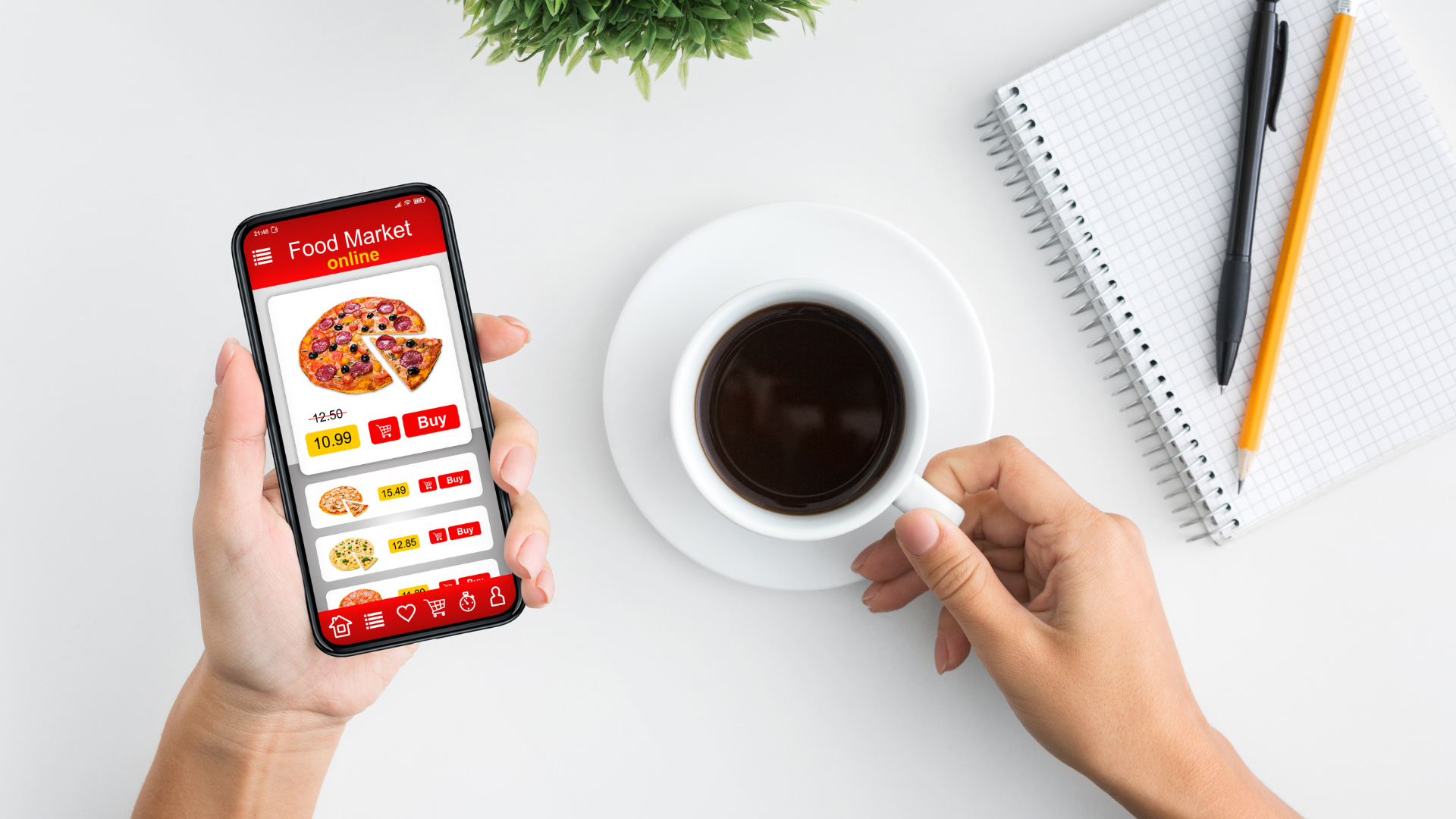
The journey of food delivery apps began with basic telephone ordering systems in the early 2000s, evolving into sophisticated digital platforms by 2010.
Early players like Just-Eat (now Skip The Dishes in Canada) laid the foundation for a revolutionary change in food service.
The COVID-19 pandemic boosted digital adoption, transforming delivery from a convenience to a necessity.
An analysis by Revenue Management Labs demonstrates that a meal costing $11.30 in a restaurant can cost the customer $19.40 through a delivery app.
This shift dramatically impacted restaurant management, requiring new systems for order processing, delivery coordination, and customer service.
Traditional point-of-sale systems proved inadequate for managing multiple delivery platforms, leading to operational inefficiencies and increased costs.
Modern platforms like iOrders now offer comprehensive systems combining online ordering, delivery management, and marketing automation.
These solutions integrate seamlessly with existing restaurant operations using QR code ordering, smart review systems, and AI-powered analytics to streamline management and boost efficiency.
The Restaurant Margin Playbook shows you how to build a direct ordering channel, own your customer relationships, and reclaim the margins delivery platforms are quietly taking.
Download the eBook →.png)
The use of food delivery apps has expanded the reach of the restaurant market, with Canadian restaurants reporting a significant increase in order volume through digital platforms.
Earlier, the restaurants were limited to in-house business and could only access their local area.
But with these food delivery apps, they are now able to tap into new customers, have access to large areas, and extend operating hours without any additional infrastructure costs.
Food delivery platforms in Canada typically charge restaurants commissions ranging from 11% to 30% per order
SkipTheDishes is known to charge restaurants a commission of around 20-30% per order, while other platforms like DoorDash and Uber Eats often charge even higher rates, especially during peak times.
This challenge has led many restaurants to seek commission-free alternatives like iOrders, which allows restaurants to maintain profitability while meeting delivery demand.
Now, let’s understand how consumer behavior has changed in recent years after COVID-19 and how it has helped these restaurants grow multifold.

The widespread adoption of food delivery apps reflects fundamental changes in consumer lifestyles and expectations.
In Canada, digital food ordering has become deeply embedded in daily routines, with consumers citing convenience as their primary motivation.
Consumer psychology even influences ordering patterns and frequency.
Moreover, weather conditions, work-related stress, and entertainment choices (like movie nights) directly impact food delivery decisions.
Modern food delivery apps use these behavioral insights to help restaurants implement smart marketing campaigns and loyalty programs that resonate with customer preferences and psychological triggers.
With the change in consumer behavior, it has become inevitable for restaurants and service providers to make further advancements in food delivery service apps that can lead to profitability for restaurants and ease of access for customers.
The food delivery industry continues to advance due to introduction of AI and technological advancements.
Commission-free platforms and these technologies make restaurants more efficient, sustainable, and profitable food delivery operations.
Growing sales is important. Keeping more of those sales is what truly drives long-term success.
While third-party delivery apps can help restaurants reach new customers, high commission fees and limited access to customer data often make it difficult to turn increased order volume into sustainable profits. That's where iOrders comes in.
With iOrders, restaurants can build a stronger digital presence while maintaining complete control over their customer relationships, branding, and revenue.
Partnering with technology providers like iOrders helps you grow your business multifold by using their innovative services, such as:
Commission-free solutions like iOrders offer a compelling alternative for Canadian restaurants looking to maintain control over their digital presence while maximizing profitability.
Online food delivery services have fundamentally changed how restaurants attract customers, generate sales, and compete in an increasingly digital market. While delivery platforms offer greater visibility and convenience, managing commissions, customer relationships, and profitability remains a growing challenge for many operators.
The restaurants seeing the strongest long-term results are finding ways to balance digital reach with greater ownership of their customer experience and revenue streams.
If you're looking to grow online sales without sacrificing margins, iOrders can help. From commission-free ordering and loyalty programs to smart marketing tools and AI-powered customer engagement, iOrders gives you the technology to build a more profitable and sustainable delivery business.
Book a free demo today and discover how iOrders can help you take control of your online ordering strategy.
.webp)
1. How do food delivery apps affect customer loyalty to restaurants?
Food delivery apps often create loyalty to the platform rather than the restaurant itself. Restaurants that build direct ordering channels can strengthen customer relationships and encourage repeat business through personalized experiences and rewards.
2. What types of restaurants benefit the most from food delivery apps?
Quick-service restaurants, pizza shops, casual dining establishments, ghost kitchens, and restaurants with high-demand takeout menus typically see the greatest benefits from food delivery services due to their operational suitability for off-premise dining.
3. How can restaurants reduce their dependence on third-party delivery apps?
Restaurants can gradually shift customers toward direct ordering through branded websites, mobile apps, QR code ordering, loyalty programs, email marketing, and exclusive offers available only through their own channels.
4. What role does customer data play in modern food delivery?
Customer data helps restaurants understand purchasing habits, identify popular menu items, create targeted promotions, improve retention rates, and make more informed business decisions that drive long-term growth.
5. How can restaurants measure the success of their food delivery strategy?
Restaurants should track metrics such as average order value, customer acquisition cost, repeat order rate, delivery costs, profit per order, customer satisfaction scores, and the percentage of direct versus third-party orders.