Custom Loyalty Cards and Punch Cards for Small Businesses

December 2, 2025

Table of contents

Loyalty cards for small businesses, when well designed, can become one of the strongest growth engines for a brand. Recent data shows that 90% of loyalty programs deliver positive ROI, and top performers generate returns up to 4.8x higher than their cost. 

As customer expectations rise and brands compete for repeat business, companies need loyalty strategies that feel valuable, intuitive, and genuinely rewarding. This guide breaks down what makes a program effective, the features that matter, and how brands can build loyalty systems that drive sustained revenue.

Quick Summary

  • Loyalty cards for small businesses strengthen retention, which is cheaper and more profitable than constantly acquiring new customers.
  • Customer behavior becomes more predictable when rewards are well structured, turning occasional buyers into steady repeat visitors.
  • Data collection is the real driver of growth, giving SMBs insight into visit habits, spending patterns, and opportunities for targeted outreach.
  • Reward design and branding directly influence program success, from simple punch cards to fully customizable digital systems.
  • Digital loyalty tools now give small restaurants and retailers the same capabilities as large chains, making it easier to automate rewards, grow subscriber lists, and lift revenue with minimal effort.

How Loyalty Cards Improve Customer Retention and Repeat Visits

A 5% increase in retention can boost profits by 25–95%, underscoring the value of repeat customers to small businesses. Loyalty cards help strengthen this advantage by giving customers a simple, consistent reason to return and maintain steady spending.

How punch-card style incentives shape behavior:

  • Customers time their visits to complete stamps or points.
  • They return to the same business instead of trying nearby alternatives.
  • They increase the basket size to reach the next reward.
  • They stay engaged because progress toward rewards feels tangible.

As businesses choose how to structure these programs, the next decision is the format itself.

Also Check: Top 10 Latest Trends in Restaurant Technology for 2025-26 You Need to Know.

Physical Punch Cards vs. Digital Loyalty Cards: Which Works Better?

Both formats work well for small businesses, but they influence customer behavior in different ways. The right choice depends on your foot traffic, order volume, and how much customer data you want to capture.

Feature Physical Punch Cards Digital Loyalty Programs
Ease of Use Simple for any customer to follow Quick, once customers sign up
Cost Low upfront printing cost Low monthly software cost, no printing
Customer Data None collected Emails, phone numbers, and visit history
Tracking & Automation Manual stamping only Automatic points, check-ins, and reminders
Risk of Loss High. Cards often get misplaced No risk of loss or damage
Insights No visibility on frequency or spend Revenue analytics and visit patterns
Best fit for Walk-in cafes, bakeries Restaurants/OSRs, multi-location brands
Customer Appeal Tangible, familiar Strong preference in mobile-first customers

When each option makes sense:

  • Physical cards are suitable for small-format shops, low-ticket daily items, and regular walk-in customers
  • Digital programs are the best option for restaurants/QSRs, businesses running SMS/email campaigns, and operators who want customer data and automation

Once the format is settled, the next question is how much insight the program can produce. 

Recommended: A Complete Guide to Online Reputation Management in 2026.

How Data Collection Gives You an Advantage

Most small businesses rely on walk-in traffic, which makes it difficult to know who their customers are or how often they return. Digital loyalty cards solve this by linking every check-in or reward to a real customer profile, giving owners clear visibility into habits that directly influence revenue.

What you can collect through digital loyalty cards:

  • Email addresses
  • Phone numbers
  • First names for personalized messaging
  • Visit dates and frequency
  • Average spend per visit
  • Preferred items (when connected to POS or online ordering)

This information gives SMBs the same growth tools that larger chains use without requiring complex software.

How small restaurants and retailers use this data in practical ways:

  • Send coupons on slower days to boost traffic
  • Bring back lapsed customers with a gentle reminder or small incentive
  • Promote new menu items or seasonal products to customers who visit often
  • Offer targeted rewards to customers who spend above a certain threshold
  • Identify which rewards create the strongest return visit rate
  • Build segmented lists (e.g., weekly regulars, weekend shoppers, low-frequency buyers)

Now, the next step is choosing a reward format that fits your business model and motivates frequent visits. 

Also Read: 7 Types Of Restaurant Digitalization To Boost Efficiency.
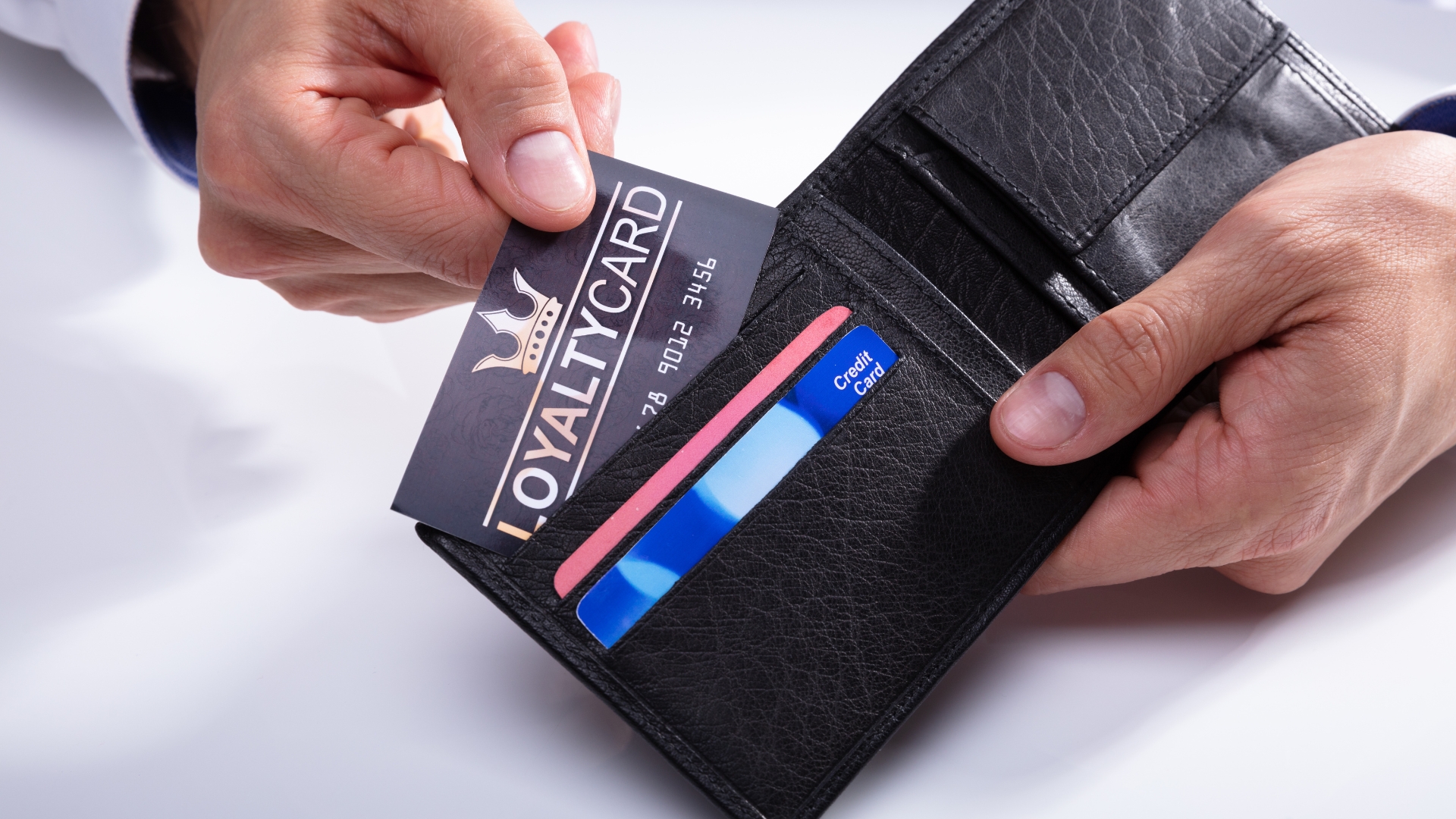
Popular Reward Structures That Work for Small Businesses

Small businesses see strong results when reward structures match how customers already buy. The formats below are easy to run and work well for cafés, salons, retailers, and service-based businesses.

Points-based rewards

  • Customers earn points based on the amount they spend.
  • Helpful for businesses where transaction values vary, such as cafés, small retailers, and specialty shops.
  • Encourages customers to add one more item to reach the next points milestone.

“Buy X, Get 1 Free” punch cards

  • Ideal for routine, repeat purchases (coffee, bagels, bakery items, car washes).
  • Customers clearly understand how many visits are needed to earn a free item.
  • Helps increase visit frequency, especially during morning or evening rush hours.

Tiered rewards

  • Customers progress through levels (e.g., bronze → silver → gold).
  • Each tier offers better rewards, motivating higher monthly spend.
  • Suitable for businesses with strong regular traffic like cafés, salons, and fitness studios.

Digital stamp cards

  • Digital version of classic punch cards with automated stamps.
  • Eliminates lost cards and reduces stamp fraud.
  • Works well for restaurants and QSRs that want to track visit frequency without extra manual steps.

Referral bonuses

  • Existing customers receive a reward when they refer a new customer.
  • Generates warm leads who are more likely to return after their first visit.
  • Useful for salons, clinics, dessert shops, and independent retailers.

Birthday rewards

  • A simple incentive sent during the customer’s birthday month.
  • Creates a feel-good moment and encourages an additional visit.
  • Often paired with small freebies or limited-time discounts.

Best reward structures for restaurants and QSRs:

  • “Buy X, get 1 free” stamp cards
  • Points based on spend
  • Digital stamps
  • Birthday coupons

To bring your loyalty programs to life, we suggest you explore iOrders. Easily create and share customized rewards, tailor programs to individual customers, and incentivize referrals, all from one platform. Combine loyalty, smart campaigns, and actionable data to keep guests returning and turn them into brand ambassadors.

Recommended: Top 12 Digital Marketing Benefits to Grow Your Restaurant.

Now that the reward format is set, it’s time to look at how to create branding that keeps your business top-of-mind whenever customers reach for their wallets or phones.

Brand Identity Tips for More Effective Loyalty Cards

Strong branding helps your loyalty card act as a daily reminder of your business. Clear design, consistent visuals, and recognizable elements make customers more likely to keep the card, use it often, and remember your store when choosing where to buy.

For physical cards:

  • Use clean visuals and simple reward rules that the customer can understand at a glance.
  • Add your logo, contact details, and social handles for quick recall.
  • Choose sturdy cardstock so the card holds up in wallets, pockets, and bags.

For digital loyalty programs:

  • Match the app or digital card with your brand colors, icons, and typography.
  • Use branded reward screens to keep the experience consistent with your store.
  • Maintain the same design across all locations to reinforce recognition for multi-unit businesses.

Strong branding is a necessity, but the real impact comes from turning loyalty cards into tools that drive growth, track customer behavior, and simplify daily operations.

Also, read our blog: How to Attract New Customers to Your Small Business.
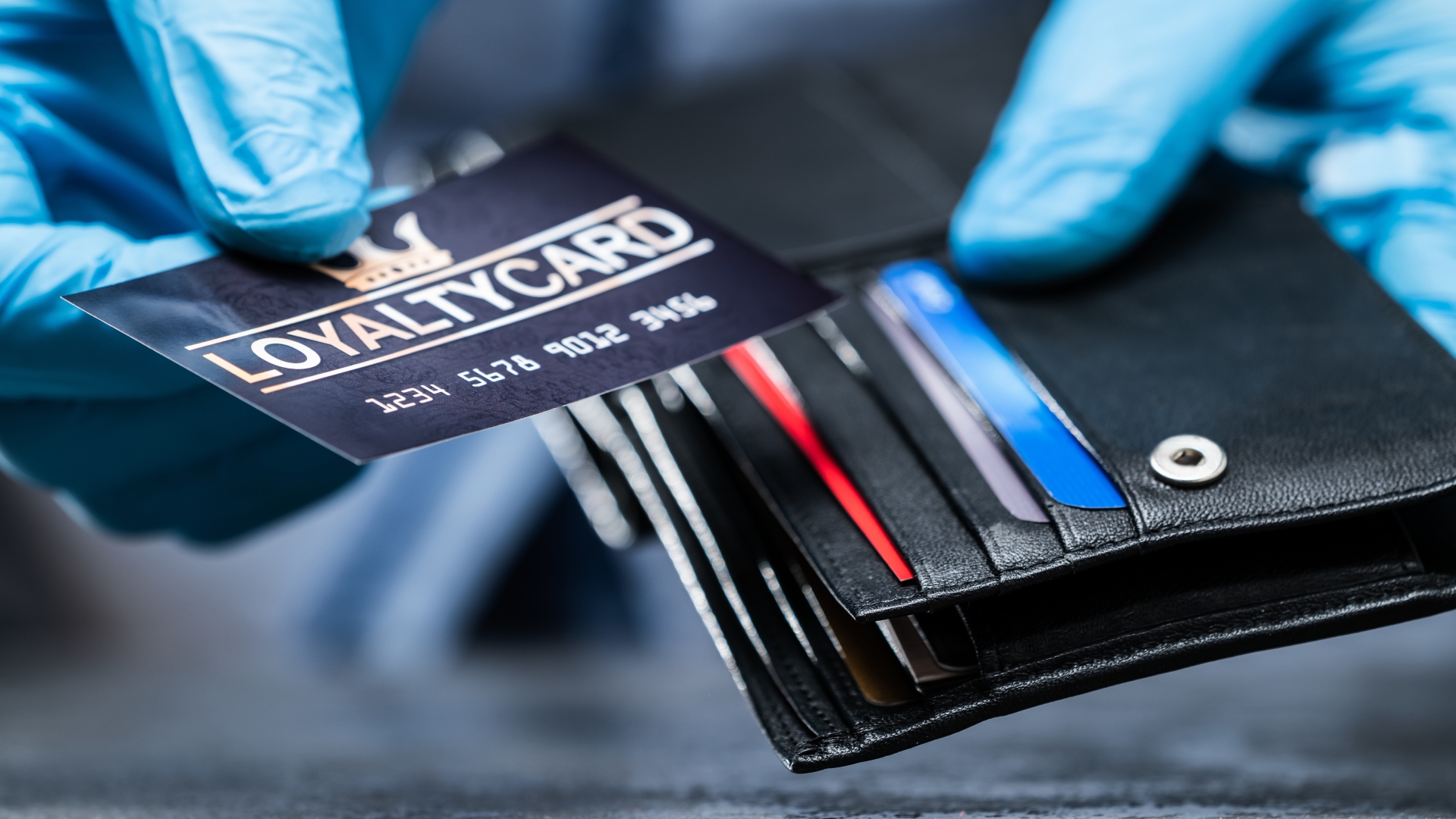
How Loyalty Cards Support Growth and Efficiency

Loyalty programs not only encourage repeat visits but also help small businesses grow locally, capture customer data, and reduce operational costs.

  • Rewards spark conversation: Customers naturally talk about places where they earn perks or free items, creating word-of-mouth marketing.
  • Physical cards are shareable: Punch cards can be shown or handed to friends, making referrals simple and tangible.
  • Digital referrals expand reach: Online or app-based referral links let customers invite others and earn bonus rewards.
  • Capture customer contacts: Digital loyalty programs automatically collect emails and phone numbers for direct promotions.
  • Boost repeat visits and revenue: Structured rewards increase purchase frequency, encourage upsells, and stabilize monthly revenue.
  • Lower costs with digital systems: Eliminates printing expenses, prevents lost or damaged cards, and automates fraud protection.
  • Faster tracking and redemption: Staff can monitor points and rewards quickly, improving customer experience.
  • Simple setup and management: Easy onboarding, minimal staff training, POS integration, and clear reporting make programs low-maintenance.

To make the most of loyalty programs, restaurants need a solution that combines rewards, customer data, and marketing tools in one place. This is where iOrders comes in.

How iOrders Helps Restaurants Build Effective Loyalty Programs

iOrders is a commission-free online ordering and loyalty platform built specifically for restaurants. Instead of relying on third-party apps that charge high fees and dilute customer relationships, iOrders gives restaurants direct control over their digital ordering, marketing, and retention systems.

Restaurants can launch a digital loyalty program in minutes, fully branded, fully automated, and integrated with their website, QR menu, and mobile app. 

Below are the key features that make iOrders an effective loyalty solution:

  • Commission-Free Digital Loyalty: Earn more from every repeat order. iOrders charges no commissions or marketplace fees, so all loyalty-driven revenue stays with your restaurant.
  • All-In-One Ordering (Website, QR, Mobile App): Loyalty is built into every channel, so customers earn and redeem rewards whether they order online, scan a QR code in-store, or use your branded mobile app.
  • Automatic Customer Data Collection: Every order captures useful behavior insights like order frequency, favorite items, and spend patterns, helping you target customers more effectively.
  • Customizable Reward Structures: Set up point systems, free item rewards, tiered perks, or percentage discounts based on your margins and menu strategy.
  • Built-In Smart Campaigns: Run automated win-back offers, birthday rewards, slow-hour boosts, and exclusive loyalty promotions without manual effort.

Book a demo to see how these features work for your restaurant.

Final Thoughts

Loyalty programs help small businesses and restaurants turn occasional visitors into regular customers by rewarding repeat purchases and capturing useful customer insights. Digital systems simplify tracking, automate rewards, and provide data to create more effective promotions. 

With iOrders, restaurants can launch branded loyalty programs that integrate with website, QR code, and mobile app ordering, while collecting actionable customer information and offering flexible reward structures. This makes running a loyalty program simple, cost-effective, and impactful for growth.

Connect with us today to know how we can help you boost repeat visits and revenue!

FAQs

1. How do loyalty cards help small businesses grow?

They encourage repeat visits by rewarding customers for spending more often. Over time, this increases customer lifetime value and stabilizes revenue.

2. Do digital loyalty cards work better than physical punch cards?

Yes. Digital systems track points automatically, prevent fraud, store customer data, and work across online and in-store ordering, offering far more convenience and insight.

3. What is the best loyalty card system for restaurants?

The best systems integrate directly with ordering channels, collect customer data automatically, and allow flexible reward structures. iOrders provides all three without commissions.

4. How much does it cost to set up a loyalty program?

Costs vary by provider. With iOrders, loyalty features are included in the platform, without any additional fees or commissions.

5. How can restaurants track loyalty points automatically?

A digital loyalty platform like iOrders tracks points in real time across online ordering, mobile apps, and QR menus, without manual input.

Related Blogs

Book a free demo

By providing a telephone number and submitting this form you are consenting to be contacted by SMS text message. Message & data rates may apply. You can reply STOP to opt-out of further messaging. Reply Help for more information
Thank you! Your submission has been received!
Oops! Something went wrong while submitting the form.