April 14, 2026
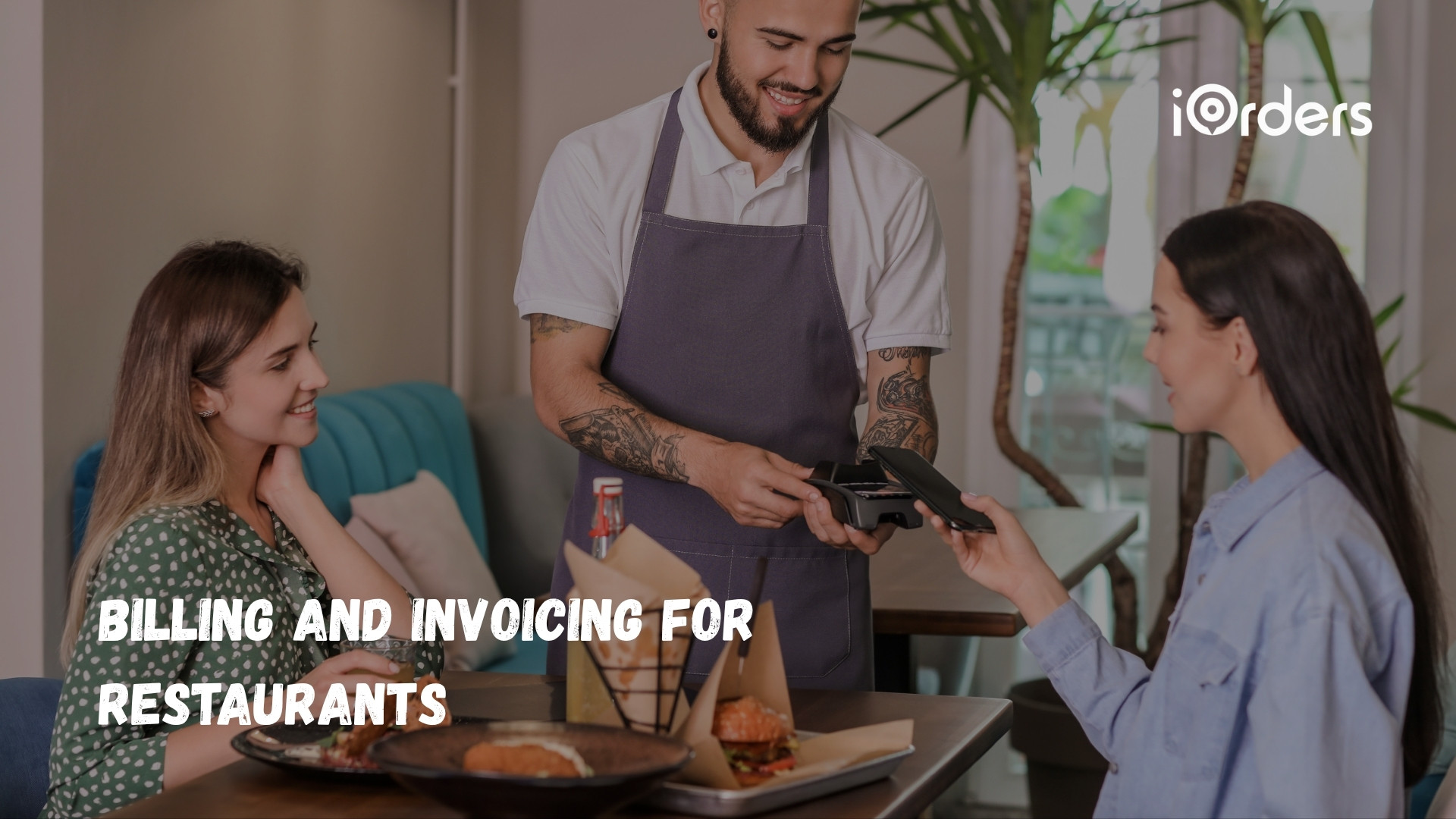
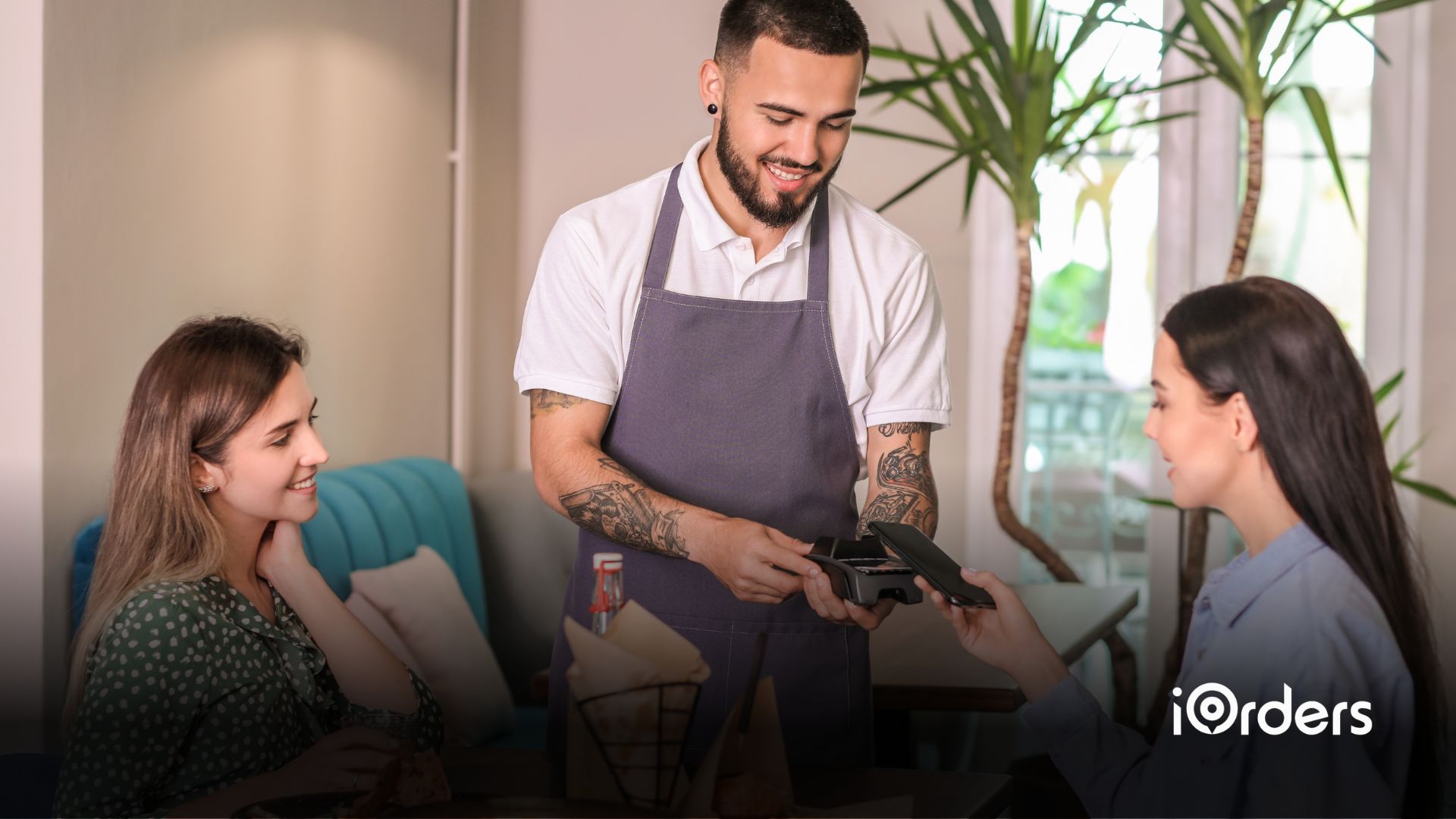
Did you know 43% of restaurant operators cited rising operational costs as their top challenge in 2025? This highlights how even small billing inefficiencies can quietly erode your profits.
Relying on manual processes or third-party ordering platforms can cause order errors, inconsistent invoices, and delayed payments. These challenges make it harder to stay profitable, scale your restaurant, and provide a seamless experience for your customers. Managing billing efficiently is essential to keep your team focused and your revenue on track.
In this blog, you'll learn how billing and invoicing restaurant systems can simplify your operations and reduce errors. You'll also discover how to take full control of your profits and customer relationships.
Restaurant billing and invoicing are more than just printing a receipt. It’s the system you use to record every sale, calculate taxes and fees accurately, and issue bills or invoices for services rendered. This process ensures your restaurant collects the right revenue while keeping customer transactions clear and professional.
Billing usually applies to everyday customer orders, such as dine-in, takeout, or delivery. Invoicing, by contrast, is typically used for special situations such as corporate catering, private events, or post-service charges, where payments are collected later. Both need precision and consistency to avoid errors that can slow your operations or confuse your team.
So what separates basic billing from a system that actually improves your restaurant’s performance? Let’s break down why modern restaurants are shifting to smarter billing systems.
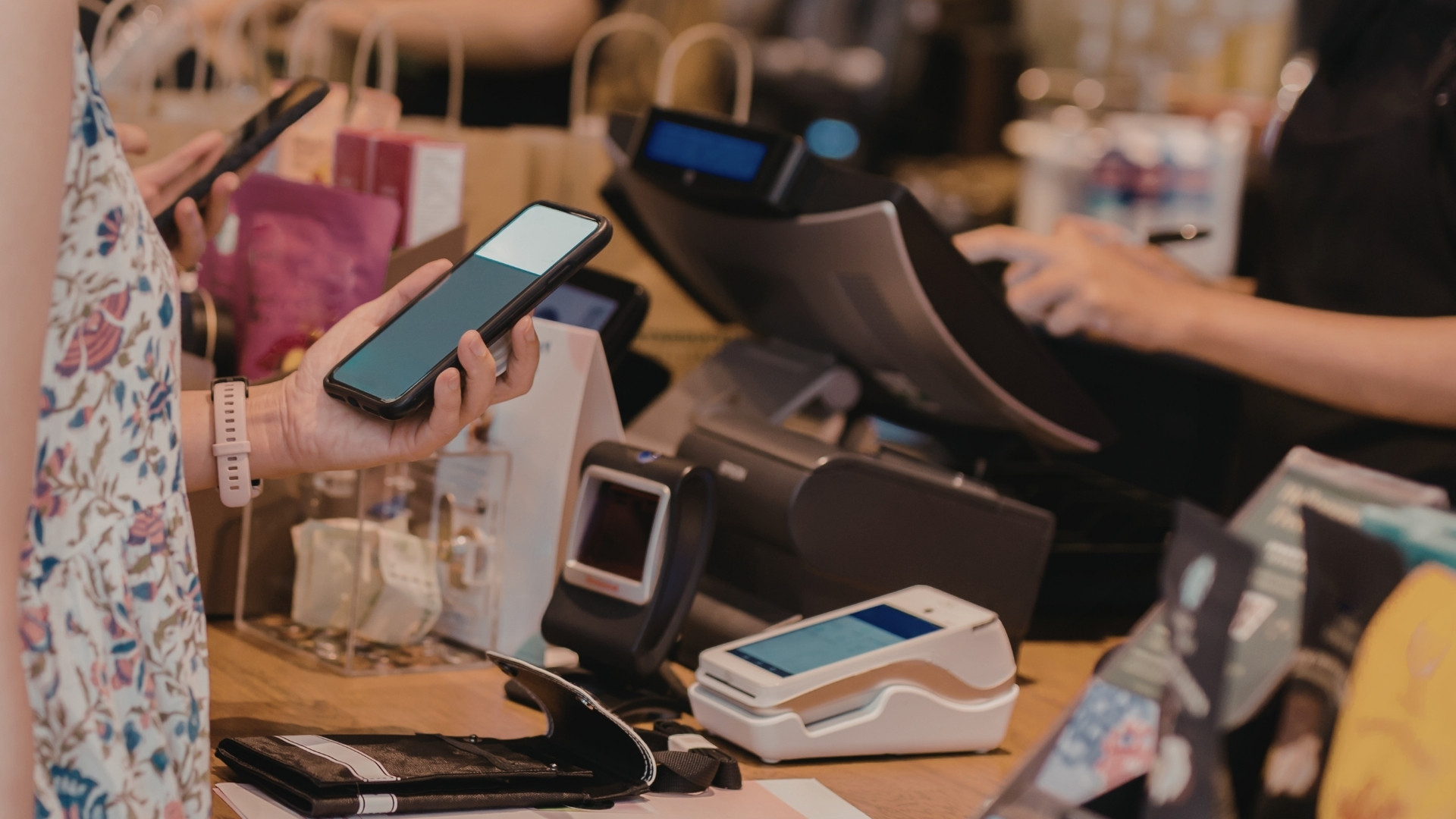
Switching to a smarter billing system changes how your restaurant performs day to day. Instead of dealing with delays, inconsistencies, and revenue gaps, you create a more predictable and efficient operation. Here’s how it improves your outcomes:
Not all billing systems deliver these benefits, so choosing the right features becomes critical for your operations. Let’s explore what features actually make a system effective.
Choosing the right billing and invoicing software directly impacts how efficiently your restaurant operates. It should not just process payments but simplify workflows, reduce errors, and give you better control over your revenue.
To support your daily operations without adding complexity, your system needs the right set of features. Here are the ones you should prioritize:
1. Integrated Order and Billing Management: Your billing system should connect directly with your order flow. Platforms like iOrders ensure that orders move seamlessly into billing without manual entry, reducing errors and saving time during peak hours.
2. Automated Tax and Fee Calculation: Accurate tax handling is essential for compliance and consistency. A reliable system automatically applies the correct taxes and service charges based on order type and location.
3. Real-Time Payment Tracking: You should be able to track payments as they happen. This gives you clear visibility into cash flow and helps you identify issues before they impact your operations.
4. Multi-Channel Payment Support: Your customers expect flexible payment options. The system should support cards, digital wallets, online payments, and contactless methods for a smooth checkout experience.
5. Customizable Invoicing for Large and Delayed Payments: For catering orders or corporate clients, your system should allow you to create clear, detailed invoices with flexible payment terms. This ensures transparency and faster collections.
6. Centralized Order and Delivery Management: Managing dine-in, pickup, and delivery orders from one place reduces confusion for your staff. With platforms like iOrders, you can manage all order types through a single dashboard, improving cross-team coordination.
7. Built-In Customer Engagement Tools: Billing should not be isolated from customer relationships. Features like loyalty programs, targeted campaigns, and feedback tools help you turn transactions into repeat business while maintaining control over your customer data.
When your billing system includes these features, it becomes a core part of your operations. It supports accuracy, improves speed, and helps you make better decisions every day.
Also Read: Understanding The Restaurant Order Management Software
But not every restaurant operates the same way. Let’s look at how billing and invoicing needs vary across different restaurant scenarios.

Billing and invoicing needs can vary depending on how your restaurant operates. What works for a quick-service setup may not fit a full-service restaurant or a ghost kitchen. To run efficiently, your billing system should adapt to your service model, order volume, and payment workflows.
Here’s how billing and invoicing typically differ across common restaurant scenarios:
In dine-in settings, billing needs to be fast and accurate to avoid delays at checkout. Your system should handle split bills, table-wise orders, and quick payment processing. This helps improve table turnover and keeps service smooth during peak hours.
Speed is critical in QSRs. Billing systems must process large volumes of orders quickly and accurately. Integrated order and billing workflows ensure that orders move instantly from the counter to payment, reducing wait times and improving customer experience.
For ghost kitchens, billing is closely tied to online ordering and delivery. A centralized system that manages all incoming orders and payments in one place helps avoid confusion and ensures accurate order processing across channels.
Large or scheduled orders require flexible invoicing. Your system should support detailed invoices, partial payments, and clear payment terms. This ensures transparency and helps you manage larger transactions without delays.
If you operate multiple locations, consistency becomes important. A centralized billing system helps standardize pricing, taxes, and reporting across all outlets while still allowing location-level control.
Many restaurants operate across multiple channels. In this case, your billing system should consolidate all order types into a single dashboard. This reduces operational complexity and ensures accurate tracking of revenue across channels.
When your billing system adapts to your specific setup, it becomes easier to manage operations without adding extra workload for your team.
Also Read: 7 Ways AI Restaurant Technology Boosts F&B Profit in India (2026)
To get the most value from your system, you need to choose a solution that aligns with your workflow, scalability, and customer-experience goals. Let’s look at how to make the right choice.
Choosing the right billing and invoicing solution is not just about features. It is about selecting a system that fits your restaurant’s workflow, minimizes friction, and supports long-term scalability.
To make the right decision, focus on these key selection factors:
Your staff should be able to use the system confidently, even during peak hours.
Your billing system should align with your current tools to maintain efficiency.
Your system should help you retain control over orders and margins.
The solution should adapt to your operational model.
Delivery capabilities should align with your operations.
Your system should support long-term customer relationships.
White label platform like iOrders’s Commission-free online ordering lets you process payments through your own channels while keeping full control of revenue and customer data. Website, QR code ordering, and POS integration ensure orders flow directly into billing, reducing errors and delays. Contact us to learn more!
To get consistent results, you need to follow the right billing practices across your daily operations. Let’s look at what works best.
Having the right system in place is important, but results depend on how consistently you use it. Strong billing practices help you reduce errors, improve cash flow, and maintain a smooth customer experience.
Here are the key practices you should follow:
Without clear protocols, staff may take different approaches, leading to errors, delays, and confusion. Standardizing the workflow ensures everyone knows exactly what to do for each type of order.
Mistakes at the point of billing can quickly turn into lost revenue or dissatisfied customers. Verifying every order before processing payment reduces errors and prevents last-minute corrections that slow down service.
Keeping a real-time eye on payments helps catch discrepancies early and ensures your revenue is accounted for. This practice builds operational control and reduces friction for both staff and management.
Clear and professional invoices help reduce disputes and maintain transparency with customers, especially for corporate or large orders. Consistency in presentation makes billing faster, easier to review, and less error-prone.
Restaurants operating across multiple channels, such as dine-in, online, and delivery, face a high risk of duplication or missed entries. Centralizing coordination keeps operations aligned and ensures every order is accounted for correctly.
Billing data reveals trends, bottlenecks, and opportunities. Using these insights helps your team make smarter operational decisions and continuously improve efficiency.
When you follow these practices consistently, your billing system becomes a reliable part of your operations and supports long-term growth.
Managing multiple systems and third-party platforms can reduce your control over orders, margins, and customer relationships. iOrders brings ordering, billing, delivery, and engagement into one system built to simplify operations and improve control.
To support your operations and growth, here are the key capabilities that make a difference:
When your systems work together, you reduce operational friction and gain better control over revenue, data, and customer experience.
Managing billing and invoicing in a restaurant is no longer just about generating receipts. It directly impacts your accuracy, cash flow, and overall operational efficiency. When your system is structured and consistent, you reduce errors, improve service speed, and maintain better control over your revenue.
If you want to simplify operations while keeping full control of your orders, delivery, and customer relationships, iOrders offers a unified solution. From commission-free ordering to centralized management and customer-engagement tools, it helps you run a more efficient, scalable restaurant.
Request a demo today to see how you can streamline billing, reduce errors, and take full control of your restaurant operations.
1. How does billing accuracy impact customer retention in restaurants?
Billing accuracy builds trust and reduces disputes during checkout. When customers consistently receive correct bills, it improves their overall experience and increases the likelihood of repeat visits and long-term loyalty.
2. Can billing systems help identify high-margin menu items?
Yes, modern systems provide detailed sales insights that highlight top-performing and high-margin items. This helps you refine pricing, optimize your menu, and focus on items that contribute most to profitability.
3. What role does billing play in multi-location restaurant management?
Billing systems help standardize pricing, taxes, and reporting across locations. This ensures consistency while giving you centralized visibility into performance, making it easier to manage multiple outlets efficiently.
4. How can billing systems support better staffing decisions?
Billing data reveals peak hours, order-volume trends, and service speeds. You can use these insights to schedule staff more effectively and avoid overstaffing or understaffing during busy periods.
5. Why is owning customer data important in restaurant billing systems?
Owning customer data allows you to run targeted promotions, build loyalty programs, and improve engagement. It reduces dependency on third-party platforms and helps you create stronger, long-term customer relationships.