Book a free demo
Oops! Something went wrong while submitting the form.
November 3, 2025
Choosing a POS system often feels a bit like shopping for a flight ticket. The advertised price looks reasonable until you start adding baggage fees, seat selection, and all the extras. Before you know it, the final number looks very different from what you expected.
Square POS has earned a reputation for being one of the easiest and most affordable systems to get started with. The promise of free software and simple setup has made it a popular choice among restaurants, cafés, food trucks, and small businesses. But as your business grows, transaction fees, hardware costs, premium plans, and optional add-ons can quietly reshape the true cost of ownership.
Understanding what you're actually paying for isn't just about budgeting. It's about protecting your margins and choosing technology that supports your growth rather than becoming an unexpected expense.
In this blog, we'll break down Square POS pricing in detail, including software plans, hardware costs, payment processing fees, hidden expenses, and the factors that determine what your business will really pay in 2026.
The cost of a point-of-sale (POS) system really depends on how your restaurant operates and the features you need. Some setups are completely free to start with, while others can get pricey depending on how advanced you go.
Here’s a quick comparison to help you see where your money actually goes:
Traditional POS Systems (Server-Based):
These are the old-school setups you often find in legacy restaurants. They’re reliable but come with a heavy price tag.
Cloud-Based POS Systems (Like Square POS):
Modern restaurants prefer cloud-based systems because they’re easier to manage and more affordable.
The Restaurant Margin Playbook shows you how to build a direct ordering channel, own your customer relationships, and reclaim the margins delivery platforms are quietly taking.
Download the eBook →.png)
A Look at Square POS Pricing:
So yes, a POS system can be expensive, but it doesn’t have to be. With cloud-based options like Square POS, restaurants can skip unnecessary hardware costs and still enjoy modern features, real-time data, and seamless integrations.
Also read: What is a POS System for Restaurants? Do You Really Need One?
A point-of-sale (POS) system is made up of three key components: software, hardware, and payment processing. Together, they determine how much you’ll pay overall. Knowing what each part includes can help you plan better and avoid hidden costs down the road.
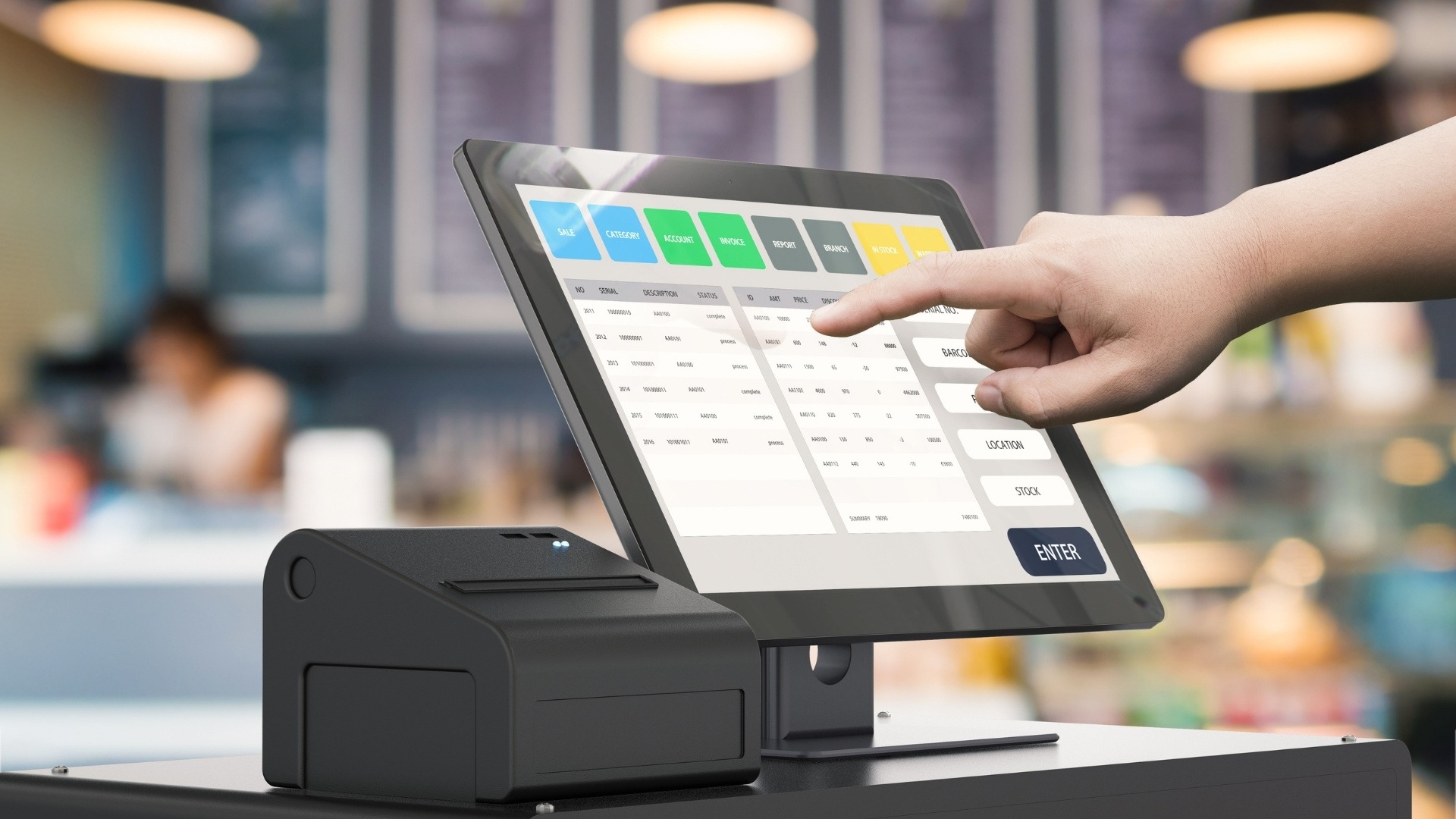
Let’s break it down.
The software is the core of any POS system. It’s what lets you process sales, manage inventory, track customer data, and access reports. Square offers a flexible range of plans, from free tools for startups to advanced versions designed for busy restaurants and retail chains.
One of the most common questions is, “Is Square POS free?”
Yes, Square’s base software is free to use. It’s great for small setups such as pop-ups, food trucks, or cafes that need a simple payment solution.
Here’s what you get with the free plan:
However, since you’re charged processing fees per transaction, costs can rise as sales increase. For larger restaurants or stores with high volumes, a fixed monthly plan may be more cost-effective.
Processing Fees for Square Free Plan:
For restaurants, retailers, and service-based businesses, Square offers advanced plans with extra features, analytics, and integrations.
Designed specifically for dining operations, Square for Restaurants helps manage payments, menus, and online orders in one system.
Key Features:
Pricing:
If you want an all-in-one restaurant management suite, this bundle saves you more by combining six powerful tools:
Pricing: Starts from $153/month
Processing fees:
This plan is ideal for restaurants that want to automate more and simplify multi-location management.
Must read: How to Start and Run a Successful Restaurant in 10 Simple Steps
Square’s Retail POS plan is designed for stores managing multiple product lines and locations. It combines sales, inventory, and customer management in one place.
Key Features:
Pricing:
For service-based businesses such as salons or repair shops, Square Appointments POS offers scheduling, payment, and client management tools in one system.
Key Features:
Pricing:
The true cost of Square POS depends on your business type, sales volume, and how many features you need. Smaller restaurants and pop-ups might start with the free plan, while larger or multi-location operations will benefit more from paid bundles that centralize reporting, marketing, and team management.
While Square’s software is free to use, running your in-person restaurant operations often requires reliable hardware. That’s where Square’s POS devices come in, designed to simplify payments, speed up service, and create a seamless checkout experience.
From compact readers to full countertop setups, Square offers a variety of hardware options depending on your restaurant’s size and workflow. Let’s break down each one and its pricing.
Square Register is Square’s flagship product and the first fully integrated POS system built for immediate use. It doesn’t need any external tablet or app; everything’s included in one powerful device.
Why restaurants love it:
Pricing details:
Square Terminal is perfect for restaurants that want flexibility at the counter or tableside. It’s compact, wireless, and includes built-in POS software, so you can take payments, print receipts, and manage orders all from one device.
Ideal for: quick-service restaurants, food trucks, and pop-up setups.
Pricing details:
Square Stand transforms your iPad into a complete point-of-sale system. It’s sleek, sturdy, and features built-in card readers with LED payment indicators that guide customers through checkout.
Why it’s a smart choice:
Pricing details:
The Square Stand Mount offers the same power as the Square Stand but with added flexibility. It can be mounted on walls, kiosks, or counters, perfect for limited spaces or self-ordering setups.
Why it stands out:
Pricing details:
If you’re just starting out or need something simple for mobile use, the Square Reader is a great pick. It’s lightweight, easy to carry, and connects to your smartphone or tablet for quick transactions.
Options available:
Pricing details:
Square’s hardware lineup is built to suit different business needs, from quick-service counters to full-service restaurants. The best part? You can mix and match these devices as your business scales, keeping operations smooth and professional without breaking your budget.
Beyond software and hardware, payment processing fees are one of the most important, and often overlooked, costs of a POS system. These are the small charges applied every time a customer pays using a credit card, debit card, or digital wallet. While the amount per transaction may seem minor, it can make a big difference to your profit margins over time, especially for high-volume restaurants or retail businesses.
Here’s a look at what these fees typically include:
Based on common industry standards, here’s what you can expect to pay:
These rates can fluctuate depending on:
Some payment processors add costs that aren’t obvious at first glance, such as:
Tip: Always review your contract details; even small add-on fees can quietly erode your profits over time.
To simplify operations, many restaurants and small businesses opt for all-in-one POS systems that include built-in payment processing.
For instance, Square POS offers:
This kind of setup means fewer vendors to manage and a clearer understanding of your overall costs, something especially valuable for new or growing businesses.
Payment processing is more than just a fee; it’s a key part of your pricing and profitability strategy. Choosing a provider that’s upfront about rates helps you forecast costs accurately, set fair prices, and retain more from every sale.
While Square POS is free to start, some optional add-ons can enhance how you run and grow your business. These tools come with separate monthly fees, but they can pay off in smoother operations, happier employees, and loyal customers.

Here’s a quick look at the most popular Square extras:
Create, send, and track professional email marketing campaigns directly from your POS dashboard.
Manage teams easily with time tracking, role-based access, and performance insights ideal for growing businesses.
Automate payroll with built-in tax compliance and timecard syncing for accurate, stress-free pay runs.
Launch your own loyalty program with digital punch cards, custom rewards, and repeat customer incentives.
Sell branded gift cards in-store or online to boost sales and customer engagement.
These add-ons let you scale your POS system as your business grows, paying only for the features you truly need.
When figuring out the true cost of a POS system, the sticker price rarely tells the full story. Beyond software, hardware, and payment fees, your actual investment depends on how your business operates, the features you need, and how fast you plan to grow.
Here are the key pricing factors every business should keep in mind before choosing a POS system:
If you operate multiple stores, you’ll need a POS platform that supports multi-location management.
Your industry and workflow can significantly influence what you’ll pay.
What looks like a low-cost setup can easily add up with extras.
Think long-term, not just about what you need now, but what you’ll need six months or a year from today.
When comparing POS systems, create a cost projection that includes setup, transaction fees, and potential add-ons. The right system should balance affordability with growth, fitting your needs today and tomorrow without any hidden surprises.
Managing a restaurant means keeping a close eye on every expense, and your POS system shouldn’t eat into your profits. Hidden commissions and unpredictable fees from third-party platforms can quickly add up, making it harder to maintain healthy margins. That’s where iOrders helps you take back control.
With iOrders’ commission-free model, you pay a fixed monthly rate instead of a percentage on every order. No inflated delivery costs, no confusing add-ons, just simple, transparent pricing that keeps your revenue where it belongs: in your business.
Here’s how iOrders helps restaurants save more while managing operations efficiently:
Stop losing 15–30% of each sale to third-party apps. With iOrders, you manage takeout and delivery orders directly through your own branded channels, at one predictable monthly fee.
Let customers order straight from your website or by scanning a table QR code. iOrders connects every order directly to your POS, eliminating middlemen and platform charges.
Avoid costly third-party courier integrations. iOrders handles driver coordination and dispatch, ensuring smooth, commission-free delivery every time.
Keep customers coming back with built-in loyalty features. Create points, tiers, and rewards without paying extra for separate software.
Get reliable Canada-based assistance whenever you need it, no extra service charges, no long waits.
By simplifying operations and removing hidden costs, iOrders helps you establish a clear, fixed POS cost from day one. The result? A smarter, more affordable way to run your restaurant and grow your profits sustainably.
In a competitive restaurant landscape, profitability often depends on how well you manage technology costs. Many business owners underestimate how quickly third-party commissions, add-ons, and payment fees can cut into margins, but iOrders makes that challenge simpler.
With commission-free online ordering, custom branding, integrated delivery, and built-in loyalty programs, iOrders empowers restaurants to streamline operations without surprise costs. You pay one transparent monthly fee, no hidden percentages, and no confusing fine print. Plus, their 24/7 Canada-based support ensures that when you need help, it’s always just a call away.
By reducing recurring platform expenses and keeping every transaction under your control, iOrders helps restaurants move from cost-heavy systems to sustainable, scalable growth.
If you’re ready to eliminate hidden POS expenses and take full ownership of your online ordering, iOrders is your ideal partner for 2025 and beyond. Book your free demo today with iOrders
.webp)
1. Is Square POS a good option for high-volume restaurants?
Square can work well for growing restaurants, but businesses processing a large number of transactions should regularly review their processing fees. As order volumes increase, transaction costs can become substantial, making it important to compare alternatives and negotiate rates when possible.
2. Can I switch POS systems without disrupting restaurant operations?
Yes. Most modern POS providers offer migration support, allowing businesses to transfer menus, customer information, and reporting data. Planning the transition during slower periods can help minimize operational disruptions.
3. How often should restaurants review their POS costs?
Restaurants should evaluate their POS expenses at least once or twice a year. Changes in transaction volume, expansion plans, staffing needs, or new software requirements may reveal opportunities to reduce costs or upgrade to more suitable plans.
4. What should restaurants prioritize when choosing a POS system?
Beyond pricing, restaurants should focus on reliability, ease of use, reporting capabilities, customer support quality, integration options, and the system's ability to scale alongside business growth.
5. Is it better to choose a POS provider with long-term contracts or flexible plans?
Flexible plans are often preferable for independent restaurants because they allow businesses to adapt as their needs change. Long-term contracts can offer savings in some cases, but they may also limit your ability to switch providers if the system no longer fits your operations.