April 15, 2026
Did you know that Canadians plan to dine out about six times per month in 2026, with many preferring to place orders online or through apps?
For quick-casual restaurants, this shift toward digital ordering presents a major opportunity to retain customers and protect margins. By capturing and managing these orders directly, restaurants can reduce reliance on costly third-party platforms while improving efficiency and control.
In this blog, you'll learn how to grow revenue, improve efficiency, and build a profitable quick casual restaurant using smarter systems and strategies.
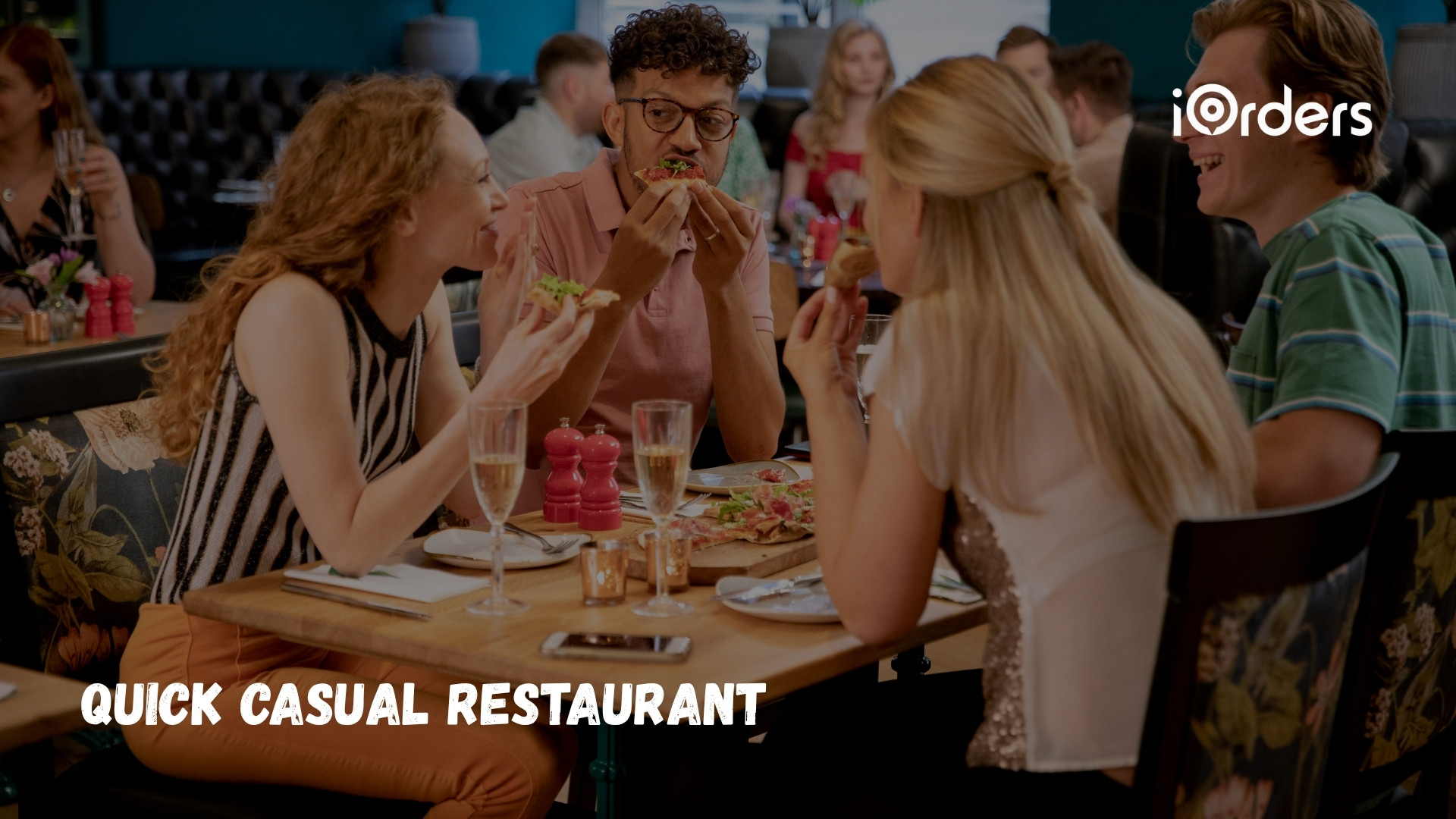
A quick casual restaurant is a dining model that blends limited service with higher-quality food. Customers usually order at the counter, through a kiosk, or online, with minimal table service involved.
This model is built around a focused menu, standardized preparation, and faster service cycles. It allows you to manage orders across dine-in, pickup, and digital channels without adding operational challenges.
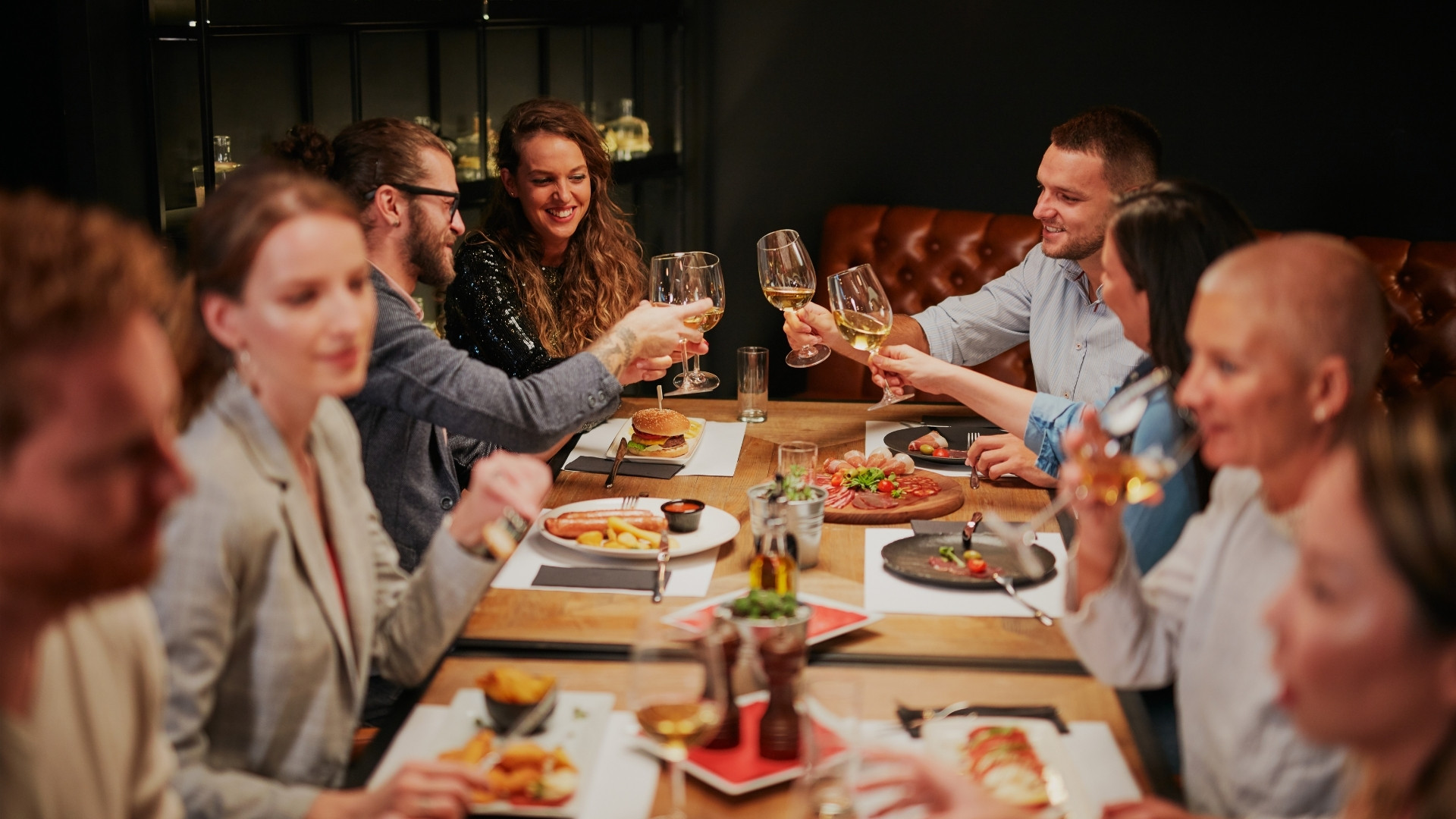
The quick casual restaurant segment is expanding as customer behavior shifts toward more practical dining choices. Many customers now prioritize convenience and controlled spending, which directly supports this model.
One key reason is steady market growth. Limited-service restaurants in Canada are projected to grow at a 6.2% CAGR through 2027. This reflects a clear shift toward faster and more value-driven dining formats.
This growth is driven by a few clear factors:
For your quick casual restaurant, this shift creates a clear opportunity. If you align with these trends, you can attract more customers while maintaining better control over costs and margins.
Also Read: Understanding Contactless Ordering in Restaurants
However, meeting this demand requires the right setup to manage higher-order volumes without slowing down service or affecting consistency. Let’s look at how quick casual restaurant operations work day to day and what it takes to run them efficiently.
Running a quick casual restaurant requires clear systems that keep orders moving without delays or errors. You need defined workflows, so your team can handle volume consistently during peak hours.
Here’s how each part of your operation should function:
Your ordering setup should capture every order accurately and route it without delay.
Your kitchen should be structured to handle speed without confusion.
Your menu should support fast decision-making and quick preparation.
Your team should have clearly defined responsibilities during service hours.
Your tech stack should reduce manual work and improve accuracy.
A comprehensive digital platform like iOrders brings ordering, payments, and customer engagement into one system while improving your online visibility. You can manage updates, streamline workflows, and run daily operations from a single, centralized platform.
Also Read: Understanding Digital Customer Engagement Platforms for Restaurants
To refine your strategy further, you need to understand how Quick Casual compares to other dining models. Let’s compare them.
Choosing the right restaurant model directly impacts your operations, costs, and customer experience. Each format serves a different purpose, and understanding these differences helps you position your business more effectively.
To make this clearer, here’s a side-by-side comparison of how these models operate:
Quick casual stands in the middle, offering a balance between speed, quality, and pricing. It gives you more flexibility than fast food while avoiding the high overhead of casual dining. This makes it a strong model for restaurants aiming to scale without losing control over operations.
However, to fully evaluate if this model fits your business, you need to understand the costs involved. Let’s break down the cost structure of a quick-casual restaurant.
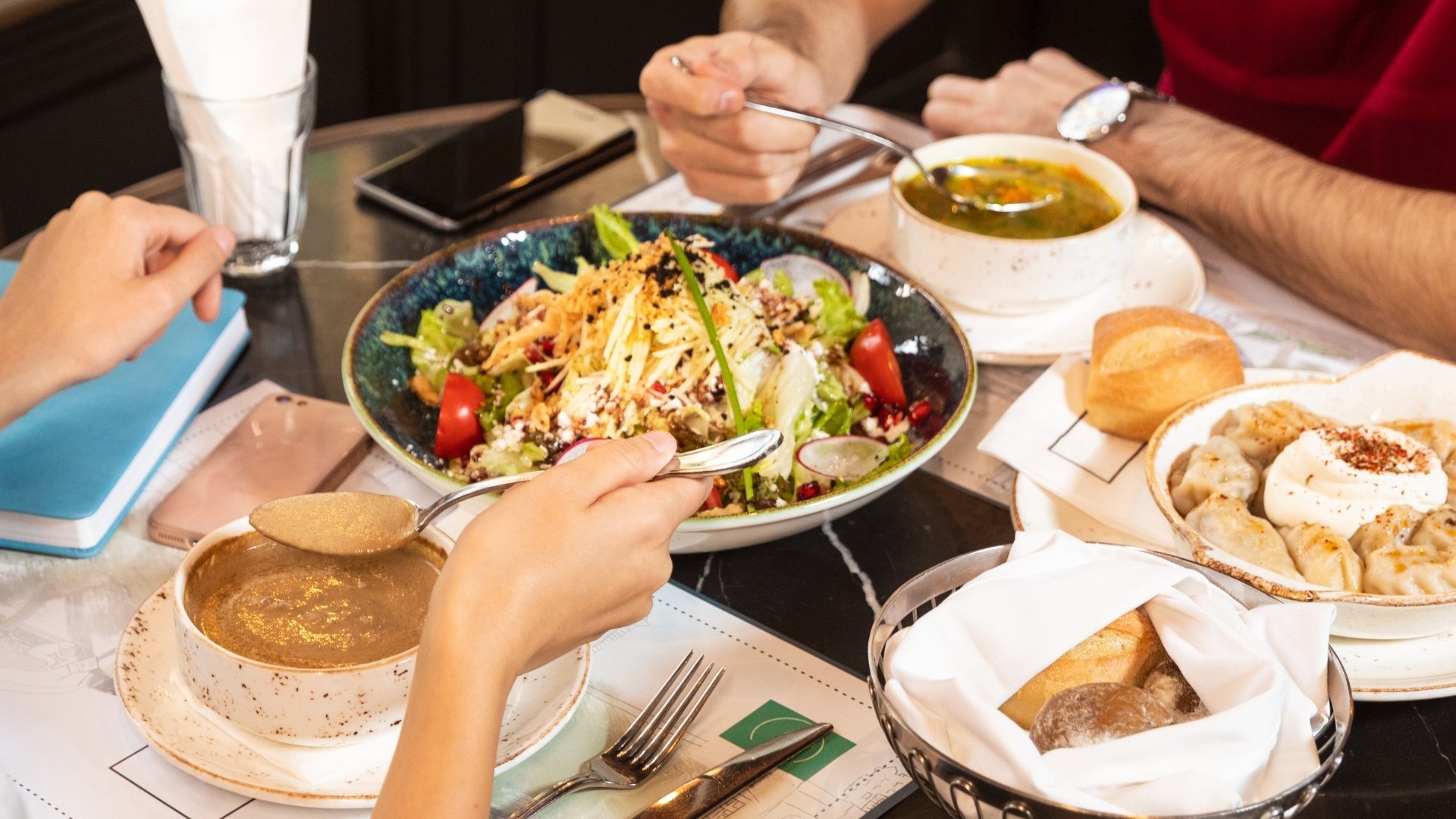
Understanding your cost structure is critical to protecting margins as you scale your restaurant. In a quick casual model, profitability depends on how well you control costs across high-volume operations.
Here are the key cost components you need to manage:
While these costs are expected, third-party platforms often become the biggest margin drain, taking 15-30% per order. Over time, reliance on external channels reduces control and steadily erodes your margins.
To address this, many quick casual restaurants are shifting to commission-free systems like iOrders, helping reduce platform costs and improve per-order margins. They can still offer delivery through integrations like DoorDash Drive or Uber Direct, paying a flat fee while keeping the experience fully branded.
After optimizing costs, the real opportunity lies in expanding and effectively managing your revenue channels. Let’s break them down.
The Restaurant Margin Playbook shows you how to build a direct ordering channel, own your customer relationships, and reclaim the margins delivery platforms are quietly taking.
Download the eBook →.png)
In a quick-casual model, revenue depends on how effectively you capture demand across multiple ordering channels, not just on how many customers walk in. Here are the key revenue streams to focus on:
Restaurants that rely on a single channel, especially foot traffic, often face inconsistent revenue and limited growth potential. Diversifying your revenue streams helps stabilize income and capture demand across different customer preferences.
As revenue channels expand, managing them efficiently becomes more challenging. To sustain growth, you need the right strategies to turn these channels into consistent revenue drivers.
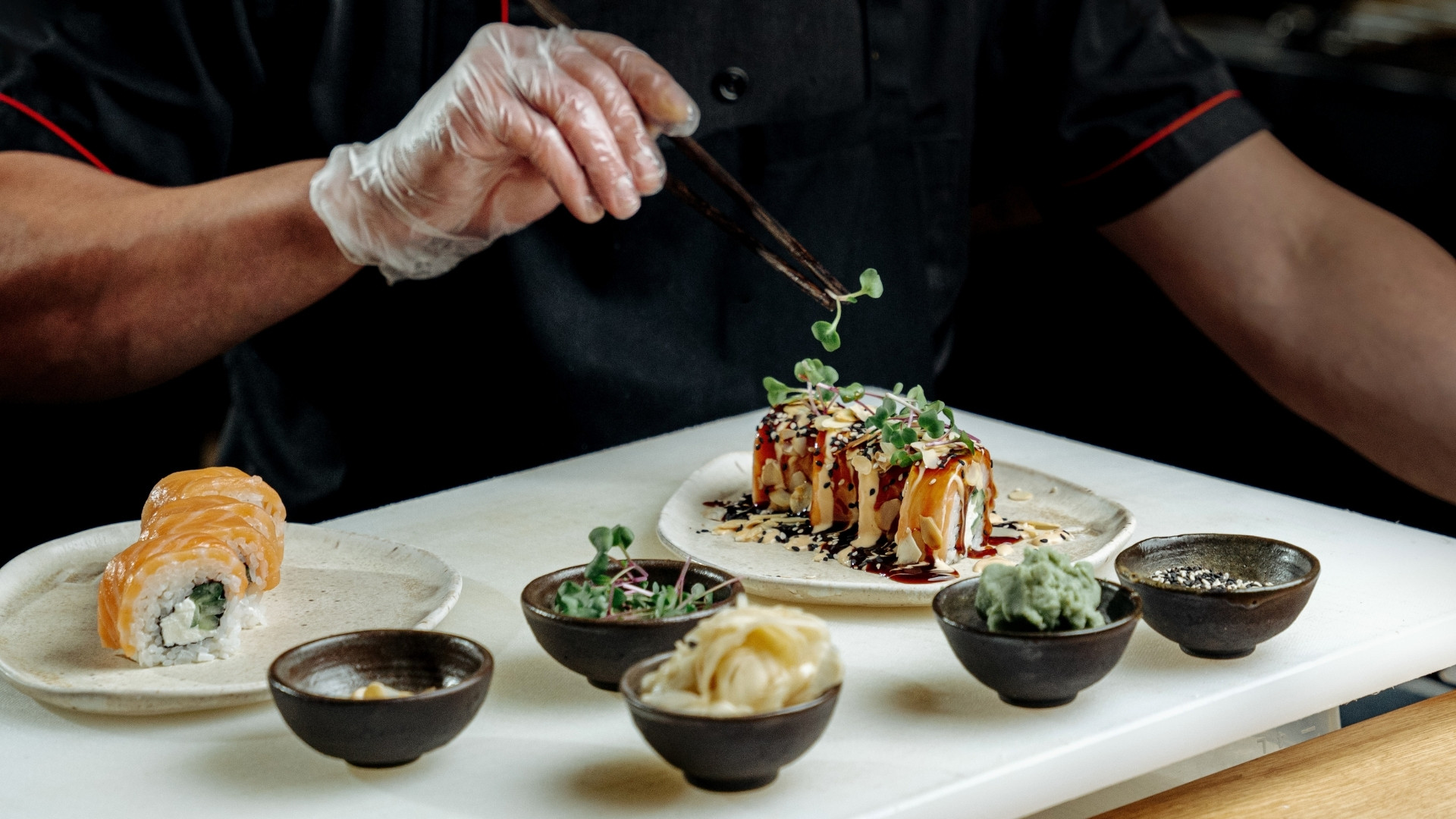
Sustainable growth comes from improving how you acquire customers, increasing order value, and retaining repeat business. The focus should be on building systems that drive consistent revenue without increasing complexity.
To execute these strategies effectively, you need the right technology to support and scale your operations. This is where the right technology makes a clear difference. Let’s see how platforms like iOrders help simplify this.
iOrders is built to help restaurants manage multiple revenue channels without adding extra workload to your team. It brings ordering, delivery, and customer engagement into one system, making it easier to scale while protecting margins.
Key Features:
Restaurants handle preparation and fulfillment, while iOrders acts as the central system that manages order flow, integrates with POS, and keeps operations running smoothly. If you want to scale revenue without sacrificing margins or control, iOrders provides the foundation for efficient growth.
Quick Casual Restaurants serve today’s value-conscious customers. As digital ordering and convenience become essential, relying on traditional systems or third-party apps can hurt margins and slow operations. Efficient workflows and full control over the customer experience are critical.
Platforms like iOrders simplify this process by integrating ordering, delivery, and customer engagement into a single system. Features such as commission-free online ordering, white-label mobile apps, and AI-powered review management help restaurants increase revenue, retain customers, and simplify daily operations under their own brand.
Ready to take control of your restaurant’s growth? Explore how iOrders can help you improve margins, streamline operations, and build stronger customer relationships. Request a demo today and see how it fits your business.
.webp)
1. What makes a quick casual restaurant different from a QSR?
The biggest difference is the balance. Quick casual restaurants offer better food quality and more customization than QSRs, but without full table service. You get speed like fast food, but with a more flexible and elevated experience.
2. How can small, quick casual restaurants compete with large chains?
Smaller restaurants can move faster and stay more personal. By focusing on a strong niche, building direct customer relationships, and owning their ordering channels, they can create loyalty that large chains often struggle to match.
3. What role does branding play in quick casual restaurant success?
Branding shapes how customers remember you. From your menu design to packaging and online presence, a consistent brand helps you stand out and makes customers more likely to return rather than try competitors.
4. How important is location for a quick casual restaurant?
Location still matters, especially for visibility, but it’s no longer everything. With online ordering and delivery, restaurants can attract customers beyond their immediate area and reduce dependence on foot traffic alone.
5. What are common mistakes in scaling a quick casual restaurant?
Many restaurants try to grow too fast without tightening operations. Expanding menus, depending heavily on third-party apps, or failing to standardize processes can quickly impact consistency, margins, and the overall customer experience.