March 31, 2026

During a busy dinner service, your team is trying to keep up with a steady flow of orders. One ticket needs a quick change. Another comes in with unclear notes. A guest is waiting longer than expected and starts getting impatient. Nothing is completely broken, but the pressure builds with every small miss.
These moments shape how guests remember your restaurant. One wrong order or slow response can turn into a lost regular.
Guest experience management helps you stay in control of these moments. It gives your team a clear way to handle orders, service, and follow-ups without second-guessing. This guide shows you how to build that stability into your daily service.

Guest experience management is how you control every interaction a guest has with your restaurant, from the first touchpoint to the final follow-up. It focuses on how your service feels to the guest at each step, not just whether the order is completed.
In a restaurant setting, this goes beyond food quality. It includes how clearly orders are taken, how smoothly they move through the kitchen, and how strategically your team handles requests during busy hours.
To manage this well, you need to look at the entire journey, not just isolated moments. This typically includes:
Guest experience management ensures each of these steps feels clear and reliable for the guest. It gives your team a structured way to deliver the same level of service, even during peak hours.
Guest experience issues often come from small gaps during everyday service. During peak hours, tickets stack up, and details get missed. Phone orders can lead to incorrect entries, and delivery handoffs may cause delays or missing items. When these situations repeat, they affect how guests perceive your service and whether they return.
Managing guest experience helps you avoid these breakdowns and improves how your restaurant performs day to day.
Here’s what effective guest experience management leads to:
Focusing on these outcomes helps you turn daily service into a system that supports both guest satisfaction and steady revenue growth.
Also Read: Build a Restaurant Staffing Schedule That Keeps Service Fast.

Strong guest experience depends on how your staff handles critical moments during service. These are not complex skills, but they need to show up regularly on every shift.
Here are the ones that matter most in a restaurant setting:
Strong staff can handle a busy shift, but repeated manual steps still create room for mistakes. The right technology removes that extra load and keeps orders clear from the start.
When service starts slipping, it usually comes down to how orders are captured and passed along. The right tools reduce confusion and help your team stay focused, especially when volume increases.
Here are the key types of technology and where they make the most sense:
1. Digital ordering (website or QR-based ordering)
Best for: QSRs, ghost kitchens, and high-volume takeout restaurants
In digital ordering, guests enter their own orders, so modifiers and special requests are captured clearly. This reduces back-and-forth during busy hours and keeps tickets accurate when the line starts filling up.
2. POS-integrated order management
Best for: All restaurant types, especially multi-channel setups
Orders from different sources go directly into your POS without manual entry. This prevents duplicate tickets and keeps the kitchen aligned with what was actually ordered.
3. Self-service kiosks or table ordering
Best for: Fast casual and dine-in restaurants with limited front-of-house staff
Guests don’t have to wait to place or repeat orders. This reduces pressure on your staff during peak hours and keeps the line moving without constant interruptions.
4. Centralized order dashboard
Best for: Restaurants handling dine-in, pickup, and delivery together
All incoming orders are visible in one place. Your team can track volume, spot delays early, and avoid switching between multiple devices or apps.
5. Automated review and feedback tools
Best for: Restaurants with steady online order volume
Instead of reacting late, you can respond to guest feedback regularly. This helps you address issues before they turn into repeat complaints.
6. Loyalty and guest data tracking
Best for: Restaurants focused on repeat orders and direct channels
You can track order history and send targeted offers based on past behavior. This keeps guests coming back without relying on third-party platforms.
Technology works best when it supports how your team already operates. It should reduce manual steps, not add new ones. When used correctly, it brings clarity to each stage of service and helps your staff stay focused, even during the busiest hours.
Recommended: How to Get Repeat Customers: 10 Strategies to Build Restaurant Loyalty.
These tools are a good addition to your workflow. However, managing them across different systems can still create gaps. This is where a single, connected platform like iOrders makes a difference.
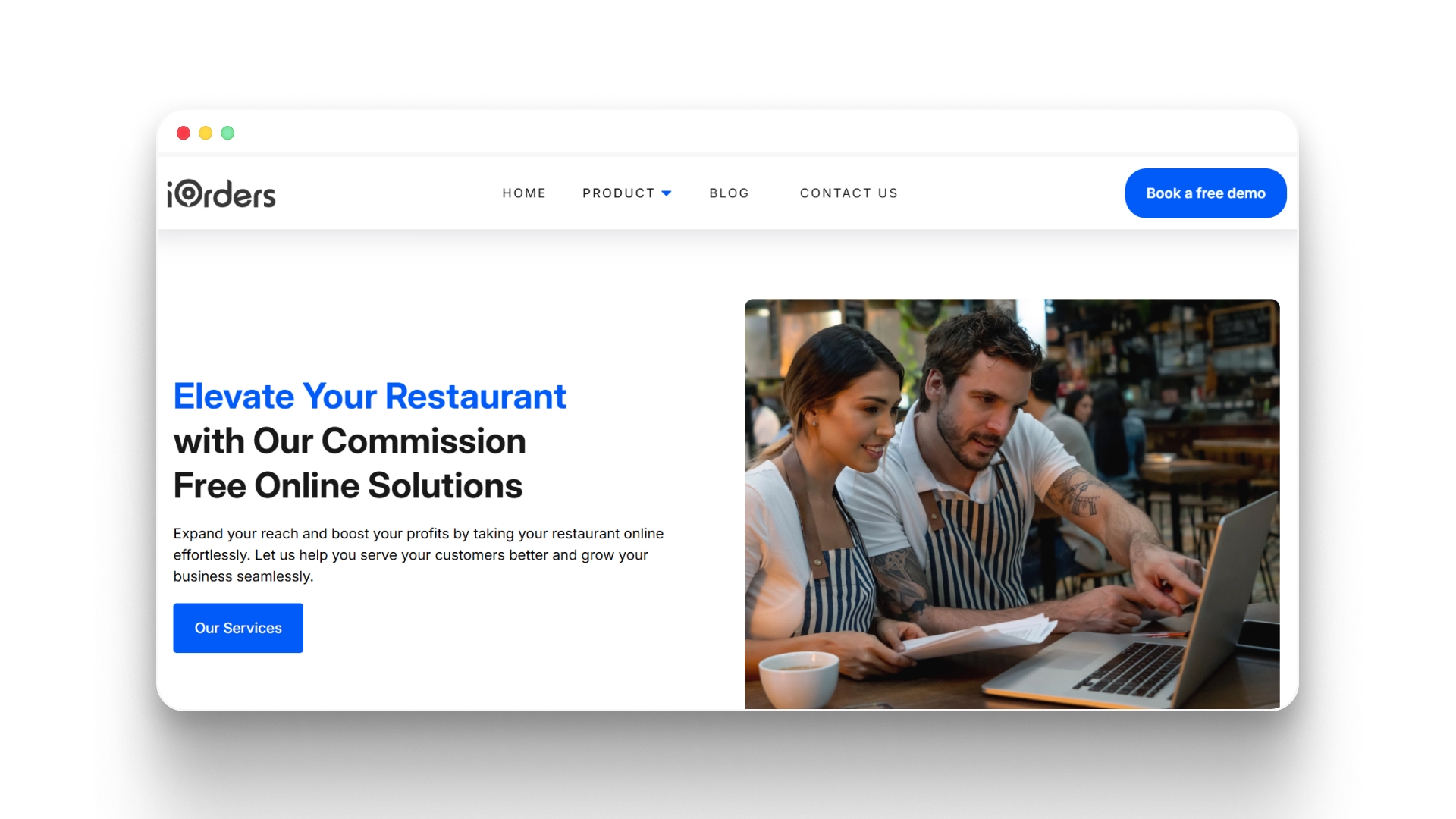
Many guest experience issues come from how orders move through your system. When your team switches between apps or re-enters orders, small gaps start to show up during service.
iOrders helps you close these gaps by giving your team one clear system to manage orders, delivery, and follow-ups without confusion.
Here’s how it connects directly to the problems you see during daily service:
When your system supports your staff at each step, service becomes easier to manage. Your team spends less time fixing mistakes and more time focusing on the guest in front of them. Book a demo with iOrders today if you want to bring this level of control into your daily service

Stability comes from what your team does every shift, not just during peak hours. A simple routine helps you catch issues early and keep service steady from start to finish. Here’s a practical way to manage guest experience across the day:
Set your team up so they don’t have to guess during the rush.
Focus on keeping orders accurate and communication clear.
This is where you fix what didn’t work and improve the next shift.
This routine keeps your team focused on the right things at the right time. It reduces guesswork during service and helps you improve without overhauling your entire process.
A missed modifier, a delayed order, or a slow response doesn’t feel major in the moment. Over a full shift, these gaps start to stack up. They shape how guests remember your service and whether they choose to order again.
Guest experience management comes down to how strategically your team handles these moments. Clear systems reduce confusion and help your staff stay steady, even when volume increases.
This is where iOrders supports your team. From capturing orders accurately to managing delivery and follow-ups in one place, it helps you remove the gaps that cause most service issues.
Book a demo today if you want fewer errors and stronger repeat orders. Your setup needs to work with your team, not against them.
1. How do you measure guest experience in a restaurant?
You can track guest experience through repeat order rate, average order value, and review ratings. Also, look at refund frequency and order accuracy. These show where service is breaking down.
2. What is the difference between guest service and guest experience management?
Guest service is how your staff interacts with guests in the moment. Guest experience management covers the full journey, including ordering, delivery, and post-order follow-ups.
3. How can small restaurants improve guest experience without increasing staff?
Focus on reducing manual work during service. Use systems that capture orders clearly, manage all channels in one place, and reduce the need for constant staff intervention.
4. How often should restaurants review their guest experience process?
You should review it daily at a basic level and weekly for patterns. Frequent reviews help you catch repeated issues before they affect more guests.
5. Does guest experience management matter for takeout and delivery orders?
Yes, because most guest interactions now happen outside of dine-in. Order accuracy, delivery timing, and packaging all shape how guests judge your restaurant.