May 15, 2026
If you’re deciding which food delivery apps Toronto restaurants should rely on, the options can feel crowded quickly. Uber Eats, DoorDash, and SkipTheDishes all promise steady order volume, but they don’t work the same once those orders hit your kitchen.
That reach is hard to ignore. A 2024 Statista survey found that 54% of Canadians used Uber Eats in the past year, while 49% used DoorDash, which explains why these platforms dominate order flow across Toronto.
One app may send large batch orders during peak hours, while another brings smaller tickets that slow down prep. The choice affects how your staff handles tickets, how quickly orders move, and how much you keep from each sale.
This guide breaks down the best apps and what they actually mean for your service and margins.
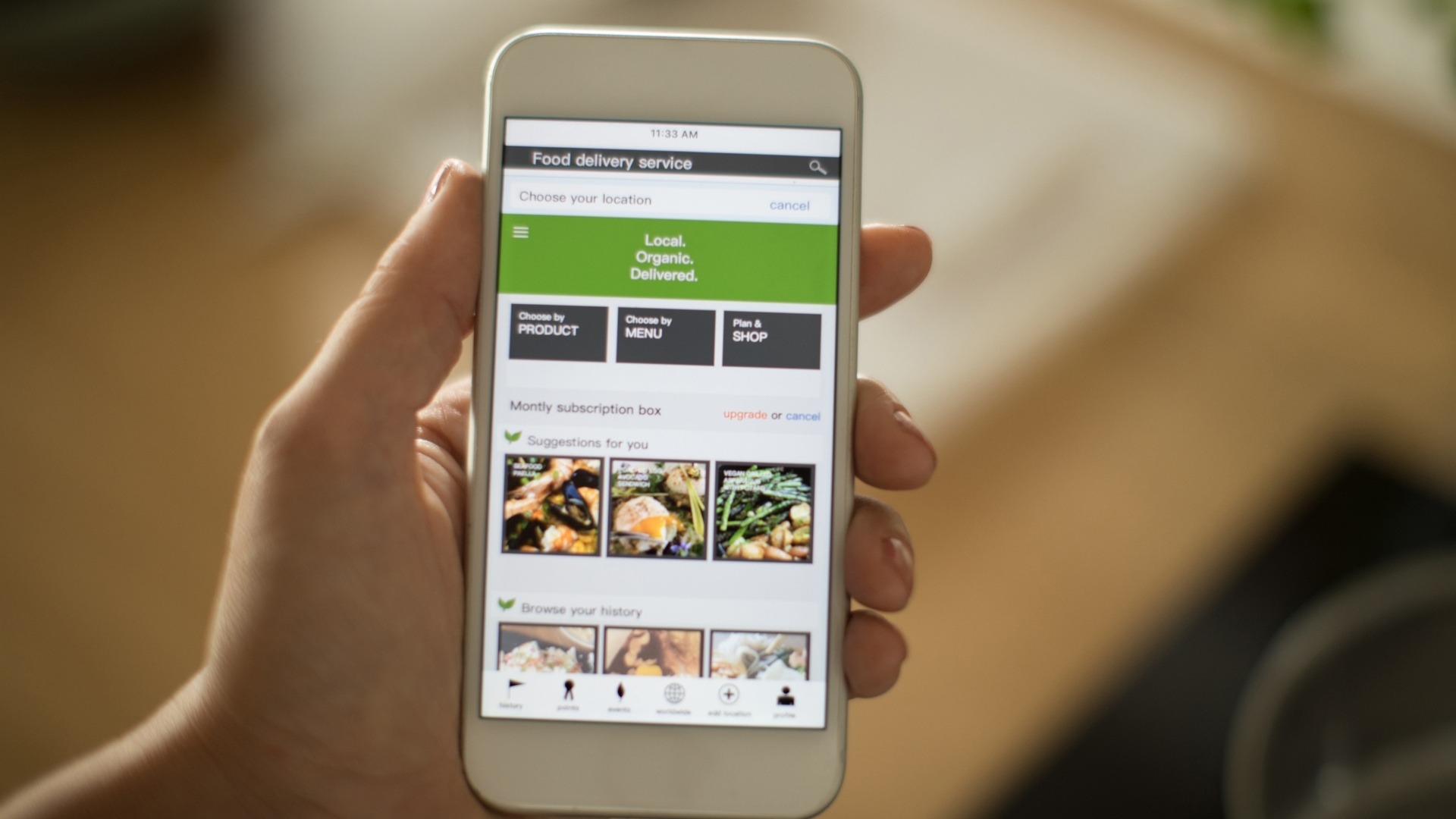
Most lists focus on which apps are popular, but that doesn’t help when you’re deciding what your kitchen can realistically handle during a busy shift. In Toronto, each platform brings a different type of order flow; some send a steady stream of small tickets, while some focus on specific cuisines.
The areas you serve also matter, since order patterns in downtown Toronto differ from those in suburbs like Scarborough or Etobicoke. Choosing the right app comes down to how those orders fit into your prep speed, staffing, and peak-hour pressure.
The Restaurant Margin Playbook shows you how to build a direct ordering channel, own your customer relationships, and reclaim the margins delivery platforms are quietly taking.
Download the eBook →.png)
Uber Eats drives a large share of delivery orders across Toronto, especially in dense downtown pockets. It often becomes the primary source of online orders for many restaurants, which means your team interacts with it constantly during peak hours. The volume can help fill gaps in slower periods, but it also puts pressure on your kitchen when orders stack quickly. It works best when your prep line can move fast without pausing for clarifications.
Best fit for: High-volume restaurants in downtown Toronto that can handle fast order turnover and frequent modifier-heavy tickets during peak hours.
DoorDash performs strongly across Toronto, particularly in areas where customers place larger, planned orders. Unlike apps that send constant small tickets, DoorDash often brings grouped or scheduled orders that require better timing in the kitchen.
This changes how your team preps and stages food, especially during dinner hours. It fits restaurants that can manage batch cooking without slowing down other orders.
Best fit for: Restaurants serving suburban Toronto and GTA areas with larger group orders and scheduled dinner traffic.
SkipTheDishes has been part of the Canadian delivery space for years and still brings steady orders in many Toronto neighborhoods. It may not always match the volume spikes of newer platforms, but it tends to deliver more predictable order flow.
This makes it easier for teams that prefer a consistent pace rather than sudden surges. It works well for restaurants that want stable volume without constant pressure on the line.
Best fit for: Restaurants looking for steady, predictable order flow across residential Toronto neighborhoods without sharp demand spikes.
Ritual operates differently from typical delivery apps, with a strong focus on pickup instead of driver-based delivery. This changes how orders move through your kitchen, since you don’t need to time food with driver arrivals.
In Toronto, it performs best in office-heavy areas where customers order ahead and pick up during lunch. It’s a better fit if you want controlled order timing without delivery coordination.
Best fit for: Downtown Toronto restaurants focused on lunch rush and office crowd pickup orders with controlled prep timing.
Fantuan serves a specific segment of Toronto’s delivery market, with strong adoption among customers ordering Asian cuisine. If your restaurant fits that category, this platform can bring highly relevant orders rather than general browsing traffic.
It performs well in areas with high demand for Chinese and East Asian food, where customers actively search within the app. This makes it less crowded but more targeted.
Best fit for: Restaurants serving Asian cuisine in Toronto and surrounding areas like Markham and Scarborough with niche customer demand.
Now that you’ve seen how each food delivery app in Toronto fits into different restaurant setups, the next question is what those orders actually cost once they start coming in consistently.
Recommended: Online Ordering System vs Marketplace Apps: Complete Guide for 2026.

Most delivery apps position themselves as growth channels, but the real cost shows up after the order is completed. Every ticket that comes through Uber Eats, DoorDash, or SkipTheDishes carries a mix of commission, add-on charges, and platform-driven discounts that quietly reduce what you keep from each sale.
Most restaurants in Toronto are paying 15% to 30% commission per order, depending on the platform and agreement. On top of that, there are extra costs that don’t always feel obvious at first but stack up quickly across a busy week.
For many Toronto operators, this doesn’t just reduce profit per order, but it also changes how pricing, menu strategy, and discounts are structured just to stay viable on these platforms.
At that point, the question is no longer about which app to choose, but how to balance them with a setup that protects long-term margins.
Many Toronto restaurants rely heavily on delivery apps for steady order volume, especially during peak hours. Over time, this puts pressure on margins, limits pricing control, and keeps customer data locked within third-party platforms. A better approach is a hybrid model where apps support discovery, while direct ordering drives repeat business.
This is where iOrders fits as the control layer across your direct ordering channels.
Use apps like Uber Eats, DoorDash, and SkipTheDishes to bring in first-time customers across Toronto’s high-density delivery market. Then shift repeat orders to direct channels after the first experience, so you avoid paying commission again on returning customers. This creates a healthier balance between visibility and profitability.
To make this shift work in practice, you need a system that captures orders directly and keeps customers engaged beyond third-party apps. iOrders brings this structure into one place:
If you’re looking to reduce commission costs and build a more sustainable delivery setup, it’s worth seeing how this works in practice. Book a demo now to explore how you can take control of your restaurant’s direct orders and customer relationships.
Food delivery apps in Toronto will continue to play a big role in bringing customers in, but they also impact how much control you keep over pricing, margins, and repeat orders. Over time, relying only on these platforms can limit how your restaurant grows beyond third-party demand.
The real question is how much of your business should stay dependent on them versus how much should come directly through your own channels.
iOrders helps restore that balance by giving you control over direct ordering, customer data, and repeat business through your own branded system.
To reduce dependency on high-commission platforms and take control of your orders, get in touch with our team today.
.webp)
1. Which food delivery apps are most used in Toronto?
Uber Eats, DoorDash, and SkipTheDishes are the most widely used platforms in Toronto. They dominate order volume across most neighborhoods, especially in downtown and high-density residential areas.
2. Do all food delivery apps charge the same commission?
No. Most platforms charge restaurants between 15% and 30% per order, depending on the agreement and service structure. Additional costs like promotions and payment fees can further reduce final earnings.
3. Which food delivery app is best for small restaurants in Toronto?
It depends on your setup. Uber Eats brings high visibility, DoorDash works well for larger orders, and SkipTheDishes offers steadier order flow. Many small restaurants use a mix based on their capacity and location.
4. Can Toronto restaurants reduce dependency on food delivery apps?
Yes. Many restaurants use a hybrid approach where delivery apps bring new customers, while direct ordering channels handle repeat business to reduce commission costs over time.
5. How does iOrders help restaurants alongside delivery apps?
iOrders helps restaurants build direct ordering channels through their website, QR codes, and branded apps. This allows restaurants to retain customer data, increase repeat orders, and reduce reliance on high-commission platforms.