June 20, 2025

For years, third-party delivery apps seemed like the easiest way for restaurants to reach more customers. More visibility, more orders, and less hassle. But as commission fees continue to climb, many restaurant owners are asking a different question: what if keeping delivery in-house is actually the smarter business move?
The shift is already happening. According to industry estimates, the Canadian online food delivery market is expected to reach nearly 28,638.8 million by 2030, highlighting just how important delivery has become for restaurants looking to grow. At the same time, more operators are searching for ways to protect their margins, strengthen customer relationships, and gain greater control over the ordering experience.
That’s why a growing number of restaurants are investing in their own delivery systems. Instead of handing over a percentage of every order, they’re building direct channels that help them keep more revenue while creating a stronger connection with customers.
In this blog, we’ll look at successful restaurants that have their own delivery service, explore the advantages of managing delivery in-house, discuss the challenges involved, and show how technology can make the process easier and more profitable.
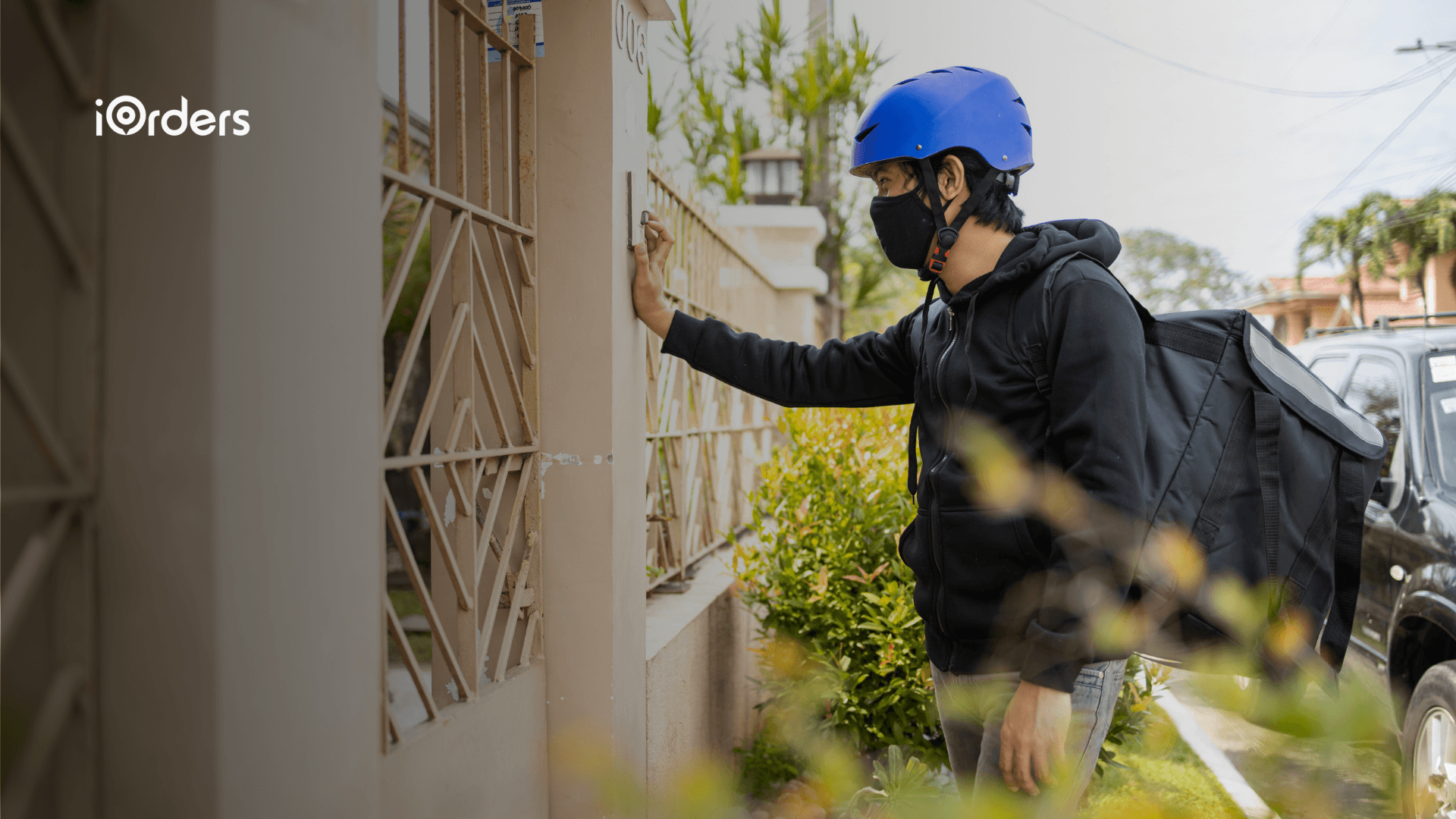
Let’s be real, food delivery in Toronto has totally changed the game for you. A few years ago, third-party platforms like Uber Eats, DoorDash, and SkipTheDishes probably felt like a lifeline if you were trying to expand your reach. And sure, at first, they delivered on that promise. You get more orders, more customers, and more exposure with just a few taps. What could possibly go wrong?
Well, as you’ve likely figured out by now, a lot. While these platforms gave you a quick fix, they also came with a not-so-appetizing side dish: steep commission fees, often taking 15% to 35% of every order.
So if a customer places a $100 order, you might be waving goodbye to up to $35 of that. And let’s be honest, over time, that hurts.
That’s exactly why more Toronto restaurants, maybe even yours, are starting to rethink things. With costs rising and margins shrinking, it’s no wonder you’re looking for better ways to serve customers, keep more revenue, and actually own the relationship with your loyal diners.
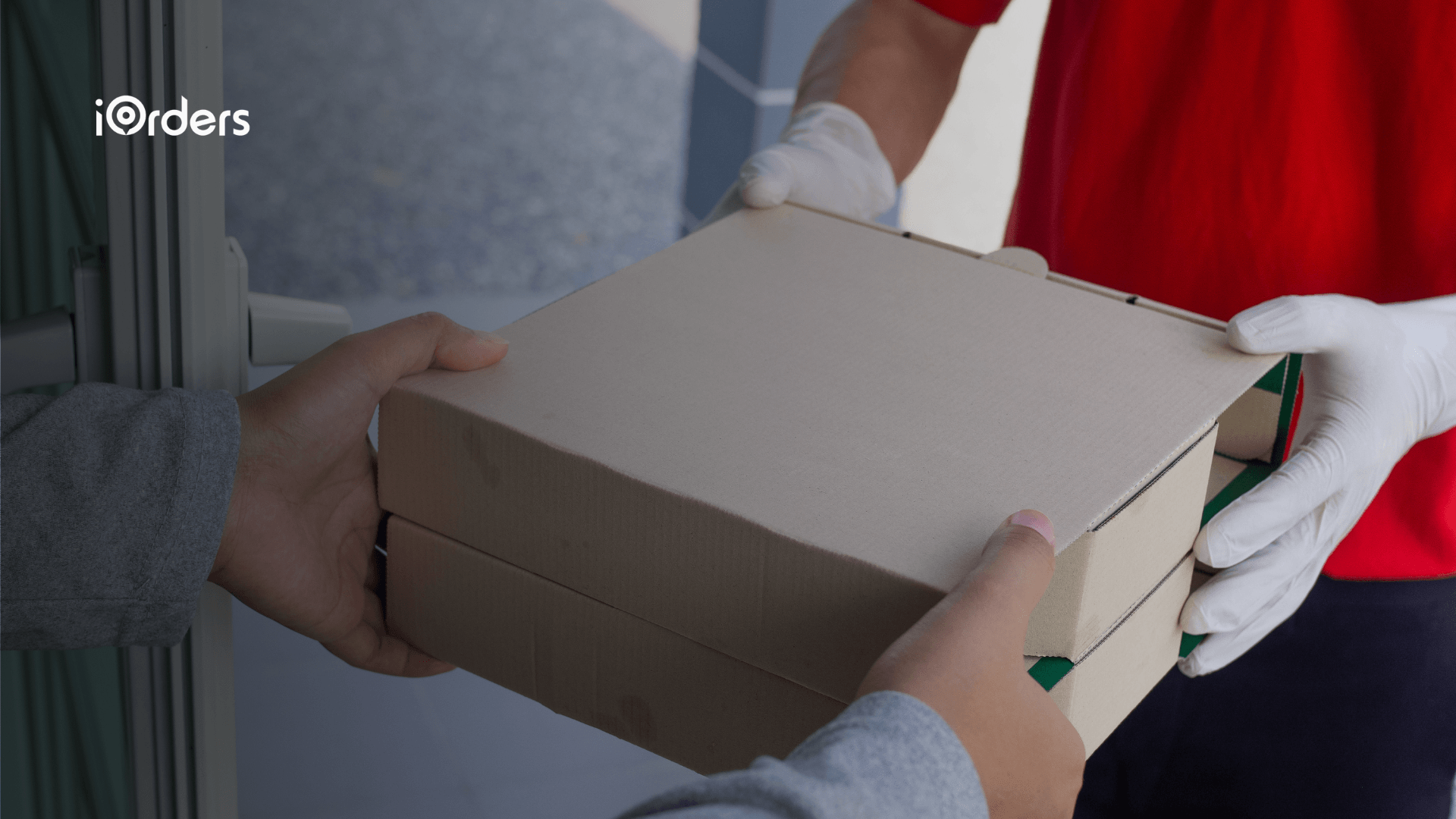
Running your own delivery isn’t just about getting food from the kitchen to customers. It’s about reclaiming control over your profits, brand, and customer experience. More Toronto restaurants are making this switch, not because it’s trendy, but because it makes business sense.
1. Higher Profit Margins
Third-party apps can take 20–30% of every order. With in-house delivery, that chunk stays with you. This adds up quickly and gives you more breathing room to invest back into your staff, ingredients, or operations.
The Restaurant Margin Playbook shows you how to build a direct ordering channel, own your customer relationships, and reclaim the margins delivery platforms are quietly taking.
Download the eBook →.png)
2. Full Access to Customer Data
When you use a third-party app, they keep the data. When customers order directly from you, you own it. That means you can analyze buying habits, send targeted deals, and build long-term customer loyalty.
3. Consistent Brand Experience
With your own system, every touchpoint from your app or website to the delivery packaging represents your brand. It gives you control over the entire customer journey, making sure your restaurant stays memorable.
4. Better Delivery Quality Control
When you manage your own drivers, you decide how food is handled and how fast it’s delivered. No relying on someone else’s standards. You get to ensure meals arrive hot, fresh, and in great condition.
5. Stronger Customer Relationships
In-house delivery gives you a direct connection with your customers. You can resolve issues faster, offer perks, and make your service more personal. This keeps customers coming back not just for the food, but for the experience.
Think about it: when an emotional bond forms between a restaurant and its customers, those customers become 27% more valuable, according to a Harvard Business School study.
6. No Platform Restrictions
You’re free to run promotions, offer bundle deals, or test new menu items without getting approval or paying extra fees. It’s your platform, your rules.
7. Flexible, Scalable Operations
Start small, for example, by using a staff driver or limiting the delivery radius. Then grow it as demand increases. You’re in full control of the pace and process.
Third-party delivery apps might get your food to customers, but they also bite into your profits and brand control. That’s why many Toronto restaurants are breaking free and switching to in-house delivery, and they’re thriving because of it.
If you're a restaurant owner wondering whether in-house delivery is worth the hassle, these 10 success stories offer real-world insights into what’s working and why it’s worth considering.
Why In-House? To create an eco-conscious, hyper-local brand identity
What They're Doing Right: Lambo’s uses bicycle couriers for delivery, saving on fuel costs, reducing carbon footprint, and aligning with the values of health-conscious, urban customers.
Lesson for You: If your brand has a niche audience, in-house delivery helps reinforce your identity while building loyalty. Plus, it saves money in the long run.
Why In-House? To control food quality and preserve flavor
What They're Doing Right: Pai insists on maintaining the authentic taste and freshness of its Thai dishes. By managing delivery themselves, they can time preparation and transport precisely.
Lesson for You: If your food is best eaten fresh (think: herbs, curries, grilled meats), in-house delivery lets you preserve that magic and protect your reputation.
Why In-House? To build a scalable, branded delivery system
What They're Doing Right: Pizza Pizza built its own delivery infrastructure decades ago. With dedicated drivers and a branded app, they own the entire experience.
Lesson for You: When delivery is central to your business, investing in a system that gives you full control can boost margins and customer trust.
Why In-House? To deliver hot, craveable comfort food with consistency
What They're Doing Right: Swiss Chalet focuses on temperature control and consistency. Their packaging and delivery routes are optimized for their rotisserie chicken.
Lesson for You: If your food suffers in transit (e.g., crispy items, sauces), in-house delivery lets you design the experience, from kitchen to customer.
Why In-House? To adapt a buffet concept to home dining
What They're Doing Right: Mandarin turned its buffet model into curated, at-home meal boxes through in-house logistics. This allowed for menu control and brand consistency.
Lesson for You: If you have a unique dining model, third-party apps may dilute your offering. In-house lets you get creative and stay in control.
Why In-House? To match the energy of a vibrant Latin menu
What They're Doing Right: Baro delivers the same colorful, high-energy experience customers expect in-house, right down to the packaging and speed of service.
Lesson for You: If your vibe is part of the brand, in-house delivery helps you replicate that vibe outside the restaurant. You control the narrative.
Why In-House? To uphold quality standards of Italian comfort food
What They're Doing Right: Grazie invested in heat-retaining packaging and staff training to ensure every pasta and pizza arrives just right.
Lesson for You: Quality doesn’t need to be sacrificed for convenience. In-house systems let you maintain your standards and train staff accordingly.
Why In-House? To deliver handmade items with care
What They're Doing Right: Known for handmade pasta and artisanal products, Enoteca couldn’t trust third-party services. They deliver meals with wine pairings and upscale touches.
Lesson for You: If your menu features fragile or premium items, you need a delivery service that treats them with care, and only your team will do it right.
Why In-House? To own late-night delivery and maintain brand consistency
What They're Doing Right: 241 Pizza focuses on speed and affordability. By using their own drivers, they can work late hours and ensure consistent service.
Lesson for You: If timing is everything (e.g., late-night, lunch rush), in-house gives you control over delivery hours and customer service.
Why In-House? To ensure freshness and highlight ingredient quality
What They're Doing Right: Pizzaiolo emphasizes their use of premium ingredients, so they oversee delivery to ensure those elements shine upon arrival.
Lesson for You: If your brand promise is tied to “premium” or “artisan,” third-party delivery risks undermining that image.
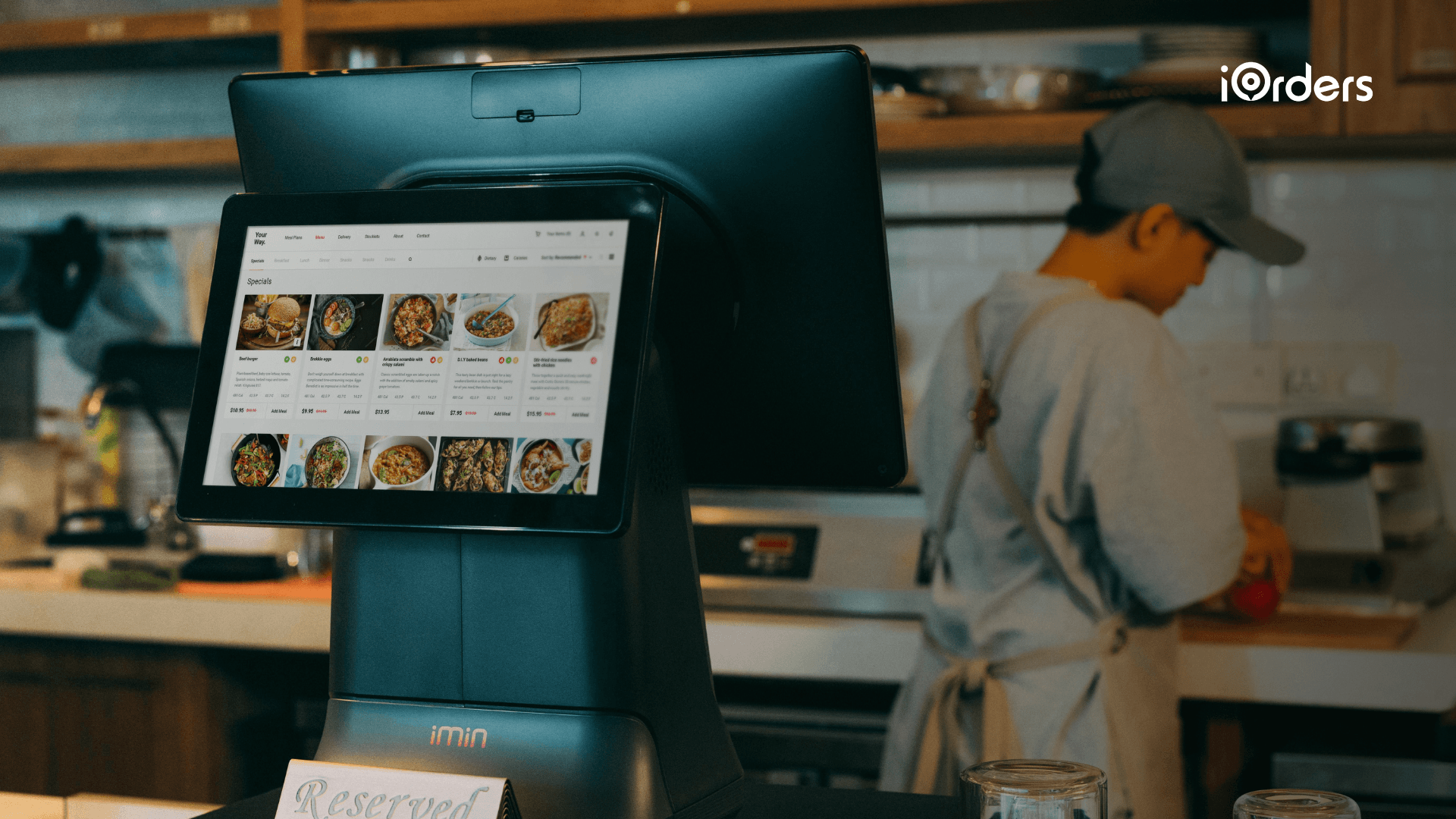
When it comes to running an in-house delivery service, technology isn’t just helpful, it’s essential. From managing orders to making sure food gets to customers quickly, tech plays a huge role in keeping everything smooth and efficient.
Here’s how:
1. Order Management Systems: Prevent Chaos Before It Starts
Without proper order management, it’s easy for tickets to go missing or orders to be delayed, especially during peak hours. Imagine a kitchen receiving five online orders at once, all on paper, while staff also handle dine-ins. Mistakes are almost guaranteed.
2. Real-Time Delivery Tracking: Stop the “Where’s My Food?” Calls
Customers don’t like uncertainty. If they can’t see where their food is, they’re more likely to call or leave a bad review.
3. Smart Route Optimization: Deliver Hot Food Faster
Let’s say you’ve got three orders going to the same area. Without route planning, drivers may zig-zag all over town, wasting time and gas.
4. Branded Ordering Platforms: Your Brand, Your Rules
When customers use third-party apps, they see your logo alongside dozens of others. But when they order from your custom platform, the experience feels exclusive.
5. Customer Data Insights: Target the Right Diners
If you don’t know who’s ordering what, you can’t tailor offers that actually work. According to reports, 80% of millennials are more likely to try a new restaurant if it offers a loyalty program.
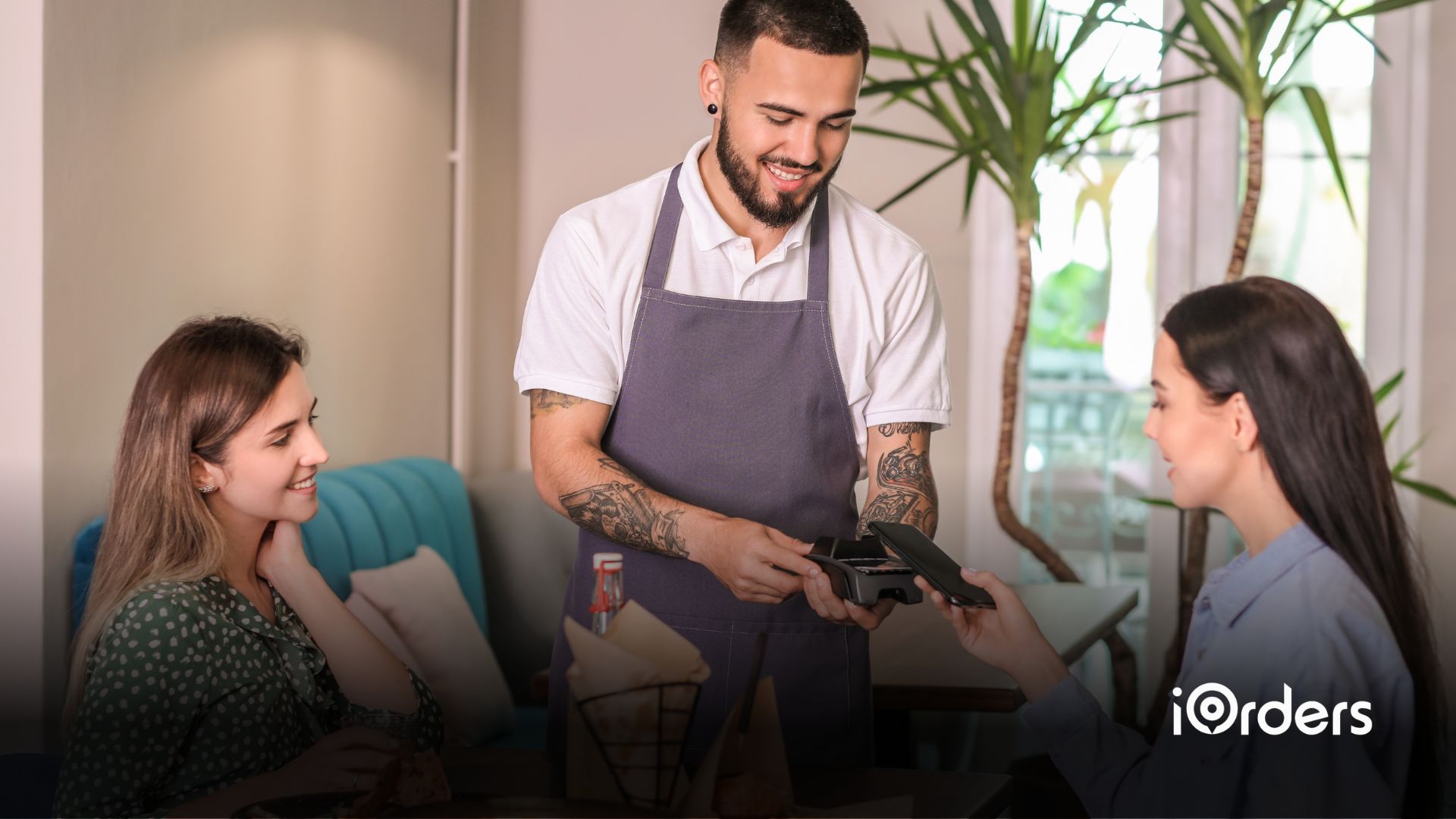
6. Contactless Payments: Faster, Safer Transactions
Handling cash or waiting on card machines slows everything down. During rushes, it’s a bottleneck.
7. Automated Engagement: Stay in Touch Without Extra Work
Following up manually with every customer just isn’t feasible. But forgetting to do it means missed opportunities.

Running an in-house delivery service isn’t all sunshine and delivery bags. While it might sound like the perfect way to boost profits, Toronto restaurants quickly realize that it's not as simple as just placing food in a car and hoping for the best.
Here are some of the hurdles they face:
1. Managing Delivery Logistics
Juggling multiple orders, optimizing routes, and ensuring on-time delivery can quickly become overwhelming, especially during peak hours.
2. Maintaining Food Quality During Transit
Keeping food hot, fresh, and presentable from kitchen to customer is no small feat.
3. Customer Expectations & Service Standards
Customers expect fast, accurate, and friendly service, even during busy times. One wrong order could lead to a negative review.
4. The Costs of Delivery Infrastructure
Owning vehicles, hiring drivers, and managing logistics systems can add up quickly.
5. Balancing In-House and Dine-In Orders
Handling dine-in guests while managing delivery orders can stretch your kitchen thin.
While these challenges are real, tech solutions like iOrders can simplify logistics, streamline marketing, and ease customer management, helping restaurants balance growth without overwhelm.

When it comes to running a restaurant, the ability to take control of your delivery system can make all the difference. That’s where iOrders steps in, offering a suite of powerful tools designed to help you boost profits and enhance customer satisfaction with ease.
The results speak for themselves: restaurants using iOrders have seen impressive growth, including a 288% increase in active customers, a 13% jump in average basket size, and a 244% rise in monthly orders.
Here’s how iOrders helps you make it happen:
No more worrying about high commission fees. iOrders offers commission-free online ordering, letting you keep all your profits while giving your customers a seamless digital experience. You can update your menu, offer personalized promotions, and most importantly, build strong, direct relationships with your customers, all while maintaining full control over your data.
With iOrders’ website and QR ordering system, your menu is always current. Guests can scan a QR code at your restaurant or order directly from your website, whether they’re dining in or ordering out. No more outdated menus, just fresh, accurate options that keep your customers happy.
Why rely on third-party services that charge high fees when you can offer delivery directly to your customers? With iOrders’ Delivery-as-a-Service, you can streamline operations without worrying about commissions. You control the speed, quality, and payment options, ensuring a better experience for your guests and a bigger share of the profits.
iOrders helps you connect with your customers using powerful marketing tools. With multi-channel marketing strategies, you can send targeted messages through email, social media, or SMS, whichever works best for your audience. It’s a simple way to keep your restaurant top of mind and grow your customer base.
Customer loyalty is key, and iOrders makes it easy to reward your guests. With built-in loyalty and rewards programs, you can offer personalized deals that encourage repeat business. You can even turn your best customers into brand ambassadors with referral programs that get them spreading the word.
iOrders doesn’t just help you reach your customers, it helps you understand them. By using data to create tailored campaigns, you can engage your customers in ways that make them more likely to return. This ensures your marketing efforts hit the right targets, and your restaurant stays busy all year round.
Customer feedback is important, but managing it doesn’t have to be time-consuming. iOrders’ AI-powered review system collects and analyzes guest reviews in one place, making it easier to respond quickly and efficiently. Plus, with personalized AI responses, you can engage with customers in a way that matches your brand’s voice.
With iOrders, you can offer your customers a branded mobile app that lets them order directly from you, whether they’re dining in, picking up, or having it delivered. Push notifications and tailored offers keep your restaurant in front of their minds, while the app also gives you valuable data about their preferences and behaviors.
The restaurants leading the way today are not just focused on getting food delivered. They are focused on owning the customer experience, protecting their profits, and building long-term loyalty.
While running your own delivery service comes with challenges, the benefits often outweigh the effort when supported by the right technology. More control, better margins, direct customer relationships, and stronger brand recognition can all contribute to sustainable growth.
Ready to level up your restaurant? Book a demo with iOrders today and watch your business grow.
.webp)
1. How many delivery orders should a restaurant have before considering in-house delivery?
There is no fixed number, but restaurants with consistent daily delivery demand often benefit most from in-house delivery. Once commission fees start significantly impacting profits, running your own delivery operation can become more cost-effective.
2. Can small independent restaurants successfully manage their own delivery service?
Yes. Many small restaurants begin with a limited delivery radius, a small driver team, or a delivery management platform. This allows them to test demand and grow their delivery operations gradually without major upfront investment.
3. What is the ideal delivery radius for a restaurant-run delivery service?
The ideal delivery radius depends on your menu and food type. Most restaurants operate within a 3-8 km radius to maintain food quality, control delivery times, and keep transportation costs manageable.
4. How can restaurants encourage customers to order directly instead of using delivery apps?
Restaurants can promote direct ordering through exclusive discounts, loyalty rewards, referral programs, lower menu prices, and personalized offers that are unavailable on third-party marketplaces.
5. What metrics should restaurants track to measure delivery performance?
Key delivery metrics include average delivery time, order accuracy rate, repeat customer rate, delivery cost per order, customer satisfaction scores, and average order value. Monitoring these metrics helps identify opportunities to improve profitability and service quality.