Book a free demo
Oops! Something went wrong while submitting the form.
November 3, 2025
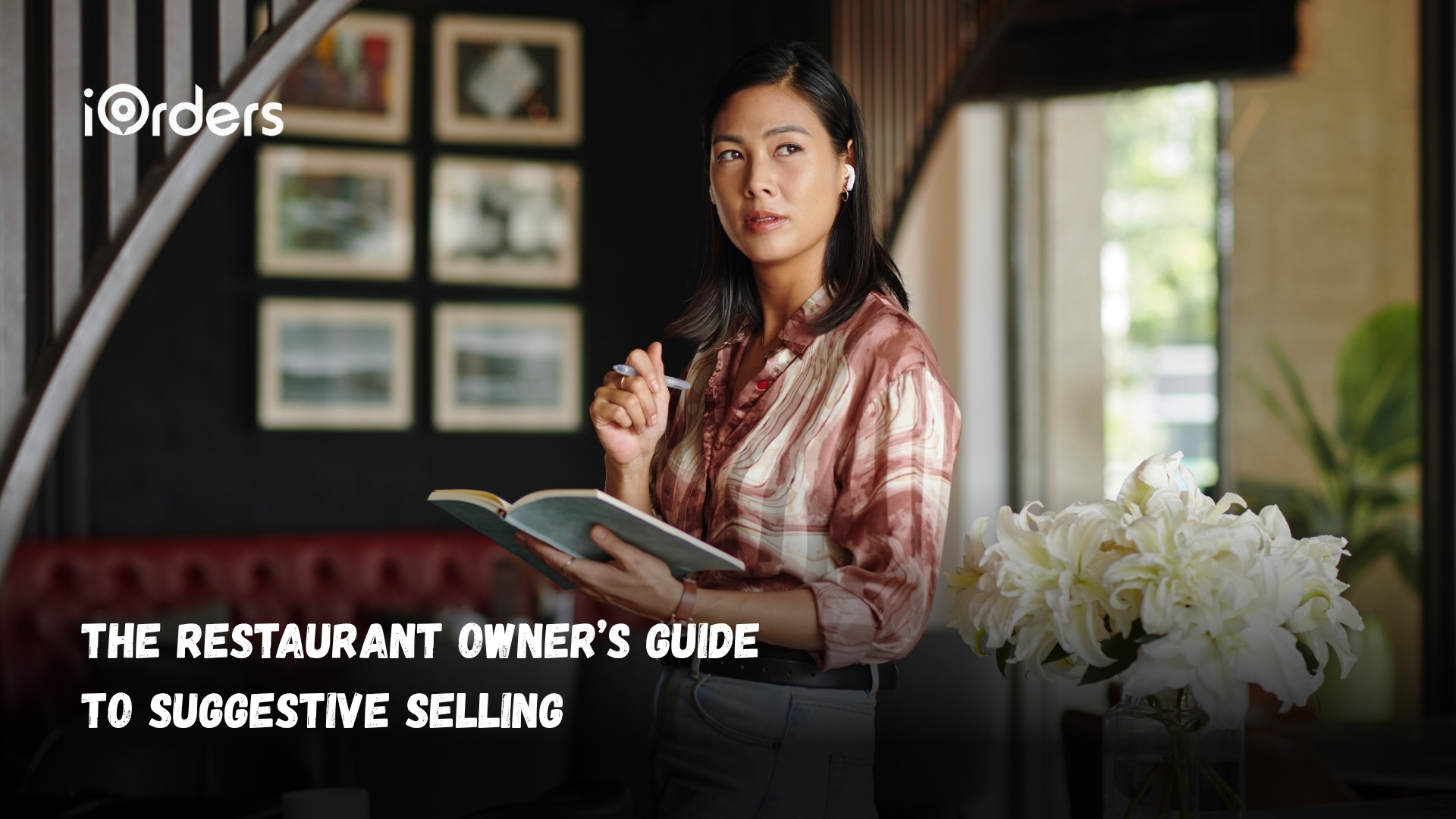
Running a restaurant requires keeping guests happy and nudging them toward choices that grow your sales. That is where suggestive selling comes in. It is the art of gently prompting customers to add an appetizer, upgrade a drink, or try dessert — all without sounding pushy.
When done right, it feels natural and even helpful. The best part is that suggestive selling works just as well through self-order kiosks, table QR codes, or online ordering platforms.
In this guide, we will walk you through what suggestive selling really means for restaurants today, how to make it part of your digital experience, and how the right technology can turn every order into a bigger one.
What you need to know:
Suggestive selling happens after a guest has made an initial choice, like ordering a sandwich, and you offer a relevant add-on: “Would you like fries with that?” or “How about a side salad for just a few dollars more?”
It’s not about pressure. It’s about enhancing the experience and increasing check size in a way that feels natural and helpful. Upselling typically involves steering the guest toward a more expensive version of what they have already chosen—“Upgrade to a large drink for $1 more.”
Suggestive selling goes further. It includes upgrades, as well as complementary items that improve the meal. For instance, “Would you like a dessert to finish?” or “Add a side and drink to save 10%.”
Other examples of suggestive selling in action:
That’s the power of suggestive selling. It doesn’t push guests to buy what they don’t want. It simply reminds them of what they might enjoy. When done right, it feels like great service, not salesmanship. And that’s exactly why it works.
Let’s explore why this shift in approach leads to more orders, happier guests, and stronger margins.
Suggested Read: Top 12 Digital Marketing Benefits to Grow Your Restaurant in 2025
Suggestive selling succeeds because it prioritizes the guest experience over aggressive sales. When executed well, it feels like thoughtful service instead of manipulation.
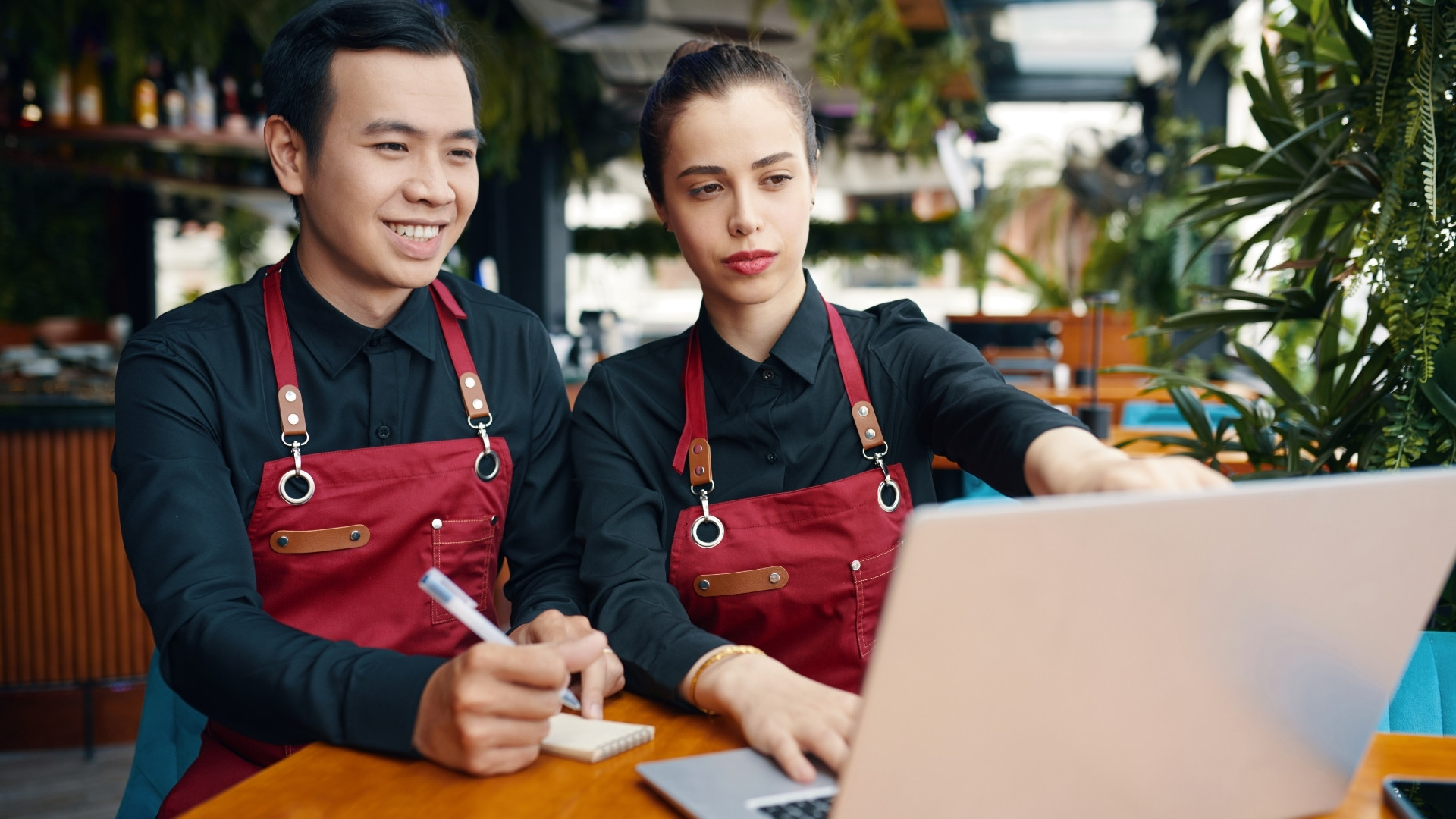
As psychologist Walter Dill Scott observed, "People are highly susceptible to suggestion, especially when it aligns with their needs and desires."
That’s exactly what makes suggestive selling so effective in restaurants: it aligns with how people naturally make choices.
Here’s how it delivers results:
iOrders make suggestive selling easier to implement, especially in digital environments. With features like QR code ordering and a white-label mobile app, restaurants can prompt guests with relevant add-ons and pairing suggestions right before checkout.
These automated, branded prompts feel natural to the customer and help increase average order value without relying on staff availability or upselling pressure.
Schedule a demo to learn more.
Suggested Read: Best Instagram Hashtags for Restaurants to Boost Visibility
Suggestive selling works best when it feels natural and adds value to the guest’s experience. The following strategies can be applied by staff or via digital ordering systems to increase order value while keeping guests happy.
Try these techniques for increasing the basket size for each order:
Prompting guests with complementary items helps them complete their meal while increasing order value. You can make this part of your menu, staff routine, or digital interface.
Consider the following ways to implement it:
Personalized suggestions resonate more with guests, making them more likely to accept an add-on. This technique works whether you track loyalty data or use digital ordering systems.
You can do this by:
Creating a sense of urgency encourages guests to add extras they might skip otherwise. Timing is key, both in-person and digitally.
Restaurants can try:
Guests respond strongly to images. Pairing visual cues with recommendations can increase engagement and sales. You can do this by:
Even at the final step, a well-timed suggestion can increase order value without feeling pushy. Restaurants can implement this by:
These techniques combine human interaction and digital tools to make suggestive selling personal and effective. In most cases, the results are only as good as the team driving restaurant sales. The next section examines the training aspect of delivering suggestive selling consistently.
Suggested Read: 21 Examples of Good Customer Service in a Restaurant
Getting your staff comfortable with suggestive selling doesn’t have to be complicated. The key is giving them simple strategies and the right guidance so recommendations feel natural. With some training, even new team members can confidently suggest add-ons.

Here are a few practical ways to get your team started:
You don’t have to rely solely on your team, though. iOrders acts as a smart assistant that can guide suggestive selling for every order.
It integrates prompts directly into your digital menus and app, personalizes recommendations based on past orders, and ensures nothing gets missed. This is while keeping your staff focused on delivering excellent service. Schedule a free demo today.
With training and the right technology, suggestive selling becomes effortless. But you can always get better results by using tools to support it. In the next section, we look at digital ordering platforms and automated prompts that help maximize every opportunity.
Suggested Read: Hire and Retain Restaurant Employees: Top 12 Strategies
Suggestive selling works best when staff and technology work together. With the right tools, you can automate prompts, track customer preferences, and ensure every opportunity to increase order value is captured.
Here are some of the tools that make it easier:
By combining these tools with trained staff, you can turn suggestive selling into a consistent and effortless part of your restaurant’s workflow. Let’s look at how iOrders helps restaurants scale suggestive selling without sacrificing service quality.
iOrders is a restaurant growth platform that helps owners improve their restaurant order taking and other operations. Restaurants using iOrders have seen remarkable results, including a 288% increase in revenue and a 239% growth in active customers. With iOrders, you can automate key processes, run smart campaigns, and deliver a better ordering experience while keeping control in-house.
After implementing these features, restaurant owners have reported significant improvements in both customer satisfaction and operational efficiency.
As Aiko Tanaka, a restaurant owner and iOrder user, shares:
"Their team designed a beautiful website that truly reflects our brand. The integrated ordering system makes it incredibly convenient for customers to place orders directly for delivery and takeout."
With iOrders, restaurants can turn every order into an opportunity to increase revenue and retain customers. The combination of automation, personalized engagement, and loyalty-driven tools ensures your team can focus on delivering great service with no extra effort required.
Restaurants that implement these strategies can see higher order values, more repeat visits, and stronger customer satisfaction. A thoughtful approach ensures your team can suggest items naturally, without feeling pushy, and every interaction becomes an opportunity to grow your business.
With iOrders, implementing suggestive selling becomes effortless. From automated menu prompts to personalized recommendations and loyalty programs, the platform helps you capture every upsell opportunity while keeping operations smooth and efficient.
Ready to sell smarter without adding extra work? Schedule a free demo today and start turning every order into a growth opportunity.
Suggestive selling can improve staff confidence and efficiency by providing clear prompts and guidelines. Training and technology can help staff make recommendations naturally without feeling pushy.
While not strictly necessary, digital systems like iOrders can automate prompts, personalize suggestions, and ensure consistency, making it easier to increase order value.
Suggestive selling can be effective in both settings, but the approach differs. Fast food relies on quick prompts and combos, while fine dining emphasizes personalized recommendations and curated pairings.
Absolutely. Digital menus, app prompts, and checkout suggestions allow takeout and delivery customers to receive recommendations similar to in-person dining.
Strategies should be reviewed regularly, at least quarterly, based on sales data, customer feedback, and menu changes to ensure recommendations remain relevant and effective.
.png)