May 14, 2026
Labor is one of the largest and most complex expenses in any restaurant. Between rising wages, unpredictable demand, and high employee turnover, controlling labor costs without affecting service quality is a constant challenge.
But here’s the reality: trying to cut costs by simply reducing staff often backfires. It leads to slower service, employee burnout, and poor customer experiences.
To truly reduce restaurant labor cost, the focus must shift from reduction to optimization, using smarter scheduling, better workflows, and automation to get more value from every hour worked. Restaurants that adopt structured labor strategies and technology-driven operations can reduce labor costs while improving productivity and customer satisfaction.
This blog explores practical, data-driven ways to control labor costs while maintaining efficiency, service quality, and long-term growth.
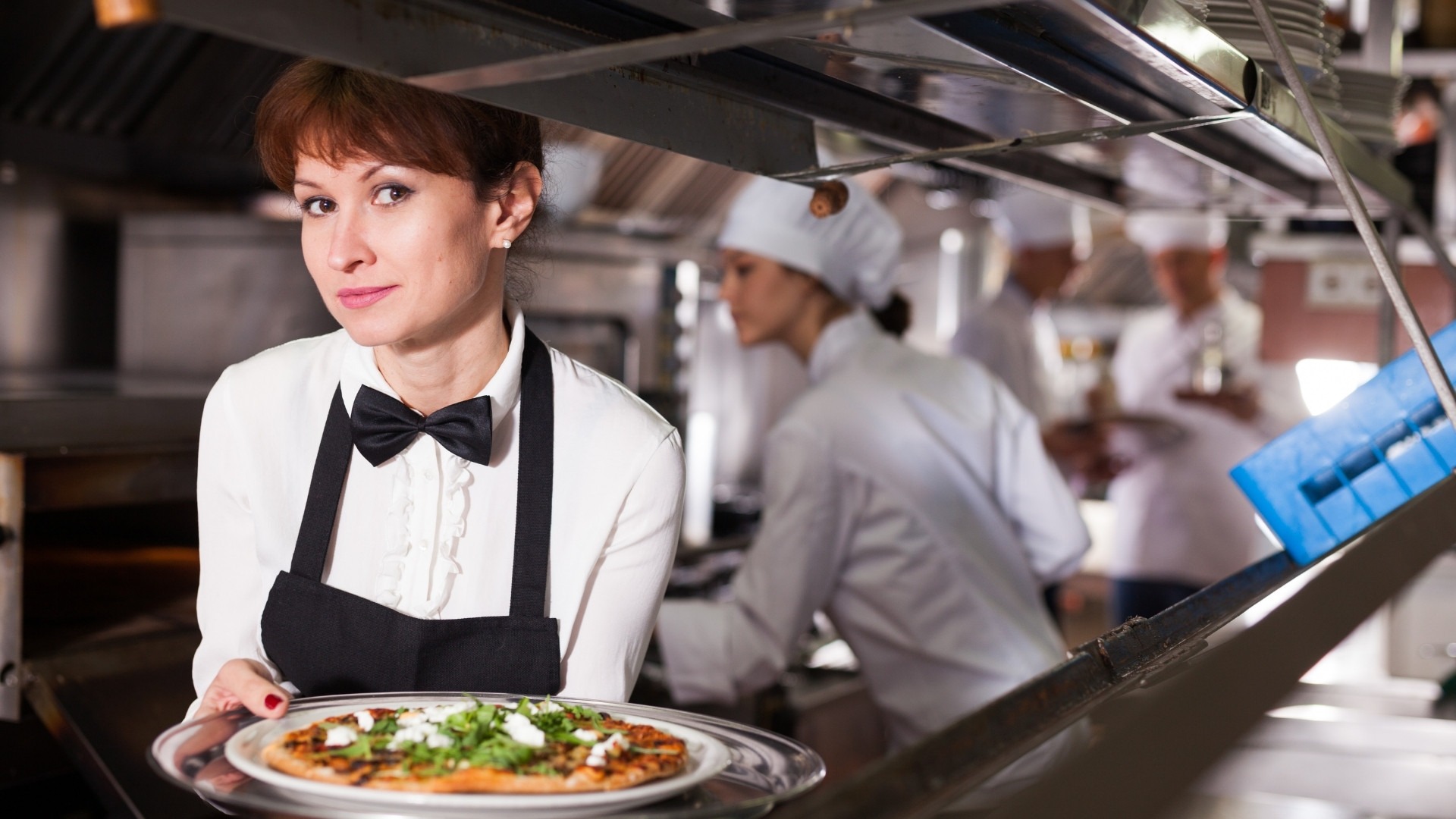
Restaurant labor costs include all expenses related to hiring, managing, and retaining your staff. This goes beyond just wages, it also includes training time, scheduling effort, and inefficiencies in daily operations.
Since labor typically accounts for 25% to 35% of total revenue, even small improvements in how it is managed can directly impact profitability. Instead of treating labor as a fixed expense, it should be seen as something that can be optimized for better performance.
To understand where these costs come from, it helps to break them into key components:
When these areas are clearly understood, it becomes easier to control spending and improve efficiency. The goal is not to reduce labor blindly, but to ensure every working hour contributes to smoother operations, better service, and higher revenue.
Once the structure of labor costs is clear, the next question is why so many restaurants still struggle to manage them effectively in day-to-day operations.
Labor costs rarely increase because of one big mistake. They grow slowly through small inefficiencies that go unnoticed in daily operations. When systems are not structured, even well-run restaurants end up spending more without realizing where the loss is happening.
Here are the most common reasons why labor costs become difficult to control:
These challenges do more than increase costs. They slow down service, create pressure on staff, and affect the overall customer experience.
When these gaps are addressed with better planning, smarter systems, and clear workflows, labor costs become easier to control without reducing service quality.
Also Read: Top 10 Restaurant Advertising Campaigns: Inspiration from Top Ads
After understanding the challenges behind rising labor costs, the next step is to look at practical strategies that help reduce restaurant labor costs in a structured and sustainable way.
The Restaurant Margin Playbook shows you how to build a direct ordering channel, own your customer relationships, and reclaim the margins delivery platforms are quietly taking.
Download the eBook →.png)

To reduce restaurant labor costs in a meaningful way, the focus must shift toward smarter staffing decisions, better workflows, and reducing time wasted on non-revenue tasks. When these areas are optimized, restaurants can lower costs while still maintaining strong service quality.
Below are the most effective strategies to achieve this balance.
One of the biggest causes of labor waste is staffing without understanding actual customer demand.
When teams are scheduled based on assumptions instead of data, restaurants often end up overstaffed during slow hours and underprepared during peak rushes.
How it helps: Aligning shifts with real order patterns ensures every working hour is productive and necessary.
Examples include increasing staff during weekend dinner peaks and reducing weekday afternoon shifts when demand is consistently lower. This helps maintain service quality while avoiding unnecessary payroll costs.
A significant portion of staff time is often spent simply taking, entering, and managing orders. When this process is manual, it not only slows down operations but also increases the chance of errors that lead to rework and wasted labor.
How it helps: Automating order flow reduces the need for staff involvement in repetitive tasks.
Examples include QR-based ordering at tables or digital menus where orders go directly to the kitchen system. This reduces workload on front-of-house staff and improves overall speed.
Many routine interactions in restaurants do not require direct staff involvement. When customers can complete simple actions themselves, it reduces pressure on staff during busy hours.
How it helps: Self-service systems reduce dependency on employees for basic ordering and payment tasks.
Examples include self-order kiosks in quick-service setups or mobile ordering from the table without waiting for assistance. This allows restaurants to operate efficiently with fewer staff during peak times.
Restaurants often hire staff for very specific roles, which limits flexibility during operations. This creates situations where additional staff must be hired even for short-term demand spikes.
How it helps: Training employees to handle multiple roles increases operational flexibility.
Examples include servers assisting with packaging during delivery rush or kitchen staff supporting order coordination during peak hours. This reduces the need for extra hiring and improves shift efficiency.
You can also use platforms like iOrders to reduce labor costs by minimizing the need for additional staff during high-demand periods. Since orders are automated and flow directly to the kitchen, operations run more smoothly with fewer manual tasks, allowing your existing team to handle higher order volumes efficiently without increasing headcount.
A disorganized kitchen often leads to wasted movement, delays, and inefficient use of staff time. Even small inefficiencies in prep or coordination can increase labor hours significantly over time.
How it helps: Standardized processes and structured kitchen layouts improve speed and reduce unnecessary effort.
Examples include pre-prepared ingredients for high-demand dishes or clearly defined stations for cooking and plating. This allows fewer staff to handle higher order volumes efficiently.
A large portion of managerial work is often spent on repetitive back-end tasks that do not directly impact customers. This pulls attention away from operations and increases indirect labor cost.
How it helps: Automating administrative work reduces manual effort and improves efficiency.
Examples include automated staff scheduling, digital payroll systems, use AI-powered review system, or real-time reporting dashboards. This frees managers to focus on service quality and business growth.
Without measurement, it becomes difficult to understand where labor is being wasted. Many inefficiencies remain hidden until performance is actively tracked and analyzed.
How it helps: Monitoring productivity helps identify where staffing or workflow adjustments are needed.
Examples include tracking sales per labor hour or analyzing average order preparation time across shifts. This leads to more accurate staffing decisions and better cost control.
High employee turnover increases hiring costs, training time, and operational inconsistency. It also creates pressure on existing staff, which can reduce efficiency further.
How it helps: Retaining trained employees reduces long-term labor expenses and improves service consistency.
Examples include offering stable shift schedules or creating incentive programs for consistent performance. This results in a more experienced and efficient workforce.
Labor planning that is disconnected from revenue patterns often leads to overspending. Staffing should always reflect expected demand rather than fixed schedules.
How it helps: Adjusting workforce size based on revenue trends ensures balanced labor spending.
Examples include increasing staff during weekends or reducing shifts during predictable low-traffic periods. This keeps labor costs aligned with business performance.
When restaurant tools are disconnected, staff often repeat work across multiple systems. This creates confusion, delays, and unnecessary workload.
How it helps: Integrated systems reduce duplication and improve coordination across operations.
Examples include combining ordering, scheduling, inventory, and reporting into a single dashboard. This improves visibility and reduces manual coordination efforts.
Now that we’ve explored how labor costs can be managed better, it’s equally important to understand what happens when these costs are left unchecked.

Labor costs don’t suddenly become a problem, they grow slowly through daily inefficiencies that often go unnoticed. When there is no clear control over staffing, scheduling, and workload distribution, the impact starts showing in both operations and profitability.
Here’s what typically goes wrong when labor cost control is weak:
When these patterns continue, they don’t just increase costs, they gradually reduce efficiency, consistency, and long-term business stability.
Even with the right intention, many restaurants still fall into common operational mistakes that quietly increase labor costs over time.
Also Read: 10 Best Online Ordering Conversion Strategies For Restaurants
Managing labor costs is not only about reducing staff or cutting hours. In most restaurants, costs rise because of repeated operational gaps that go unnoticed in daily work. Small inefficiencies in planning, scheduling, and execution slowly increase overall expenses.
The good news is that most of these issues can be fixed with better systems and simple process changes. Below are the most common mistakes and what to do instead:
Once these challenges and mistakes are clear, the next step is understanding how the right system can simplify operations and directly help reduce restaurant labor cost.
Many restaurants find it hard to control labor costs because daily work depends too much on manual effort. Staff spend time on repeated tasks, schedules don’t always match demand, and operations become harder to manage during busy hours.
A better way is to simplify work, reduce manual effort, and let systems handle routine tasks so your team can focus on serving customers.
Here are some of the ways iOrders helps reduce restaurant labor cost and improve efficiency:
Restaurants using iOrders have increased their active customer base by 288% in the first year while also improving day-to-day efficiency. By reducing manual work and improving planning, restaurants can lower labor costs, maintain good service, and grow without increasing staff pressure.
Book a free demo today to see how smarter labor management can reduce costs, improve efficiency, and support long-term business growth.
.webp)
1. What is considered a healthy labor cost percentage for restaurants?
Most restaurants aim to keep labor costs between 25% and 35% of total revenue. A quick-service setup may operate closer to the lower end, while full-service restaurants often run slightly higher due to service requirements.
2. What is the fastest way to reduce restaurant labor costs?
The quickest improvement usually comes from fixing scheduling gaps. Adjusting shifts based on actual demand, like reducing extra staff during mid-afternoon slow hours, can immediately lower unnecessary labor spend.
3. How do you know if your restaurant is overstaffed?
If employees have long idle periods, such as servers waiting without active tables or kitchen staff with no pending orders, it often indicates overstaffing during those time slots.
4. How can scheduling improve labor cost control?
Using sales patterns to plan shifts ensures the right number of staff at the right time. For example, increasing staff just before dinner rush instead of throughout the entire day helps balance cost and service.
5. Can technology really help reduce restaurant labor costs?
Yes, tools like automated ordering, kitchen display systems, and scheduling software reduce manual work. When orders go directly from a QR menu to the kitchen, fewer staff are needed for order handling.
6. How does employee training impact labor costs?
Well-trained staff work faster and make fewer mistakes. A team member who can handle both billing and order coordination reduces the need for multiple roles during the same shift.
7. Why is high employee turnover expensive for restaurants?
Frequent hiring leads to repeated onboarding, training time, and lower productivity. Replacing one experienced staff member often costs more than retaining them through better scheduling and work conditions.
8. What role does automation play in long-term cost reduction?
Automation creates consistency and reduces dependency on manual processes. Over time, this leads to fewer errors, lower staffing pressure, and more predictable labor expenses while maintaining service quality.