July 1, 2025
The fast food industry is no longer driven by burgers and convenience alone. In 2026, the most profitable franchises are the ones that have figured out how to combine operational efficiency, digital ordering, customer loyalty, and scalable systems into a repeatable business model.
Consumer behavior has shifted significantly over the last few years. Customers now expect fast mobile ordering, reliable delivery, self-service kiosks, loyalty rewards, and consistent experiences across every location. At the same time, franchise owners are dealing with rising labor costs, delivery commission pressures, tighter margins, and growing competition from both legacy chains and digital-first restaurant brands.
That shift has changed what profitability actually looks like in fast food.
In this blog, we’ll break down the top 15 most profitable fast food franchises of 2026, what makes each brand successful, how they generate revenue at scale, and the operational trends driving franchise profitability across the restaurant industry today.
The most profitable fast food franchises in 2026 combine high customer demand, operational efficiency, strong digital ordering systems, and repeat purchase behavior that creates predictable long-term revenue.
Here are the 15 fast food franchises leading the industry in profitability, scalability, and long-term growth potential.
The Restaurant Margin Playbook shows you how to build a direct ordering channel, own your customer relationships, and reclaim the margins delivery platforms are quietly taking.
Download the eBook →.png)
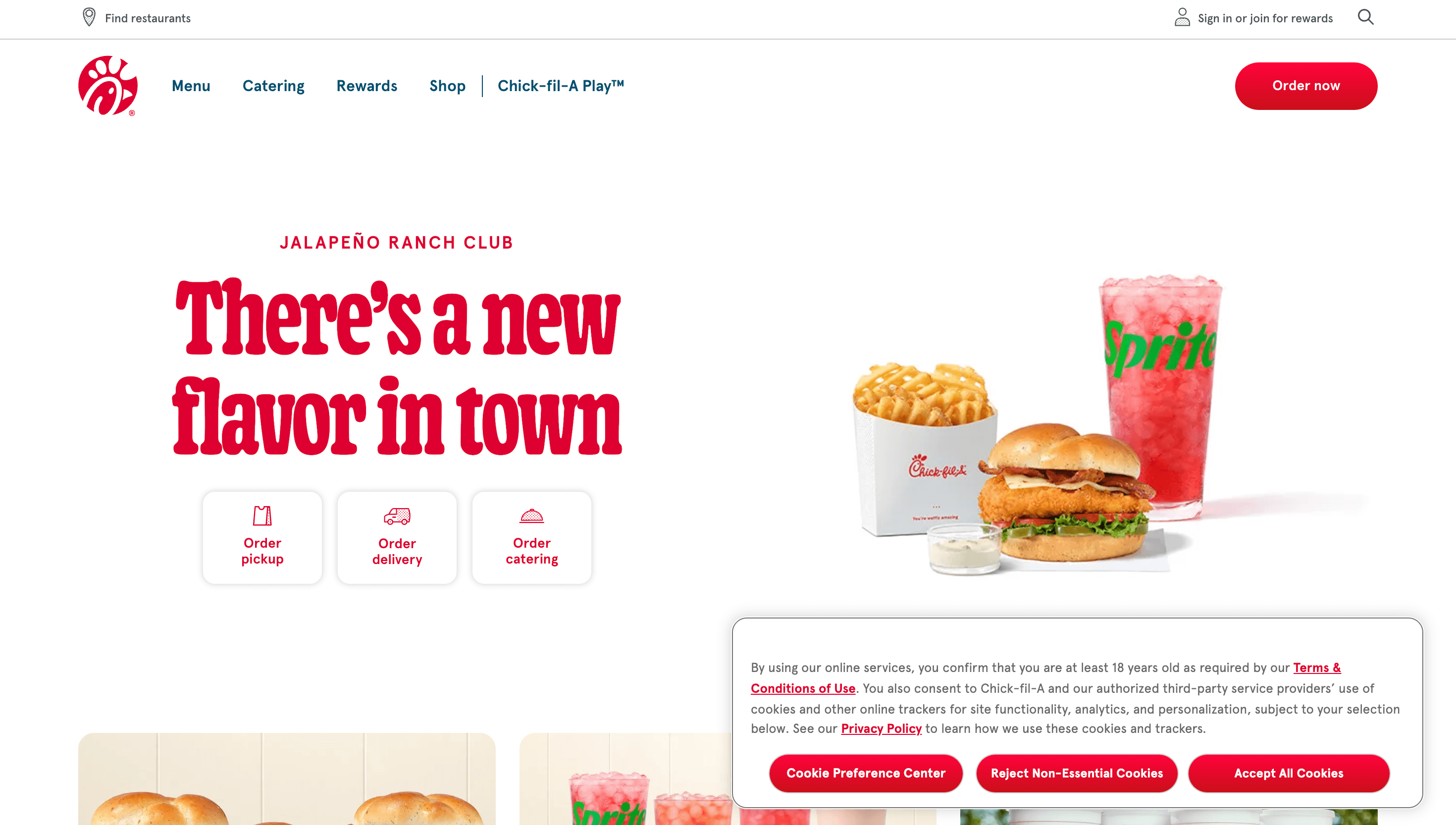
Founded in 1967, Chick-fil-A has built one of the strongest reputations in the fast food industry through operational consistency, customer service, and an unusually disciplined business model. Unlike most major QSR chains, Chick-fil-A remains closed on Sundays, yet still generates higher per-location sales than nearly every competitor in the category.
The brand’s profitability comes from a highly focused menu, exceptional drive-thru efficiency, and extremely strong customer loyalty. Rather than overextending the menu, Chick-fil-A concentrates heavily on operational execution around its core chicken products. The company also maintains strict control over franchise ownership, which helps preserve consistency across locations and keeps operational standards unusually high.
Suggested read: Top 10 Restaurant Categories That Help Grow Your Business
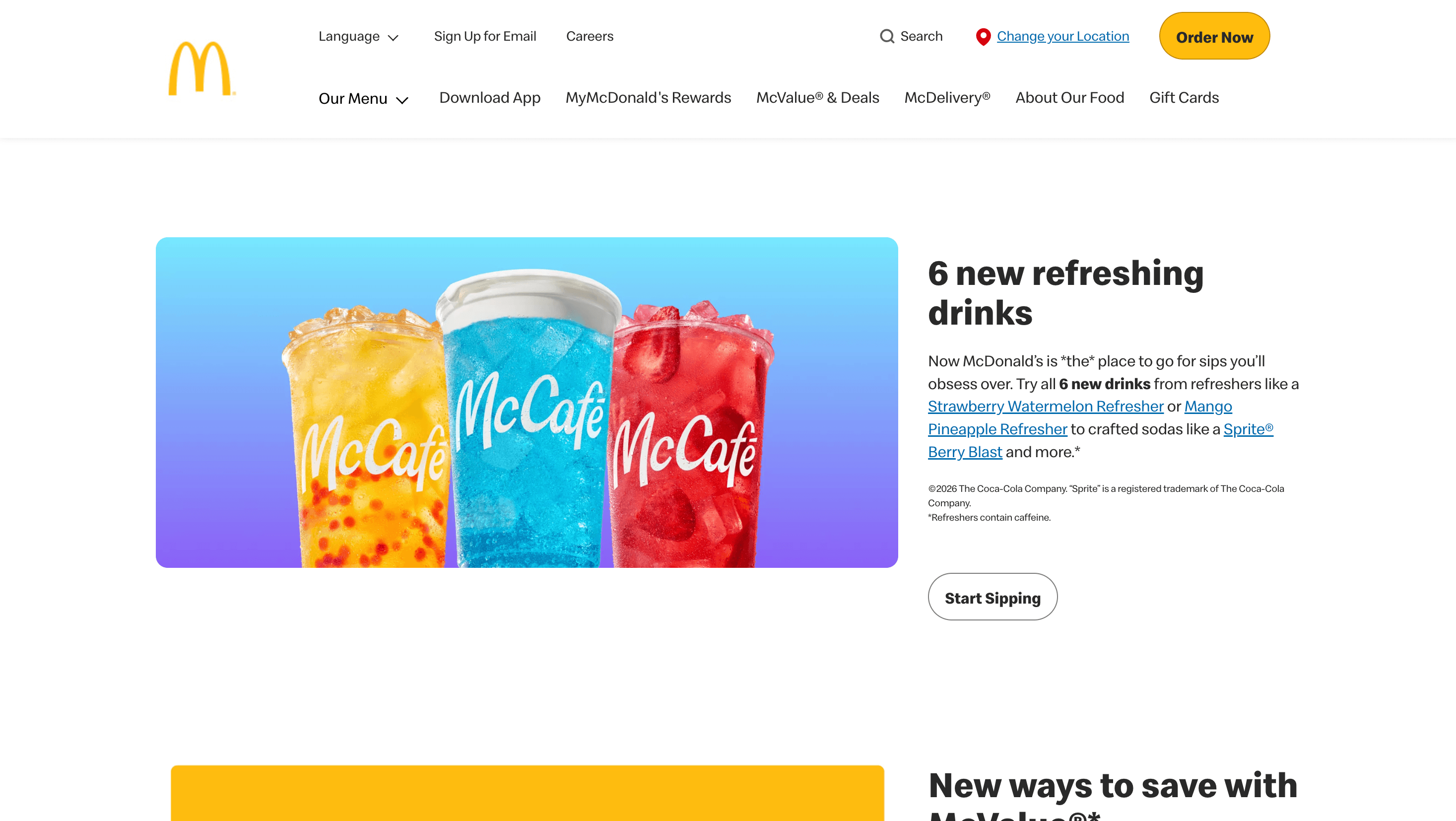
Founded in 1955, McDonald's remains the largest and most operationally sophisticated fast food franchise system in the world. Its scale, real estate strategy, supply chain infrastructure, and brand recognition continue to make it one of the safest long-term franchise investments in QSR.
McDonald’s profitability comes from consistency and operational leverage. The company performs strongly across breakfast, lunch, late-night dining, drive-thru traffic, delivery, and digital ordering. The brand’s investment into self-service kiosks, loyalty programs, and app-based ordering has also strengthened customer retention while improving throughput during peak periods.
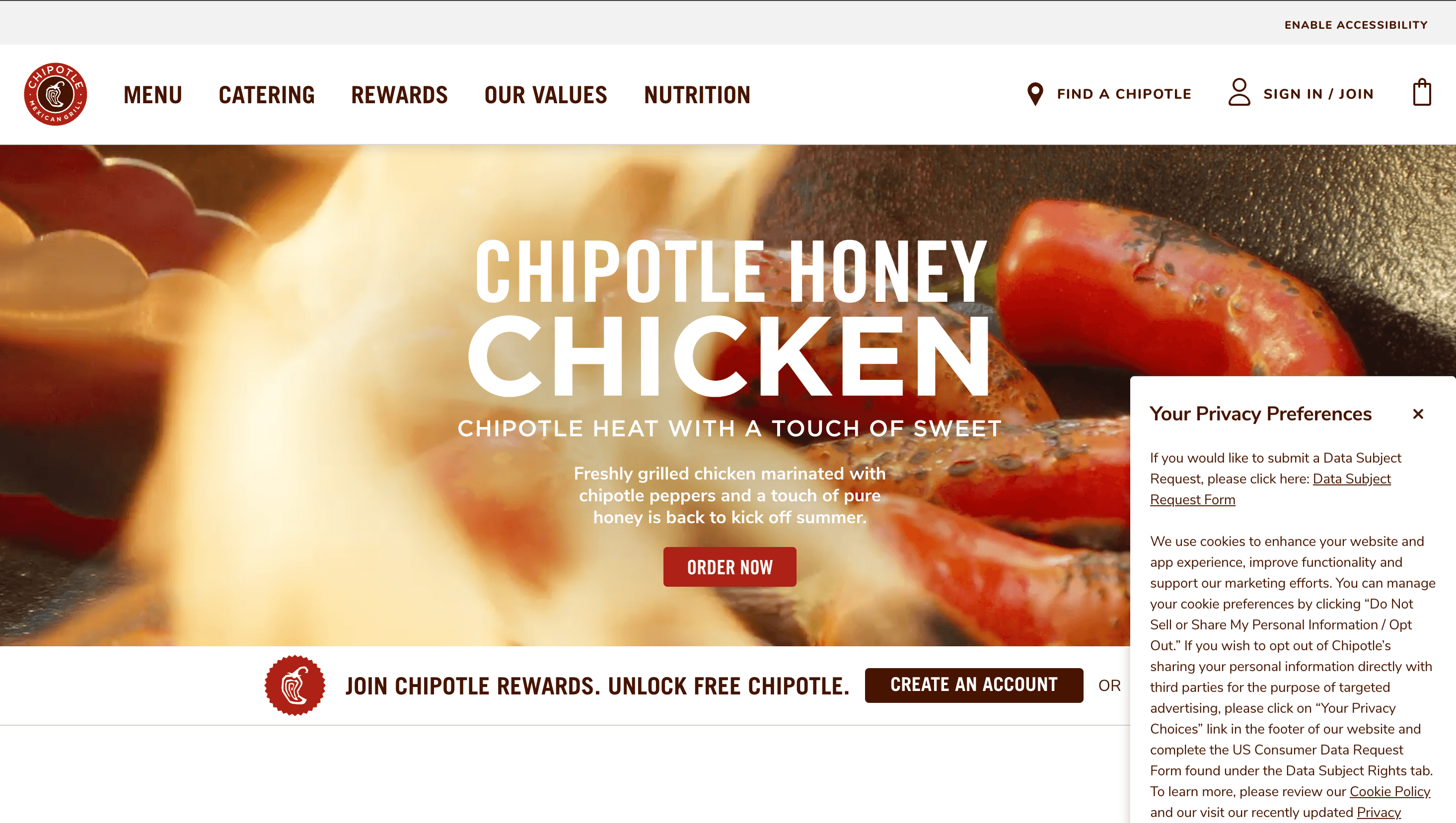
Founded in 1993, Chipotle Mexican Grill transformed the fast-casual category by proving customers would pay more for fresher ingredients and customizable meals served quickly. Although the company does not franchise traditionally, its operational model has become one of the most studied in the restaurant industry.
Chipotle’s profitability is heavily tied to throughput efficiency and digital ordering. The company streamlined kitchen operations around a limited ingredient system while maximizing customization for customers. Its Chipotlane pickup format and strong mobile ordering adoption have helped the brand maintain high sales volumes while reducing pressure on dine-in operations.
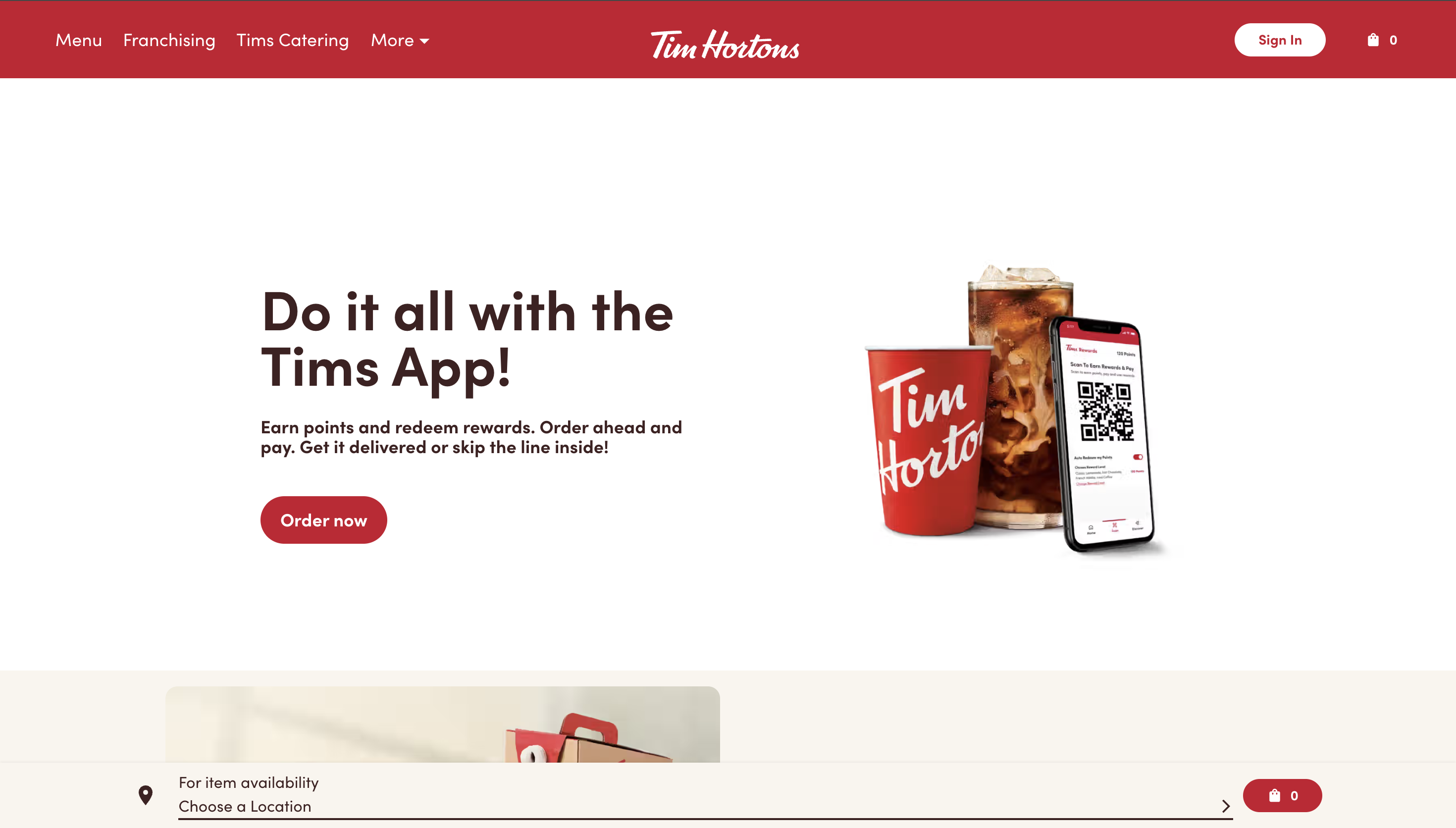
Founded in 1964, Tim Hortons remains one of the most recognizable restaurant brands in Canada. The company built its dominance through everyday affordability, breakfast convenience, and a deep connection with Canadian consumer habits.
Tim Hortons benefits from extremely high transaction frequency. Coffee purchases, breakfast wraps, baked goods, and seasonal promotions generate repeat visits throughout the day. Its wide footprint across highways, suburban neighborhoods, city centers, and drive-thru locations also creates remarkable accessibility for customers.
Founded in 1960, Domino's Pizza became one of the most profitable pizza franchises by investing aggressively in technology and delivery infrastructure years before competitors adapted. The company transformed itself from a traditional pizza chain into a logistics-focused digital ordering business.
Domino’s strength comes from operational efficiency and delivery optimization. Its ordering ecosystem, driver routing systems, app infrastructure, and carryout strategy create strong margins for franchisees. The brand’s simplified dine-in footprint also keeps operational costs relatively lean compared to traditional casual dining pizza chains.
Founded in 1994, Wingstop has become one of the fastest-growing franchise concepts in the chicken category. Its business model is built around a highly focused menu, delivery-friendly products, and relatively low operational complexity.
Wingstop performs strongly because of its lean setup and high-margin menu structure. Chicken wings and tenders generate strong average tickets while requiring smaller restaurant footprints and lower dine-in overhead than many competitors. The brand also benefits heavily from delivery demand and sports-event ordering behavior.
Also read: Fast and Casual Restaurants: A 2026 Guide to Scaling Profit and Speed
Founded in 1969, Wendy's differentiated itself early through its “fresh, never frozen” beef positioning. Over time, the brand has maintained relevance through value-focused offerings, recognizable menu items, and steady modernization efforts.
Wendy’s profitability increasingly depends on digital growth, international expansion, and drive-thru efficiency. The company has invested heavily in redesigning stores, improving mobile ordering, and optimizing labor structures to strengthen franchise economics during a period of rising operational costs.
Founded in 1954, Burger King remains one of the world’s largest franchise-heavy restaurant systems. The brand built its identity around flame-grilled burgers and menu customization, positioning itself as a direct competitor to McDonald’s globally.
Burger King’s profitability comes largely from its global scale and operational familiarity. The company’s ongoing remodeling initiatives and modernization programs are designed to improve customer perception, drive-thru performance, and average ticket values across aging restaurant locations.
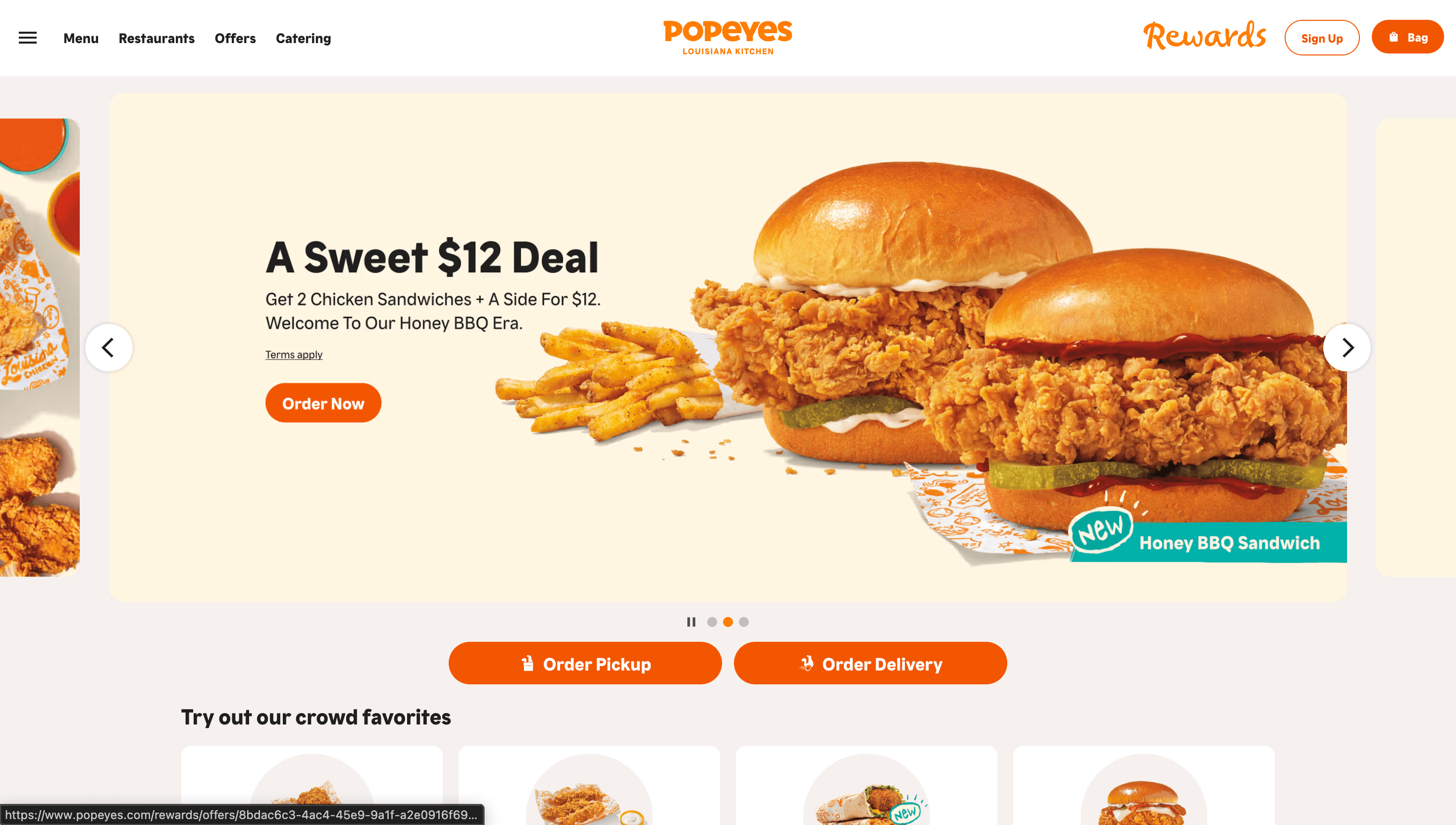
Founded in 1972, Popeyes became one of the biggest winners in the chicken sandwich category after its viral product launch reshaped customer traffic and brand awareness permanently.
Popeyes benefits from strong flavor differentiation and high demand for fried chicken globally. The brand’s Louisiana-inspired menu positioning gives it a more distinct identity compared to broader QSR competitors, while delivery growth continues supporting strong off-premise sales.
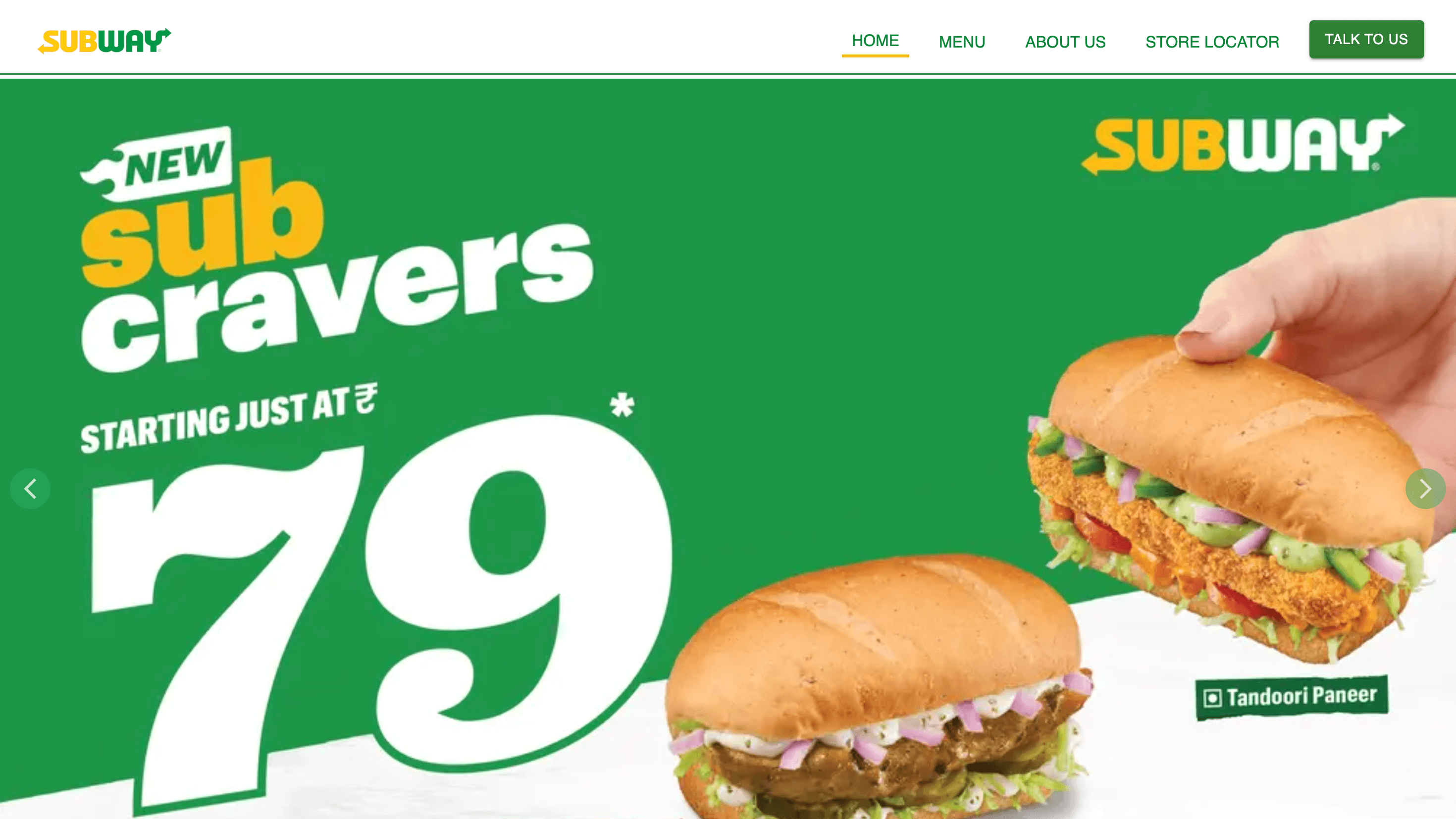
Founded in 1965, Subway remains one of the most accessible franchise systems because of its lower startup costs and smaller operational footprint compared to many large QSR competitors.
Although per-unit sales are lower than premium fast-casual brands, Subway’s scalability continues attracting franchise investors. The company has also been modernizing its menu, store design, and digital ordering infrastructure in an effort to strengthen traffic and improve overall brand perception.
Founded in 1956, Jersey Mike's Subs has emerged as one of the strongest-performing sandwich franchises in North America by focusing heavily on freshness and premium product quality.
The brand’s “slice fresh in front of you” positioning creates a stronger perception of quality than many traditional sandwich competitors. Combined with strong same-store growth and loyal repeat customers, Jersey Mike’s has developed a highly attractive franchise profile in the fast-casual segment.
Suggested read: How to Boost Restaurant Sales Across Dine-In and Online
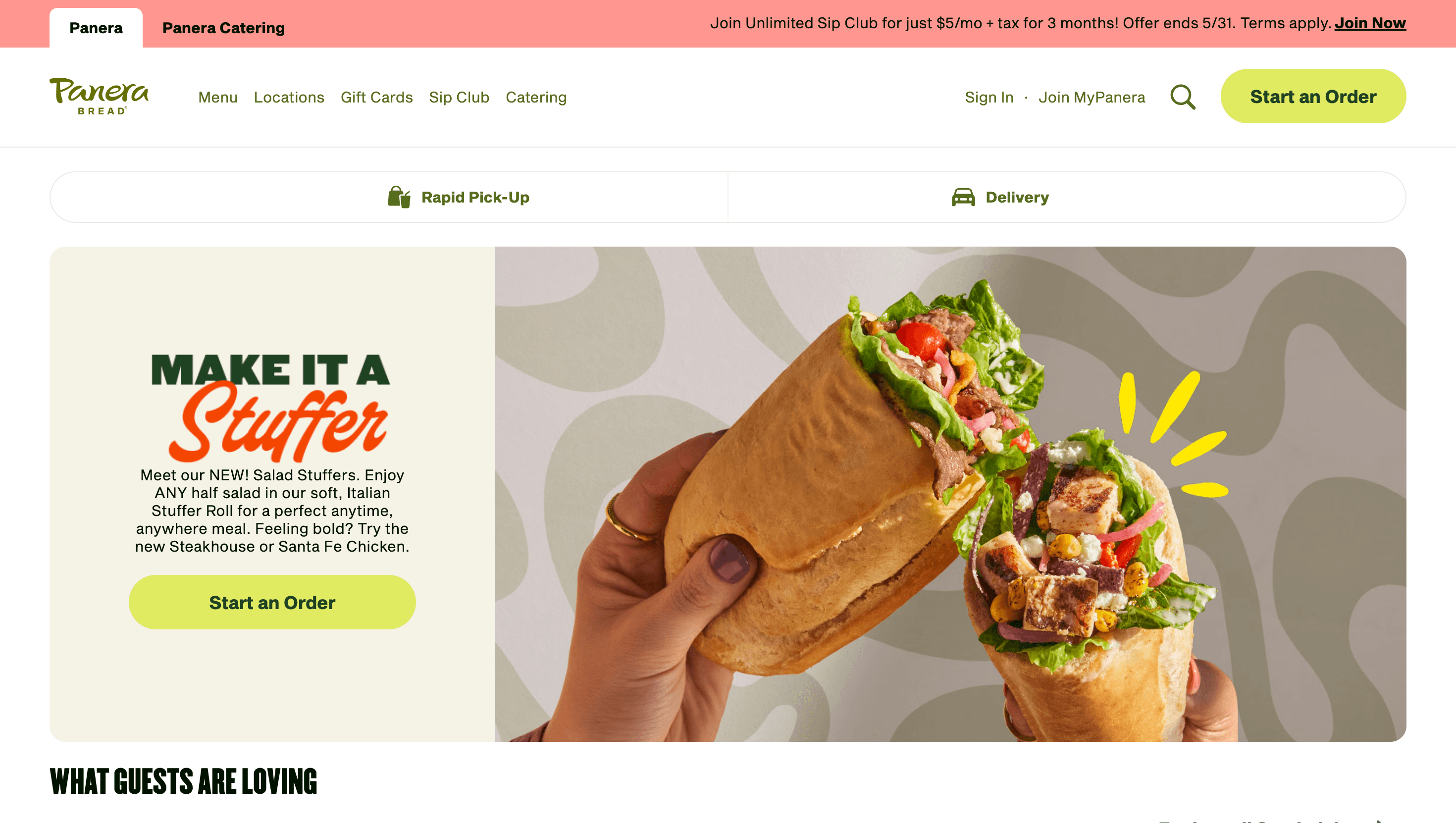
Founded in 1987, Panera Bread built its brand identity around the idea of "You Pick Two" combinations, clean ingredients, and a café-style environment that sits above typical QSR but below full-service dining.
Panera performs especially well in suburban and professional markets where customers value speed without sacrificing perceived quality. Catering, subscription beverage programs, loyalty systems, and digital ordering have become increasingly important parts of the brand’s profitability structure.
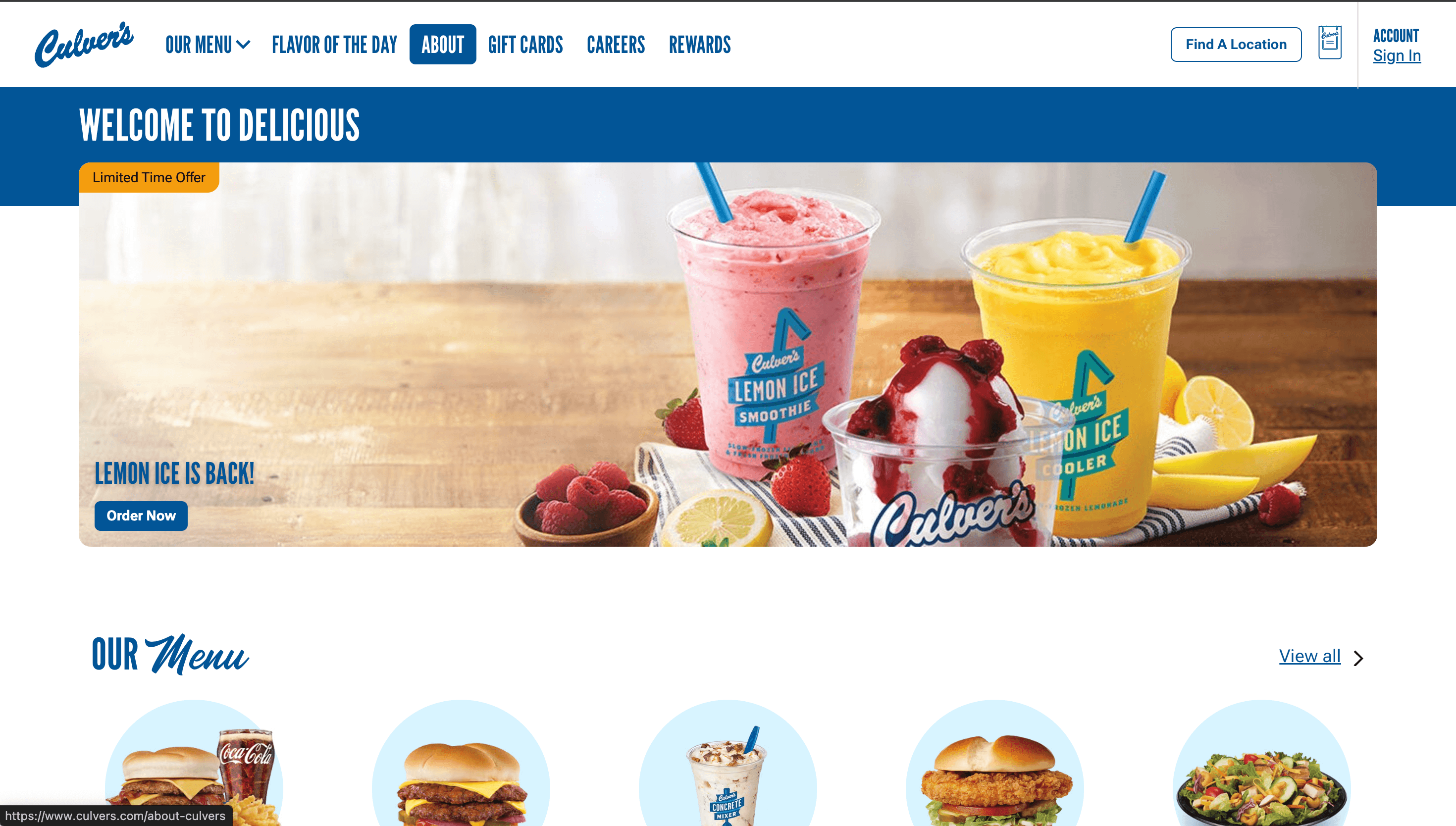
Founded in 1984, Culver's built a deeply loyal regional customer base through premium burgers, frozen custard, and strong hospitality-focused operations.
Unlike aggressively expanding chains, Culver’s has maintained slower and more selective growth. That approach has helped preserve operational quality and customer trust, which translates into impressive repeat business and unusually strong average unit volumes for the category.
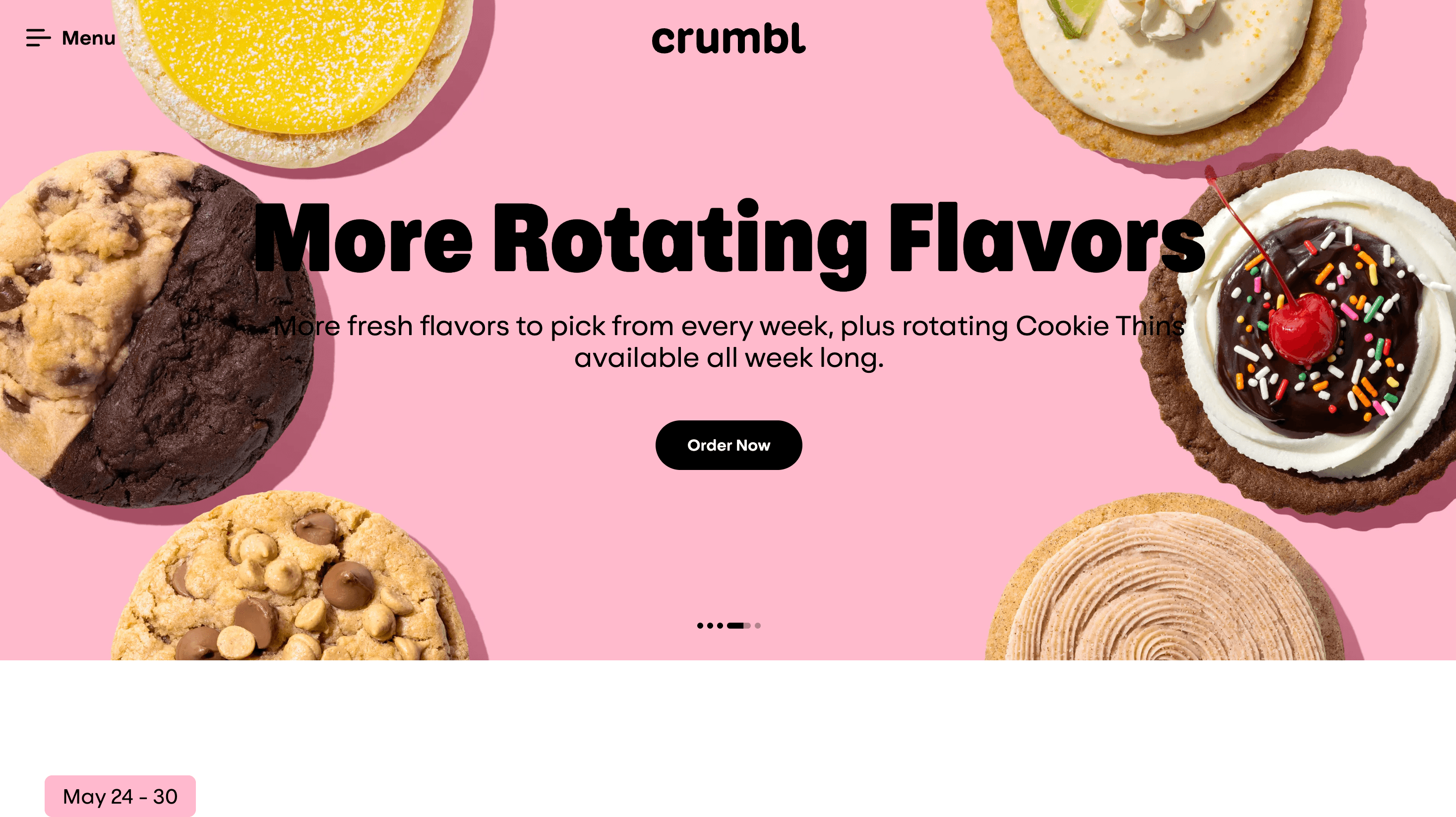
Founded in 2017, Crumbl Cookies became one of the most explosive growth stories in modern food franchising by combining highly visual products with social media-driven marketing.
The company’s rotating weekly menu creates urgency and repeat visits in a way traditional bakery concepts rarely achieve. Combined with delivery demand, premium pricing, and strong TikTok visibility, Crumbl has built a highly profitable dessert-focused model in a relatively short time.
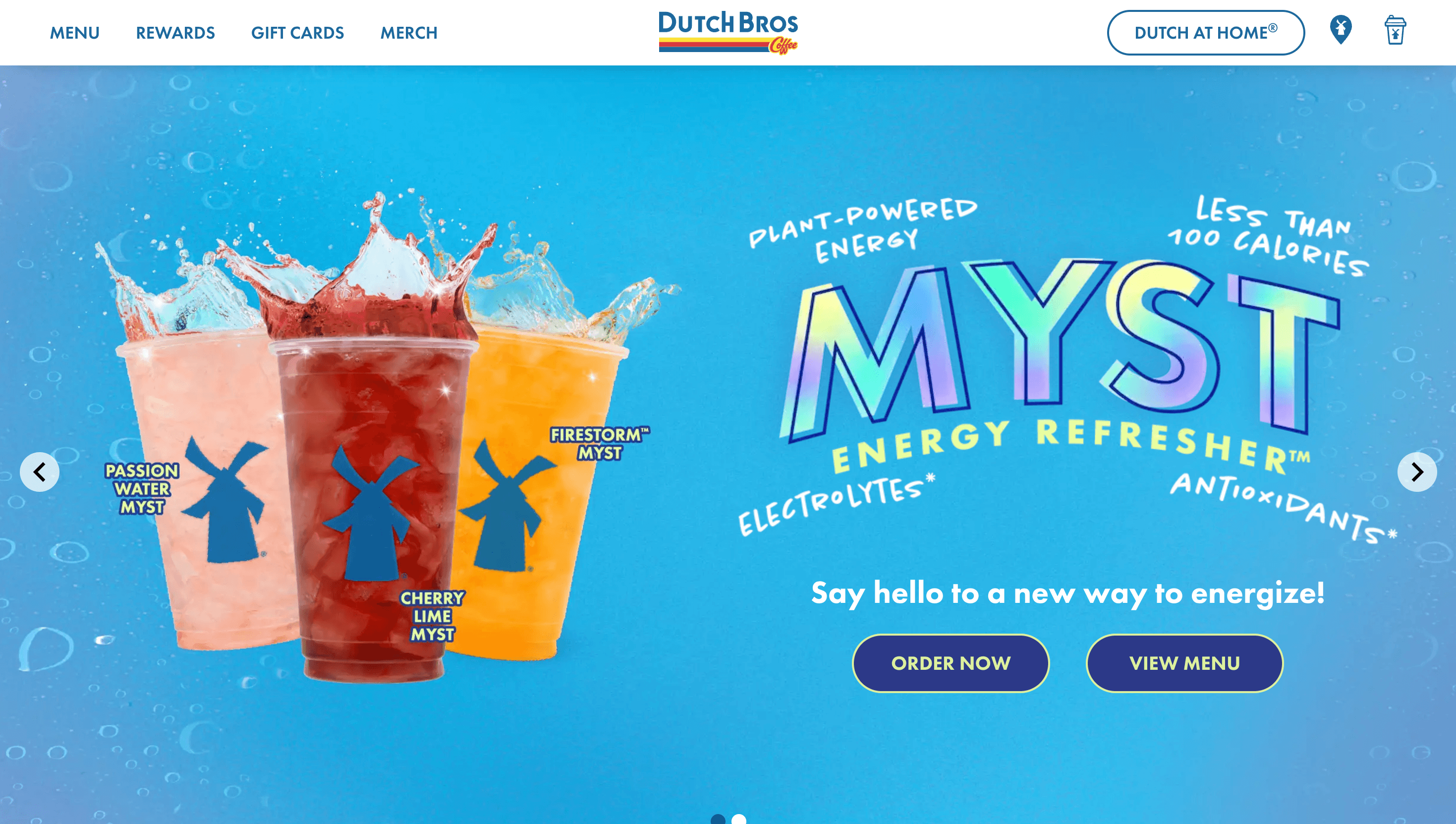
Founded in 1992, Dutch Bros Coffee has developed a cult-like following through its energetic service culture, highly customizable drinks, and drive-thru-focused model.
The brand performs particularly well with younger demographics who value personalization, convenience, and loyalty-based rewards. Dutch Bros also benefits from high customer frequency, which creates highly predictable recurring revenue once locations become established.
These top 10 franchises have managed to stand out in the competitive fast-food industry, thanks to their strategic focus on operational excellence, customer engagement, and brand loyalty.
A fast food franchise becomes profitable when the business can consistently generate strong order volume while keeping operational costs predictable and scalable. Brand recognition helps, but profitability depends far more on location efficiency, operational systems, labor management, customer retention, and how well the franchise adapts to changing consumer behavior.
Many franchise owners assume high sales automatically mean high profits. In reality, some high-revenue restaurants still struggle because of rising labor costs, excessive delivery commissions, poor inventory control, or operational inefficiencies during peak hours.
The most profitable fast food franchises usually share a few common characteristics:
In 2026, profitability is increasingly tied to operational efficiency and digital convenience. Fast food brands that create faster ordering experiences, smoother kitchen workflows, and stronger customer retention systems tend to outperform franchises relying only on brand popularity alone.
Also read: 10 Smart Restaurant Upselling Techniques to Grow Your Size
Now, let's explore how iOrders can help fast-food franchises streamline their operations and drive greater profitability.
When expanding a fast-food franchise, maintaining uniformity across multiple locations while maximizing operational efficiency is key to long-term success.
iOrders offers a comprehensive suite of services that empower franchise owners to streamline their operations and ensure a consistent brand experience at every franchise location.
Here is what iOrders has to offer.
iOrders provides a centralized platform that enables franchise owners to manage their operations consistently across all locations. From order processing to delivery, each franchise can provide a standardized customer experience that reflects the brand's core values.
From menu offerings to loyalty programs and promotional campaigns, iOrders ensures that customers receive the same high-quality service, regardless of location.
With iOrders' commission-free online ordering system, franchise owners can avoid the high fees typically associated with third-party apps. It means that 100% of the profits from each order go directly to the restaurant.
The system enables franchisees to maintain complete control over pricing, promotions, and customer data, providing them with the tools to enhance profitability while fostering a direct relationship with their customers.
iOrders integrates with POS systems, ensuring online, app, or in-store orders are automatically updated. This reduces errors, speeds up service, and enhances operational efficiency.
Franchise owners benefit from fewer human errors and more efficient kitchen operations, which help accelerate processes during peak hours and maintain customer satisfaction.
iOrders' data-driven insights empower franchise owners to create targeted marketing campaigns tailored to customer preferences and behaviors. Their Smart Campaigns can be standardized across all locations, ensuring consistent and effective communication with customers.
With automated marketing tools, franchisees can effectively manage loyalty programs, offer promotions, and connect with their customer base through personalized messages, thereby enhancing repeat business and customer loyalty.
Franchise owners can implement customizable loyalty and rewards programs across their locations, providing customers with incentives for repeat visits, referrals, and larger orders. These programs can be customized to fit each market's preferences, but are managed from a central platform for consistency.
By utilizing iOrders' loyalty programs, franchisees can build stronger relationships with their customers, driving long-term retention and boosting profitability.
iOrders provides franchise owners with a fully customizable white-label mobile app, ensuring each location maintains its unique branding. This app enables customers to easily place orders for dine-in, takeout, and delivery while staying within the brand experience.
Providing a branded ordering experience enables franchisees to strengthen brand loyalty and ensures that customers can consistently interact with the franchise, regardless of the location.
iOrders offers Delivery-As-A-Service, which allows franchise owners to offer reliable delivery services to customers without relying on third-party food delivery apps like DoorDash or Uber Eats.
This solution enables franchisees to easily scale their delivery operations while minimizing the overhead costs associated with hiring and managing a delivery workforce. With seamless integration, iOrders ensures that each delivery meets the brand’s high standards.
iOrders' managed marketing services take the burden of marketing off the franchisee's shoulders, offering fully managed campaigns that run across all locations. From email marketing to social media ads, iOrders helps ensure that every location is benefiting from effective, consistent promotional efforts.
By standardizing marketing efforts, franchise owners can focus on running their restaurants, knowing that their brand is being represented accurately and effectively across the board.
The fast-food franchise industry prospers, with chains like Chick-fil-A, Raising Cane's, and Shake Shack leading the way. As consumer demands shift and competition intensifies, the most successful franchises focus on operational efficiency, customer loyalty, and adapting to trends.
In 2026, sustained profitability relies on utilizing technology and optimizing operations, from ordering to delivery. iOrders offers tools to streamline processes, ensuring consistency, reducing costs, and enhancing customer experience across franchises.
Ready to take your franchise to the next level? Contact iOrders today and see how we can help you thrive in the competitive fast-food market.
.webp)
1. How can fast food franchises improve profitability without constantly raising menu prices?
Many franchises improve profitability by optimizing operations, reducing order errors, increasing direct online orders, and improving customer retention through loyalty programs and digital ordering systems.
2. Why are direct online ordering systems important for fast food franchises in 2026?
Direct ordering systems help franchises avoid high third-party commission fees, maintain control over customer data, and create more profitable long-term customer relationships.
3. How do loyalty programs help fast food franchises grow revenue?
Loyalty programs encourage repeat visits, increase customer lifetime value, and help franchises drive more consistent sales through personalized rewards and targeted offers.
4. What operational challenges do multi-location fast food franchises face most often?
Many franchises struggle with inconsistent ordering workflows, disconnected systems, delayed communication, and maintaining a uniform customer experience across locations.
5. How can technology help fast food franchises scale more efficiently?
Integrated systems for POS syncing, QR ordering, delivery management, customer loyalty, and centralized order tracking help franchises streamline operations while improving customer experience and operational visibility.