Book a free demo
Oops! Something went wrong while submitting the form.
November 3, 2025
Imagine a new café opening in downtown Toronto. It has perfected its coffee blend, but foot traffic is slow, and the ads aren’t drawing the right crowd. The issue isn’t the product, it’s the marketing mix. The menu, pricing, location, and promotions aren’t working together.
That’s where the 4 Ps of marketing, like product, price, place, and promotion, make all the difference. This timeless framework helps cafes and restaurants align what they offer with who they serve and how they communicate it.
For restaurant owners, the 4 Ps are a practical playbook for building visibility, loyalty, and profit. This blog explores how each P shapes a restaurant’s path to success and how using them together can turn every table into a returning customer.
At a Glance:
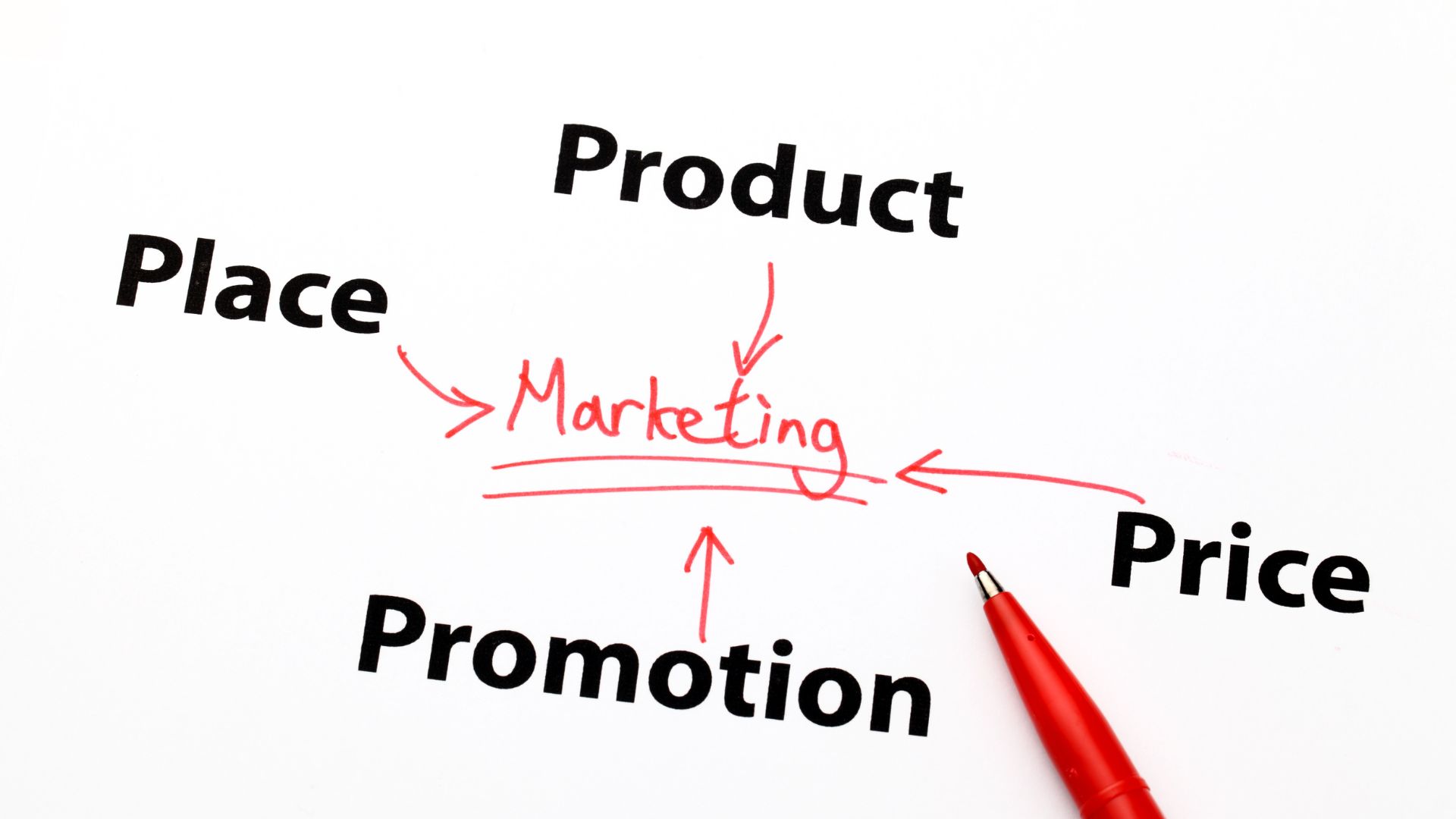
The 4 Ps of marketing may have been conceptualized in the 1950s, but their principles remain foundational for restaurants navigating today’s competitive digital landscape. Originally developed by Neil Borden and refined by E. Jerome McCarthy, the framework helped businesses understand how to structure their offerings to attract and retain customers.
For restaurants, these questions go beyond menu design. They influence how a dish is created, priced, presented online, and promoted across multiple channels, from TikTok campaigns to delivery app listings.
In 2025, diners expect more than a meal, they expect convenience, storytelling, and brand consistency at every touchpoint. Using the 4 Ps strategically ensures restaurants create experiences that drive loyalty and profitability.
In today’s restaurant marketing, Product encompasses everything your business offers: menu items, drinks, meal kits, packaging, and even digital experiences like your ordering app or online reservation system. Successful restaurants define their product not just by ingredients or taste, but by the entire customer experience.
For example, a modern pizza chain might differentiate itself through customizable vegan options, app-exclusive combos, and sustainable packaging. Even smaller cafés leverage unique presentation styles, Instagrammable dishes, or curated seasonal menus to enhance their perceived value.
Product strategy must consider:
Price is no longer just the number on the menu. It’s a signal of value, positioning, and brand promise. Restaurants must balance operational costs, perceived quality, competitive pricing, and promotions.
Dynamic pricing is now a tool: surge pricing for peak hours, loyalty discounts for repeat customers, and bundling offers via delivery apps can all influence purchase decisions. For instance, fast-casual chains like Sweetgreen adjust pricing for online orders versus in-store, accounting for packaging, delivery, and convenience fees—while maintaining transparency to preserve trust.
Restaurants must consider:
Traditionally, Place referred to where your product is sold. Today, it encompasses both physical locations and digital presence. Restaurants need to meet customers wherever they are: in-store, online, or on third-party platforms like Uber Eats, DoorDash, or a white-label system like iOrders.
Key considerations for restaurants in 2025 include:
Promotion combines advertising, public relations, social media, and loyalty campaigns to connect with target audiences. Modern restaurants leverage a mix of digital storytelling, influencer marketing, and hyper-targeted campaigns to ensure visibility and engagement.
Examples of effective promotional strategies:
The goal is to create a cohesive message that resonates across all channels, online, offline, in-app, and in-store. A strong promotional strategy complements the other Ps, ensuring diners understand the value and convenience your restaurant provides.
Many restaurants now consider three additional Ps to fully capture modern marketing complexity:
By integrating these extensions with the original 4 Ps, restaurants can craft experiences that resonate deeply with customers while remaining operationally sound and scalable.
Also Read: How to Make a Small Restaurant Grow: Top 33 Tips

Building a restaurant marketing strategy around the 4 Ps means thinking strategically about every touchpoint, from the dish on the plate to the digital experience customers have when ordering online.
While the Ps often overlap, considering them together ensures your brand delivers a cohesive experience that drives both sales and loyalty.
Here are some strategies you can follow:
1. Define what sets your menu apart
Start with the menu itself. What makes your offerings irresistible? In 2025, diners expect quality, sustainability, and convenience. Highlight what differentiates your dishes: plant-based options, chef-crafted sauces, locally sourced ingredients, or Instagram-worthy presentation.
For delivery, think beyond food: branded packaging, reusable containers, and seamless app experiences become part of the “product” in the eyes of your customers.
Example: A vegan restaurant launches a fully plant-based weekend brunch menu to attract environmentally conscious consumers.
Impact: By aligning product offerings with emerging consumer values, businesses can capture new market segments and increase loyalty.
2. Match value with perception
Pricing is no longer just about covering costs. It signals your restaurant’s positioning. Are you a premium eatery delivering gourmet meal kits, or a fast-casual option focused on affordability and speed?
Consider dynamic pricing strategies for delivery, bundle deals for families, and app-exclusive offers to align perceived value with customer expectations.
Example: A pizza chain uses demand-based pricing for delivery during peak hours and offers bundle discounts during off-peak times.
Impact: Optimizes revenue while maintaining perceived value and customer satisfaction, balancing affordability with profitability.
3. Be where your customers are
Online ordering, third-party delivery apps, and your own branded platform like iOrders are critical. Make your menu easy to find, optimize for search engines and app discoverability, and ensure a consistent brand experience across all channels, from in-store ambiance to digital interactions.
Example: Restaurants integrate their POS with white-label platforms like iOrders and third-party delivery apps, ensuring customers can order via website, app, or Google Maps.
Impact: Increases reach, reduces friction in the customer journey, and provides multiple touchpoints for engagement and repeat orders.
4. Communicate your story effectively
Promotion is about reaching the right audience with the right message at the right time. Use social media, influencer partnerships, email campaigns, and push notifications to showcase seasonal menus, limited-time offers, or loyalty rewards.
In today’s digital-first world, interactive campaigns like polls, AR filters, and behind-the-scenes content can amplify engagement and drive repeat orders.
Example: A café targets nearby office workers with personalized push notifications about morning coffee specials through a mobile app.
Impact: Creates immediate relevance, improves engagement rates, and drives foot traffic or online orders with targeted messaging.
By thoughtfully applying the 4 Ps, restaurants can create a strategic, customer-centered marketing plan that resonates in 2025, blending taste, technology, and storytelling into a unified experience that keeps diners coming back.
Also Read: Kitchen Order Ticket System in a Restaurant: How It Works
iOrders provides restaurants with a comprehensive suite of tools to drive online sales, engage customers, and enhance brand loyalty. From commission-free online ordering and branded websites to AI-powered reviews and targeted marketing campaigns, iOrders enables restaurants to take control of their customer interactions.
Every feature, from loyalty programs to a white-label mobile app, is designed to strengthen the restaurant’s marketing reach, improve engagement, and turn one-time visitors into repeat customers.
Here’s how its services translate into marketing advantages:
With iOrders, restaurants can unify their marketing and operations under a single platform. By leveraging tools like smart campaigns, loyalty rewards, and delivery-as-a-service, restaurants not only simplify day-to-day management but also amplify their brand visibility and customer retention.
In a digital-first era, iOrders empowers restaurants to connect with customers directly, gather actionable insights, and convert interactions into measurable growth, making it an indispensable partner for marketing success.
Also Read: How to Start and Run a Successful Restaurant in 10 Simple Steps
From defining the right product offerings and pricing strategies to optimizing placement and promotion, each element of the 4 Ps of marketing directly impacts customer engagement, revenue, and brand loyalty.
Modern tools like iOrders make applying these principles easier and more effective. Restaurants can not only streamline operations but also strengthen their marketing efforts, turning every customer interaction into an opportunity for growth and repeat business.
Ready to boost your restaurant’s marketing impact? Book a free demo with iOrders today and transform your strategy into measurable growth.
1. How can the 4 Ps be adapted dynamically throughout a product's lifecycle?
The 4 Ps should evolve as a product moves through its lifecycle stages, including introduction, growth, maturity, and decline. During the introduction, emphasis is on promotion to create awareness and a competitive price point. In the growth phase, focus shifts to expanding distribution channels (place) and differentiating the product (product). Maturity requires optimizing pricing strategies and intensively promoting to sustain market share. Finally, in decline, companies may reduce promotional spend, reposition the product, or innovate the offering to extend its life.
2. What role do the 4 Ps play in marketing niche or highly specialized customer segments?
In niche markets, the 4 Ps must be precisely tailored. The product should address specific needs with unique features or formulations. Pricing strategies often reflect exclusivity or premium positioning. Distribution channels might be limited to specialized outlets or direct channels. Promotion must target niche channels, communities, or influencers that resonate with the specialized audience. Customizing these elements enhances relevance and loyalty in niche markets.
3. How can data analytics be integrated into the 4 Ps to improve decision-making?
Data analytics enables marketers to refine each of the 4 Ps by providing insights into customer behavior, preferences, and demand patterns. For product, analytics identify features that resonate most. Price tactics can be optimized through demand elasticity and competitor price analysis. Distribution decisions are informed by customer purchase locations and channel performance data. Promotion effectiveness can be measured via engagement metrics, allowing campaign adjustments in real-time. This integration leads to agile, data-driven marketing strategies.
4. How are sustainability and ethics embedded into each of the 4 Ps?
Sustainability can be integrated within the product by using eco-friendly ingredients or materials. Pricing may reflect fair trade practices or premium for ethical sourcing. Distribution channels can emphasize local or environmentally conscious logistics. Promotional strategies should highlight sustainability credentials transparently. Embedding ethics across all Ps builds brand reputation and appeals to ethically conscious consumers, fostering long-term loyalty.
5. How do the 4 Ps interrelate and influence each other in complex markets?
The 4 Ps are highly interconnected. Changes in one element affect the others. For example, a premium product (product) may require higher prices (price) and targeted promotion to justify the cost, with selective distribution (place). Misalignment causes marketing inefficiencies; therefore, a harmonized approach ensures a consistent brand message and customer experience. Strategic adjustments in one P often necessitate recalibration of others to maintain balance and effectiveness.
6. What are the challenges of applying the 4 Ps in omnichannel and digital marketing?
In omnichannel marketing, ensuring a seamless and consistent experience across online and offline channels is complex. The product presentation, pricing, and promotional messaging must be unified across platforms. Digital channels demand real-time adjustments based on analytics, which complicates coordination. Distribution (place) involves managing multiple logistics and delivery options. Aligning these Ps in a cohesive way is resource-intensive but essential for customer satisfaction and brand integrity.
7. How can startups leverage the 4 Ps differently compared to established enterprises?
Startups often use the 4 Ps to differentiate rapidly. They may price aggressively to penetrate the market, focus intensely on niche segments (place), and build buzz with innovative promotion. Their product development is more flexible, allowing quick adjustments based on feedback. Established firms tend to optimize and scale existing Ps, while startups focus on disruptive approaches, minimal viable products, and direct-to-consumer channels to gain early market share.
.png)