Book a free demo
Oops! Something went wrong while submitting the form.
November 3, 2025
The hospitality industry is entering a new era where technology shapes every guest touchpoint from booking a table to checking out of a hotel. Rapid advances in AI, automation, and digital platforms are redefining how hotels, restaurants, and attractions deliver experiences, blending convenience with personalization like never before.
Whether it is contactless check-ins and AI-driven recommendations or predictive analytics and IoT-enabled kitchens, innovation is now central to hospitality success.
This article explores the top technology trends transforming the hotel and restaurant industry, revealing how businesses can use them to boost efficiency, delight guests, and stay ahead in an increasingly digital marketplace.
At a Glance:
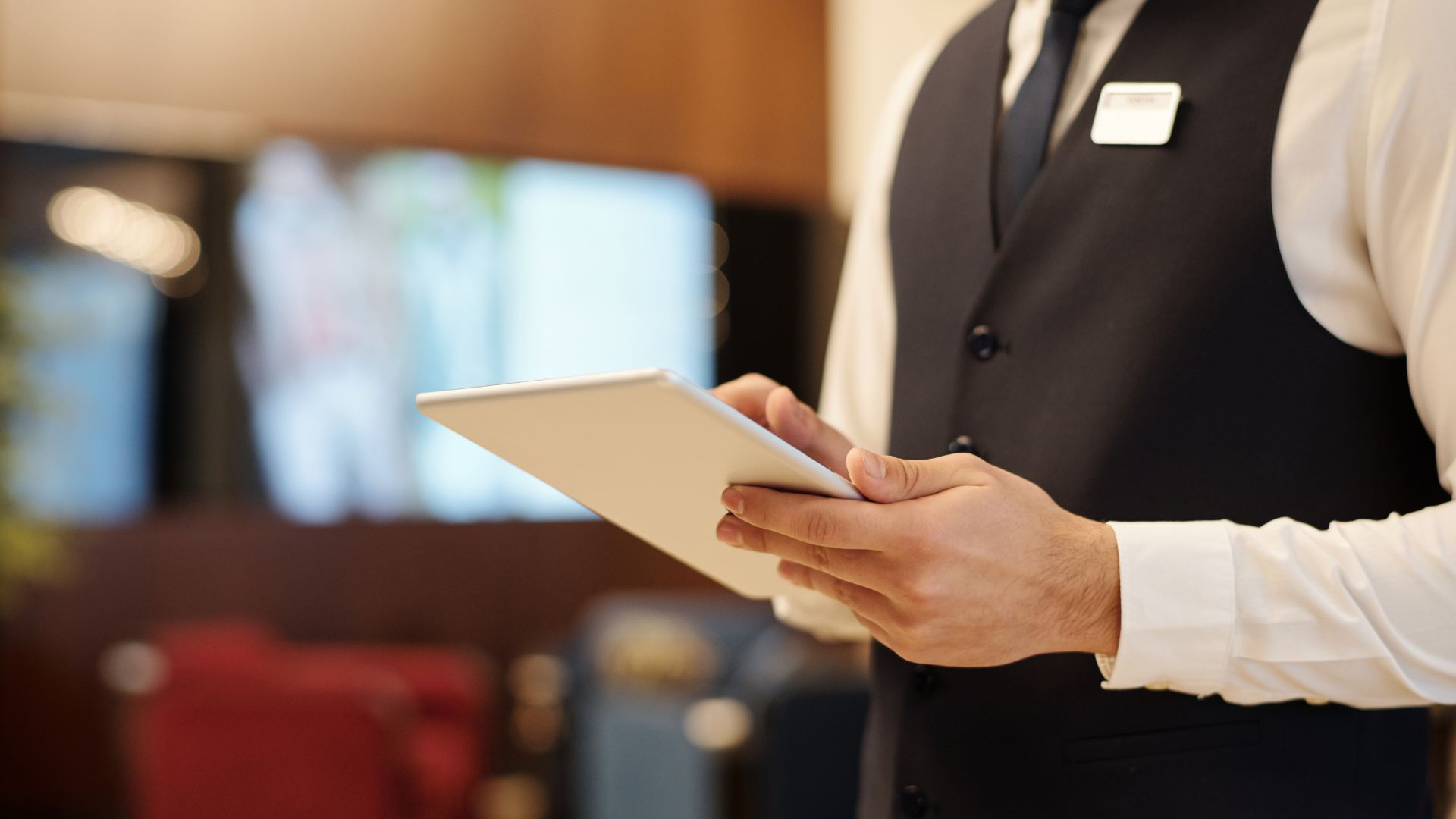
As guest expectations evolve, technology has become the backbone of modern hospitality, shaping how hotels and restaurants operate, engage, and grow.
The following ten IT trends are transforming the industry, helping businesses boost efficiency, sustainability, and guest satisfaction:
AI is now at the heart of hospitality innovation. In hotels and restaurants, AI algorithms analyze historical data to forecast demand, optimize room rates, and personalize guest interactions. From predictive maintenance and menu recommendations to smart inventory management,
In guest-facing applications, AI-driven personalization delivers tailored dining suggestions, room preferences, and loyalty offers, creating experiences that feel curated and memorable.
How it’s used:
Example: A luxury resort chain uses AI to analyze guest preferences from booking history and social media mentions. When a repeat visitor books, the system automatically assigns their preferred ocean-view room, suggests similar past meals, and offers a custom spa discount, turning predictive analytics into meaningful personalization.
With most hospitality operations now online, from reservations to payments, cybersecurity is no longer optional. Hotels and restaurants face growing risks of phishing, ransomware, and data breaches. In 2025, the industry is prioritizing multi-factor authentication, end-to-end encryption, and zero-trust frameworks to safeguard guest data.
Regular employee training, AI-driven threat detection, and compliance with data privacy laws (like GDPR and PIPEDA) are essential for maintaining trust in a tech-driven world.
How it’s used:
Example: A mid-sized hotel integrates a zero-trust security model and biometric access for staff systems. When suspicious login attempts occur, the system automatically flags them and locks the account, preventing unauthorized access to guest billing information, ensuring both compliance and trust.
Mobile apps have become a cornerstone of the hospitality experience. For guests, they offer seamless booking, digital check-in/out, mobile key access, menu ordering, and even real-time chat with staff. For hotels and restaurants, apps create a direct engagement channel, driving upsells, repeat bookings, and loyalty program participation.
How it’s used:
Example: A boutique hotel’s app allows guests to unlock their room, order breakfast, and schedule housekeeping directly from their smartphones. The app learns from previous stays, automatically prioritizing vegan menu options and preferred pillow types for returning guests, creating convenience that feels personal.
Sustainability is now an operational imperative, and energy-saving tech plays a central role. Smart thermostats, motion sensors, and IoT-enabled lighting systems automatically adjust based on occupancy, reducing both costs and carbon footprint.
Restaurants are using kitchen energy management systems, while hotels monitor real-time utility data to optimize usage. Beyond compliance, this shift enhances brand reputation among eco-conscious travelers and diners.
How it’s used:
Example: A global hotel brand deploys smart thermostats and occupancy sensors across its properties. The system automatically turns off lights and air conditioning in vacant rooms, reducing energy costs annually while supporting its carbon-neutral initiative.
The rise of IoT (Internet of Things) is redefining guest convenience. Voice assistants, smart mirrors, and facial recognition systems allow guests to customize lighting, temperature, and entertainment, all from their phones or voice commands.
For staff, smart devices simplify housekeeping schedules, room readiness tracking, and maintenance alerts. This connected environment creates smoother, more responsive operations that elevate overall guest satisfaction.
How it’s used:
Example: A tech-forward hotel chain installs in-room tablets that let guests control curtains, lighting, and music with voice commands. The same system alerts staff when a light bulb or appliance needs servicing, merging convenience with operational efficiency.
Every guest interaction generates valuable data, and big data analytics helps make sense of it. Hotels and restaurants are using advanced analytics to forecast occupancy, predict menu demand, and segment customers more effectively.
Predictive analytics and AI-driven dashboards provide actionable insights that improve marketing ROI, reduce waste, and enable hyper-personalized offers, ensuring that every business decision is backed by data, not guesswork.
How it’s used:
Example: A restaurant group uses data analytics to track guest order histories and time-based trends. When demand spikes for seafood on weekends, the system adjusts supply orders and creates targeted promotions, boosting sales while reducing inventory waste.
VR is changing how hotels and restaurants attract and engage customers. Through 360° virtual tours, potential guests can explore suites, event spaces, or restaurant interiors before booking, boosting confidence and conversion rates.
Restaurants are also experimenting with immersive dining previews or interactive menu showcases. As VR adoption grows, it’s becoming a powerful marketing tool for storytelling and experience-driven hospitality.
How it’s used:
Example: A resort uses VR tours on its website and booking app, letting guests explore suites, beaches, and restaurants virtually. Engagement metrics show that users who interact with VR content are more likely to complete a booking, proving immersive storytelling drives conversion.
AI-powered chatbots have evolved from simple Q&A tools to full-service digital concierges. They handle bookings, FAQs, order tracking, and post-stay feedback, all in real time.
Hotels benefit from reduced front desk load, while restaurants can manage reservations and delivery queries automatically. With multilingual support and 24/7 availability, chatbots enhance response times and create smoother communication without sacrificing personal touch.
How it’s used:
Example: A restaurant chain introduces an AI chatbot that manages table reservations, order tracking, and feedback collection. Guests can modify bookings anytime, while staff focus on service delivery, cutting response times and improving customer satisfaction.
Modern revenue management systems combine AI, big data, and automation to dynamically adjust pricing and inventory. By analyzing real-time market conditions, competitor rates, and demand trends, RMS tools ensure hotels and restaurants maintain profitability year-round.
Beyond rooms and menus, these systems also optimize promotions, minimize underbooking, and identify new revenue opportunities through smarter forecasting.
How it’s used:
Example: A hotel group adopts an AI-driven RMS that analyzes local events, weather, and competitor rates. During a major festival, the system automatically raises rates and optimizes available inventory, achieving an increase in revenue compared to manual pricing.
Cloud computing has revolutionized how hospitality businesses operate. By centralizing data and software on the cloud, hotels and restaurants gain real-time access to reservations, inventory, and customer data from any device.
Cloud-based property management systems (PMS) and restaurant management tools streamline collaboration, reduce IT overhead, and improve scalability, ensuring that teams can adapt quickly to changing guest demands and market conditions.
.How it’s used:
Example: A restaurant franchise uses a cloud-based management platform to monitor inventory, sales, and customer feedback across all branches. Managers access data instantly from any device, enabling quick adjustments to menu items, pricing, or promotions, ensuring consistent quality and agility.
The convergence of AI, automation, and data-driven technologies is redefining how hospitality businesses deliver value. Whether it’s predictive analytics optimizing pricing or mobile apps personalizing service, these innovations are shaping a smarter, more guest-centric future.
While emerging technologies are reshaping the hospitality landscape, implementing them isn’t without hurdles. From cost pressures to cultural resistance, every innovation journey brings its own set of challenges. Understanding these roadblocks, and how to address them, can make the difference between transformation and stagnation.
Many hotels and restaurants hesitate to adopt AI or IoT-driven systems due to upfront costs and unclear returns. New hardware, software integration, and training can strain limited budgets, especially for independent operators.
Overcoming it: Start small with pilot programs that address a single business problem (like automating check-in or optimizing energy use). Measure tangible KPIs such as labor savings, upsell conversion, or reduced energy bills. Once success is proven, scale gradually using cloud-based, subscription pricing models that spread out costs and minimize risk.
Modern tools like revenue management systems or AI-powered chatbots often need to work with existing property management or POS software, which can lead to compatibility issues or data silos.
Overcoming it: Choose cloud platforms with open APIs that allow modular integration. Conduct an IT audit to identify dependencies and retire outdated tools that hinder connectivity. Many hospitality platforms now offer middleware layers that unify data across systems, allowing real-time information flow without complete overhauls.
Technology adoption often meets pushback from employees who fear job loss or feel overwhelmed by change. This resistance can stall even the most well-planned digital projects.
Overcoming it: Position technology as an enabler, not a replacement. Provide hands-on training sessions that focus on simplifying daily workflows, such as faster check-in or automated reporting. Recognize tech champions within teams and empower them to mentor peers, reinforcing adoption through culture rather than compliance.
As hotels and restaurants collect more guest data for personalization, the risk of breaches increases. Noncompliance with privacy laws can result in severe financial and reputational damage.
Overcoming it: Implement strong cybersecurity practices including data encryption, multi-factor authentication, and routine vulnerability scans. Adopt compliance frameworks like GDPR or PCI DSS where applicable. Cloud-based vendors often include built-in security monitoring and automated updates, reducing manual oversight and risk exposure.
The pace of innovation can be overwhelming. A system purchased today might need upgrading within two years, leading to “tech fatigue” and fragmented digital ecosystems.
Overcoming it: Adopt a scalable, cloud-first strategy that allows incremental upgrades instead of complete replacements. Partner with vendors that offer continuous innovation through managed updates. Establish an internal “technology review cycle” every 12–18 months to evaluate performance, ROI, and alignment with evolving business goals.
Implementing new technology in hospitality is less about replacing old systems and more about building digital maturity over time. The most successful hotels and restaurants balance innovation with practicality, starting with achievable goals, empowering staff, and maintaining focus on the guest experience.
iOrders equips restaurants with modern, technology-driven tools that align with the latest hospitality IT trends, enabling smarter operations, deeper customer engagement, and stronger brand growth.
From AI-powered insights to mobile-first ordering, iOrders helps restaurants stay ahead of evolving digital expectations while maintaining complete control over their brand and data.
Here’s how iOrders brings key hospitality tech trends to life:
By adopting iOrders, restaurants can seamlessly embrace the latest IT innovations, including AI, automation, personalization, and mobile engagement, without complex integrations or added management overhead.
The result is a smarter, tech-enabled dining experience that strengthens both operations and customer loyalty.
From enhancing guest experiences with digital ordering to automating promotions through AI, technology now shapes every aspect of how restaurants operate and grow. The latest hospitality IT trends like cloud integration, personalization, and contactless service aren’t just optional upgrades; they’re essential for staying competitive in a digital-first dining world.
Platforms like iOrders make adopting these innovations simple and cost-effective. By unifying online ordering, delivery, marketing, and customer engagement within one cloud-based system, restaurants can modernize their operations while improving guest satisfaction and loyalty.
Ready to bring the latest hospitality technology into your restaurant? Book a free demo with iOrders today and discover how intelligent automation and modern IT solutions can turn every guest interaction into measurable business growth.
1. How can AI-driven emotion recognition systems be used to personalize guest experiences beyond traditional preferences in hotels and restaurants?
These systems analyze facial expressions and vocal tones to gauge guest moods in real time, allowing staff or automated systems to tailor interactions dynamically, improving satisfaction and emotional connection.
2. What are the challenges and opportunities of integrating legacy hotel and restaurant IT systems with emerging cloud and IoT technologies?
The complexity of merging old infrastructure with new platforms requires strategic planning around data migration, real-time synchronization, and cybersecurity, but successful integration leads to streamlined operations and enhanced guest services.
3. How can predictive analytics transform restaurant inventory and staffing management in ways traditional methods cannot?
By forecasting demand patterns based on historical sales, weather, and local events, predictive analytics enables just-in-time inventory purchases and dynamic staff scheduling, reducing waste and optimizing labor costs.
4. What lesser-known cybersecurity risks do hotels and restaurants face when adopting contactless payment and mobile ordering systems?
Besides common threats like data breaches, risks include interception of unsecured wireless communications, exploitation of poorly configured APIs, and fraud through fake mobile apps, requiring specialized security protocols.
5. How is blockchain technology being used or explored to increase transparency and trust in hotel loyalty programs and restaurant supply chains?
Blockchain offers decentralized, tamper-proof records that can verify reward points, track food provenance, and ensure contract compliance, reducing fraud and enhancing consumer confidence.
6. What role do advanced natural language processing (NLP) and multilingual AI chatbots play in improving service for globally diverse hotel and restaurant guests?
These AI systems understand and respond in multiple languages and dialects, providing round-the-clock personalized assistance that overcomes language barriers and cultural nuances in guest interactions.
7. How can smart kitchen automation systems be integrated with front-of-house IT to create seamless guest experiences in modern restaurants?
Connecting kitchen automation (inventory tracking, cooking process control) with front-end systems (ordering, payment, feedback) improves order accuracy, speeds service, and allows real-time communication between guests and chefs.
.png)