Book a free demo
Oops! Something went wrong while submitting the form.
November 3, 2025
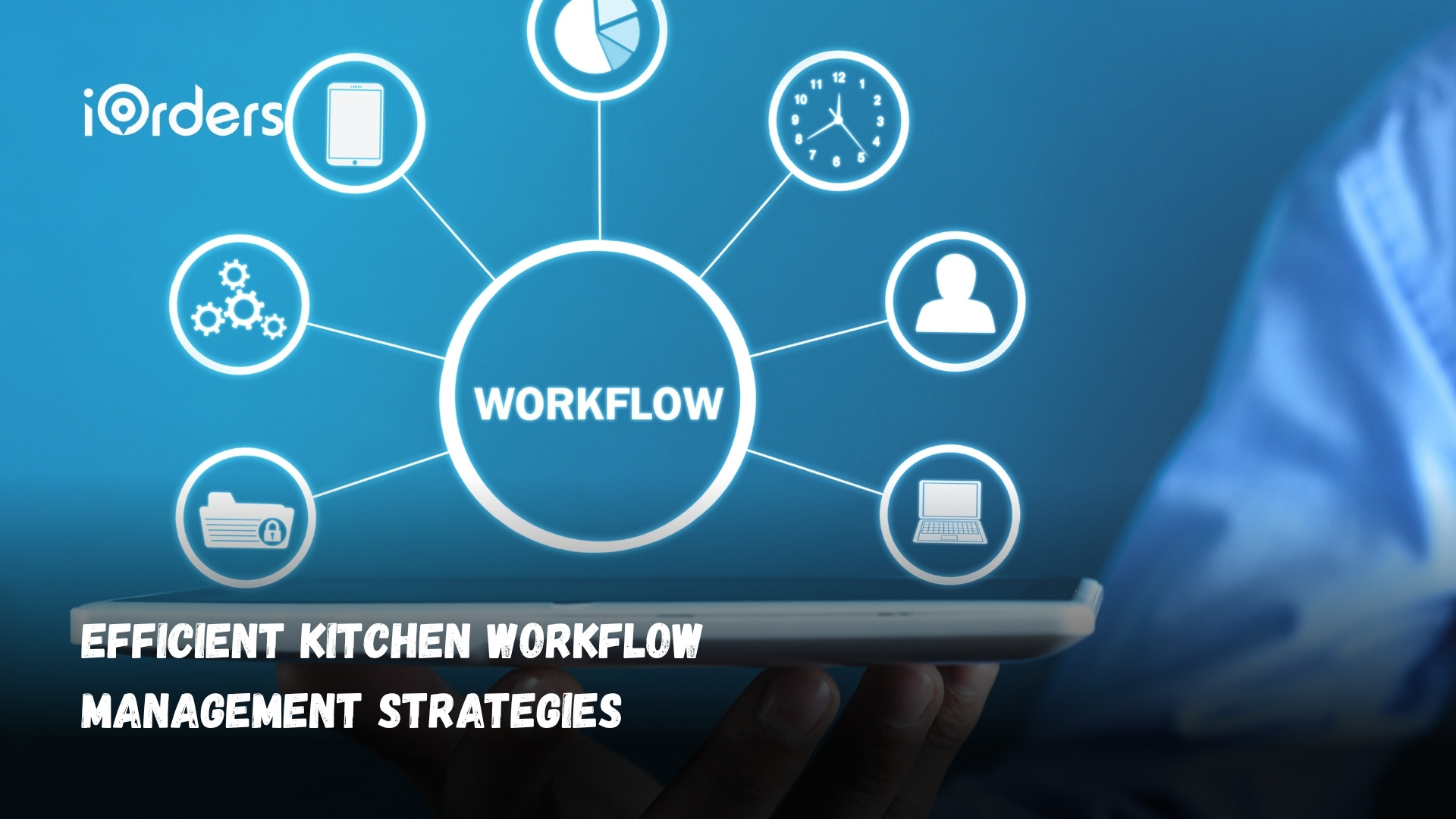
Ever feel like your kitchen hits a snag just when orders stack up? You’re not imagining it. For independent restaurants and QSRs, those extra minutes between “order in” and “plate out” aren’t just frustrating; they’re leaking profit.
According to a survey by Toast, 35% of guests said faster service would improve their experience as repeat diners.
Kitchen efficiency isn’t about rushing; it’s about creating a workflow that moves in sync: chefs aligned, stations organized, orders flowing without pause. When your back-of-house and front-of-house systems are out of sync, the result is wasted time, stressed staff, and dissatisfied guests.
That’s why efficient kitchen workflow management is no longer optional. It’s your foundation for consistent service, guest satisfaction, and stronger margins.
Today’s diners expect more than great food; they expect speed, accuracy, and consistency. And when your kitchen lags, they notice. Every delayed ticket, miscommunication, or bottleneck costs you time, money, and repeat business.
According to a study, 76% of diners become impatient after 15 minutes of waiting, and many don’t return after just one bad visit. For independent restaurants, that’s a profit hit you can’t afford.
An efficient kitchen workflow isn’t just about speed; it’s about control. It reduces waste, cuts overtime, boosts morale, and delivers the consistency customers crave. When your kitchen operates in sync, service feels effortless, and every plate becomes a reason for guests to return.
And it all starts with how your space is designed.
Streamlining your kitchen workflow is the backbone of a profitable and consistent restaurant operation. It’s about designing systems that minimize chaos, reduce waste, and make every movement purposeful — all while maintaining top-notch food quality. Whether you run a fine dining restaurant or a fast-paced bistro, these strategies can help you build a kitchen that runs like clockwork.

Your equipment setup determines your kitchen’s efficiency. When stations are poorly placed, your staff waste valuable seconds, and those seconds add up to lost revenue.
A simple shift — like moving your fryers closer to the prep area — can reduce motion waste and speed up output without any additional cost.
Manual order handling and verbal communication often lead to confusion and mistakes. Instead, use technology to create a seamless connection between front and back-of-house.
Platforms like iOrders take this a step further, integrating POS systems, online orders, and delivery management into one streamlined dashboard. It ensures no missed orders and helps staff focus where it matters most: food and service quality.
Prep time can make or break service speed. Standardizing prep routines not only maintains consistency but also keeps your team ahead during rush hours.
When every cook knows exactly where to find what they need, your kitchen moves faster and with fewer mistakes.
Even the best equipment and layout won’t help if your staff aren’t aligned. Training and clear role definition ensure everyone knows their responsibilities during service.
A confident, well-trained team is the foundation of an efficient kitchen.
Downtime kills workflow. A malfunctioning oven or dull knives can slow down your kitchen’s rhythm dramatically. Prevent that with a consistent maintenance schedule.
Preventive care keeps your kitchen running at full speed — and avoids expensive repairs later.
The best kitchens constantly evolve. Track key performance indicators like average ticket time, food waste percentage, and labor efficiency.
Smart platforms like iOrders offer built-in analytics to track order flow, prep times, and delivery efficiency, helping restaurants make data-backed improvements with ease.
When workflow optimization becomes part of your kitchen’s DNA, efficiency turns from a goal into a habit. Every action flows seamlessly, from order to plating, laying the foundation for consistent service excellence and smoother kitchen operations.
The next step? Ensuring your kitchen layout supports this rhythm perfectly.
A kitchen layout should also support speed, safety, and precision. Every extra step your team takes adds seconds to service time, which can quickly pile up during rush hours. A thoughtful layout helps your kitchen move like a well-oiled machine.

Start by mapping your core workflow zones:
Arrange these zones in a logical flow so that food moves forward, not backward, through the kitchen. This minimizes confusion, reduces collisions, and keeps the energy focused on efficiency.
Next, design your layout with the “mise en place” mindset, everything in its place. Small adjustments can make a big difference:
Don’t forget the environment itself. Good lighting, ventilation, and temperature control keep your staff comfortable and focused, which translates into faster, more consistent service.
A strong layout sets the foundation, but the next step is menu design: the hidden driver of kitchen efficiency.
Technology is no longer optional — it’s the engine of efficiency. From digital ticketing to automated inventory tracking, restaurant tech keeps your kitchen synchronized and error-free.
Key tools to consider:
Solutions like iOrders’ all-in-one platform integrate KDS, POS, and online ordering, allowing restaurants to manage dine-in, pickup, and delivery orders from one dashboard. This not only streamlines workflow but also ensures no ticket slips through the cracks.
When technology and teamwork align, kitchens become more agile — serving faster, with fewer mistakes and greater consistency.
Even the best systems fall short without a trained, coordinated team. Efficient kitchen workflow relies on clear communication, consistent standards, and team accountability.
To achieve this:
Training should be ongoing, not a one-time event. A well-prepared team anticipates problems before they arise and adapts effortlessly during peak service.
Efficiency means little without consistency and safety. High-performing kitchens maintain strict standards for hygiene, preparation, and presentation.
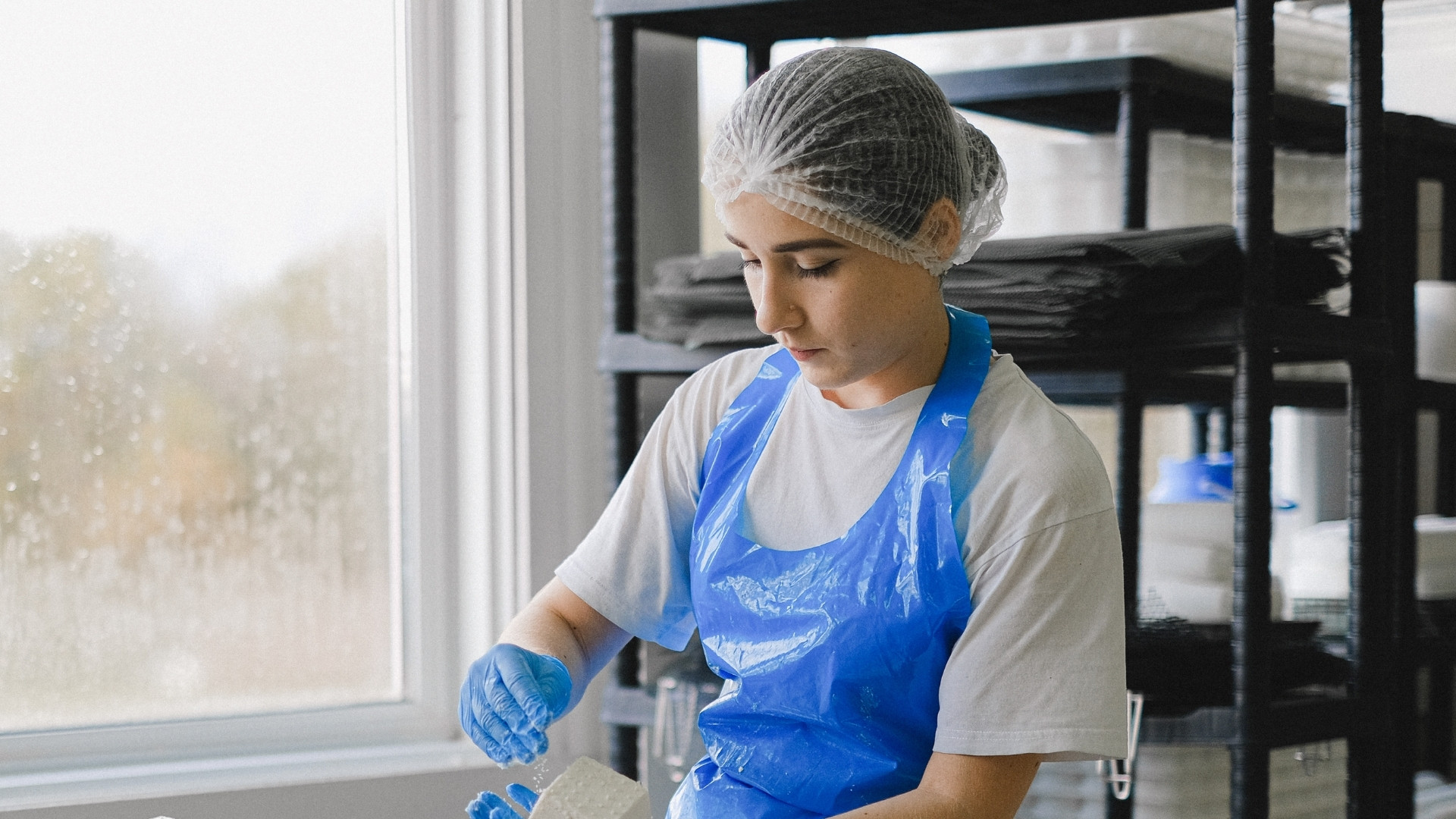
By integrating digital tracking tools, restaurants can automate safety logs and reduce compliance headaches, ensuring that every plate that leaves the pass meets both safety and quality benchmarks.
A truly efficient kitchen never stops improving. Measure, analyze, and refine your workflow regularly to keep performance at its peak.
Track these key performance indicators (KPIs):
Use these insights to adjust staffing levels, reorder routines, or even layout design. Tools like iOrders’ analytics dashboard provide real-time performance data, helping restaurant owners make decisions based on facts — not guesswork.
Small, consistent adjustments add up to major improvements over time.
An efficient kitchen isn’t built overnight, it’s built through intentional design, strong leadership, smart tech, and constant refinement. When your layout, staff, and systems work in sync, your restaurant delivers faster service, consistent quality, and happier guests, every time.
With iOrders, restaurants can take this efficiency to the next level through integrated POS systems, KDS displays, automated ordering, and performance analytics, all in one place.
Take control of your kitchen’s efficiency today. Book a demo with iOrders and explore how to transform your operations.
1. What is kitchen workflow management?
It’s the process of organizing people, equipment, and processes to improve efficiency, reduce waste, and maintain consistency in a restaurant kitchen.
2. How can technology improve kitchen workflow?
Tools like POS systems and Kitchen Display Systems automate order flow, improve communication, and minimize human error.
3. What’s the ideal kitchen layout for efficiency?
A layout that follows the “work triangle” principle — linking prep, cook, and plating areas — with minimal overlap and clear pathways.
4. How often should staff training be conducted?
Regularly. Provide onboarding for new hires, monthly refreshers, and pre-shift briefings for updates or menu changes.
5. How does iOrders help improve kitchen efficiency?
iOrders connects online orders, POS, and delivery into one system — reducing manual errors, improving communication, and enabling faster, data-driven service.
.png)